

The Expert Guide to Shallow Pot Gardening
Finding the right plants for shallow pots is a common challenge for urban gardeners and indoor plant enthusiasts alike. While traditional deep containers offer a large buffer for root growth, shallow pots—typically those under four inches in depth—require a more specialized approach.
Standard gardening advice often overlooks the unique drainage and moisture needs of these low-profile vessels. In this 2026 guide, we explore the best species that naturally possess fibrous or spreading root systems, making them ideal candidates for shallow containers.
Whether you are looking to create a tabletop succulent garden or a functional kitchen herb display, understanding the relationship between root depth and container volume is the first step toward success.

Quick Selection: Top Plants for Shallow Pots
PLANT | BEST ENVIRONMENT | ROOT TYPE | KEY BENEFITS |
|---|---|---|---|
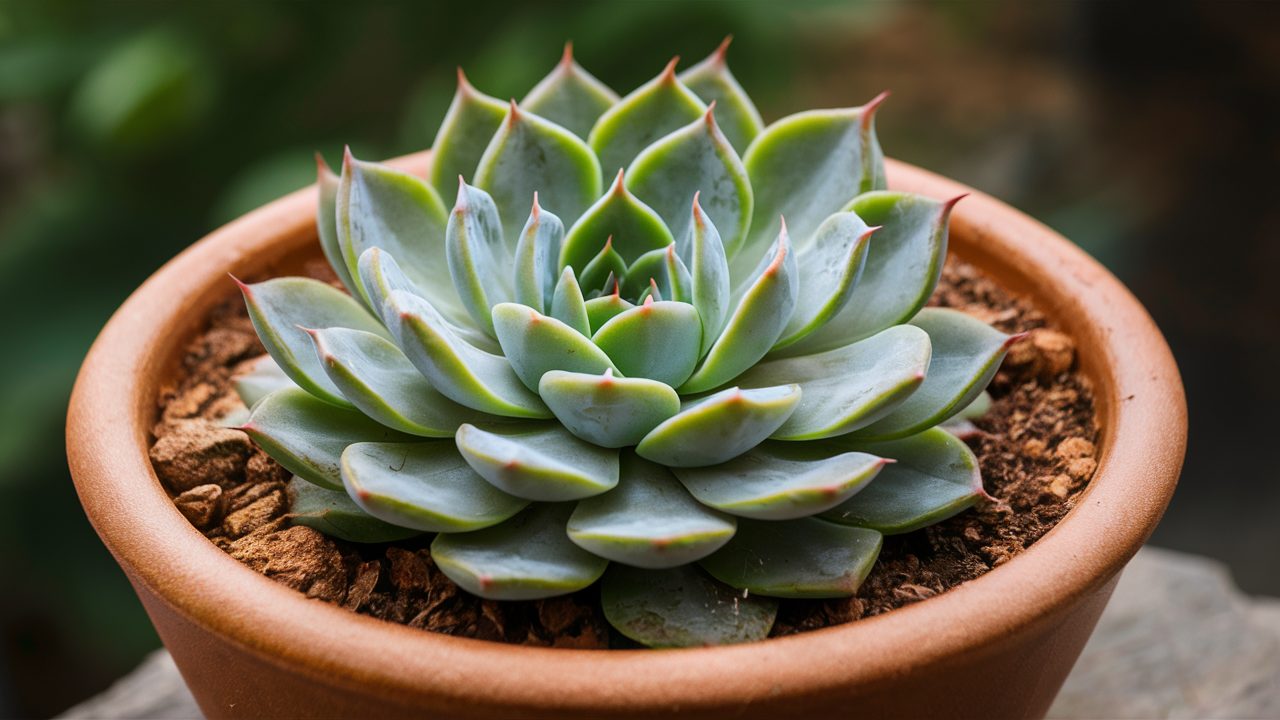
Echeveria | Full Sun/Outdoor | Fibrous & Shallow | Extremely drought-tolerant |
Basil | Full Sun/Outdoor | Spreading | High-yield edible herb |
Spider Plant | Indirect Light/Indoor | Thick & Fleshy | Extremely air purifier |
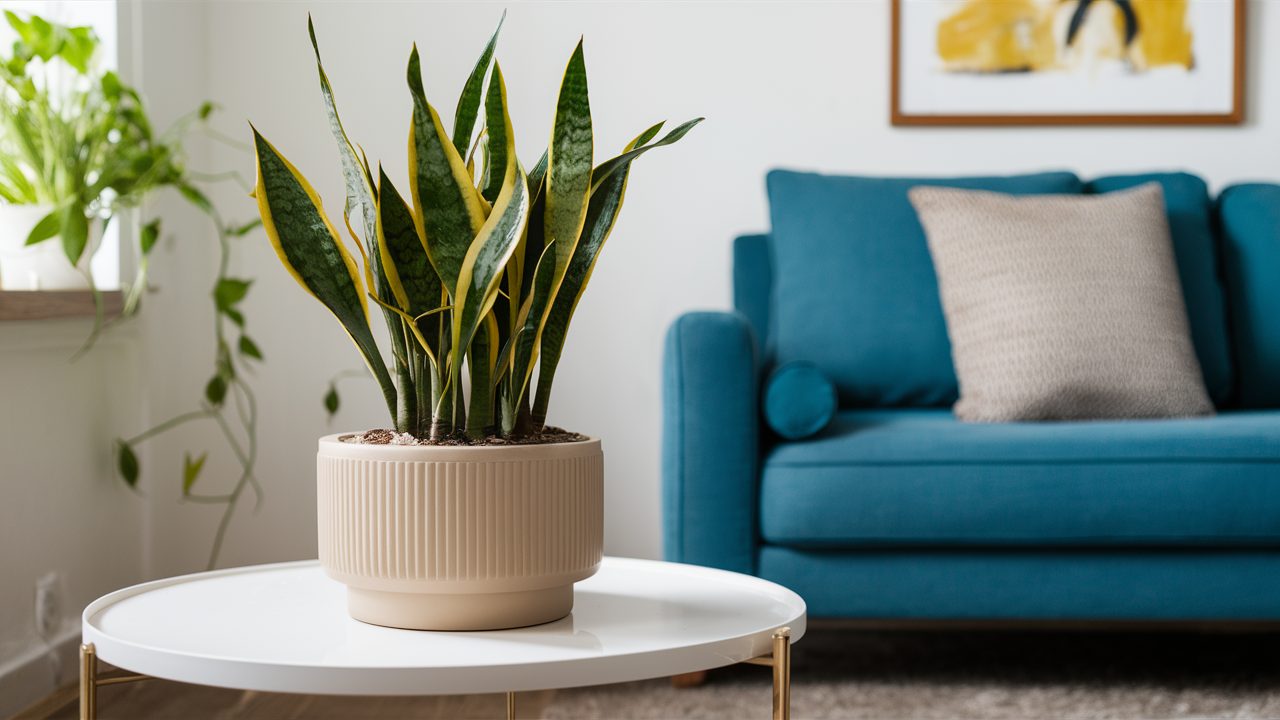
Snake Plant | Low Light/Indoor | Rhizomatous | Thrives on neglet |
Pansies | Partial Shade/Cool | Compact | Instant seasonal color |
Thyme | Full Sun/Low Water | Woody & Creeping | Perfect for 2-inch depths |
Mint | Partial Shade/Moist | Aggressive/Lateral | Rapidly fills wide pots |
Top 30 Plants for Shallow Pots
I’ve organized these 30 plants into categories below to help you find the best match for your space. Click the tabs to explore plants for herbs, edible, shade, sun, indoor growing, and more!
Culinary herbs are perfect for windowsills and small balconies, these kitchen staples thrive in shallow soil as long as they get plenty of light. Harvest them frequently to encourage bushy growth and a constant supply for your cooking.
Basil
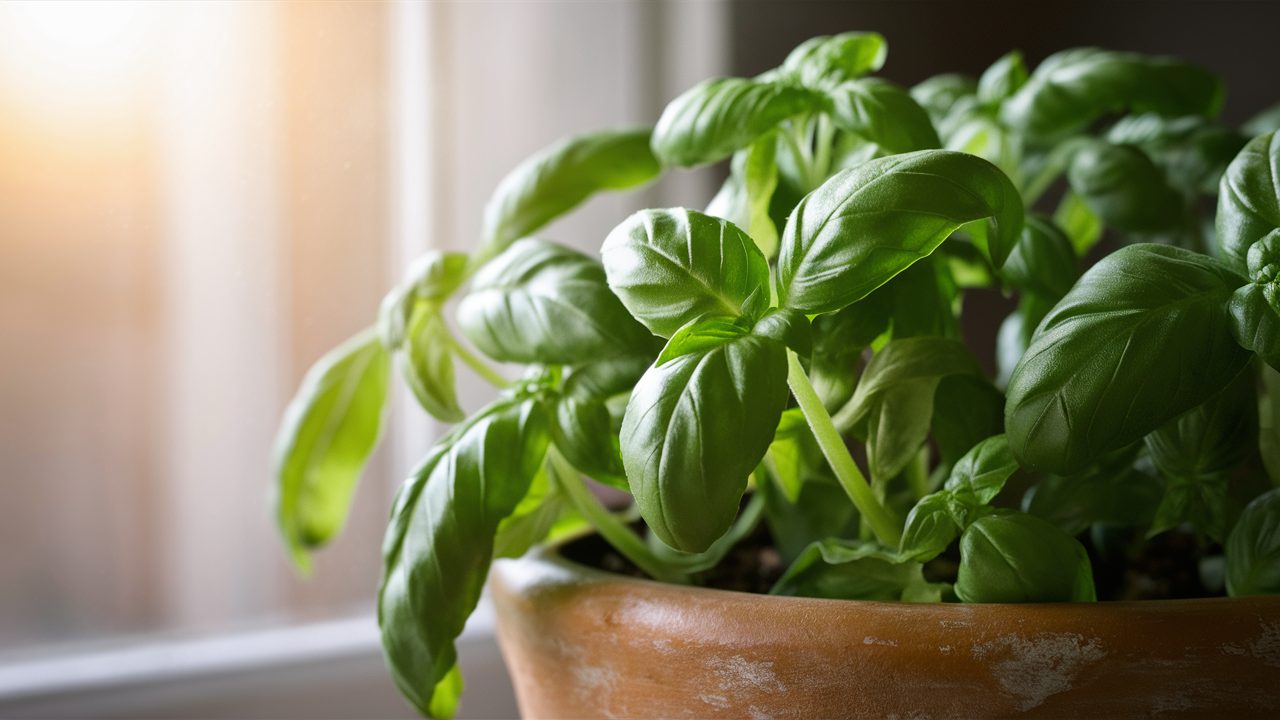
Botanical Name: Ocimum basilicum
Sun Exposure: Bright, indirect light
Soil Type: Well-drained potting mix
Soil pH: 6.0–7.0
USDA Hardiness Zone: Annual
Watering: Keep soil moist but not soggy
Basil is a popular herb known for its aromatic leaves and is widely used in cooking, especially in Italian cuisine. It's perfect for shallow pots because it has a relatively shallow root system.
Basil thrives in full sun and needs well-draining soil. Regular harvesting of the leaves encourages the plant to produce more foliage, ensuring a constant supply of fresh basil for your culinary needs. For a full guide on how to grow basil in small spaces, check out my dedicated post.
Thyme
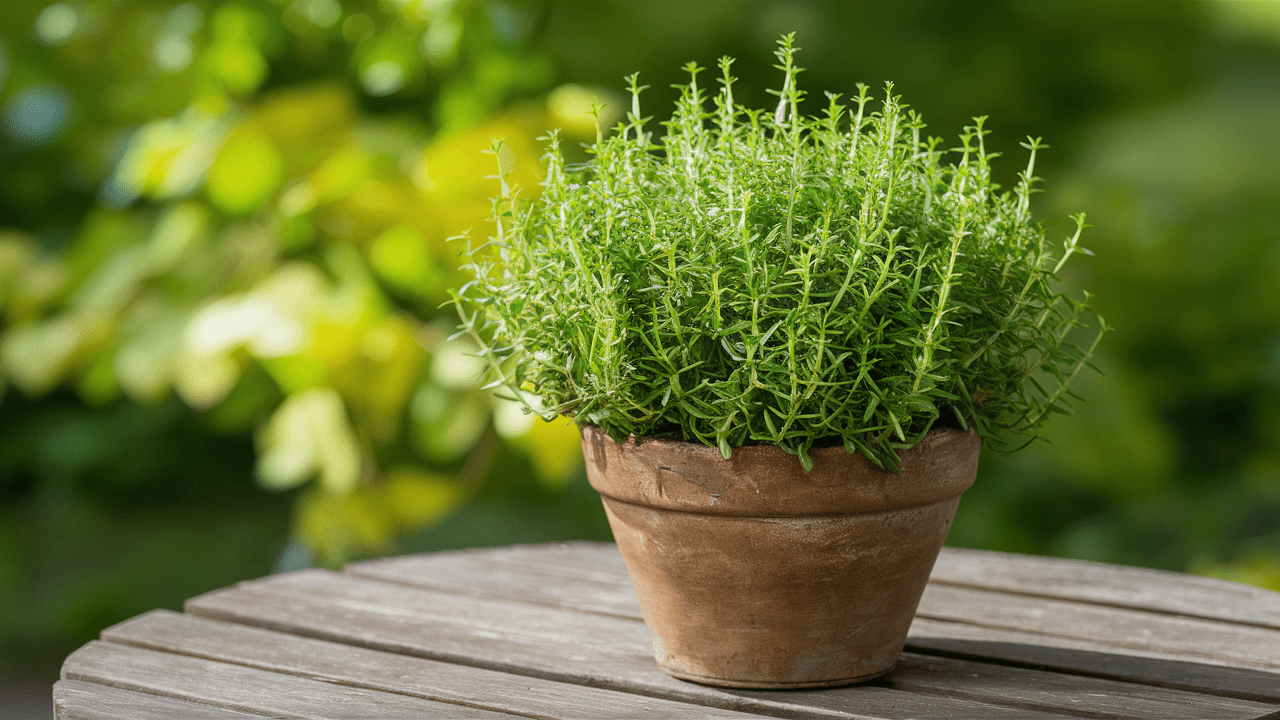
Botanical Name: Thymus vulgaris
Sun Exposure: Full sun
Soil Type: Well-drained, sandy soil
Soil pH: 6.0–8.0
USDA Hardiness Zone: 4–9
Watering: Low; water when soil is dry
This herb is a top choice for low-profile planters because it loves to spread horizontally. It’s a hardy perennial with small, fragrant leaves that can be used fresh or dried.
Thyme prefers full sun and well-draining soil. It’s drought-tolerant, making it an excellent choice for busy gardeners. Regular trimming will keep the plant bushy and encourage more growth. Learn the secrets to growing Thyme in small containers here
Parsley

Botanical Name: Petroselinum crispum
Sun Exposure: Full sun to partial shade
Soil Type: Rich, well-drained
Soil pH: 5.5-7.0
USDA Hardiness Zone: 2-11
Watering: Moderate
Parsley is a biennial herb that’s often used as a garnish or in cooking for its fresh, slightly peppery flavor. It grows well in shallow pots and requires full sun to partial shade.
Parsley needs well-draining soil and regular watering. Harvest the outer leaves as needed, which will also encourage new growth from the center of the plant.
Want a kitchen staple that never runs out? Here is how to grow parsley for an endless harvest
Marjoram

Botanical Name: Origanum majorana
Sun Exposure: Full sun
Soil Type: Well-drained
Soil pH: 6.5-7.5
USDA Hardiness Zone: 9-11
Watering: Moderate
Marjoram is a versatile herb with a sweet, mild flavor that's often used in cooking. It grows well in shallow pots and prefers full sun.
Marjoram needs well-draining soil and regular watering but can tolerate some drought. Harvesting the leaves frequently will encourage the plant to produce more foliage.
Rosemary
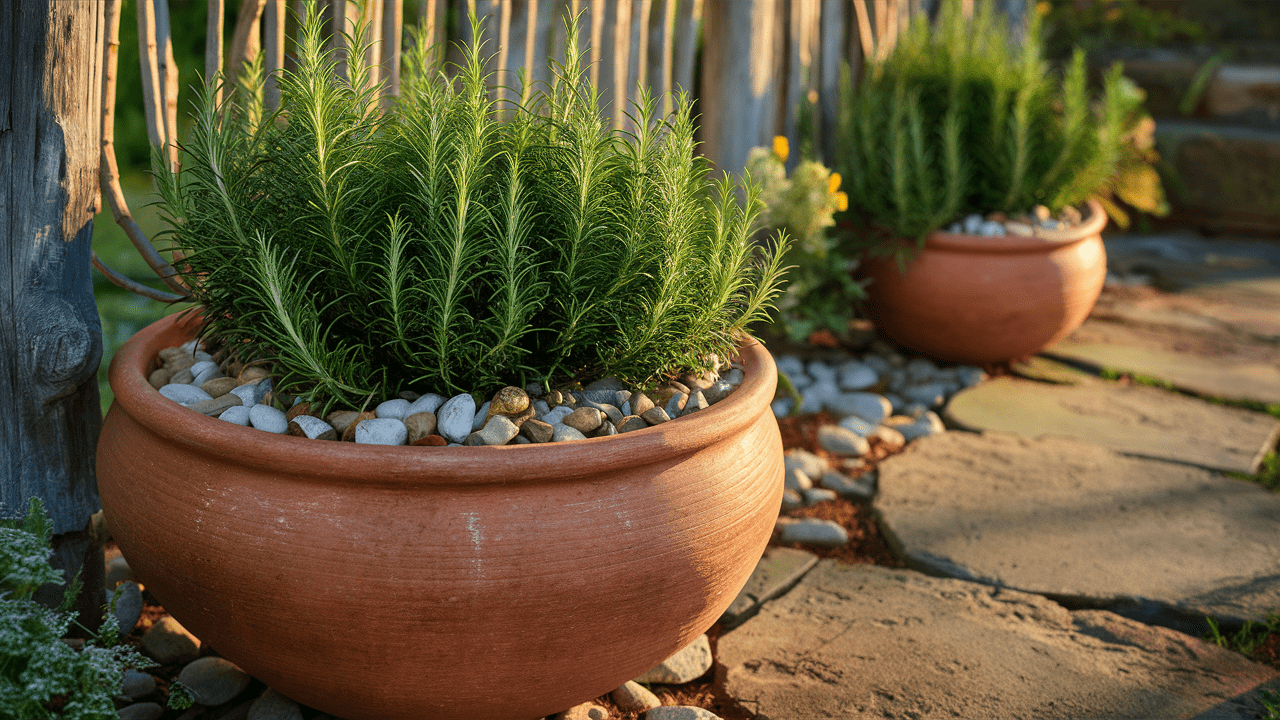
Botanical Name: Rosmarinus officinalis
Sun Exposure: Full sun
Soil Type: Well-drained, sandy
Soil pH: 6.0-7.5
USDA Hardiness Zone: 7-10
Watering: Low
Rosemary is a hardy herb with needle-like leaves and a strong, aromatic scent. It grows well in shallow pots and requires full sun and well-draining soil.
Rosemary is drought-tolerant and needs infrequent watering once established. Regular pruning will help maintain its shape and promote bushier growth.
If you want a garden full of fragrance without the high cost of nursery starts, check out our guide on growing rosemary from seed.
Oregano
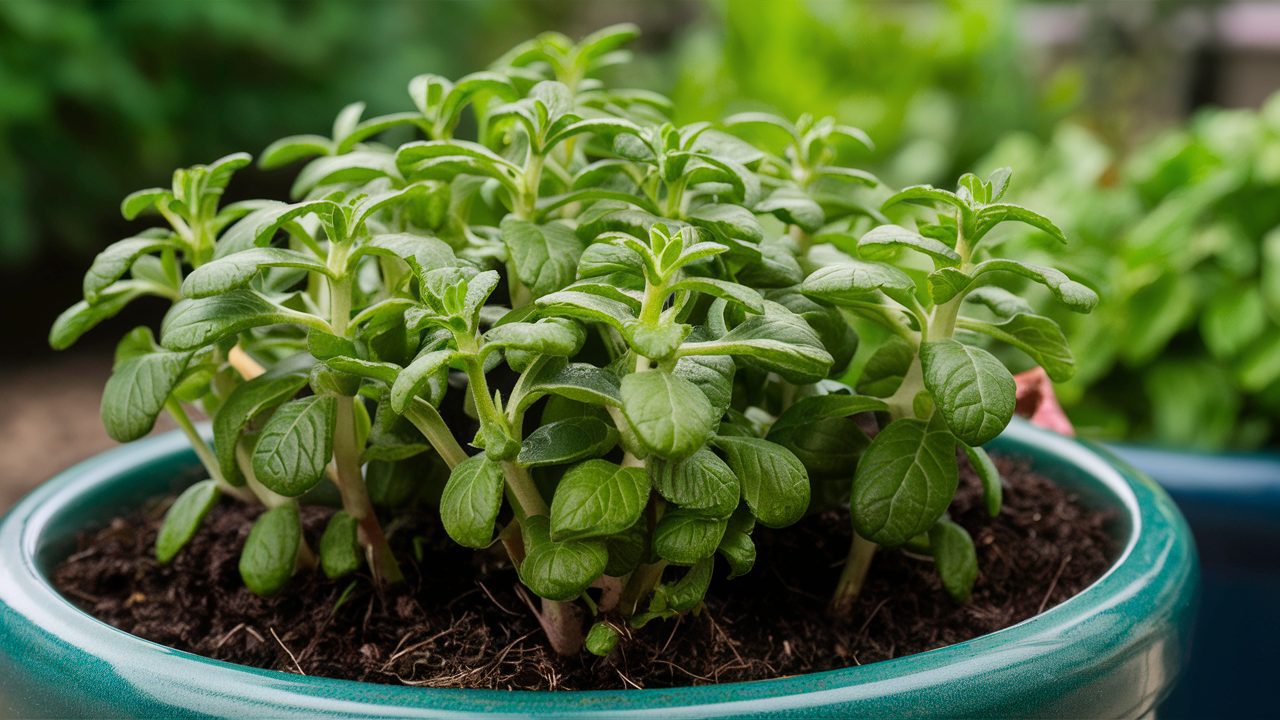
Botanical Name: Origanum vulgare
Sun Exposure: Full sun
Soil Type: Well-drained
Soil pH: 6.0-8.0
USDA Hardiness Zone: 5-10
Watering: Moderate
Oregano is a robust herb commonly used in Mediterranean cuisine. It thrives in shallow pots and prefers full sun.
Oregano requires well-draining soil and regular watering but can tolerate dry conditions. Harvesting the leaves regularly encourages the plant to produce more foliage.
Cilantro
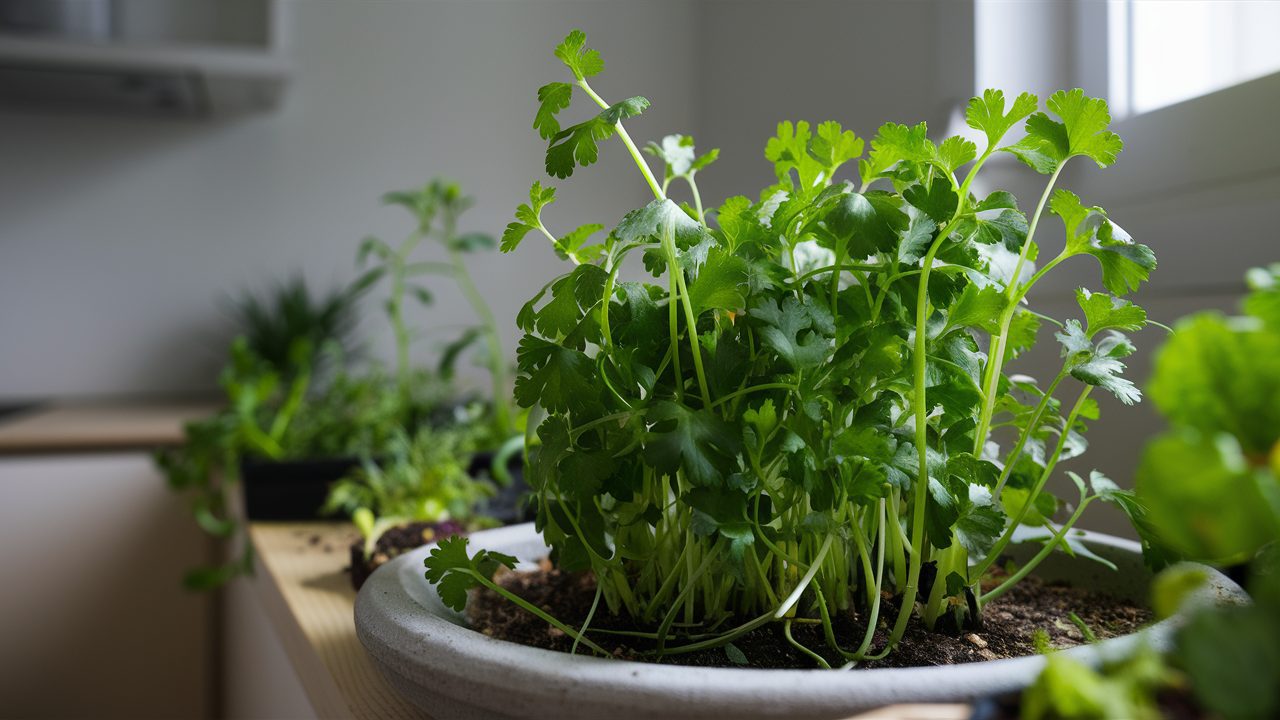
Botanical Name: Coriandrum sativum
Sun Exposure: Full sun to partial shade
Soil Type: Well-drained, rich
Soil pH: 6.2-6.8
USDA Hardiness Zone: 2-11
Watering: Moderate
Cilantro, also known as coriander, is an annual herb with a fresh, citrusy flavor. It grows well in shallow pots and prefers full sun to partial shade.
Cilantro needs well-draining soil and regular watering. Harvest the leaves frequently to encourage the plant to produce more foliage and prevent it from bolting.
Did you know you can regrow your grocery store herbs? Learn the simple steps for growing cilantro from seeds.
Sage
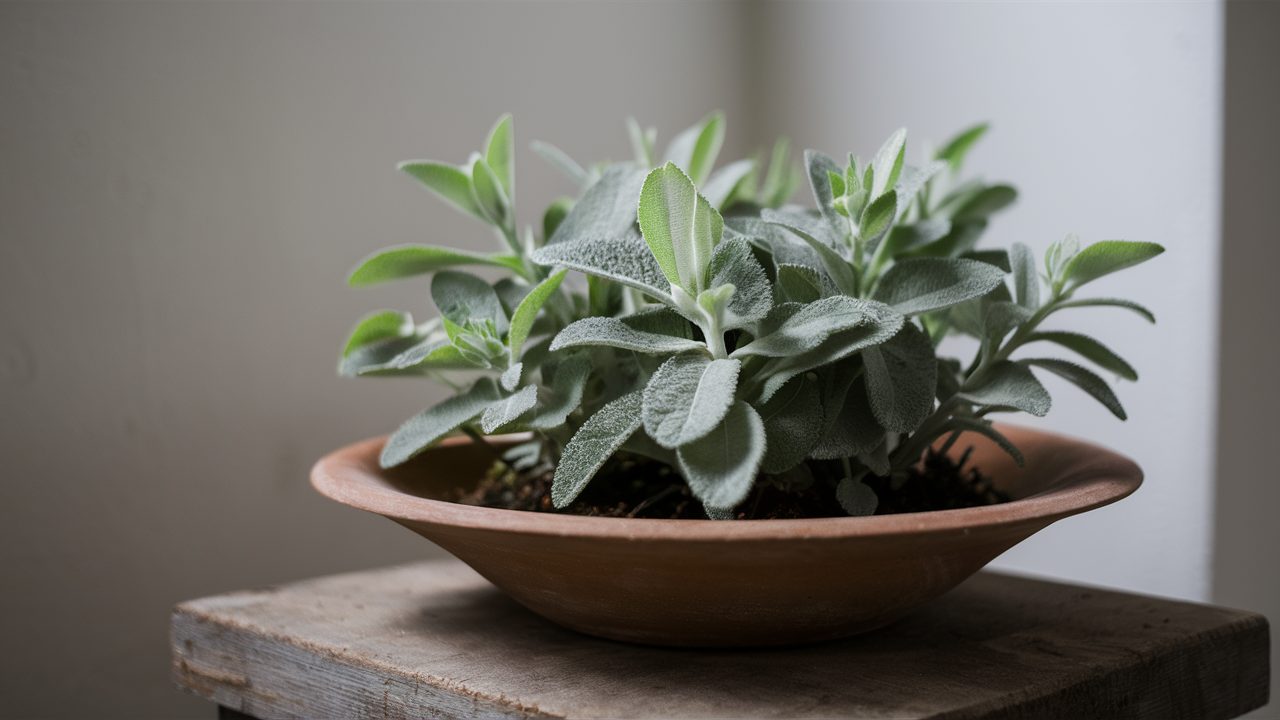
Botanical Name: Salvia officinalis
Sun Exposure: Full sun
Soil Type: Well-drained, rich
Soil pH: 6.0-7.0
USDA Hardiness Zone: 4-8
Watering: Low
Sage is a hardy perennial herb with soft, gray-green leaves and a strong, earthy flavor. It grows well in shallow pots and prefers full sun.
Sage can last for years in shallow containers if you maintain its shape; here is how to cut back sage without shocking the plant.
Lavender

Botanical Name: Lavandula spp.
Sun Exposure: Full sun
Soil Type: Well-drained, sandy
Soil pH: 6.5-7.5
USDA Hardiness Zone: 5-9
Watering: Low
Lavender is a fragrant herb known for its beautiful purple flowers and soothing scent. It thrives in full sun and well-draining soil, making it perfect for shallow pots.
Lavender requires minimal watering once established and is relatively low maintenance.
Propagating lavender can be tricky if the timing is off, so I've detailed the best methods for propagating lavender for a 100% success rate.
Dill
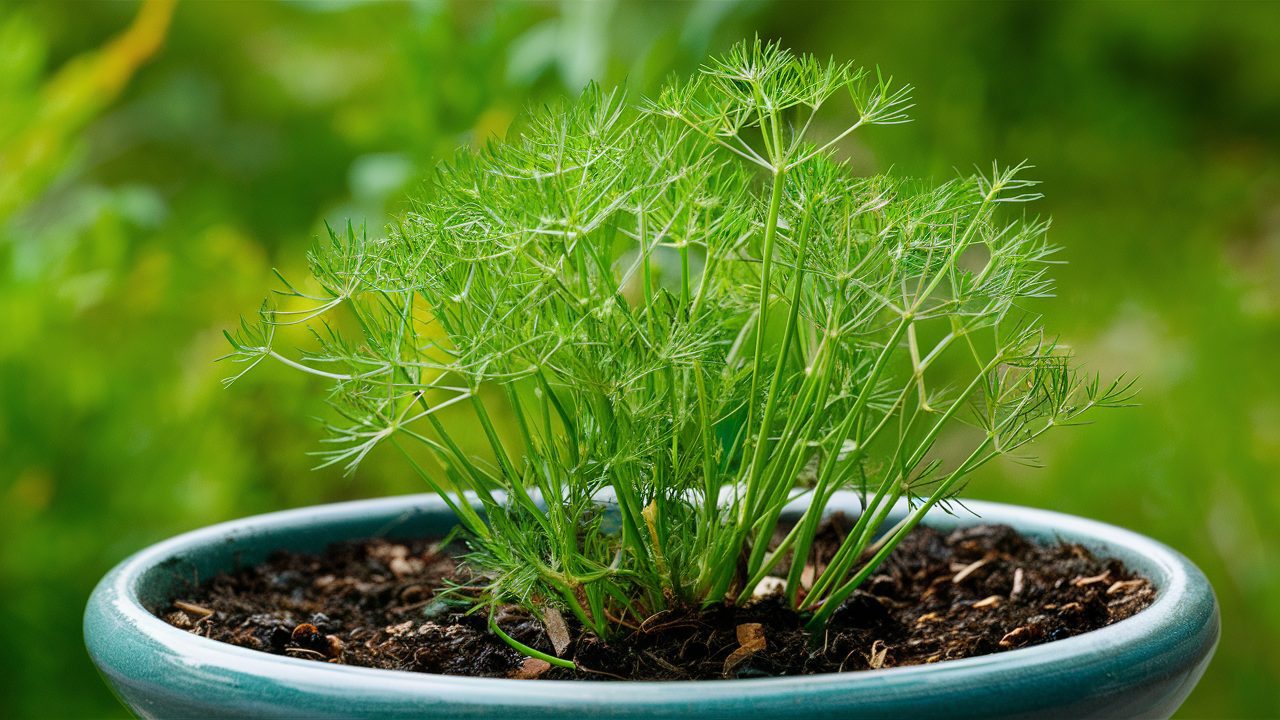
Botanical Name: Anethum graveolens
Sun Exposure: Full sun
Soil Type: Well-drained
Soil pH: 5.5-6.5
USDA Hardiness Zone: 2-11
Watering: Moderate
Dill is a feathery herb with a fresh, slightly tangy flavor, commonly used in pickling and cooking. It grows well in shallow pots and prefers full sun.
Dill requires well-draining soil and regular watering. Harvesting the leaves and flower heads frequently encourages the plant to produce more foliage.


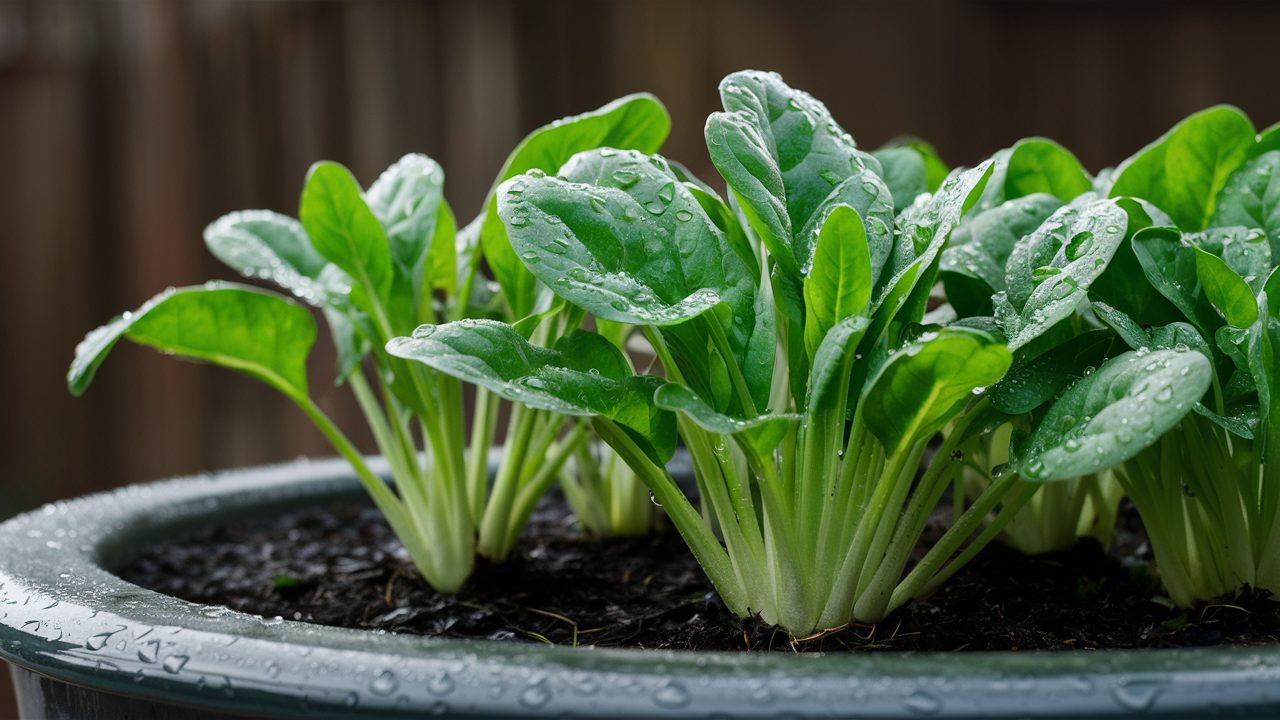








Essential Gear for Shallow Pot Gardening
To ensure your plants for shallow pots thrive, you need the right foundation. Because shallow containers have less soil volume, the quality of your pots and potting mix is critical. Here is the gear I personally recommend for the best results:
1. The Best Pots for Shallow Root Systems
Standard deep pots often lead to "sour soil" at the bottom. These low-profile options provide the perfect depth (2–4 inches) for succulents and herbs.
Modern Ceramic Succulent Bowls: These are ideal for Echeveria and Snake Plants. They offer a wide surface area for spreading roots.
Traditional Terracotta Bulb Pans: Best for Thyme and Pansies. The breathable clay prevents moisture from trapping at the root level.
2. Specialized Soil & Drainage
Standard potting soil can become too compacted in a shallow environment. You need a mix that prioritizes aeration. I always recommend a lightweight potting mix (look for ingredients like perlite or vermiculite) rather than heavy garden soil, which will compact and suffocate the roots.
You can find the same high-quality brands (like Miracle-Gro or Espoma) at Home Depot, Lowe's, or Walmart. If you prefer the convenience of home delivery, you can find excellent organic blends online through Amazon or Burpee. I personally love FoxFarm Ocean Forest for its nutrient density—it’s a game-changer for container gardening!
Choose These Potting Mix According to Your Needs:
Professional Succulent & Cactus Mix: A fast-draining formula is non-negotiable for desert-type plants for shallow pots.
Horticultural Perlite: Mix this into standard soil (20% ratio) to keep your Basil and Mint roots from suffocating.
However, if you have some extra time and want to get your hands dirty, you can create your own custom mix by following my Step-by-Step DIY Guide. It’s a great way to save money if you have a lot of pots to fill!
3. Precision Maintenance Tools
Since you are working in tight spaces, traditional watering cans can be messy.
Succulent Watering Squeeze Bottle: This allows you to water the soil directly without getting the foliage wet—essential for preventing rot in shallow arrangements.
Your 5-Point Checklist for Shallow Pot Success
Before you start planting, run through this quick checklist to ensure your plants for shallow pots have everything they need to thrive in a low-profile environment.
- Check the Depth (2–4 Inches): Ensure your container is at least 2 inches deep for succulents and at least 4 inches for herbs like Basil or Mint.
- Confirm Drainage Holes: Shallow pots are prone to waterlogging. If your pot doesn't have a hole, use a masonry bit to add one or stick to strictly drought-tolerant Echeveria.
- Mix for Aeration: Avoid using heavy garden soil. Stick to the 60/20/20 rule (Potting Soil, Perlite, and Coconut Coir) to keep the roots breathing.
- The "Pinky" Moisture Test: Because shallow soil dries out fast, check the moisture daily. If the top inch is bone-dry, it is time to water.
- Match Light to Location: Group your plants for shallow pots by their sun needs. Keep your Snake Plants in the shade and your Marigolds in the direct sun.
Quick General Care Tips for Your Shallow Pot Plants
Summary Guide: 30 Best Plants for Shallow Pots
Use this quick-scan guide to find the right plants for your specific growing conditions
Best Indoor Plants for Shallow Pots
Low-Maintenance Plants for Shallow Pots
Tall Plants for Shallow Pots
Plants for Shallow Pots in Shade
Final Thoughts
Choosing the right plant is only half the battle—the right pot makes all the difference! Whether you’re harvesting fresh herbs from your windowsill or brightening a corner with low-maintenance greenery, these 30 shallow-root champions prove you don't need a massive garden to grow something beautiful.
Which category are you starting with? Grab a shallow decorative bowl, pick your favorite from the tabs above, and tag us in your plant photos!
Love this guide? Pin it to your gardening board so you can find these care tips the next time you're at the nursery!
Happy gardening!
Still have a few lingering questions about your specific setup? I’ve answered the most common concerns below
Troubleshooting FAQ: Managing Plants in Shallow Pots
Why are my plants for shallow pots turning yellow?
Yellowing leaves in shallow containers are often a sign of either nutrient depletion or moisture stress. Because shallow pots hold a limited amount of soil, they lose nutrients more rapidly through drainage. Ensure you are using a balanced, diluted liquid fertilizer every two to three weeks during the growing season.
How often should you water plants in shallow pots?
Because shallow pots hold less soil, they dry out faster than deep containers. You should typically check the soil daily; if the top inch feels dry, it's time to water. Using a moisture-control potting mix can help extend the time between waterings.
Do I need a special soil mix for shallow pots?
Yes. To prevent the soil from becoming compacted or waterlogged, use a well-draining mix. A combination of 60% standard potting soil, 20% perlite, and 20% coconut coir provides the necessary aeration and moisture retention that plants for shallow pots require to thrive.
What outdoor plants are best for small pots?
For small outdoor pots, consider plants like marigolds, petunias, and strawberries. These plants have shallow root systems and can thrive in small containers with regular care.
What plants grow well in pots full sun?
Plants that thrive in full sun include petunias, marigolds, and alyssum. These plants love the sunlight and can add vibrant color to your garden.
What herbs grow best in shallow pots?
Herbs that grow well in shallow pots include basil, thyme, chives, and mint. These herbs have shallow root systems and can thrive in small containers with regular watering and sunlight.
Read Next:
Last Updated on March 26, 2026 by Austine