
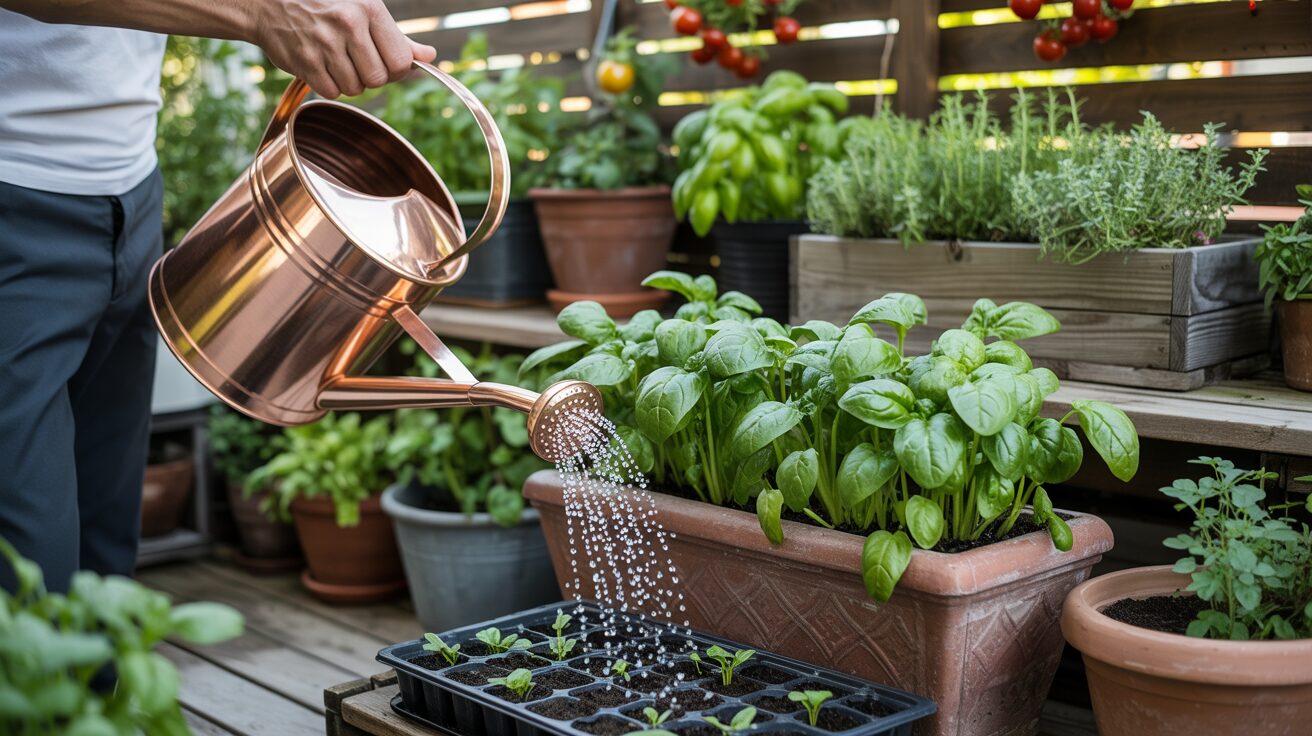
To grow spinach indoors, you need four things: a container 6-8 inches deep with drainage holes, potting mix (not garden soil), a sunny window or grow lights (12-14 hours daily), and spinach seeds.
Sow seeds 1/2 inch deep, keep soil moist, and maintain temperatures between 60-70°F (15-21°C). Seeds germinate in 5-10 days. Harvest baby leaves in 4-6 weeks. Keep reading for the complete guide, including varieties, troubleshooting, and how to prevent bolting.
While most people wait for the cool days of spring or fall, learning how to grow spinach indoors allows you to bypass the seasons entirely.
Because spinach loves a controlled, cool environment, your home can actually be the perfect place for a continuous harvest—provided you know how to grow spinach indoors in winter for beginners.
Whether you are growing baby spinach indoors in small containers or experimenting with growing spinach indoors in water vs soil, success depends on mimicking the plant’s natural needs.
In this guide, we’ll cover everything from how long does spinach take to grow indoors from seed to how to harvest indoor spinach so it keeps growing. Plus, why is my indoor spinach bolting so fast so you can enjoy your greens for longer.
The Benefits of Bringing Spinach Inside
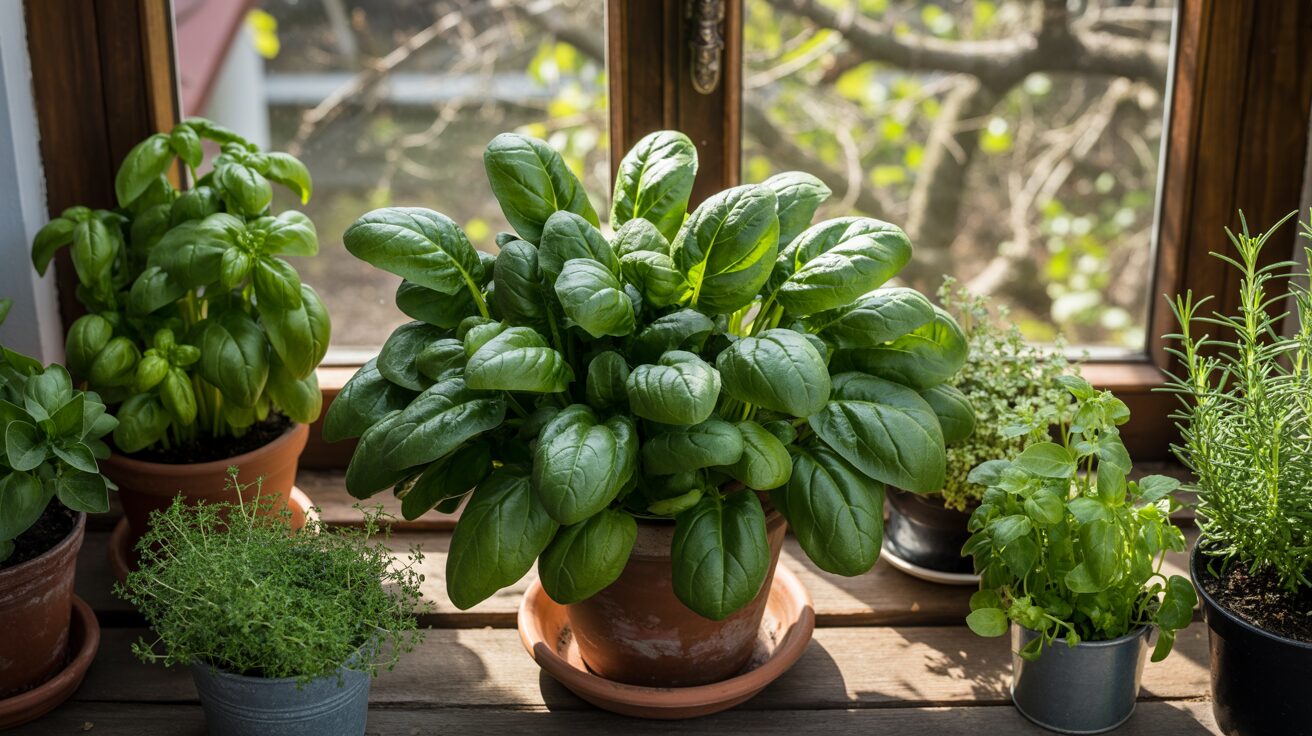
Have you ever planted spinach outside only to watch it bolt and turn bitter as soon as summer arrived? I have been there too. It is frustrating. You wait weeks for those tender leaves, and then suddenly the plant shoots up a flower stalk and stops producing.
Spinach is a cool-weather crop. It loves spring and fall. However, summer heat makes it panic. The plant thinks, "I need to make seeds before I die!" The leaves become tough and bitter.
Growing spinach indoors solves this problem completely
For more on starting your garden the right way, check out my beginner guide on how to start urban gardening.
How to Grow Spinach Indoors in Winter for Beginners
Winter is actually the perfect time to start growing spinach indoors. The air is cooler. Your indoor temperatures are naturally lower. Spinach loves this.
For more cold-weather tips, see winter vegetables to grow in pots.
Setting Up Your Indoor Spinach Garden
Before you plant, gather the right supplies. Spinach is forgiving, but the right setup makes everything easier.
Best Spinach Varieties for Indoor Growing
Not all spinach varieties grow well indoors. Some get too large. Others bolt too quickly. Here are the best choices for indoor growing.
- 1Baby's Leaf is my top recommendation. This variety stays small. The leaves are tender and sweet. It matures in just 4 weeks. Perfect for small containers and windowsills.
- 2Bloomsdale is a classic heirloom spinach. It has crinkly, dark green leaves. Bloomsdale is slow to bolt. It can tolerate slightly warmer temperatures. Good for beginners.
- 3Space is another excellent indoor variety. The name says it all. This spinach does not need much room. It grows upright. The leaves are smooth and mild. Space is also resistant to bolting.
Avoid large varieties like 'Viroflay' or 'Giant Winter'. They need deep soil and lots of space. They are not suited for indoor containers.
Best Grow Lights for Indoor Spinach Plants
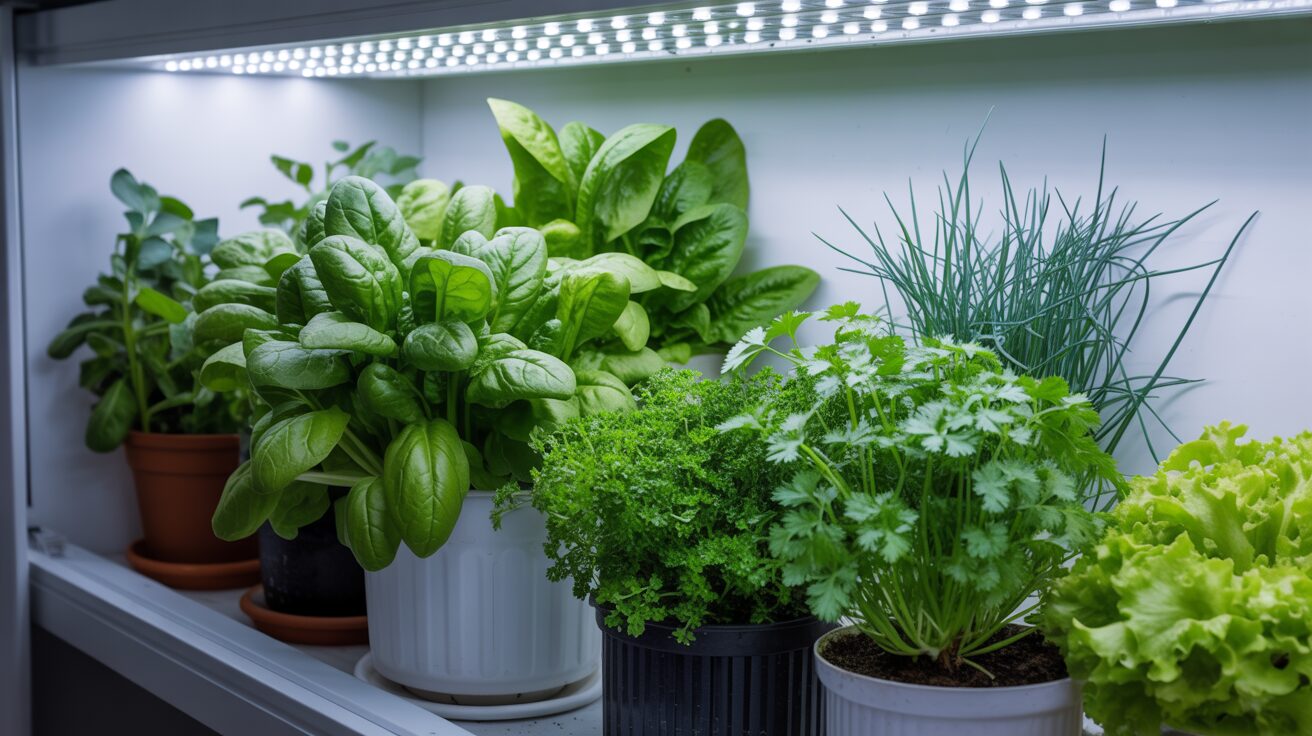
Spinach needs 12 to 14 hours of light every day. A sunny window may provide 4 to 6 hours. That is not enough for strong growth. Therefore, grow lights are highly recommended.
- LED grow lights are the best choice. They are energy-efficient. They do not get hot. They last for years. Look for full-spectrum LEDs. These mimic natural sunlight. Place the lights 4 to 6 inches above your spinach. Keep them on for 12 to 14 hours per day. Use a cheap outlet timer to automate this. Your spinach will not know it is winter.
- Fluorescent tubes are another option. They are cheaper upfront. However, they use more electricity. They also need replacement more often.
Without enough light, spinach becomes leggy. The stems stretch out. The leaves are small and pale. The plant may bolt early. Good lights prevent all these problems.
Growing Spinach Indoors in Water vs Soil
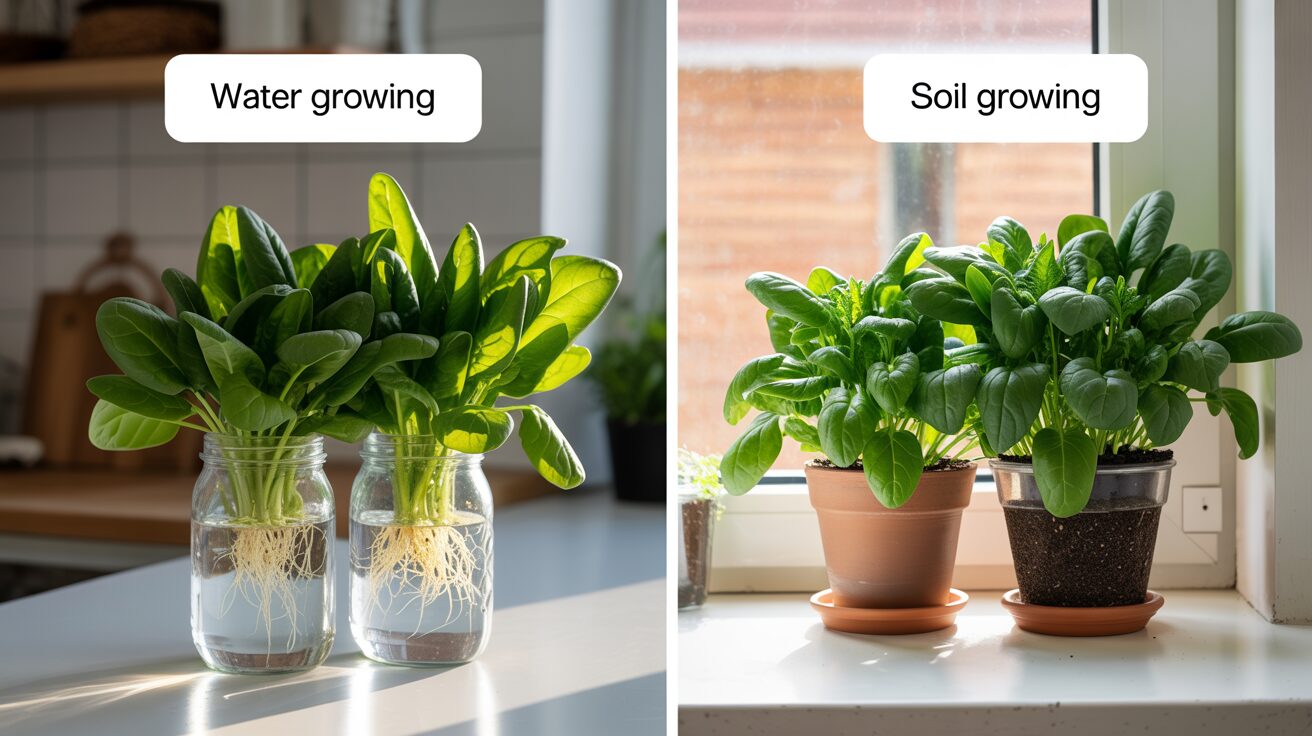
You have two main options for growing spinach indoors: soil or water (hydroponics). Each method has pros and cons.
- Soil method is the easiest for beginners. Fill your pot with potting mix. Sow seeds 1/2 inch deep. Water when the top inch of soil feels dry. Soil holds moisture and nutrients. It forgives small mistakes.
- Hydroponic method grows spinach in water with nutrients. No soil at all. Hydroponic spinach grows faster. It also takes up less space. However, you need special equipment. You must mix nutrient solutions. You have to monitor pH levels.
For most beginners, I recommend starting with soil. It is cheap and forgiving. Once you have success, try hydroponics if you want to experiment.
For a deep dive on soilless growing, check out growing spinach in hydroponics.
Printable Spinach Growing Chart (Save This)
My quick reference chart you can screenshot or print:
Factor | Spinach's Preference |
|---|---|
Container depth | 6 to 8 inches |
Container width | 6 to 12 inches |
Soil type | Well-draining potting mix |
Seed depth | 1/2 inch |
Germination time | 5 to 10 days |
Light needed | 12 to 14 hours daily (grow lights recommended) |
Temperature | 60°F to 70°F (15°C to 21°C) |
Water | Keep soil consistently moist, not soggy |
Fertilizer | Balanced liquid fertilizer every 2-3 weeks |
Days to harvest | 4 to 6 weeks |
Keep this chart near your indoor garden. It will help you remember the basics.
Sowing and Early Growth
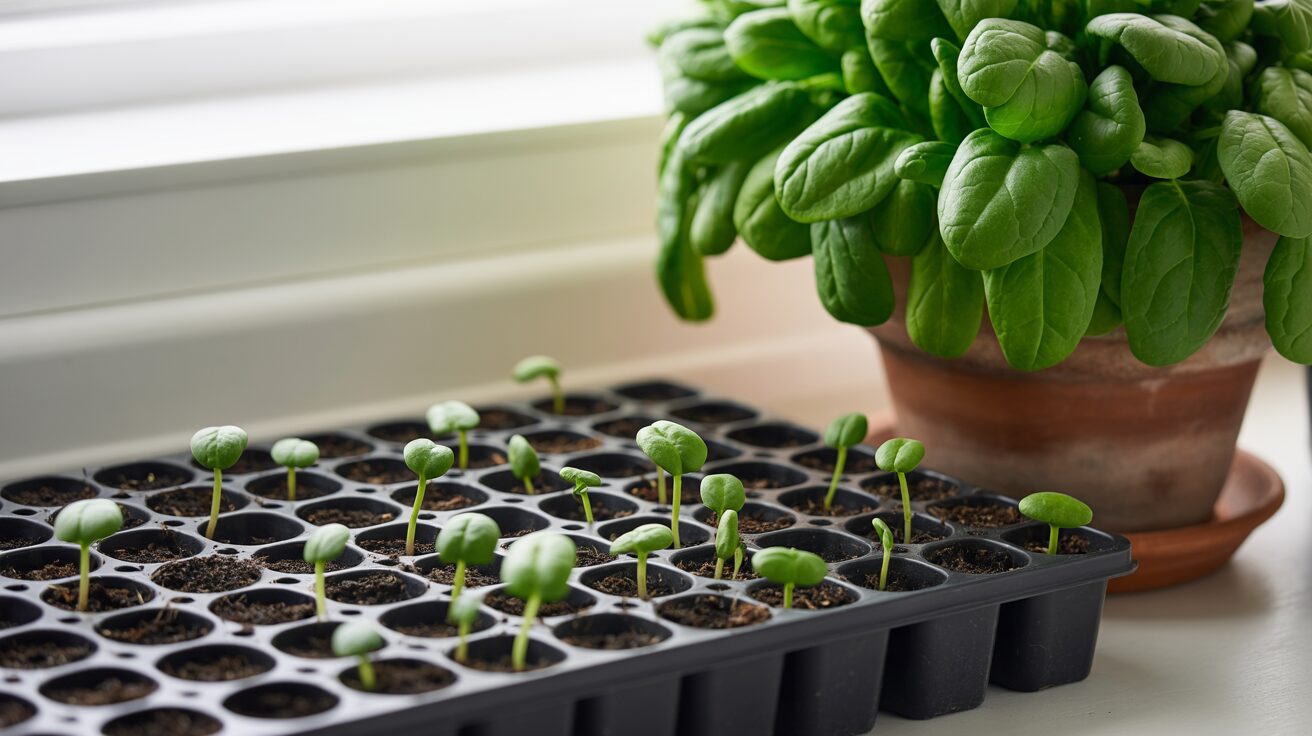
Now let me walk you through the planting process step by step.
How Long Does Spinach Take to Grow Indoors from Seed?
Spinach grows quickly. That is one reason it is so satisfying to grow indoors. Germination takes 5 to 10 days. Spinach seeds sprout fast when soil temperature is 60-70°F (15-21°C). If your home is cool, germination may take longer.
Baby leaves are ready in 4 weeks. You can start harvesting small leaves at this stage. They are tender and sweet.
Full-size leaves take 6 weeks. The plant reaches its mature size. You can harvest larger leaves or the whole plant at once. For a continuous supply, practice succession planting. Start new seeds every 2 to 3 weeks. When one batch finishes, the next batch is ready.
Growing Baby Spinach Indoors in Small Containers
Baby spinach is simply spinach harvested early. The leaves are smaller, more tender, and sweeter than full-size spinach.
Baby spinach is perfect for small spaces. You can grow it on a windowsill in a 4-inch pot. For more small-space ideas, see best plants for pots all year round .
How to Prevent Indoor Spinach from Getting Leggy
Leggy spinach is tall and thin. The stems stretch out. The leaves are small and pale.
- This happens when the plant does not get enough light. The fix is simple. Move your grow lights closer. They should be 4 to 6 inches above the leaves. If using a sunny window, supplement with a small LED grow light.
- Another cause is overcrowding. Spinach seeds are tiny. It is easy to plant too many. Thin your seedlings to 2 to 4 inches apart. Crowded plants compete for light.
- Temperature also matters. Spinach grows best in cool conditions. If your indoor temperature is above 75°F (24°C), the plant may stretch. Move it to a cooler spot.
- Finally, harvest early. Do not wait too long to pick leaves. Regular harvesting encourages bushy growth instead of tall, leggy stems.
In the next section, I will share my best tips for ongoing care. I will also show you how to prevent bolting and deal with common pests. Keep reading to learn how to keep your spinach producing leaves for weeks, not days.
Maintenance for Maximum Yield
Spinach is not difficult to maintain. However, a few simple habits will keep your plants healthy and productive.
Optimal Temperature for Growing Spinach Indoors
Spinach is a cool-weather crop. It grows best between 60°F and 70°F (15°C to 21°C) .
How Often to Water Indoor Potted Spinach
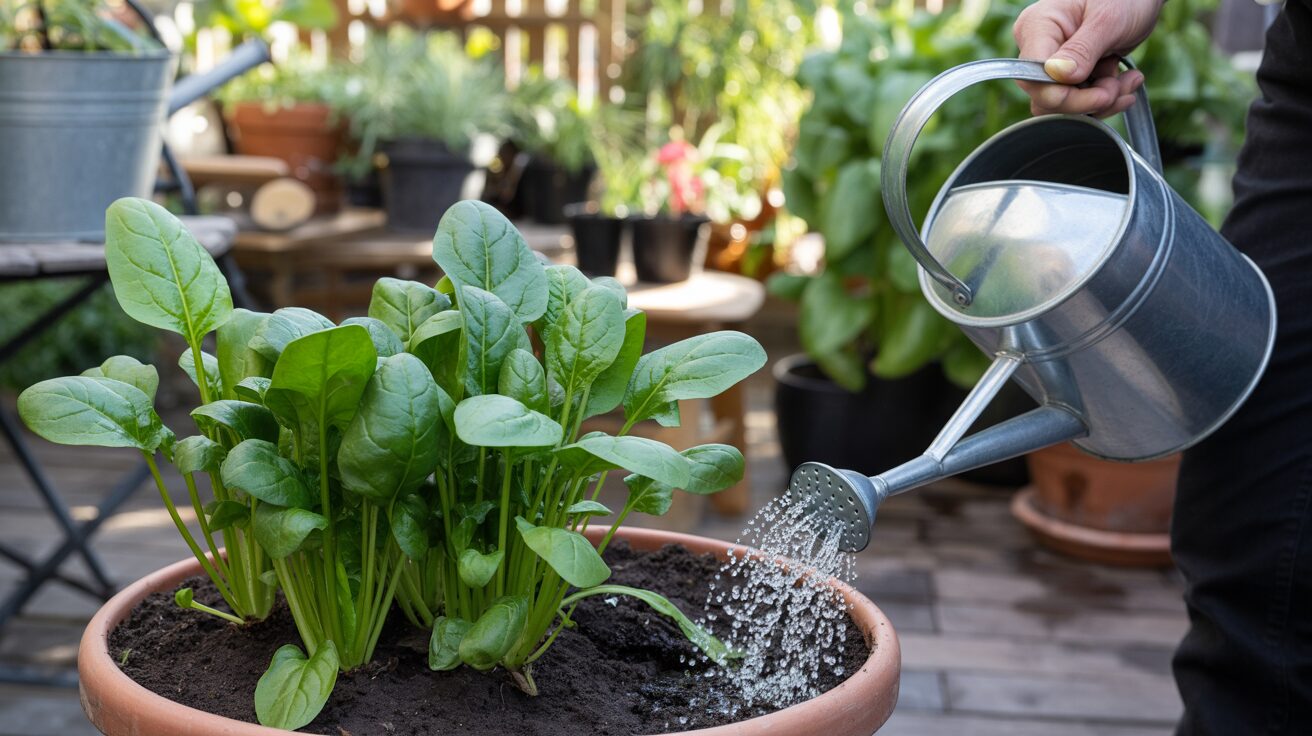
Spinach likes consistent moisture. The soil should be damp but not soaking wet. Check the soil every day. Stick your finger into the top inch. If it feels dry, water. If it feels damp, wait another day. Water gently. Use a watering can with a narrow spout. Pour water onto the soil, not the leaves. Wet leaves can lead to mold.
Drainage is critical. Your pots must have holes in the bottom. Empty the saucer after watering. Do not let the pot sit in standing water.
In winter, you may water less often. Growth slows in cooler temperatures. The soil stays moist longer. Always check the soil before watering. If you are forgetful, consider using a self-watering herb garden . It works for spinach too.
Best Organic Fertilizer for Indoor Spinach
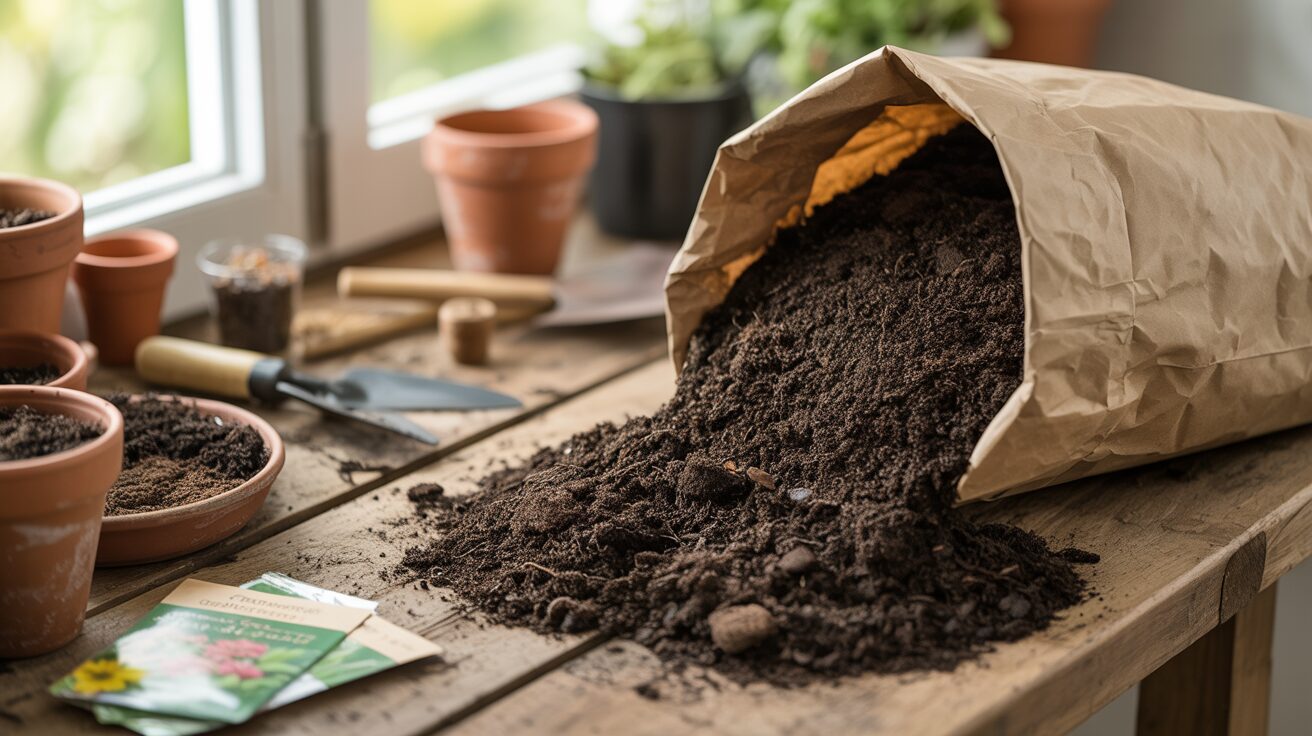
Spinach is a medium feeder. It needs more nutrients than herbs like thyme, but less than heavy feeders like tomatoes. If you use fresh potting mix, you may not need fertilizer for the first 3 to 4 weeks. The mix already contains nutrients. After that, feed every 2 to 3 weeks.
- Use a balanced organic fertilizer with equal amounts of nitrogen, phosphorus, and potassium. Look for numbers like 5-5-5 or 10-10-10. Nitrogen is especially important for spinach. It promotes leafy green growth. A fertilizer with a higher first number (like 10-5-5) works well for leafy greens.
- Mix the fertilizer at half strength. Spinach is sensitive to over-fertilizing. Too much food can cause leaf burn or bitter flavor.
- Compost tea is another excellent option. It is gentle and adds beneficial microbes. You can buy compost tea or make your own.
Troubleshooting Indoor Issues
Even with good care, problems can arise. Here is how to fix them.
Why is My Indoor Spinach Bolting So Fast?
Bolting is when spinach sends up a flower stalk and stops producing leaves. The leaves become bitter. This is the number one frustration for spinach growers.
Common Pests on Indoor Spinach and How to Treat Them
Indoor gardens have fewer pests than outdoor gardens. However, a few bugs can still find their way inside.
- Aphids are tiny green, black, or white insects. They cluster on new growth and the undersides of leaves. Spray them off with a strong stream of water. For persistent infestations, use insecticidal soap or neem oil.
- Fungus gnats are small black flies. They live in damp soil. Their larvae eat roots. Let the soil dry out between waterings. Place yellow sticky traps near your plants. Cover the soil surface with a layer of sand to block egg-laying.
- Spider mites are tiny red or brown dots. They leave fine webbing on the undersides of leaves. Increase humidity around the plant. Spray with neem oil.
Prevention is the best cure. Inspect your plants every few days. Quarantine any new plants before adding them to your indoor garden. For more on identifying pests, see white fuzzy bugs on plants and scales bugs on plants.
Can You Grow Spinach and Lettuce Together Indoors?
Yes, absolutely. Spinach and lettuce are perfect companions. Both are cool-season greens. Both have similar light, water, and temperature needs.
Plant them in the same container or side by side. They do not compete. Lettuce grows slightly faster. Spinach takes a little longer. Together, they give you a continuous harvest of salad greens.
Use a wide container that is at least 6 inches deep. Sow spinach and lettuce seeds in alternating rows. Thin seedlings to 4 inches apart. For more on lettuce, see my guide on grow lettuce indoors.
You now know how to water, fertilize, and troubleshoot your indoor spinach. You also understand how to prevent bolting and deal with pests.
In the final section, I will show you how to harvest spinach so it keeps growing back. I will also share tips for growing spinach without grow lights, plus a detailed FAQ. Keep reading to learn how to get multiple harvests from a single planting.
Harvest and Beyond
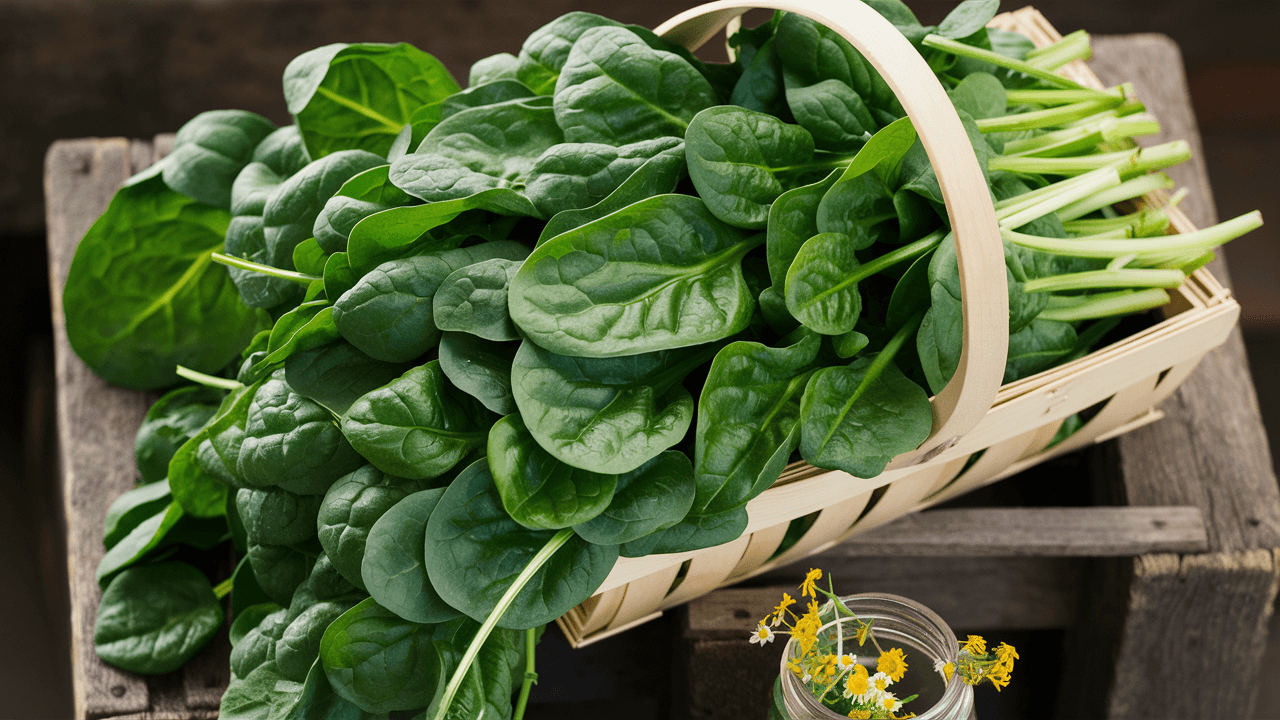
Harvesting correctly is the secret to getting more spinach from each plant.
How to Harvest Indoor Spinach So It Keeps Growing
Spinach is not a one-time harvest. You can pick leaves for weeks using the "cut and come again" method.
Growing Spinach Indoors Without Grow Lights
Can you grow spinach indoors without grow lights? Yes, but with some limitations. A south-facing window is your best option. Place your pots as close to the glass as possible. Clean the window regularly. Dust blocks light.
- In spring and fall, a sunny window may provide 6 to 8 hours of direct sunlight. This is enough for decent growth. Your spinach may grow slower than under lights, but it will survive.
- In winter, a sunny window is often not enough. Days are shorter. The sun is weaker. Your spinach will grow very slowly. It may get leggy.
Tips for window-only growing:
Rotate your pots every few days. This prevents the plants from leaning toward the light. Use reflective material (white board or aluminum foil) behind the pots to bounce light back onto the plants. Keep the window clean. For more indoor growing tips, see indoor container garden.
FAQs About Growing Spinach Indoors
Can I grow spinach indoors year-round?
Yes, with proper temperature control, lighting, and care, you can grow spinach indoors year-round. Winter is actually easier for temperature. Summer may require air conditioning to keep temperatures below 75°F (24°C).
Does spinach regrow after cutting?
Yes, spinach can regrow after cutting if you harvest correctly. Cut the outer leaves first. Leave the inner leaves and the crown. The plant will produce new leaves from the center for several weeks.
Does spinach grow well in pots?
Yes, spinach grows very well in pots. Choose a container that is at least 6 inches deep and 6 inches wide. Make sure it has drainage holes. Use a good quality potting mix.
How much light does spinach need indoors?
Spinach needs 12 to 14 hours of light per day when grown indoors. A sunny window may provide 4 to 6 hours. Therefore, full-spectrum LED grow lights are recommended for best results.
How long does spinach take to grow indoors?
From seed to harvest, spinach takes about 4 to 6 weeks. Baby leaves are ready in 4 weeks. Full-size leaves take 6 weeks.
What size container to grow spinach indoors?
Use a container that is at least 6 inches deep and 6 inches wide. Larger containers (8 to 12 inches wide) allow you to grow multiple plants.
Why is my spinach bolting?
Bolting is usually caused by heat (above 75°F/24°C) or long daylight hours. Keep your indoor garden cool. Use grow lights for 12 to 14 hours (not 16). Harvest regularly.
Can I use regular potting soil for indoor spinach?
Yes, but choose a potting mix, not garden soil. Garden soil is too heavy. It compacts in pots. It may also contain weed seeds or pests. Potting mix is light, sterile, and designed for containers.
Spinach as a Companion Plant
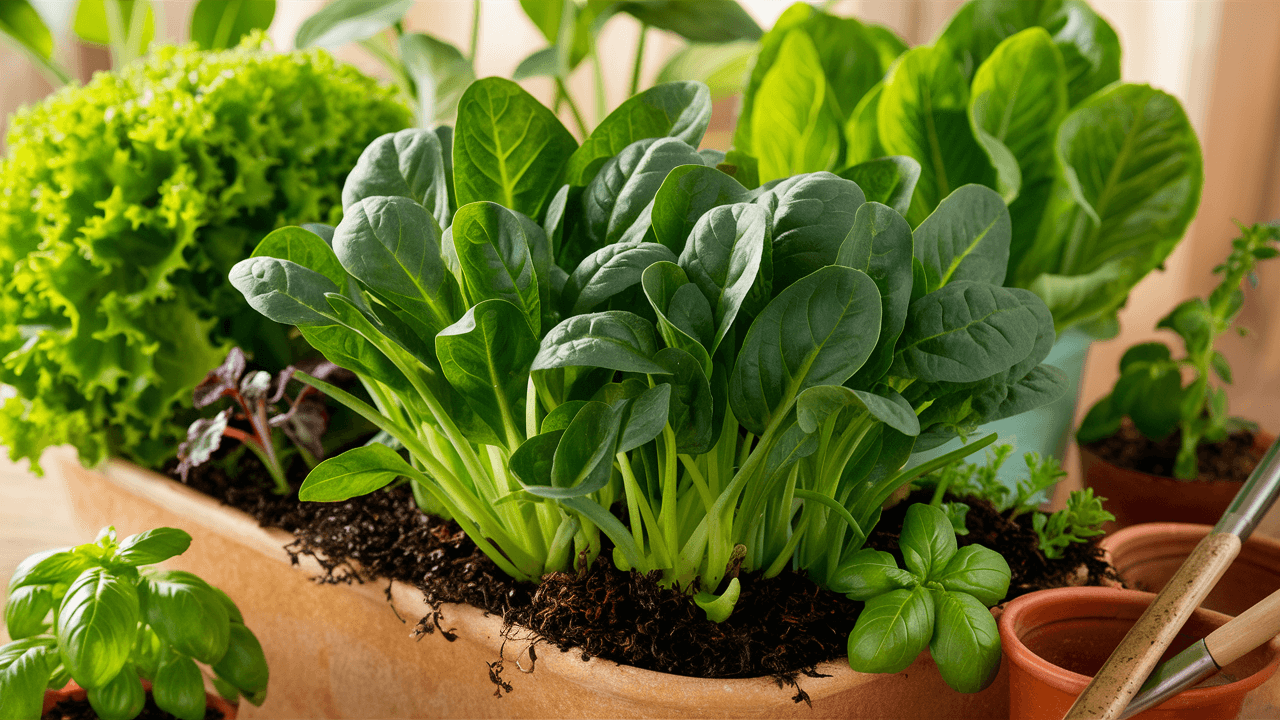
Spinach doesn’t have to grow alone. Pairing it with other indoor-friendly plants can maximize your space and even benefit the spinach.
- Herbs: Basil, dill, and cilantro are great companions for spinach. They have similar light and water needs, and they can all thrive in containers together.
- Lettuce: Lettuce and spinach are both cool-weather crops and can easily share the same pot or growing area.
- Radishes: These quick-growing veggies won’t compete for space and can be harvested before your spinach needs more room.
For more on companion planting, see companion plants for tomatoes , arugula companion plants , and cucumber planting spinach.
Final Tips
You made it to the end. That means you are serious about growing your own spinach. Thank you for reading. Here are my three final tips.
Start with 'Baby's Leaf' spinach. It is the most forgiving variety. It grows fast. It stays small. Perfect for beginners and small spaces.
Use a timer for your grow lights. Spinach needs consistent light. It is easy to forget to turn lights on and off. A cheap outlet timer automates this. Set it for 14 hours on, 10 hours off.
Harvest often. Do not wait for a perfect large leaf. Harvest baby leaves early.
The more you harvest, the more the plant produces. Regular harvesting also prevents bolting. If you are just starting your indoor gardening journey, read my full guide on how to start urban gardening. It covers soil, containers, watering, and everything else a beginner needs.
And if you love growing your own greens, try grow lettuce indoors or growing spinach in hydroponics next.
One more thing before you go...
First, drop a comment below. What is your biggest spinach growing struggle right now? Bolting? Leggy plants? Pests? Or do you have a tip that I missed? I personally reply to every comment within 48 hours.
Second, save this post for later. Pin the printable chart to your Pinterest board. Share this guide with a friend who loves fresh salads. The more people who grow their own food, the better. Now go plant those spinach seeds. Fresh salads are closer than you think.
Happy gardening!
External Link: Check out Better Homes & Gardens and Savvy Gardening for more gardening tips and tricks on growing spinach.
Last Updated on May 9, 2026 by Austine
Thanks for sharing. I read many of your blog posts, cool, your blog is very good.