
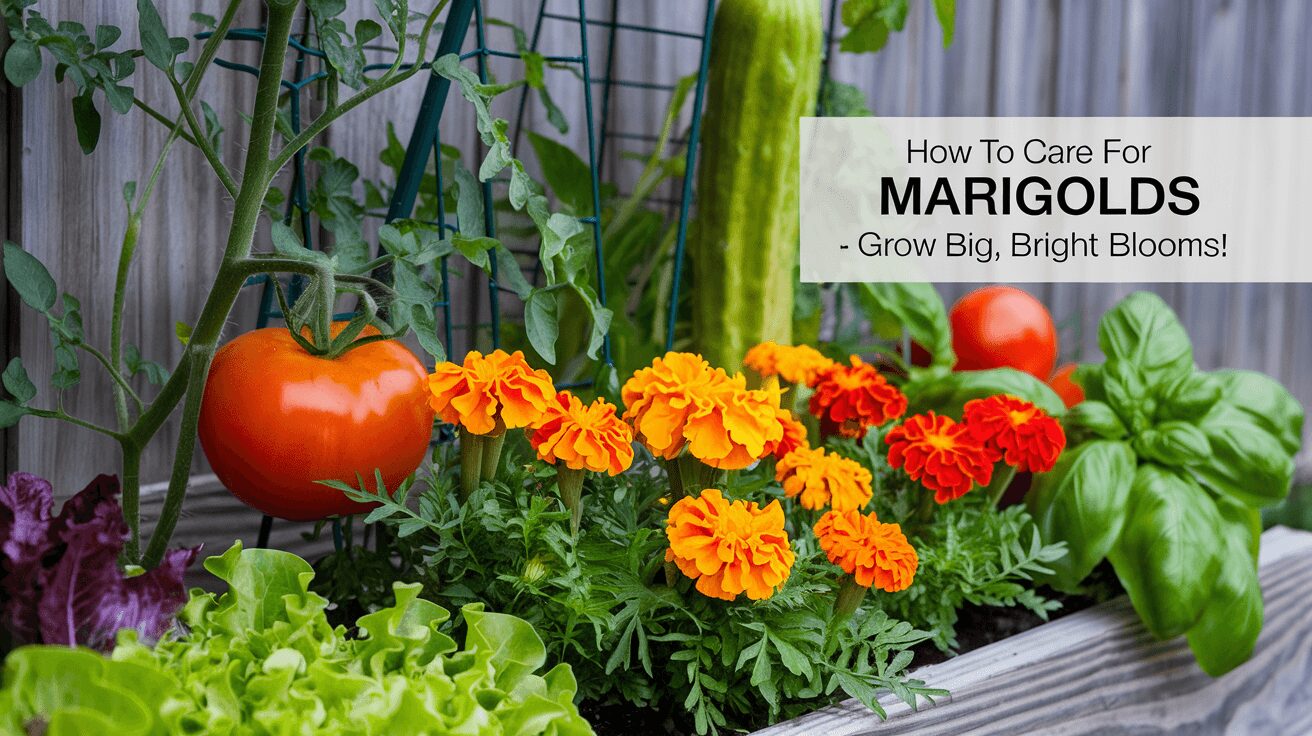
Have you ever bought a bright orange marigold from the store, only to watch it turn sad and droopy a week later? I have been there too. It makes you feel like a bad plant parent.
But the truth is, marigolds are actually very forgiving. You just need to know a few simple tricks. The good news is that caring for marigolds is easier than most people think. These flowers want to thrive for you.
They just need the right start.
In this guide, I will walk you through everything step by step. No fancy gardening degree required. Just a little bit of patience and some sunshine.
Let us start with the basics first. Think of this as your cheat sheet.

Fun fact: marigolds have been used for centuries in religious rituals, medicinal practices, and even as natural pest repellents!
Quick Care Overview (At a Glance)
Before we dig into the details, here is what marigolds need to stay happy. This is your fast answer guide. You can always come back to this table when you are in a hurry.
Need | What Marigolds Want |
Sun Exposure: | At least 6 hours of full sun daily |
Water: | Once ot twice a week, deeply |
Soil: | Well-draining, not soggy |
Soil pH: | Slightly acidic to neutral (pH 6.0-7.0) |
Hardiness Zones: | 2-11 (they are annuals in most places) |
Days to Bloom: | 6 to 8 weeks from seed |
Spread: | French marigolds (8-12 inches); African marigolds (12-18 inches) |
If you only remember two things from this table, remember sun and drainage. Marigolds can survive bad soil. But they cannot survive wet feet. More on that later.
Choosing Your Marigold Variety: African vs. French
When people start caring for marigolds, they often do not realize there are different types. The two most common ones are African and French. Their names can be confusing because both grow just fine in North America. But they look and act very differently.
African marigolds are the tall ones. They can reach up to three feet high. Their flowers are big and puffy, like orange pom-poms. French marigolds stay short and bushy, usually under one foot tall. Their blooms are smaller but they produce way more of them.
So which one should you pick? It depends on where you want to plant.
Growing African Marigolds vs. French Marigolds – Which Is Easier for Beginners?
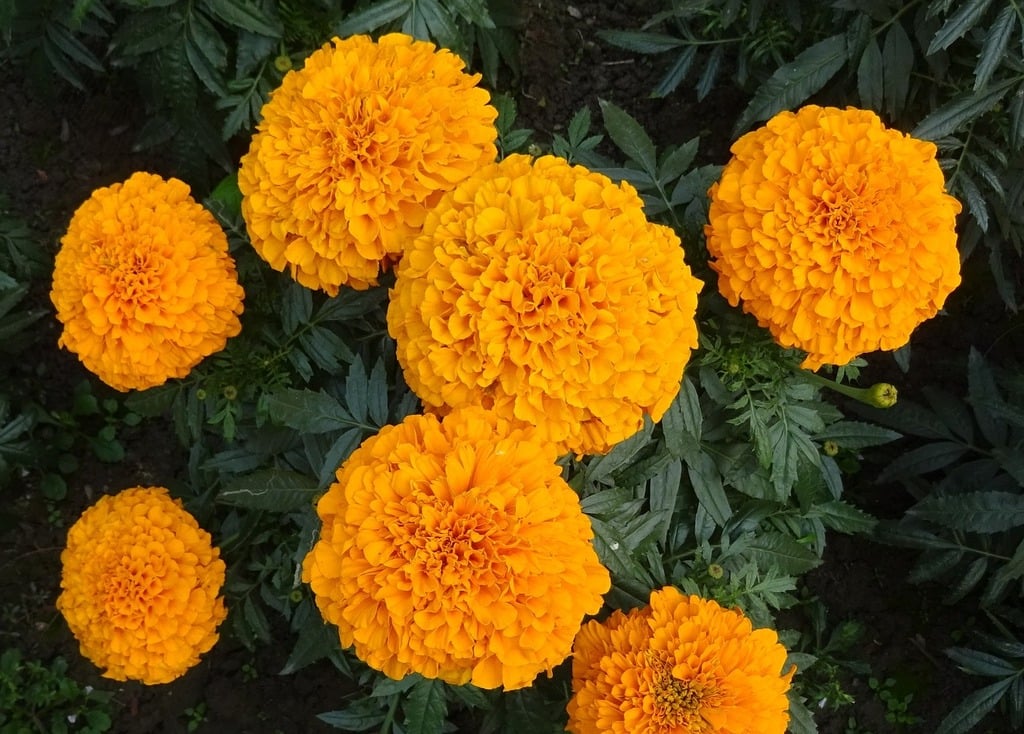
African Marigolds
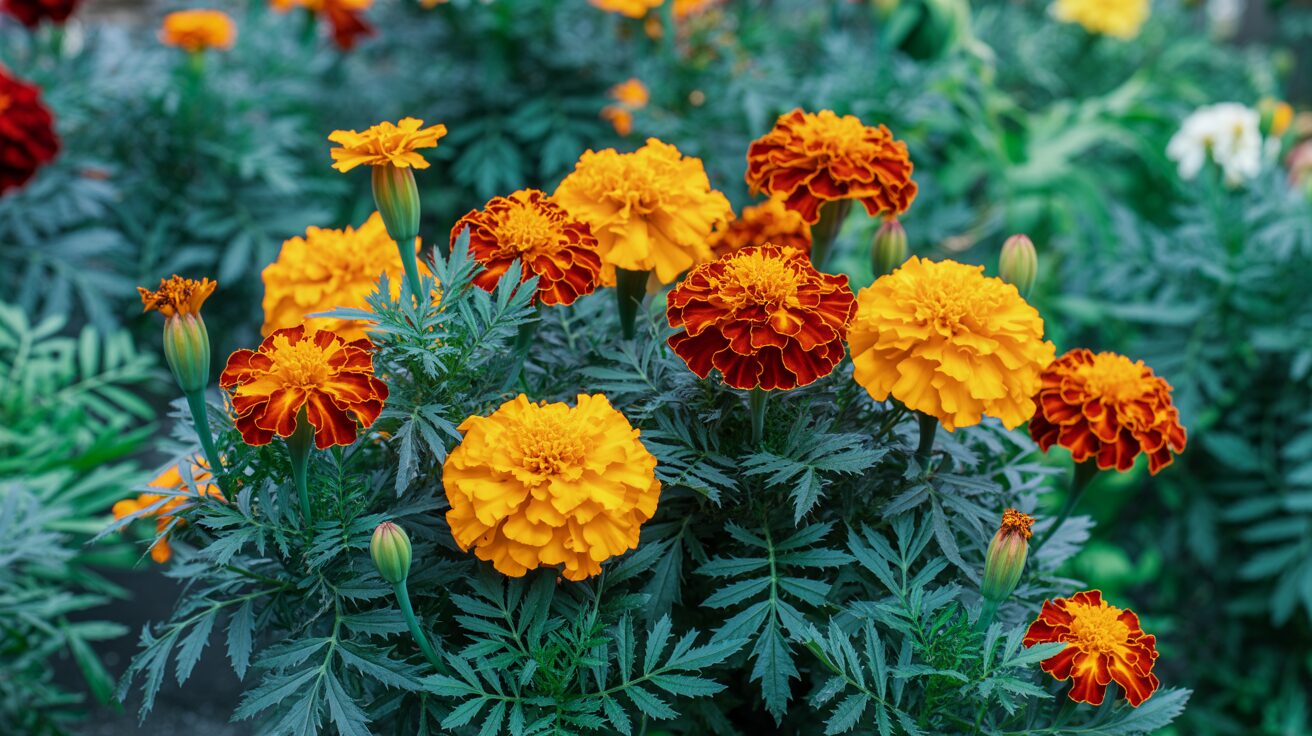
French Marigolds
If you are a beginner, start with French marigolds. They are more forgiving. They handle heat, light drought, and even a little neglect better than their African cousins. French marigolds also bloom faster. You will see flowers in about six weeks from seed.
African marigolds are still easy, but they need more patience. They take longer to bloom, sometimes eight weeks or more. They also need more space. If you plant them too close together, they can get powdery mildew. That is a white, dusty fungus that looks bad and weakens the plant.
Here is my honest advice. If you have a small balcony or grow in containers, choose French marigolds. If you have a large raised bed and want dramatic, dinner-plate sized flowers, try African marigolds. Or plant both. That is what I do. They look beautiful next to each other.
Getting the Foundation Right: Soil, Sun, and Spacing for Healthy Marigolds
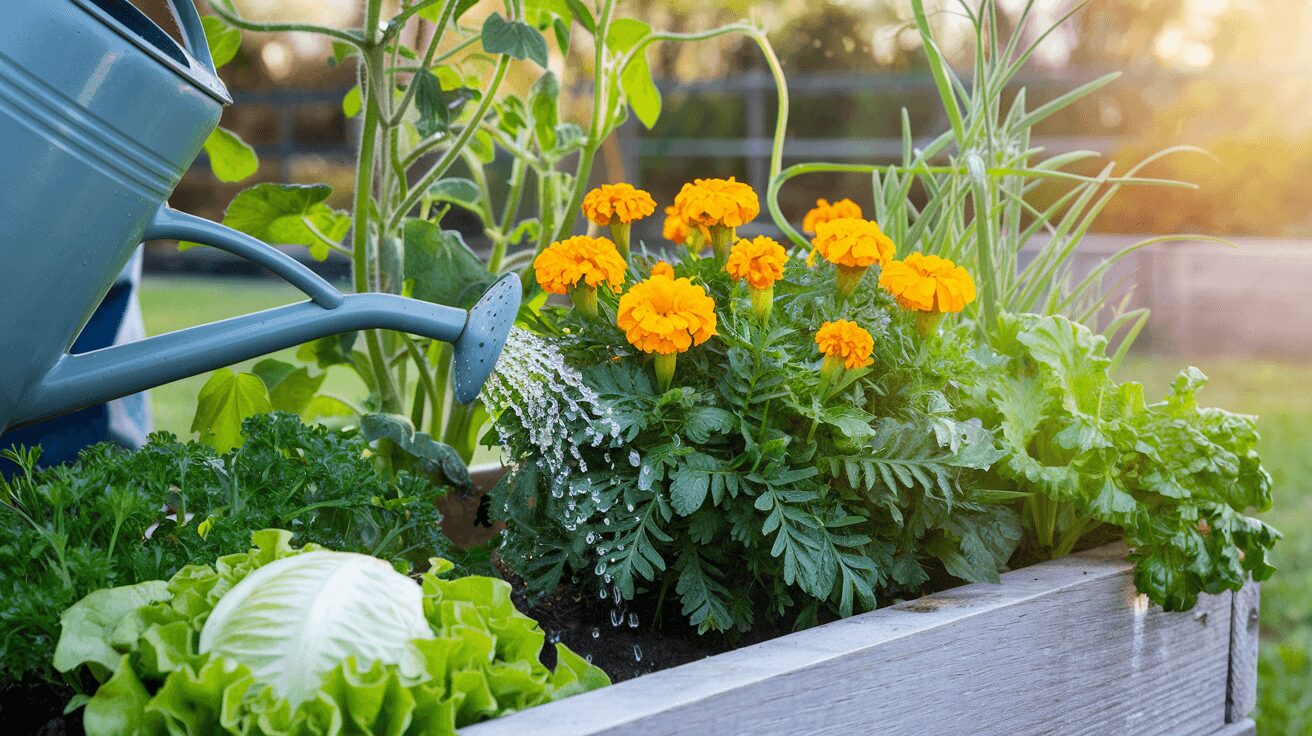
The secret to caring for marigolds starts before you even put a seed in the ground. You need three things right: soil, sun, and spacing. Get these right, and the rest is easy. Get them wrong, and you will fight problems all season.
Let me break down each one simply.
Best Soil pH for Marigold Growth (6.0–7.0)
Marigolds are not picky eaters. They will grow in most soils. But they grow best when the soil pH is between 6.0 and 7.0. That is slightly acidic to neutral. Most garden soil falls into this range naturally, so you probably do not need to worry.
What matters more than pH is drainage. Marigolds absolutely hate sitting in water. Their roots will rot fast if the soil stays wet for too long. If your soil feels heavy and sticky when wet, mix in some sand or compost. This helps water flow through instead of pooling around the roots.
You do not need a fancy test kit to check your soil. Just dig a small hole and fill it with water. If the water is still there after an hour, your drainage is poor. If it drains within ten to fifteen minutes, you are good to go.
Light Requirements: Full Sun vs. Partial Shade
Here is the most important rule for caring for marigolds. They need full sun. That means at least six hours of direct sunlight every single day. Eight hours is even better. Without enough sun, your marigolds will look sad and leggy. Leggy means long, weak stems with very few flowers.
I once planted marigolds on a shady side of my house because I ran out of space. Big mistake. They grew half as tall as usual. They produced maybe three flowers all summer. The plants looked stretched out, like they were reaching for light they could not find.
Do not make that same mistake. Find the sunniest spot you have. A south-facing balcony or an open garden bed works perfectly. If you only have a spot with morning sun and afternoon shade, that is okay but not ideal. Just know your blooms will be lighter than usual.
Spacing Marigolds Correctly to Prevent Mildew
When you are caring for marigolds, spacing is about more than just giving them room to grow. It is about keeping them healthy. Crowded marigolds cannot dry out properly after rain or watering. Wet leaves lead to powdery mildew, a white coating that spreads fast.
See the spacing rules I follow:
- For French marigolds, leave about eight to twelve inches between each plant.
- For African marigolds, give them more room. Space them twelve to eighteen inches apart.
If you are planting in a container,
Consider one French marigold per six-inch pot is plenty. One African marigold needs a ten-inch pot at minimum.
If you accidentally plant them too close, do not panic. You can thin them out. Just snip the smaller, weaker seedlings at the soil line with scissors. Do not pull them out, or you might disturb the roots of the plant you want to keep. Your remaining marigolds will thank you with bigger, healthier blooms.
Now you have your foundation built. You know which marigold variety fits your space. You understand the soil, sun, and spacing rules. In the next section, we will talk about planting. That includes starting seeds indoors versus sowing them directly outside.
But before you move on, take a look at your garden or balcony. Pick the sunniest spot you can find. Clear that space and get it ready. Your marigolds are going to love you for it.Enter your text here...
How to Plant Marigolds: Indoor Start vs. Direct Sowing
Now that you have picked your spot and know your soil, it is time to plant. But here is a question I get asked all the time. Should you start marigold seeds inside your home first? Or can you just throw them right into the ground outside?
The honest answer is that both ways work. Marigolds are not fussy. But each method has its own benefits. The choice really depends on your personality and your schedule. Let me explain both so you can decide what feels right for you.
If you are impatient like me, you might want flowers as soon as possible. If you are more relaxed and do not mind waiting, direct sowing is simpler. Neither way is wrong. I have done both many times.
Starting Marigold Seeds Indoors (6–8 Weeks Before Last Frost)

Starting seeds indoors gives you a head start on the growing season. You get bigger plants earlier. You also get to watch tiny seeds turn into little green babies, which never gets old. But it does take a little more work and supplies. You can also check out my top houseplants to start from seeds
How to Start Seeds Indoors?
Count backward from your area's last spring frost date. You want to start your seeds about six to eight weeks before that day. For example, if your last frost is around May 1st, start your seeds in early to mid March. If you do not know your frost dates, just search online for "frost dates" plus your city name.
You will need a few basic things. Grab some seed trays or small pots. Any container with a drainage hole works, even a yogurt cup with a hole poked in the bottom. Fill them with seed starting mix, not regular garden soil. Seed starting mix is lighter and helps tiny roots grow faster.
Planting Your Seeds
Plant your marigold seeds about a quarter inch deep. That is roughly the thickness of your pinky finger. Cover them lightly with soil. Then gently water them with a spray bottle so you do not wash the seeds away. Marigold seeds are small and easy to lose if you pour water too hard.
This changed everything for me. Marigold seeds love warmth to wake up. If your house is cool, place your seed tray on top of a refrigerator or near a heating vent. Even better, buy a cheap seedling heat mat online. They cost around fifteen to twenty dollars. Your seeds will sprout in just four to five days instead of two weeks.
Keeping the Soil Moist
Keep the soil moist but not soaking wet. You should see little green sprouts in about one week. Once they pop up, move them to a sunny window or under a grow light. Without enough light, your seedlings will get tall and floppy. That is called "leggy," and it makes them weak.
If you do not have a grow light, a bright south facing window can work. Just turn your tray every day so the stems grow straight. Otherwise they will lean toward the sun like tiny sunflowers.
You can also grow marigolds from cuttings, just like many herbs. The process is similar to growing plants from cuttings. Take a 4-inch cutting, remove the lower leaves, and place it in water. Roots usually appear in 7 to 10 days.
Direct Sowing Marigolds Outdoors After Frost
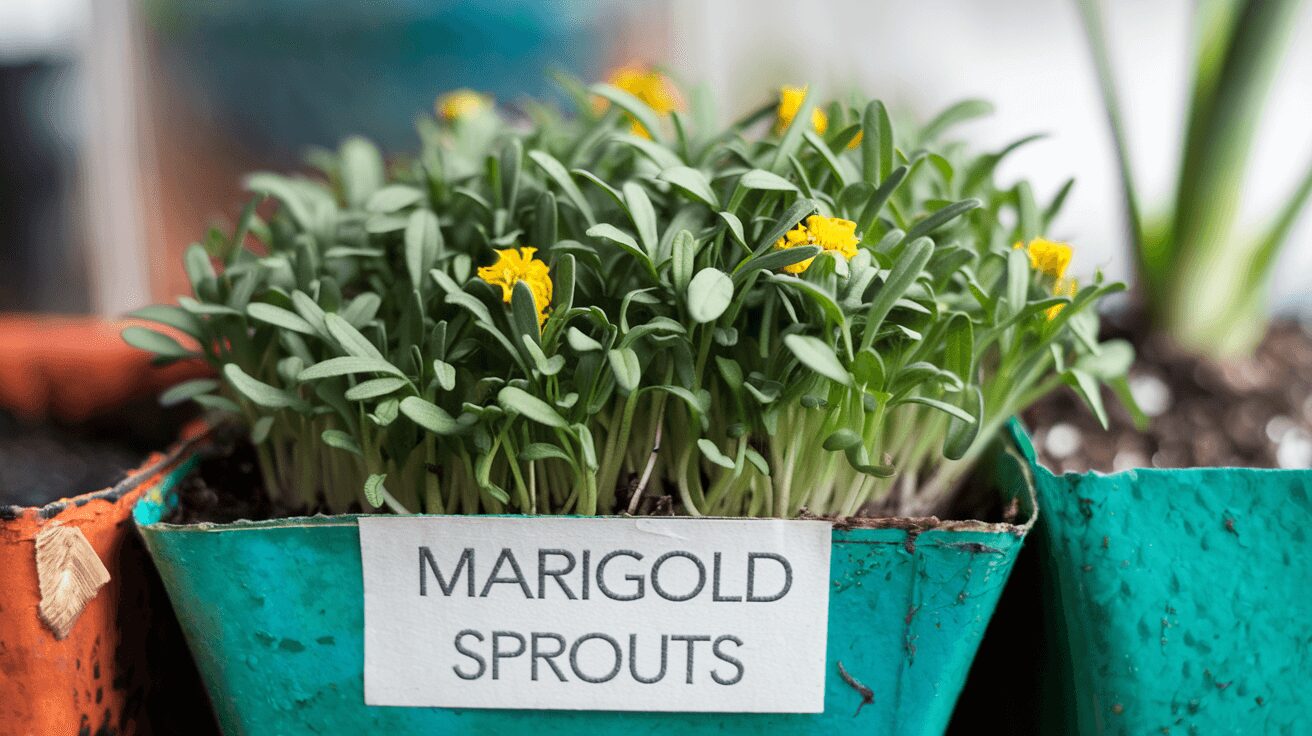
Direct sowing is the lazy gardener's best friend. And I say that with love because I am one of those lazy gardeners sometimes. You simply take your seeds or sprouted marigold seeds outside and put them right into the ground where you want your flowers to grow. No transplanting, no mess, no fuss.
But timing matters here. You must wait until after your last spring frost. Marigolds are warm weather plants. They will die if a freeze hits them as babies. The soil also needs to be warm, at least sixty degrees Fahrenheit. Cold, wet soil will rot your seeds before they ever sprout.
To check if your soil is warm enough, just stick your finger in it. Does it feel like a lukewarm bath? That is about right. If it feels cold like refrigerator air, wait another week or two. Patience pays off here.
Ready to Plant?
When you are ready to plant, loosen the top inch of soil with your hand or a small trowel. Scatter your marigold seeds lightly over the area. Then sprinkle a thin layer of soil on top, no more than a quarter inch deep. Marigold seeds need some light to germinate, so do not bury them too deep.
Water gently with a soft spray setting on your hose nozzle or a watering can with a rose head. You want a mist, not a flood. Keep the soil moist until you see sprouts. This usually takes seven to fourteen days depending on how warm your weather is.
Once your seedlings are about two inches tall and have their first set of true leaves, you will need to thin them out. True leaves are the ones that look like actual marigold leaves. The very first leaves that pop up are called cotyledons, and they look like little round nubs.
Why You Should Thin Your Marigolds?
Thinning sounds mean, but it is actually kind. If you leave too many seedlings crowded together, none of them will grow well. They will compete for light, water, and nutrients. Use small scissors to snip the extra seedlings right at the soil line. Do not pull them out, or you might disturb the roots of the ones you keep. Use small scissors to snip weak seedlings at the soil line rather than pulling
For French marigolds, leave about eight to twelve inches between plants. For African marigolds, leave twelve to eighteen inches. It will feel like too much space at first. But trust me. Your marigolds will fill it in and thank you later.
How Long Do Marigolds Take to Grow from Seed?
This is one of the most common questions I hear from new gardeners. They want to know exactly when they will see flowers. So let me give you a straight answer.
Marigold seeds usually germinate in seven to fourteen days. Germination means the seed splits open and a tiny sprout appears above the soil. From there, it takes about six to eight more weeks for your first flower buds to open. So total time from seed to bloom is roughly eight to ten weeks.
What to Expect If You Start Your Seed Indoors?
If you started your seeds indoors early, your plants will be bigger and bloom sooner after you put them outside. If you direct sowed outside, add a little extra time because outdoor temperatures are less controlled. French marigolds tend to bloom a bit faster than African marigolds. French can flower in as little as six weeks from germination.
Do not worry if your marigolds seem slow at first. They spend early energy growing roots underground. You cannot see that part. But once the roots are established, the top growth explodes. Be patient. The flowers are coming.
How to Pinch Back Marigold Seedlings for Bushier Growth
A pro trick that most casual gardeners do not know about. You can make your marigolds grow fuller and bushier by pinching them. Pinching sounds painful, but the plant loves it. It is like giving your marigold a haircut so it grows more branches.
Wait until your marigold seedling is about four to six inches tall. It should have at least three to four sets of real leaves. Then use your thumb and index finger to pinch off the very top growing tip, just above a set of leaves. You can also use small scissors if fingernails are not your thing.
That is it. By removing the top, you force the plant to send energy sideways instead of straight up. The plant will grow two new branches where you pinched. Those branches will each produce more flowers. You end up with a short, full, flower covered plant instead of a tall, lonely stalk.
How Often to Pinch Back Your Marigold Seedlings?
You only need to pinch once. Do it when the plant is young, and you are done. Some gardeners pinch a second time a few weeks later, but that is optional. I usually just pinch once and then let nature do its thing.
Do not throw away the part you pinched. You can actually stick that tiny cutting in moist soil, and it might grow roots. That is called propagation, but do not worry about that now. Just know that pinching does not hurt your marigold at all. It helps.
You have now planted your marigolds, whether you started them indoors or sowed them outside. You know how to pinch them for bushier growth. You know roughly when to expect your first flowers.
In the next section, we will talk about keeping your marigolds happy day to day. That includes watering, deadheading, and using marigolds as natural pest control. But for now, give yourself a pat on the back. The hard part is done.
Note: If your seeds have not sprouted yet, do not check on them every hour. I know it is hard to wait. I used to dig up my seeds to see if they were doing anything. That only slows them down. Trust the process. Keep the soil moist but not soggy. Your marigolds will show up when they are ready.
Essential Daily & Weekly Care for Vibrant Marigold Blooms

By now, your marigolds are in the ground or in pots. Maybe you started them from seeds indoors. Maybe you sowed them directly outside. Either way, congratulations. The hardest part is behind you.
But caring for marigolds does not stop once they are planted. You need to give them small amounts of attention on a regular basis. Think of it like watering a friendship. A little bit of consistency goes a very long way.
The good news is that marigolds are low maintenance. They do not need constant fussing. You just need to remember three main jobs: deadheading, watering the right way, and not overfeeding. Let me walk you through each one.
How to Deadhead Marigolds (The #1 Trick for Non-Stop Flowers)
Here is the single most important thing you can do for caring for marigolds. Deadhead them. Deadheading just means removing old, spent flowers. It sounds morbid, but the plant actually loves it.
Why does deadheading work? Marigolds bloom because they want to make seeds. Once a flower fades and starts forming seeds, the plant thinks its job is done. It stops making new flowers. But if you remove the old flower before it makes seeds, the plant gets confused. It tries again and makes even more flowers.
Think of it like this. If you keep taking the finished homework off your kid's desk, they keep doing more assignments. Same idea.
How to deadhead marigolds step by step?
- Look for flowers that look brown, crispy, or wilted. They might still have some yellow or orange color, but the petals will look dry and sad.
- Follow the flower stem down to the first set of healthy leaves. You want to cut just above those leaves.
- Use your fingernails or a small pair of scissors. Pinch or snip the stem cleanly. Do not rip or pull, or you might damage the main branch.
- Drop the dead flower heads into a bucket or directly onto your compost pile. Do not leave them on the soil, because old flowers can attract mold or pests.
How often should you deadhead?
During peak blooming season, check your marigolds every three to five days. Spend just five minutes walking around with scissors. You will be shocked at how many new flowers appear within one week.
If you have a big patch of marigolds and deadheading feels overwhelming, do not stress. Just do a quick pass once a week. Even imperfect deadheading is better than none at all. You will still get way more blooms than if you did nothing.
One last tip. Deadhead in the morning when the plants are hydrated. The cuts heal faster. And always clean your scissors between plants if you see any signs of disease. A quick wipe with rubbing alcohol is enough.
How Often to Water Marigolds in Pots vs. Ground
Watering is where most people mess up caring for marigolds. And I include my past self in that group. I either watered too much or forgot entirely. There is a sweet spot, and it is easier to find than you think. You can check my post on DIY self-watering system if you have busy schedule.
The most important rule is this. Marigolds hate wet feet. Wet feet means their roots are sitting in soggy soil for too long. This causes root rot. Root rot is often a death sentence because you cannot see it happening until the plant is already wilting.
Here is the difference between watering marigolds in pots versus in the ground.
Marigolds in pots
For marigolds in pots, they need water more often because the soil dries out faster. Check them every two to three days. Stick your finger one inch into the soil. If it feels dry, water deeply. If it feels damp, wait another day. Pots with drainage holes are non-negotiable. Without holes, you are making a swamp.
Marigolds in the ground
They need water less often. Give them a deep watering about once per week. Sometimes you can go even longer if it rains or if the weather is cool. The goal is to encourage deep roots. Shallow, frequent watering makes weak, surface level roots.
When you water, always water at the base of the plant. Aim for the soil, not the leaves. Wet leaves lead to powdery mildew and other fungal diseases. Hold your hose nozzle or watering can low to the ground. Gentle and low is the way to go.
How much water is "deep watering"?
For potted marigolds, water until you see it running out of the drainage holes. That means the entire root ball is soaked. For marigolds in the ground, give them about one gallon of water per square foot. That is roughly the size of a medium watering can.
Here are the warning signs that you are watering wrong.
- Yellow lower leaves usually mean too much water. The plant is drowning.
- Wilting during the hottest part of the day can be normal. But if the plant is still wilted in the morning, it needs water.
- Brown, crispy edges on leaves often mean not enough water. The plant is thirsty.
- Foul smell from the soil means root rot has started. Stop watering immediately and let the soil dry out completely
When in doubt, underwater rather than overwater. Marigolds are drought tolerant once established. They can bounce back from being too dry. They rarely bounce back from root rot.
Do Marigolds Need Fertilizer?
This might surprise you, but marigolds do not really need fertilizer. In fact, too much fertilizer is bad for them. It makes them grow lots of green leaves but very few flowers. That is the opposite of what you want.
If you planted your marigolds in decent soil, you can skip fertilizer entirely. Decent soil means it is not pure clay or pure sand. Regular garden soil or bagged potting mix is usually fine. The marigolds will find what they need on their own.
There is only one situation where fertilizer helps. If you are growing marigolds in a small pot with old potting soil, the nutrients might run out after a few weeks. In that case, use a balanced fertilizer at half strength. Look for numbers like 10-10-10 on the label. That means equal amounts of nitrogen, phosphorus, and potassium.
Getting the Right Fertilizer Mixture
Mix the fertilizer at half the strength the package recommends. So if it says one tablespoon per gallon, use half a tablespoon. Then feed your marigolds every four to six weeks. That is plenty.
Never use high nitrogen fertilizer on marigolds. High nitrogen products are often labeled for lawns or leafy greens. They will give you a big, bushy plant with almost zero flowers. You will feel frustrated and confused. Trust me, I have made this mistake.
Here is a simple rule for fertilizing marigolds.
- No fertilizer is usually the right answer.
- Half strength, every 6 weeks if your potting soil is old or poor.
- Never high nitrogen unless you only want leaves.
If you want to give your marigolds a little boost without chemicals, use compost. Sprinkle a thin layer of compost around the base of the plant once a month. Water it in. The compost releases nutrients slowly and safely. You cannot really overdo it with compost.
Using Marigolds as a Natural Pest Shield in Your Garden
Now let me tell you about my favorite part of caring for marigolds. They are not just pretty faces. Marigolds are like tiny bodyguards for your vegetable garden. They protect your tomatoes, peppers, and cucumbers from pests. And they do it for free.
How do marigolds fight pests? Their roots release a natural chemical into the soil. That chemical repels tiny worms called nematodes. Nematodes attack vegetable roots underground. You never see them, but they cause stunted growth and low harvests.
Marigold leaves and flowers also have a strong smell. Some insects hate that smell. Whiteflies, aphids, and even mosquitoes stay away. So planting marigolds near your vegetables is like putting up a "no bugs allowed" sign.
Let me show you two specific ways to use marigolds as pest control.
Companion Planting Marigolds with Tomatoes and Peppers
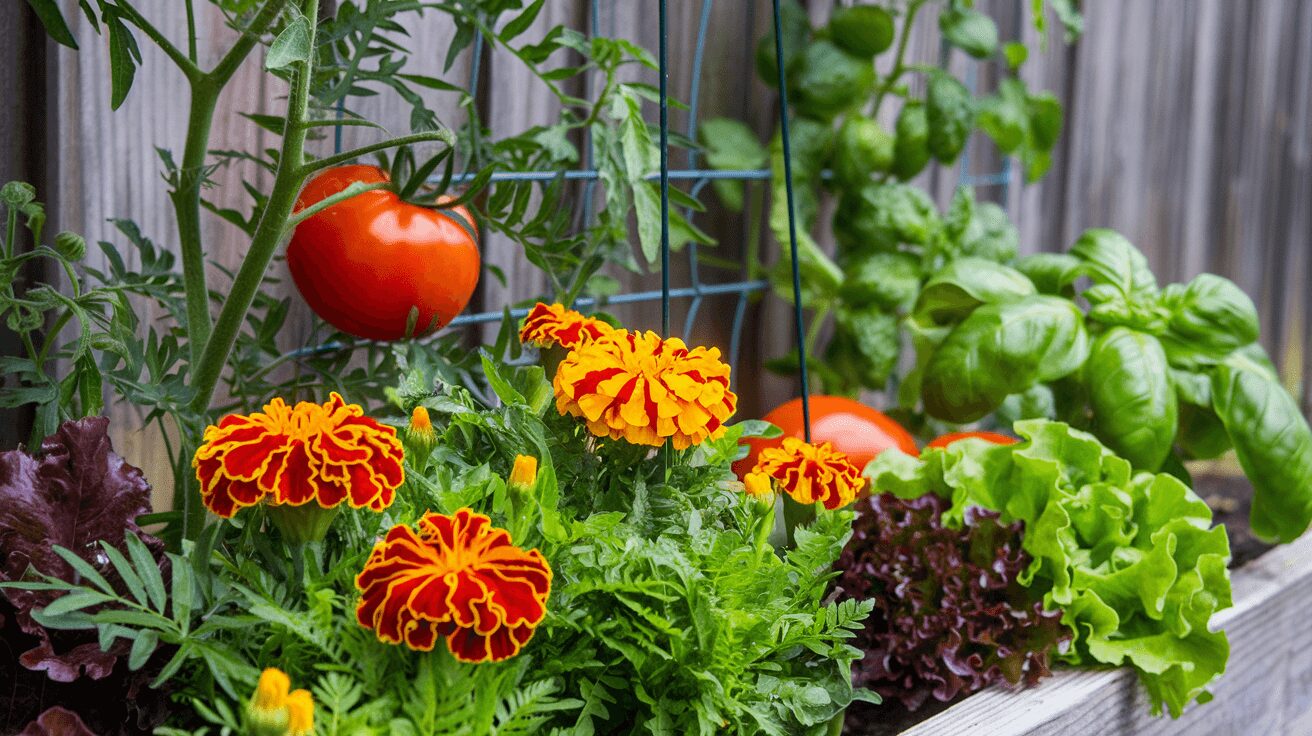
Companion planting is a fancy term for putting plants next to each other because they help each other grow. Marigolds and tomatoes are best friends in the garden world. Same with marigolds and peppers. For more details, check out my full guide on companion plants for tomatoes
See how you achieve your companion planting with marigolds.
- Plant French marigolds around the edges of your tomato bed. French varieties seem to work better than African for pest control. Space them about eight to ten inches apart.
- Tuck marigolds directly between your pepper plants. One marigold for every two pepper plants is a good ratio. The marigolds fill the empty space and look beautiful.
- Do not plant marigolds right up against the stem of your vegetables. Leave a few inches of breathing room so both plants get good air flow.
What pests do marigolds chase away? They are best known for repelling root knot nematodes. These microscopic worms cause ugly bumps on tomato roots. Marigolds also help with whiteflies, which are tiny white bugs that swarm under leaves.
One warning. Marigolds attract spider mites in hot, dry weather. Spider mites are bad. So check your marigold leaves regularly. If you see fine webbing or tiny red dots, your marigolds are in trouble. Treat them with neem oil right away. Do not let the mites spread to your vegetables.
Marigolds as a Trap Crop for Slugs and Beetles
Here is a clever trick that most gardeners do not know about. You can use marigolds as a sacrifice. That sounds harsh, but let me explain.
A trap crop is a plant that you put in your garden specifically to attract pests. The pests go to the trap crop instead of your vegetables. Then you can remove the pests easily. Marigolds are excellent trap crops for slugs, snails, and Japanese beetles.
How you should set up a trap crop with marigolds:
- Plant a few marigolds about three to five feet away from your main vegetable bed. Put them closer to where slugs and beetles hide, like near a fence or under a tree.
- Check those sacrificial marigolds every morning. Slugs and beetles are most active at night. In the morning, you will find them resting on or under the marigold leaves.
- Pick the pests off by hand. Wear gloves if slugs gross you out. Drop them into a bucket of soapy water to kill them. Or just knock them onto the ground for birds to eat.
- Do not spray pesticides on your trap crop. The whole point is to attract pests to one spot. If you kill them there, you are still protecting your vegetables.
French marigolds work best as trap crops. They are shorter and closer to the ground where slugs live. African marigolds are too tall and not as appetizing to slugs.
You might feel bad about sacrificing a few marigolds. I understand. But here is the truth. Your marigolds will survive some slug damage. They grow fast and bounce back. Meanwhile, your vegetables stay safe and productive. It is a fair trade.
You now know how to keep your marigolds blooming nonstop. You understand watering for pots versus ground. You learned that fertilizer is usually not needed. And you discovered how marigolds can protect your vegetable garden.
Quick Check
But for now, go outside and check your marigolds. Do they need deadheading? Is the soil too wet or too dry? Do you see any pests? A five minute walk through your garden today will save you hours of trouble later.
Remember that caring for marigolds is supposed to be fun, not stressful. If you forget to deadhead for a week, your marigolds will forgive you. They are tough little plants. You have got this.
In the final section, we will talk about what to do when things go wrong. That includes yellow leaves, spider mites, powdery mildew, and other common problems. We will also cover how to save marigold seeds for next year. And I will answer the most frequently asked questions.
Troubleshooting Common Marigold Problems (Leaves, Pests, Diseases)
Let us be honest for a moment. No matter how well you follow caring for marigolds, something will eventually go wrong. That is just gardening. Every single gardener, even the experts, loses plants sometimes.
The good news is that most marigold problems are fixable. You just need to spot them early. Think of yourself like a plant doctor. You look at the symptoms, figure out the cause, and prescribe the right treatment.
I have made every mistake in this section myself. Yellow leaves, brown spots, moldy flowers, you name it. So do not feel bad if your marigolds look a little sad right now. Let us fix them together.
Why Are My Marigold Leaves Turning Yellow or Brown?
Leaf color changes are your marigold's way of crying for help. The specific color and pattern tell you exactly what is wrong. You just need to learn the language.
Here are the most common leaf problems and what they mean.
- Yellow leaves at the bottom of the plant are usually normal aging. The lowest leaves turn yellow and fall off as the plant grows taller. This is not a problem. Just pinch them off and move on.
- Yellow leaves all over the plant usually mean too much water. Your marigold's roots are drowning. Stop watering immediately. Let the soil dry out completely before you water again. If the plant is in a pot without drainage holes, repot it now.
- Yellow leaves with brown, crispy edges often mean the opposite problem. The plant is thirsty. Give it a deep watering right away. Then check the soil every day until it recovers.
- Brown spots on leaves can mean a fungal disease. This happens when water sits on the leaves too long. Cut off the spotted leaves with clean scissors. Then start watering at the base of the plant only.
- Leaves turning purple or red usually mean the weather is too cold. Marigolds are warm weather flowers. If a late cold snap hits, cover your plants with an old bedsheet overnight. They will bounce back when it warms up.
The most important tip I can give you is this. Do not panic. Leaves can look terrible but the plant can still recover. Focus on fixing the cause, not just trimming the symptoms. And always start with the simplest solution first. Usually that means adjusting your watering.
Signs of Overwatering Marigolds (Root Rot)
Overwatering is the number one killer of marigolds. I know because I have killed more marigolds this way than I want to admit. It feels like you are being kind by giving them lots of water. But marigolds prefer to be a little thirsty.
How do you know if you are overwatering? Look for these warning signs.
- The plant looks droopy even though the soil is wet. This is different from underwatering. An underwatered plant has dry soil. An overwatered plant has wet soil but still looks sad.
- The lower leaves turn yellow and feel mushy, not crispy. Mushy means rot. Crispy means dry.
- You see mold or fungus growing on the surface of the soil. That is a sign of constant moisture.
- The plant smells bad, kind of like a swamp or old vegetables. That is root rot smell.
- The stems near the soil line look soft or black. This is the final stage. At this point, the plant is probably gone.
Poor drainage is another common problem, especially in pots. If your marigold soil stays wet for days, you may need to change your potting soil. Learn more about choosing the right potting soil for container plants. Look for soil that feels light and crumbly, not heavy and sticky.
If you catch overwatering early, here is how to save your marigold
Stop watering immediately. Do not give it another drop until the soil is dry several inches down. If the plant is in a pot, move it to a sunny, breezy spot. The sun and wind will help dry out the soil faster.
If the soil stays wet for more than a week, you need to repot. Gently take the marigold out of its pot. Shake off as much wet soil as you can. Look at the roots. Healthy roots are white or tan. Rotten roots are brown, black, or mushy. Cut off any rotten roots with clean scissors. Then repot in fresh, dry potting mix. Do not water for at least three days.
For marigolds in the ground:
You cannot really repot. Instead, stop watering and hope for sun. If the area stays wet because of bad drainage, you may need to dig up the plant and move it to a raised bed or a pot. That is a lot of work, but it is better than watching the plant die.
The hard truth I had to learn. Sometimes you cannot save an overwatered marigold. Root rot spreads fast. If more than half the roots are rotten, let the plant go. Throw it in the compost. Learn from what happened. Next time, use better draining soil or water less often. That is how you become a better gardener.
Natural Pest Control for Spider Mites and Aphids on Marigolds
Even when you are doing everything right with caring for marigolds, pests can still show up. They are not your fault. Pests are just part of gardening outdoors. The key is to catch them early before they take over.
Here are the two most common pests on marigolds and how to handle them naturally.
Spider Mites
Spider mites are tiny red or brown dots. They are so small you might need a magnifying glass to see them. But you will notice their damage first. The leaves will look speckled with yellow or white dots. Then you will see fine, silky webbing between leaves and stems.
Spider mites love hot, dry weather. They spread fast in dusty conditions. Follow this step to fight them effectively.
- Blast your marigolds with a strong spray of water from a hose. Focus on the undersides of leaves where mites hide. Do this every other day for a week. Mites hate moisture and will wash away.
- Mix one teaspoon of neem oil with one quart of warm water. Add a few drops of dish soap. Shake well. Spray the entire plant, especially under the leaves. Do this in the evening so the sun does not burn wet leaves.
- Increase humidity around your marigolds. Mist them with plain water on hot afternoons. Spider mites cannot reproduce well in humid conditions.
Aphids
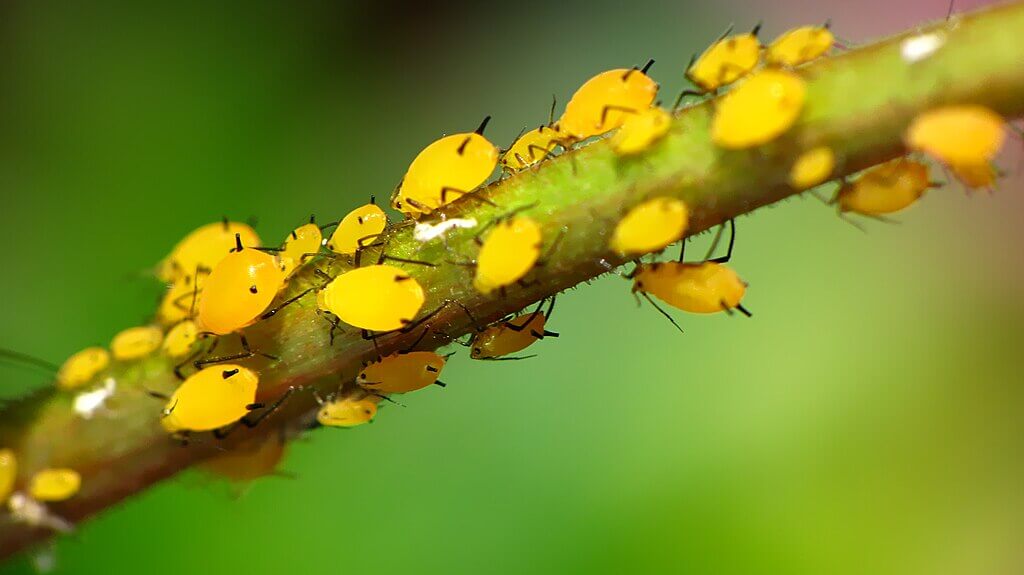
Aphids are small, soft bodied insects. They can be green, black, brown, or even pink. You will usually find them clustered on new growth, flower buds, and the undersides of leaves. They suck plant sap and leave behind a sticky residue called honeydew.
Easy hacks to handle aphids naturally:
- Squish them with your fingers. Wear gloves if it grosses you out. This sounds weird, but it works. One quick squish kills dozens of aphids at once.
- Spray them off with a strong stream of water. Aphids have weak legs. They cannot hold on against good water pressure. Do this every morning for three days.
- Invite ladybugs to your garden. You can buy live ladybugs online or at garden centers. Release them at sunset near your infested marigolds. A single ladybug eats fifty aphids per day.
- Make a homemade soap spray. Mix one tablespoon of mild liquid soap with one quart of water. Spray directly on the aphids. The soap dissolves their soft bodies. Rinse the plant with plain water after an hour.
Never use chemical pesticides on marigolds that you plan to eat or use as companion plants. Chemical sprays kill good bugs too. They also harm bees and other pollinators. Natural methods take a little more time, but they are safer for you and your garden.
How to Treat Powdery Mildew on Marigolds
Powdery mildew looks exactly like its name. It appears as white or gray powder on the leaves and stems. At first it looks like someone dusted your marigolds with flour. Then it spreads and covers the whole plant.
Powdery mildew loves humid weather. It also loves crowded plants with poor air flow. If you planted your marigolds too close together, this is more likely to happen.
Do these to treat powdery mildew once you see it.
- Remove the worst affected leaves immediately. Put them in a trash bag, not your compost. Compost can spread the spores to other plants.
- Water only at the base of the plant. Stop using overhead sprinklers completely. Wet leaves make mildew worse.
- Improve air flow around your marigolds. Use scissors to thin out crowded stems. Remove any weeds or nearby plants that block wind.
- Make a milk spray. Mix one part milk with two parts water. Spray it on the leaves every five to seven days. Scientists are not sure why, but milk kills powdery mildew. It works better than many store bought fungicides.
- If the mildew keeps coming back, try baking soda. Mix one tablespoon of baking soda with half a teaspoon of liquid soap in one gallon of water. Spray weekly. The baking soda changes the pH on the leaf surface, which stops the mildew from growing.
Can you save a marigold that is completely covered in powdery mildew?
Probably not. If more than half the leaves are white, pull the plant out. Throw it away in the trash. Do not compost it. Then clean your scissors with rubbing alcohol before using them on other plants.
To prevent powdery mildew next time, give your marigolds more space. Water in the morning so leaves dry before night. And choose mildew resistant varieties if this keeps happening to you. French marigolds are more resistant than African marigolds.
Saving Marigold Seeds for Next Year (Free Plants Forever)
This is my favorite part of caring for marigolds. You do not need to buy new seeds every spring. One marigold plant can give you hundreds of seeds for next year. That is free gardening at its best.
Saving seeds also feels magical. You take a dry, dead flower head and crack it open. Inside are dozens of tiny seeds, each one holding a whole new plant for next summer. It never gets old.
The best time to save marigold seeds is at the very end of the growing season. Wait until the flowers have completely died and turned brown and crispy. The petals will be long gone. What remains looks like a little brown pom pom.
How to Save Marigold Seeds from Dried Flower Heads
Follow these steps to save marigold seeds successfully.
- Pick a dry, sunny day to collect your seeds. Do not collect after rain. Wet seeds can grow mold during storage.
- Find a dried flower head on your marigold plant. It should be brown, crunchy, and fall apart easily when you touch it. If it is still green or soft, leave it on the plant for another week.
- Pinch the dried flower head between your fingers over a bowl or a piece of white paper. Gently crush it. You will see two things fall out. One is dark brown or black pieces that look like tiny twigs. The other is white and black striped pieces that look like tiny paintbrushes.
- The seeds are the white and black striped pieces. They are about a quarter inch long. One end is white and fluffy looking. The other end is black and pointy. That white fuzzy part is not a root. It is just part of the seed.
- Separate the seeds from the brown flower debris. You do not need to be perfect. A little bit of brown crumb is fine. Just remove big chunks of stem and leaf.
- Let the seeds air dry for a few more days. Spread them on a paper plate or a coffee filter. Keep them out of direct sun and away from humidity.
- Store your dried marigold seeds in a paper envelope. Label the envelope with "Marigold Seeds" and the year. Do not use plastic bags. Plastic traps moisture. Moisture kills seeds.
- Keep the envelope in a cool, dark, dry place. A drawer in your bedroom works great. Do not store seeds in the refrigerator or garage. Refrigerators are too humid. Garages get too hot.
How long do marigold seeds last?
If you store them correctly, they will stay good for two to three years. But they germinate best when they are fresh. Try to use your saved seeds the following spring. If you have extra, give them away to gardening friends.
One last seed saving tip. Only save seeds from marigolds that you loved. Did a certain plant bloom earlier than the others? Did one plant resist mildew better? Those are the seeds you want. You are basically breeding your own custom marigolds over time. How cool is that?
Frequently Asked Questions About Caring for Marigolds
I answer a lot of gardening questions from readers. These are the ones that come up again and again about marigolds. I have kept the answers short and direct so you can find what you need fast
How do you keep marigolds blooming all summer?
Deadhead every three to five days. That is the secret. Every time you remove a spent flower, the plant makes two more. Also make sure your marigolds get at least six hours of sun. Too much shade means fewer blooms. And do not over fertilize. Too much nitrogen gives you leaves, not flowers.
Can marigolds grow in shade?
Not really. Marigolds need at least six hours of full sun every day. In partial shade, they will grow tall and leggy with very few flowers. In deep shade, they will probably die. If your garden is mostly shaded, consider growing impatiens or begonias instead. They love shade. Marigolds do not.
Do marigolds grow back every year?
No, marigolds are annuals in most climates. That means they live for one growing season and then die after the first hard frost. However, they do self seed easily. If you leave the dead flowers on the plant in fall, the seeds will drop to the ground. New marigolds might pop up on their own next spring. But the original plant will not come back.
How do I make my marigolds bushy instead of tall?
Pinch them when they are young. Wait until your marigold seedling is about four to six inches tall. Then use your thumb and finger to pinch off the very top growing tip. That forces the plant to grow sideways instead of straight up. One pinch is usually enough. Do this early, and you will get a short, full, flower covered plant.
Why are my marigold flowers small this year?
Small flowers usually mean one of three things. First, not enough sun. Move your marigolds to a brighter spot next year. Second, too much nitrogen. Stop using lawn fertilizer near your marigolds. Third, your marigolds might be French varieties. French marigolds naturally have smaller flowers than African marigolds. There is nothing wrong with them. They are just different.
Final Tips from an Urban Gardener (Plus What to Do Next)
You made it to the end. That means you really care about caring for marigolds. And your marigolds are lucky to have you.
Before you go, here are my final three tips for success.
- First, be patient with yourself. Every brown leaf or bug infestation is a lesson, not a failure. I have been gardening for years and I still kill plants sometimes. It happens to everyone.
- Second, keep a small notebook or a note on your phone. Write down what worked and what did not. Did the French marigolds in the west facing window do better than the African ones in the raised bed? Write it down. Future you will be so grateful.
- Third, share what you grow. Marigolds are cheerful flowers. Cut a small bouquet and give it to a neighbor. Bring some blooms to a friend who is having a hard day. Gardening is good for the soul, but sharing your garden is even better.
If you found this guide helpful, leave a comment below. Tell me about your marigolds. What variety are you growing? What problems did you solve? I read every comment, and I answer as many as I can.
Happy gardening, friend. Your urban green space is going to look amazing.
Keep Growing Your Urban Garden
Want to learn more? Here are four related guides from my garden to yours.
Read Next:
How to Start Urban Gardening – The complete beginner’s guide for small balconies and tiny spaces.
Companion Plants for Tomatoes – See which other plants love growing next to tomatoes.
Growing Basil from Cuttings – Another easy way to multiply your herbs for free.
White Fuzzy Bugs on Plants? Here’s Help
See you in the next post!
Still got some energy? Check out University of Minnesota Extension and Almanac for more gardening tips and tricks growing and caring for marigolds.
Last Updated on April 27, 2026 by Austine