
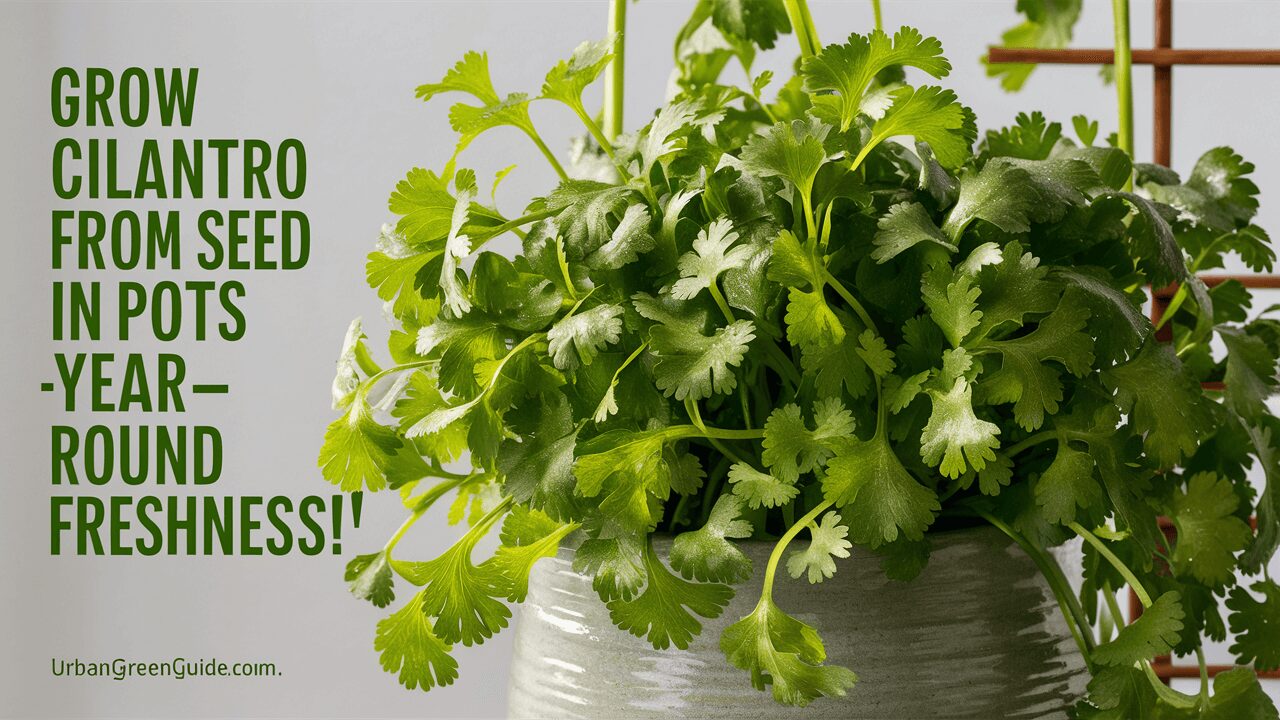
Fresh cilantro is a kitchen staple, but many gardeners struggle with seeds that won't sprout or plants that flower too soon. Understanding the nuances of growing cilantro from seed is the only way to ensure a steady supply of tangy leaves. Whether you’re growing cilantro from seed in pots for beginners or curious about growing cilantro from coriander seeds from the grocery store, the process starts with proper preparation.
Cilantro seeds take 7 to 20 days to germinate. Plant them 1/4 inch deep in well-draining soil. For best results, soak seeds for 24-48 hours before planting to speed up germination. Keep soil moist but not waterlogged.
From soaking cilantro seeds before planting for faster growth to choosing the best time to plant cilantro seeds for summer harvest, timing and technique are everything.
In this guide, we’ll cover how deep to plant cilantro seeds, the tips for sowing cilantro seeds to prevent bolting, and even how to grow cilantro from seed indoors in winter. Say goodbye to store-bought bunches and hello to a thriving, home-grown herb garden. Keep reading for the complete step-by-step guide, including indoor growing, container tips, and seed saving.
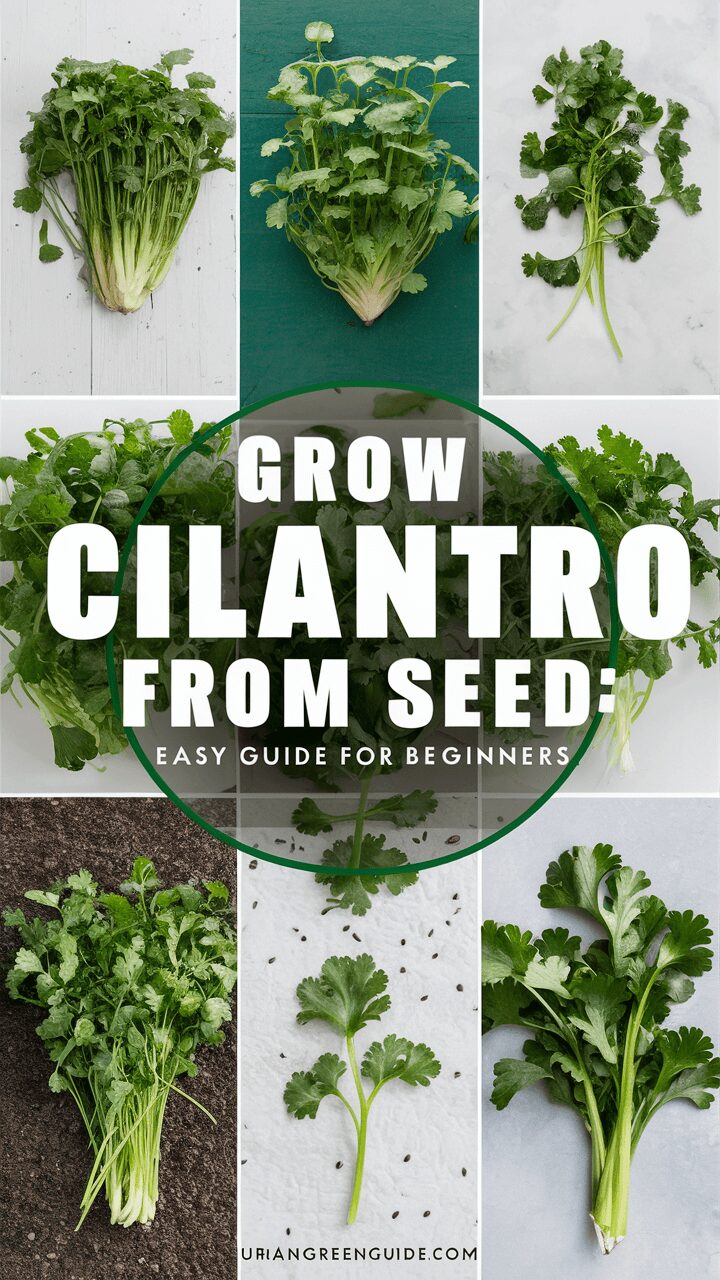
Understanding the Lifecycle of Cilantro
Have you ever bought a bunch of cilantro from the store, only to find it wilted and sad two days later? I have been there too. It is frustrating. You want that fresh, citrusy flavor for your salsa or curry, but the herb just does not last.
The good news is that growing cilantro from seed is surprisingly easy. You can have fresh leaves right outside your kitchen door. Or even on your windowsill.
Before we get into the how, let me clear up a common confusion. Cilantro and coriander come from the same plant. The leaves are called cilantro. The seeds are called coriander. Many people do not realize this. They think they are buying two different plants. But nope. Same plant, two different parts.
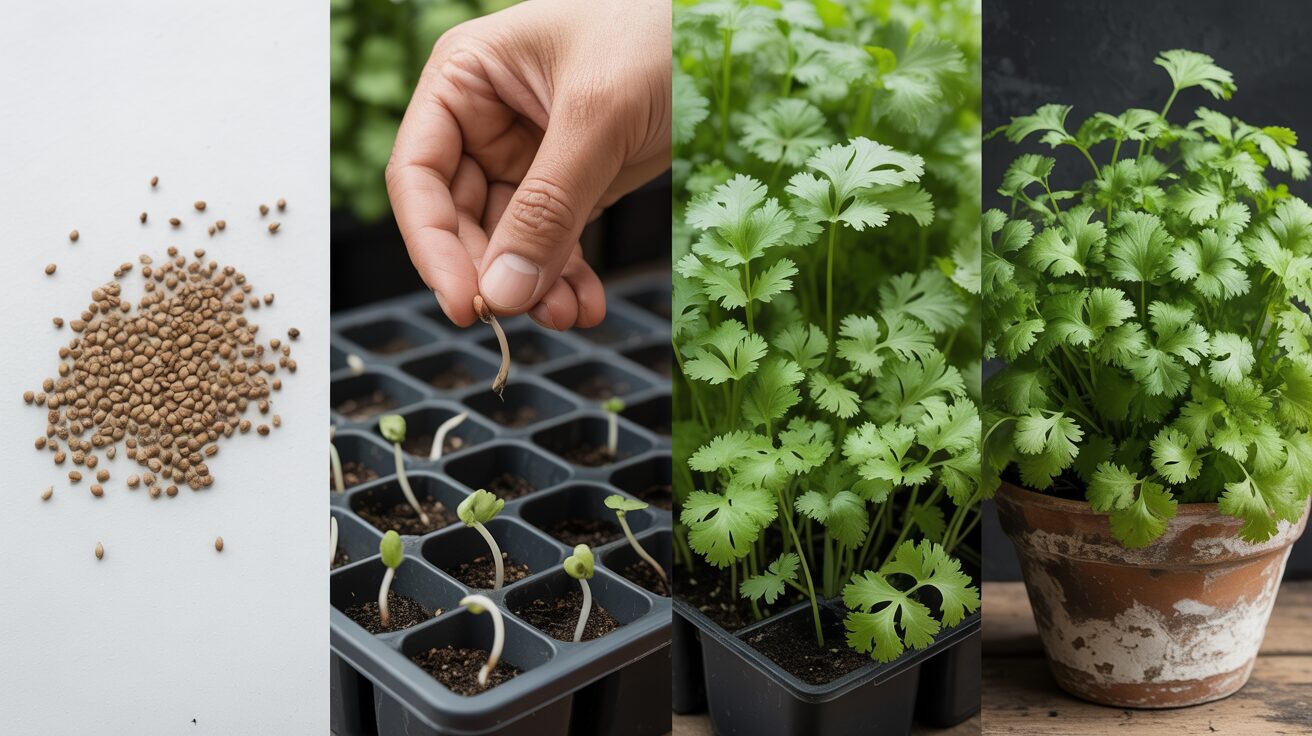
When you grow cilantro from seed, you are actually planting coriander seeds. Those little round balls you buy at the garden center? Those are coriander. They will sprout into cilantro leaves first. Then, if you let the plant keep growing, it will eventually produce more coriander seeds. For more on starting plants the right way, check out my guide on house plants from seeds. The same principles apply to herbs.
How Long Does It Take for Cilantro Seeds to Germinate?
This is the question I get asked most often. Cilantro seeds can be slow. Do not panic if nothing happens for a week. On average, cilantro seeds take 7 to 20 days to germinate. The exact time depends on your soil temperature and how well you prepared the seeds. Warm soil (around 70°F or 21°C) speeds things up. Cold soil slows them down.
I have had cilantro seeds sprout in as little as 5 days when I soaked them first. I have also waited nearly 3 weeks when I planted them dry in cool spring soil. Patience is key.
One more thing. Cilantro seeds are actually little pods. Each pod contains two seeds inside. So when you plant one "seed," you might get two seedlings. This is normal. Do not be surprised.
Preparation and Sowing Techniques
Getting your seeds ready before planting makes a huge difference. Let me show you the steps I use every season.
Soaking Cilantro Seeds Before Planting for Faster Growth
My number one trick for growing cilantro from seed. Soak your seeds first. Cilantro seeds have a hard outer shell. Water has a hard time getting through. Soaking softens the shell. The seed inside can wake up faster.
- Take your coriander seeds and place them in a small bowl. Cover them with room temperature water. Let them sit for 24 to 48 hours. Change the water once if you can remember.
- After soaking, you will notice the seeds look plumper. Some may even start to crack open. That is a good sign. Those seeds are ready to go.
- Drain the water. Plant the seeds immediately. Do not let them dry out again. Fill your seed starting mix into a seedling tray or small pots. Moisten the mix before planting. For more on choosing the right mix, see indoor plant potting soil .
Watch This: Pre-Sprouting Cilantro Seeds on Paper
You will notice something right away in this video. The gardener soaks his seeds for only 6 to 8 hours. My guide above recommends 24 to 48 hours. Is one of us wrong?
No. We are using different methods. The video shows a pre-sprouting technique. He soaks the seeds briefly. Then he wraps them in a damp paper. The seeds sprout while still in the paper. Because the paper keeps them moist, he does not need a long soak.
My method is simpler. I soak the seeds for 24 to 48 hours, then plant them directly in soil. No paper towel step. Both methods work. The video method is faster (you see sprouts in 2 to 3 days). My method is easier (fewer steps, less handling of delicate sprouts).
Choose the method that fits your style. If you are a beginner, start with my longer soak method. If you want to experiment, try the pre-sprouting technique in the video.
Watch the video below to see the pre-sprouting method in action.
What you just saw: The seeds sprouted in the paper after a short soak. Then he planted them in a shallow furrow. Then he transplanted the seedlings to his garden. Now back to my method. If you prefer the simpler long-soak method, keep reading. If you want to try pre-sprouting, you can use the video as your guide.
How Deep to Plant Cilantro Seeds in Garden Soil
Planting depth matters. Too deep, and the seed cannot reach the surface. Too shallow, and it dries out.
- Plant cilantro seeds 1/4 inch deep. That is about the thickness of your pinky finger. Cover them lightly with soil. Pat down gently.
- Space the seeds about 1 inch apart if you are planting in rows. If you are broadcasting (scattering) them, just sprinkle them loosely over the soil. Then cover with a thin layer of mix.
- Water gently after planting. Use a spray bottle or a watering can with a soft rose head. You do not want to wash the seeds away.
- Keep the soil consistently moist but not soaking wet. A spray bottle works well for the first week. Mist the surface once or twice a day.
Growing Cilantro from Coriander Seeds from the Grocery Store
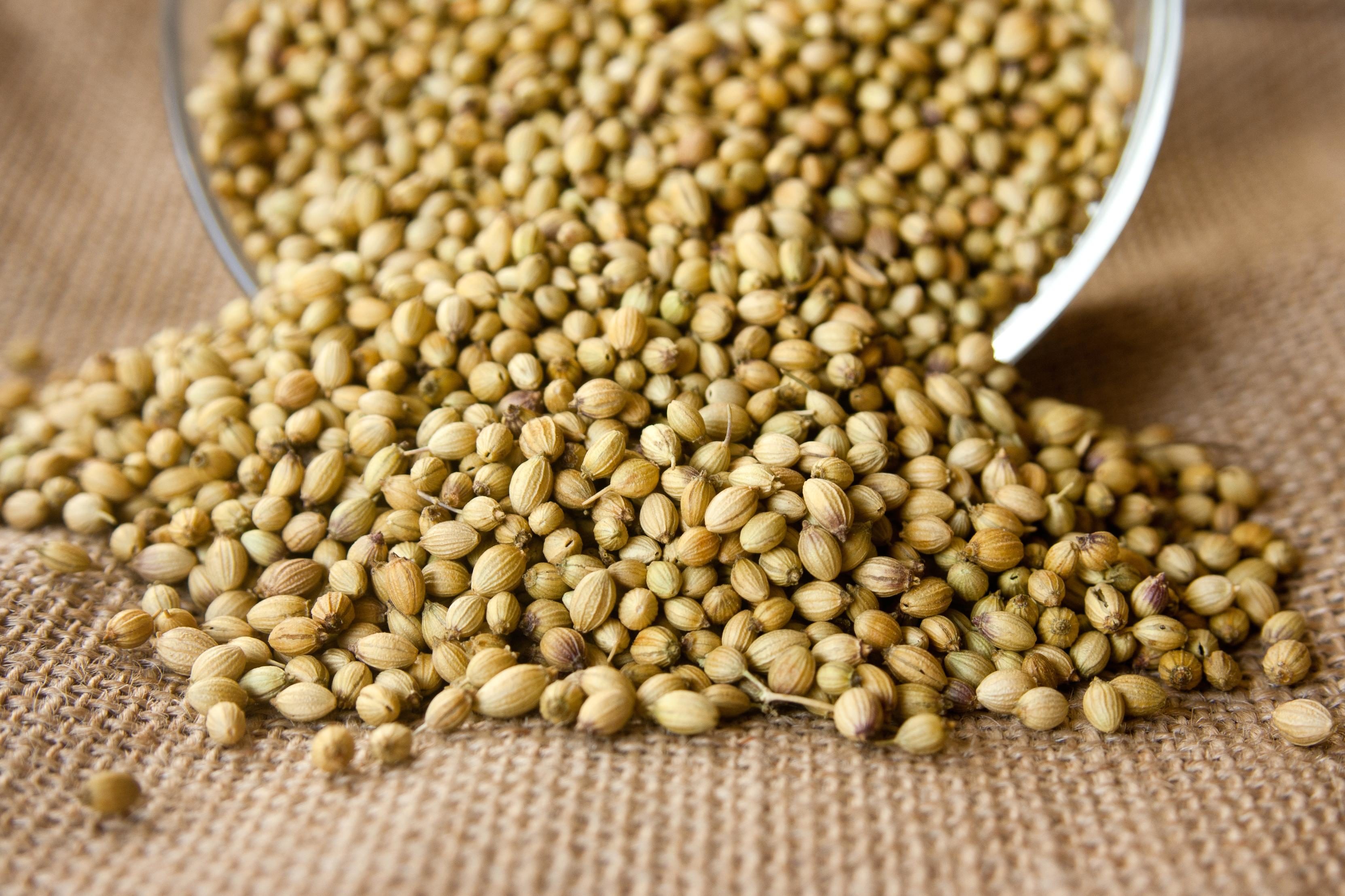
Photo by pics_pd on Pixnio
Can you use the coriander seeds from your spice cabinet? The short answer is maybe. Grocery store coriander seeds are often heat-treated. This stops them from sprouting. The spice companies do this so the seeds do not germinate in your pantry. If the seeds are heat-treated, they will not grow.
However, some grocery store coriander is not treated. It is a gamble. If you want to try, look for organic coriander seeds. Organic seeds are less likely to be heat-treated. The better option is to buy seeds from a garden center or online seed company. They are sold specifically for planting. They will have a much higher germination rate.
For a reliable supply of fresh herbs, consider building a self-watering herb garden. It takes the guesswork out of watering.
Printable Cilantro Growing Chart (Save This)
This is a quick reference chart you can screenshot or print.
Factor | Cilantro's Preference |
|---|---|
Seed depth | 1/4 inch |
Germination time | 7 to 20 days |
Soil pH | 6.2 to 6.8 (slightly acidic) |
Sunlight | Full sun to partial shade |
Temperature | 50°F to 85°F (10°C to 29°C) |
Water | Keep moist, not soggy |
Days to harvest | 30 to 45 days |
Keep this chart near your garden. It will help you remember the basics.
Location and Environment
Where you plant your cilantro matters just as much as how you plant it. Let me walk you through the best options.
Best Time to Plant Cilantro Seeds for Summer Harvest
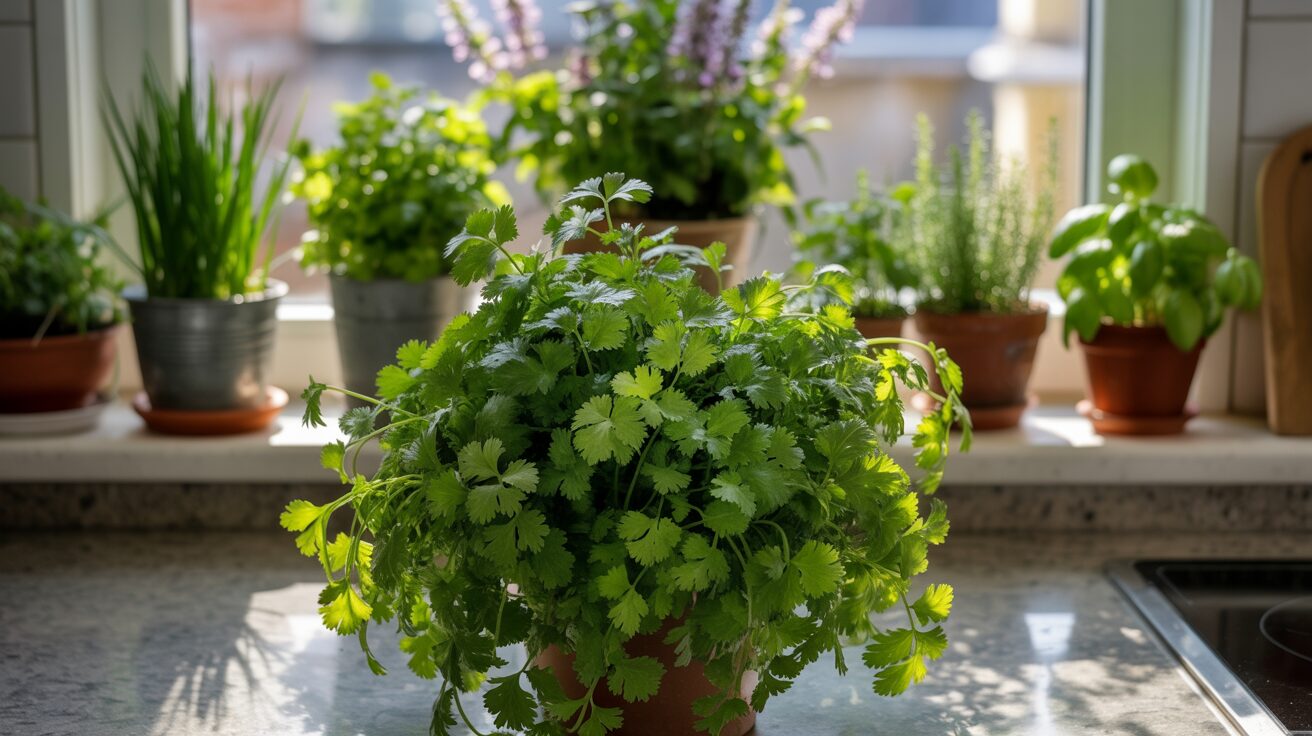
Cilantro is a cool-weather plant. It loves spring and fall. Summer heat makes it bolt. Bolting means it sends up a flower stalk and stops making leaves. The leaves turn bitter.
If you want cilantro all season long, practice succession planting. Sow new seeds every 2 to 3 weeks. As one batch bolts, the next batch is ready to harvest.
How to Grow Cilantro from Seed Indoors in Winter
Winter does not have to mean no fresh cilantro. You can grow it indoors on a sunny windowsill.
- Choose a pot that is at least 8 inches deep. Cilantro has a taproot. It needs room to grow down. Fill the pot with potting mix.
- Place the pot near a south-facing window. Cilantro needs 4 to 6 hours of sunlight daily. If your windows are not sunny enough, use grow lights. Keep the lights on for 12 to 14 hours per day.
- Water when the top inch of soil feels dry. Indoor air can be dry, especially in winter. Check your plants every day.
For more indoor growing tips, see how to grow spinach indoors. The same principles apply to cilantro.
Growing Cilantro from Seed in Pots for Beginners
Pots are the easiest way to start. You can move them around to catch the sun. You can bring them inside when it gets too hot or too cold.
- Choose a pot that is at least 8 inches deep and 8 inches wide. Terracotta, plastic, or ceramic all work fine. Just make sure it has drainage holes.
- Fill the pot with potting mix. Do not use garden soil. It is too heavy and will not drain well.
- Sow your seeds as described above. Water gently. Place the pot where it gets morning sun and afternoon shade. This balance keeps the plant happy.
Growing cilantro in pots is also great for small spaces. If you have a balcony or a patio, you can have fresh herbs right outside your door. For more small-space ideas, see best plants for pots all year round.
Essential Care for Young Seedlings
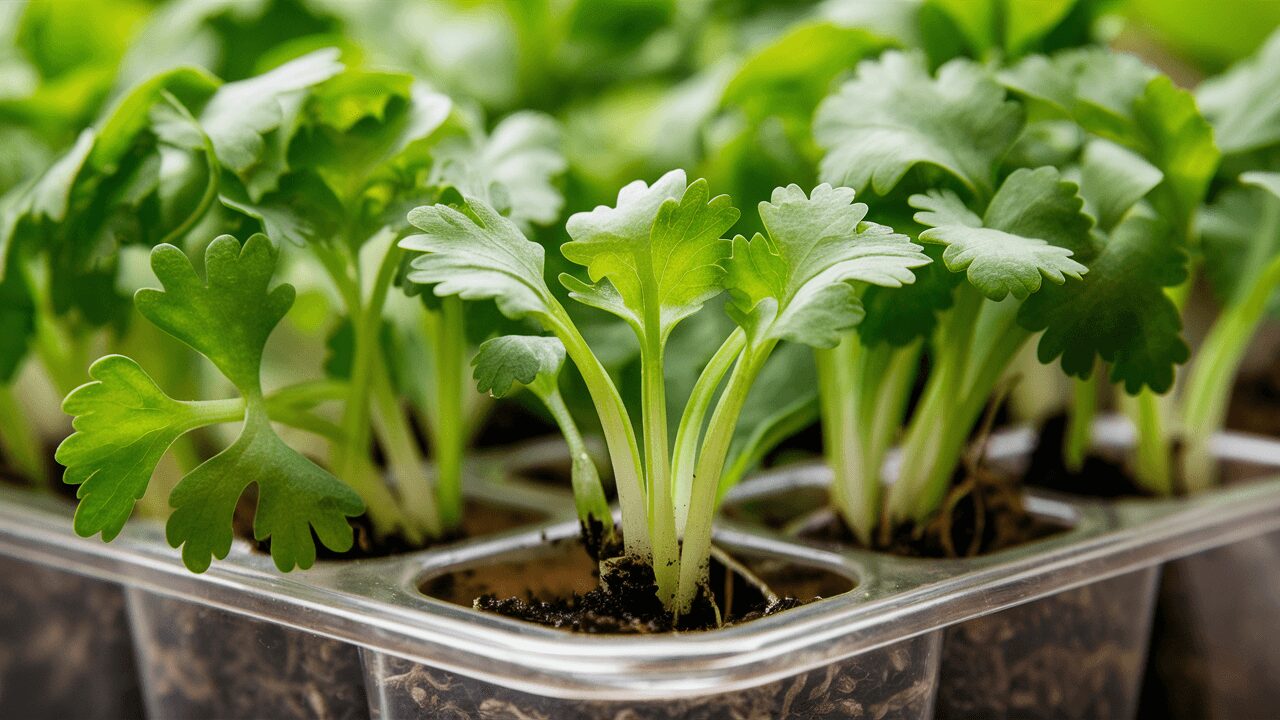
Once your seeds sprout, the real work begins. But do not worry. Cilantro is not needy.
Spacing Cilantro Seeds for Maximum Leaf Production
Proper spacing prevents crowding. Crowded plants compete for light and water. They also get less air flow, which can lead to mildew. When your seedlings are about 2 inches tall, thin them out. Leave 4 to 6 inches between each plant.
Use small scissors to snip the extra seedlings at the soil line. Do not pull them out. Pulling can disturb the roots of the plants you want to keep. You can eat the thinnings. Those tiny leaves are delicious in salads.
Thinning Cilantro Seedlings Without Damaging Roots
Source: NeedPix
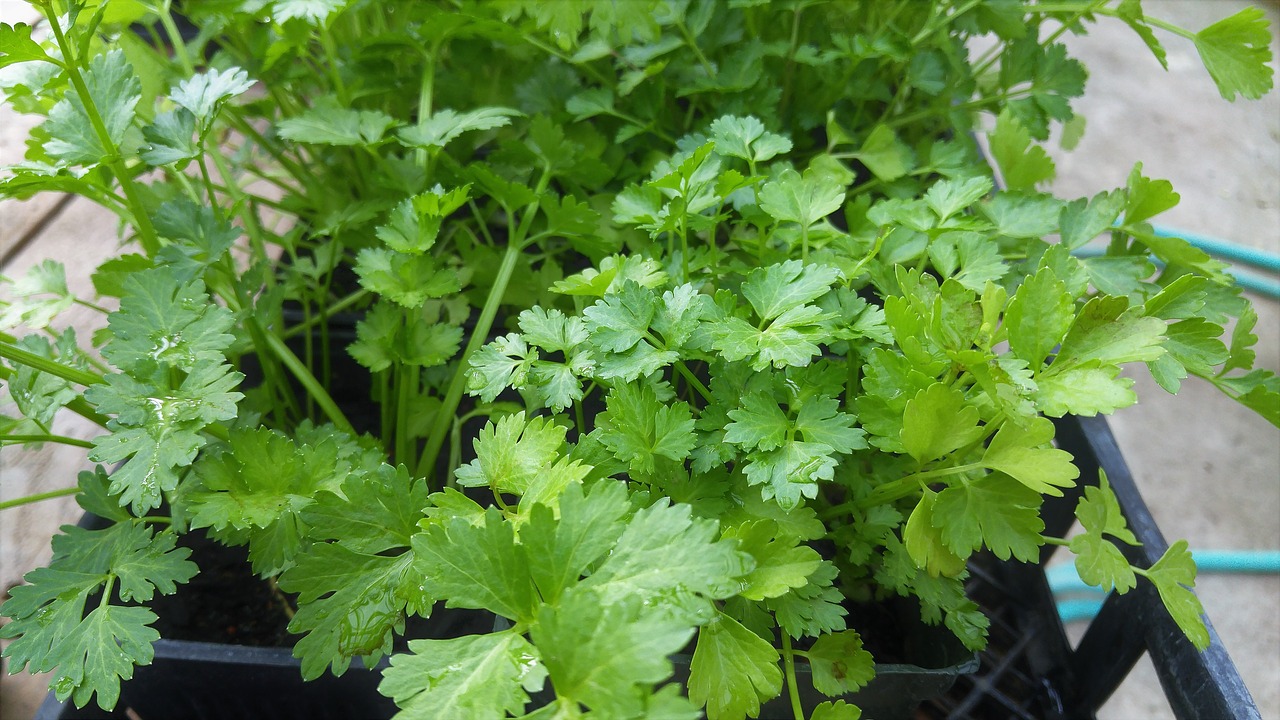
I mentioned this above, but it is worth repeating. Snip, do not pull. Use a pair of small scissors or garden shears. Cut the stem of the unwanted seedling right at the soil surface. The roots will stay in the ground and decompose. They will not harm the remaining plant.
If you pull, you might yank out the good plant's roots too. Then you have two dead plants instead of one.
The Best Organic Fertilizer for Cilantro Seedlings
Cilantro is not a heavy feeder. It does not need much fertilizer. In fact, too much fertilizer can make the leaves less flavorful. If your soil is rich in compost or organic matter, you may not need any fertilizer at all. If your plants look pale or are growing slowly, give them a light feeding.
Use a balanced organic fertilizer with equal amounts of nitrogen, phosphorus, and potassium. Look for numbers like 5-5-5 or 10-10-10. Mix it at half the strength recommended on the package. Feed once every 4 to 6 weeks.
For an even gentler option, top-dress with compost. Sprinkle a thin layer around the base of the plants. Water it in. The compost will release nutrients slowly. For more on feeding your plants, see garden kits for beginners. Many kits include organic fertilizers.
In the next section, I will share my best tips for preventing bolting. I will also show you how to grow cilantro in raised beds and even in hydroponic systems. Finally, I will teach you how to save your own coriander seeds for next season. Keep reading to learn how to keep your cilantro producing leaves for weeks, not days.
Mastering the "Bolt": Keeping It Green
Bolting is the number one frustration for cilantro growers. Let me help you beat it.
Tips for Sowing Cilantro Seeds to Prevent Bolting
Bolting happens when the plant gets stressed. The biggest stressor is heat. Cilantro wants cool soil and cool air. Here are my top tips for preventing bolting.
Tip | Why It Works |
|---|---|
Plant in early spring or fall | Cool weather keeps cilantro in leaf-production mode |
Provide afternoon shade | Use taller plants or a shade cloth to block hot sun |
Water consistently | Dry soil stresses the plant and triggers bolting |
Harvest often | Frequent cutting signals the plant to keep growing leaves |
Choose slow-bolt varieties | Some cultivars are bred to resist bolting longer |
Do not worry if your cilantro eventually bolts. It is natural. Even with perfect care, cilantro will eventually go to seed when summer arrives. When it does, let it flower. The flowers attract bees. Then collect the seeds (coriander) for next season.
Growing Slow Bolt Cilantro from Seed
Some cilantro varieties are better than others at resisting bolting. Look for seeds labeled "slow bolt" or "long-standing."
Popular slow-bolt varieties include:
These varieties still bolt eventually. But they give you an extra 1 to 2 weeks of harvest. In a short growing season, that makes a big difference.
Why Is My Cilantro Bolting? (And How to Stop It)
If your cilantro is bolting early, here are the most likely causes.
- Hot weather. This is the number one cause. Cilantro bolts when soil temperatures go above 75°F (24°C). Provide shade or move potted plants indoors.
- Inconsistent watering. Dry soil stresses the plant. Keep the soil evenly moist. Mulch around the base to retain moisture.
- Crowded plants. Too many plants in one space compete for water and nutrients. Thin your seedlings to 4 to 6 inches apart.
- Long daylight hours. Cilantro is sensitive to day length. As summer approaches and days get longer, bolting is triggered. This is why spring and fall are the best seasons.
Once bolting has started, you cannot reverse it. The leaves will become bitter. Harvest what you can. Then pull the plant and plant new seeds. For more on dealing with plant stress, see growing spinach in hydroponics. The same principles apply.
Advanced Growing Methods
Once you have mastered the basics, try these advanced techniques.
Planting Cilantro Seeds in Raised Beds with Compost
Raised beds are ideal for cilantro. They warm up faster in spring. They drain better than ground soil. They also give you more control over the soil quality.
- Fill your raised bed with a mix of garden soil and compost. Aim for a ratio of 2 parts soil to 1 part compost. The compost adds nutrients and helps retain moisture.
- Sow your seeds directly in the bed. Follow the same depth and spacing rules. Water gently.
One advantage of raised beds is that you can cover them with a row cover. A row cover is a lightweight fabric that lets in light and water but keeps out pests. It also helps regulate temperature. On hot days, it provides a little shade.
For more raised bed tips, see companion planting spinach . Many of the same techniques work for cilantro.
Growing Cilantro from Seed in Hydroponic Systems
Hydroponics is soil-free gardening. Plants grow in water with nutrients. This method gives you complete control over the growing environment. Cilantro grows well in hydroponic systems. It prefers the same cool temperatures.
- Keep the water temperature between 65°F and 70°F (18°C to 21°C). Use a balanced nutrient solution designed for leafy greens.
- Germinate your seeds in rockwool cubes or coco coir. Once the seedlings have roots, transfer them to your hydroponic system.
- Use a deep water culture (DWC) or nutrient film technique (NFT) system. Both work well for cilantro.
One benefit of hydroponics is no bolting from soil heat. You can grow cilantro indoors year-round. However, you still need to watch the water temperature. Warm water can stress the roots. For a deep dive into soilless growing, check out growing spinach in hydroponics. The same setup works for cilantro.
You now know how to prevent bolting and how to grow cilantro in raised beds or hydroponics. In the final section, I will show you how to save your own coriander seeds. That way, you never have to buy seeds again. I will also answer frequently asked questions and share my final tips.
The Full Circle: Saving Seeds
One of my favorite things about growing cilantro is that it gives you free seeds for next season. Let me show you how.
How to Collect and Save Cilantro Seeds for Replanting
When your cilantro bolts, do not pull it out. Let it keep growing. The plant will send up tall stalks. Small white or pink flowers will appear. Bees love these flowers.
After the flowers fade, green seed pods will form. These pods will turn brown as they dry. This is the coriander. Here is how to harvest and save the seeds.
Step | What To Do |
|---|---|
1 | Wait until the seed pods turn brown and feel dry to the touch |
2 | Cut the entire seed head off the plant |
3 | Place the seed head in a paper bag |
4 | Put the bag in a dry, warm place for 1 to 2 weeks |
5 | Shake the bag. The seeds will fall off the stems |
6 | Remove the chaff (the dry plant bits). Keep the round seeds. |
7 | Store the seeds in a paper envelope or glass jar |
8 | Label the envelope with "Cilantro" and the year |
Frequently Asked Questions About Growing Cilantro from Seed
How deep to plant cilantro seeds?
Plant cilantro seeds 1/4 inch deep. Cover them lightly with soil. Do not bury them too deep. They need light to germinate.
How long does it take to grow cilantro from seed?
From seed to harvest, cilantro takes about 4 to 6 weeks. Germination takes 7 to 20 days. Then the plants need another 3 to 4 weeks to produce harvestable leaves.
Can you grow cilantro from seed indoors?
Yes, absolutely. Choose a sunny windowsill or use grow lights. Plant in a pot at least 8 inches deep. Water when the top inch of soil feels dry.
How to plant cilantro seeds outdoors?
Prepare your garden bed by loosening the soil. Sow seeds 1/4 inch deep and 1 inch apart. Water gently. Keep the soil moist until seeds sprout. Thin seedlings to 4 to 6 inches apart.
What are the best conditions for growing cilantro in pots?
Use a pot that is at least 8 inches deep. Fill with potting mix. Place the pot where it gets morning sun and afternoon shade. Water when the top inch of soil feels dry. Fertilize lightly every 4 to 6 weeks.
How to grow cilantro from seed in water?
This is possible but not common. Place seeds on a damp paper towel. Roll it up. Put the roll in a glass with a small amount of water at the bottom. Keep the towel damp. Seeds will sprout in 5 to 10 days. Transfer sprouts to soil once they have roots.
Why is my cilantro turning yellow?
Yellow leaves usually mean overwatering or poor drainage. Let the soil dry out a bit between waterings. Make sure your pot has drainage holes.
Can you harvest cilantro after it bolts?
The leaves become bitter after bolting. You can still eat them, but they will not taste good. Harvest the seeds (coriander) instead. Then plant new seeds.
Bonus: Cilantro as a Companion Plant
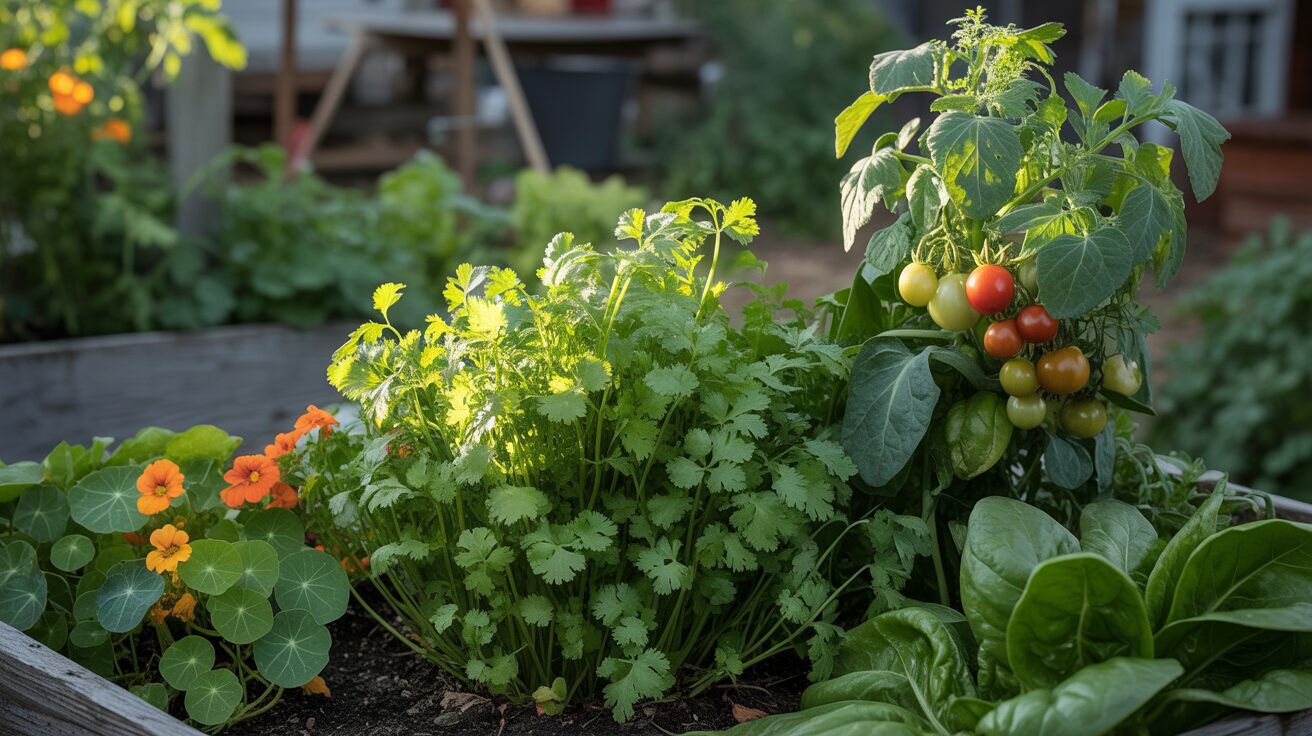
Cilantro is not just delicious. It also helps other plants in your garden. Cilantro repels aphids, spider mites, and potato beetles. It attracts beneficial insects like ladybugs and hoverflies. These insects eat the pests that bother your tomatoes and peppers.
Plant cilantro near your companion plants for tomatoes . It will help protect them. Cilantro also grows well next to arugula companion plants and spinach. The flowers of cilantro are great for bees. Let some of your plants bolt on purpose. The bees will thank you. And you will get coriander seeds.
Final Tips
You made it to the end. That means you really care about growing fresh cilantro. Thank you for reading. This is my three final tips.
Soak your seeds. This one step cuts germination time in half. Do not skip it. Your future self will thank you. Plant in waves. Sow new seeds every 2 to 3 weeks. This is called succession planting. It guarantees you never run out of fresh cilantro. Do not fear the bolt. Bolting is natural. When it happens, let the flowers bloom. Enjoy the bees. Then save the seeds. The cycle continues.
If you are just starting your gardening journey, read my full guide on how to start urban gardening. It covers everything from soil to watering. And if you love growing herbs from seed, try growing parsley from cuttings or propagating basil next.
One more thing before you go...
First, drop a comment below. What is your biggest cilantro struggle right now? Slow germination? Bolting? Bitter leaves? Or do you have a tip that I missed? I personally reply to every comment within 48 hours.
Second, save this post for later. Pin the printable chart to your Pinterest board. Share this guide with a friend who loves cooking with fresh herbs. The more people who grow their own food, the better. Now go plant those cilantro seeds. And do not forget to soak them first.
Happy gardening, friend.
Last Updated on May 8, 2026 by Austine