
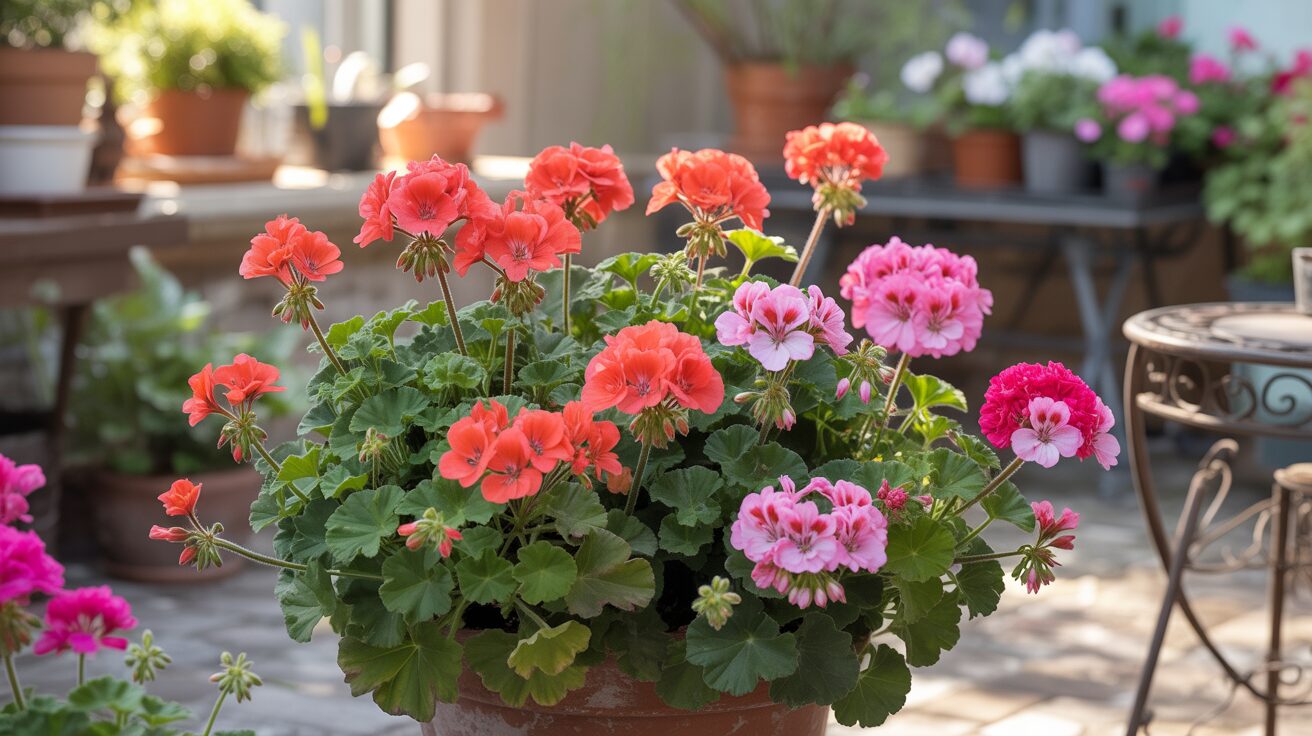
Geraniums need full sun (6-8 hours daily), well-draining soil, and infrequent watering – let the top inch of soil dry out completely before watering again.
Use the "soak and dry" method. Fertilize every 2 weeks during growing season with a balanced fertilizer (not high-nitrogen). Deadhead spent blooms regularly to encourage continuous flowers. In cold climates, overwinter indoors before the first frost.
Many gardeners find their plants slowing down by mid-July, leading to common questions about how to deadhead geraniums for continuous blooms. However, understanding proper geranium plant care, especially when summer heat waves roll in is key to unlocking their full potential.
Whether you are looking for tips on how to care for geraniums in pots outdoors or dealing with a stressful issue like why are my geranium leaves turning yellow, simple adjustments to your routine will make a world of difference.
In this guide, we will break down the best fertilizer for geraniums in containers, how often to water geranium plants in summer, and how to protect your investment by overwintering geraniums in a cold climate so they return beautifully next spring.
Fun fact: Geraniums were once believed to repel evil spirits and were commonly planted near homes for protection.
Understanding Your Variety
Geraniums are not all the same. Picking the right type for your space makes a big difference. I learned this the hard way when I bought trailing ivy geraniums for my upright pots. They looked strange spilling over the sides of a container that was too tall for them. For more on starting your garden the right way, check out my beginner guide on how to start urban gardening.
Zonal Geranium Plant Care vs Ivy Geraniums
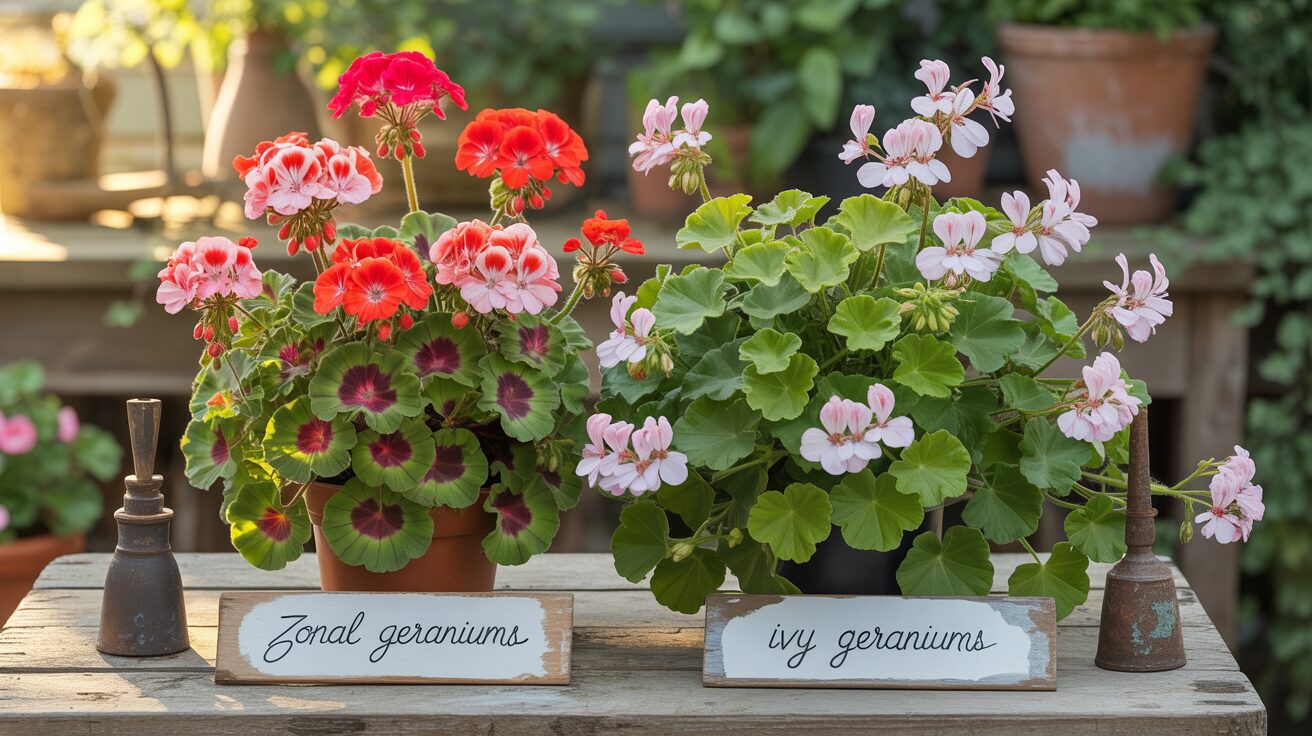
Zonal geraniums are the classic type you see in garden centers. They have rounded leaves with dark, horseshoe-shaped bands (the "zones"). These plants grow upright. They can reach 12 to 24 inches tall. They produce large clusters of red, pink, white, or purple flowers. They are perfect for pots, window boxes, and garden beds.
Ivy geraniums have glossy, ivy-shaped leaves. Their stems trail downward. They grow 12 to 18 inches long. Ivy geraniums are ideal for hanging baskets and railing planters. The flowers are smaller than zonal types, but they produce more of them. Ivy geraniums are also more heat-tolerant than zonals.
Which one should you choose? For upright containers and garden beds, pick zonal geraniums. For hanging baskets and tall planters where you want a cascading look, pick ivy geraniums. For more on container gardening, see best plants for pots all year round.
Setup and Environmental Needs
Getting the setup right from the beginning prevents most problems. Geraniums are tough, but they have three non-negotiable needs.
Best Soil Mix for Potted Geranium Plants
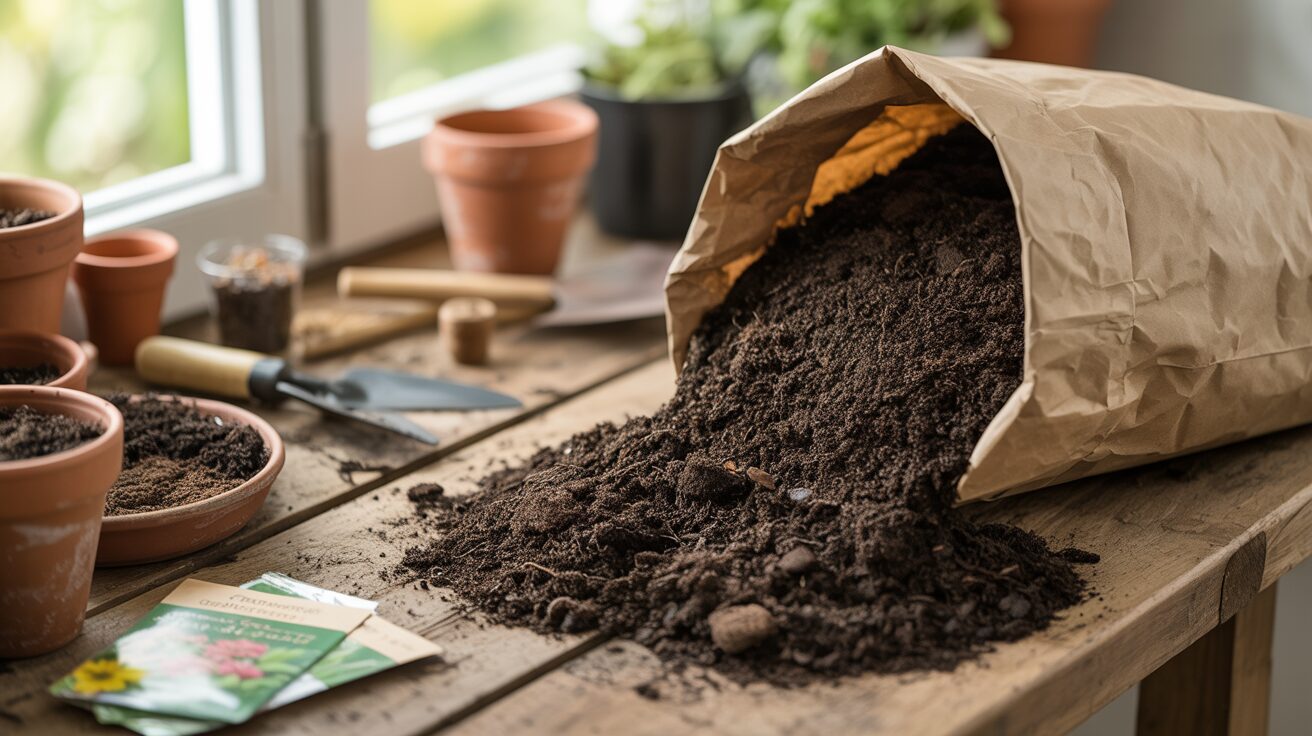
Geraniums hate soggy roots. Therefore, well-draining soil is critical. Do not use heavy garden soil. It compacts and holds too much moisture. Mix equal parts of regular potting mix, perlite, and coarse sand. The perlite creates air pockets. The sand improves drainage. The potting mix provides a little nutrients.
You can also buy a pre-made cactus or succulent mix. These are designed for plants that hate wet roots. They work perfectly for geraniums. Do not add water-retaining crystals. Geraniums like to dry out between waterings. Moisture crystals keep the soil wet too long. This leads to root rot. For more soil tips, see indoor plant potting soil.
How Much Sun Do Outdoor Geraniums Need?
Geraniums are sun worshippers. They need 6 to 8 hours of direct sunlight daily. A south or west-facing spot is ideal. Without enough sun, geraniums become leggy. The stems stretch out. The leaves become sparse. The plant produces few flowers. Too much shade also makes the plant more susceptible to fungal diseases.
In very hot climates (zones 9-10), afternoon shade helps. The intense midday sun can scorch the leaves. Morning sun with afternoon shade is the perfect balance. If your geraniums are indoors, place them in a south-facing window. If that is not enough, use grow lights for 12 to 14 hours daily.
For more on lighting, see indoor container garden.
Printable Geranium Care Chart (Save This)
Here is a quick reference chart you can screenshot or print.
Factor | Geranium's Preference |
|---|---|
Sunlight | 6 to 8 hours daily (full sun) |
Soil | Well-draining (potting mix + perlite + sand) |
Water | Let top inch of soil dry out between waterings |
Fertilizer | Balanced (10-10-10 or 5-10-5), every 2 weeks in growing season |
Temperature | 65°F to 75°F (18°C to 24°C) |
Humidity | Low (average household humidity is fine) |
Deadheading | Remove spent blooms regularly |
Overwintering | Bring indoors before first frost |
Keep this chart near your garden. It will help you remember the key steps.
Routine Maintenance for Maximum Color
Geraniums are not high-maintenance. However, a few simple habits will keep them blooming all summer.
How to Care for Geraniums in Pots Outdoors
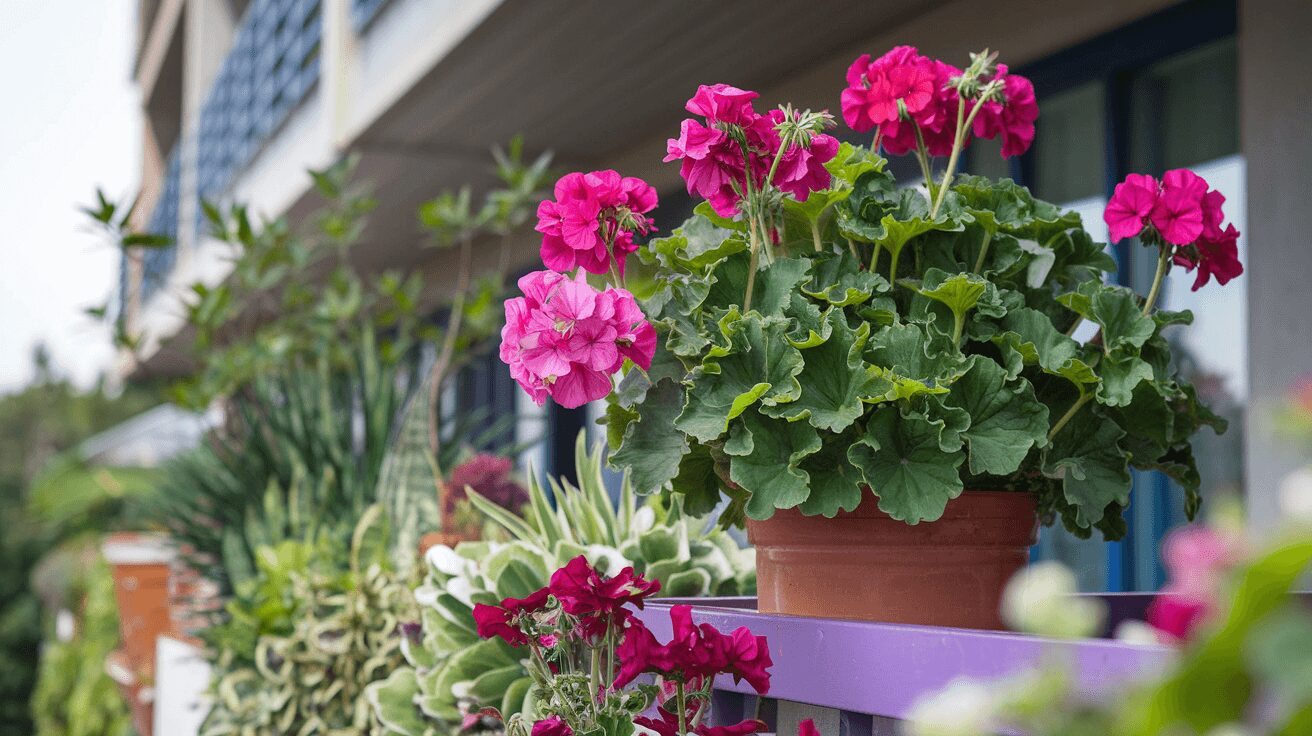
Potted geraniums dry out faster than those in the ground. Check the soil every day in summer. Water when the top inch feels dry.
- Choose pots with drainage holes. This is non-negotiable. If your decorative pot lacks holes, plant the geranium in a plastic nursery pot. Place that inside the decorative pot. Remove the inner pot for watering, then replace it.
- Rotate your pots every week. Geraniums lean toward the sun. Rotating keeps them growing evenly. Otherwise, they become lopsided.
- Protect pots from extreme heat. Dark-colored pots absorb heat. The soil can get too hot. Move pots to a slightly shadier spot during heat waves. Or wrap the pot with light-colored cloth.
For more outdoor container tips, see patio tomato plants.
How Often to Water Geranium Plants in Summer
Overwatering is the number one killer of geraniums. I have lost more plants to this than anything else.
- Use the "soak and dry" method. Water deeply until water runs out the drainage holes. Then wait. Do not water again until the top inch of soil feels dry. In summer, this may mean watering every 2 to 3 days. In cooler weather, once a week may be enough.
- Always check the soil before watering. When in doubt, wait another day.
- Signs of overwatering include yellow leaves, wilting despite wet soil, and a foul smell from the pot. If you see these, stop watering immediately. Let the soil dry out completely.
- Water at the base of the plant. Do not spray the leaves. Wet leaves can lead to fungal diseases. Use a watering can with a narrow spout.
If you are forgetful, consider using a self-watering herb garden. However, note that geraniums prefer to dry out, so self-watering may keep them too wet.
Best Fertilizer for Geraniums in Containers
Geraniums are not heavy feeders. However, they need regular food to produce abundant blooms.
How to Deadhead Geraniums for Continuous Blooms
Deadheading is the secret to nonstop flowers. Removing spent blooms tells the plant to make more.
- Wait until the flower cluster starts to fade and look sad. Follow the flower stem down to where it meets the main stem. Snip the stem with clean scissors or your fingernails. Cut just above a leaf or branch.
- Do not just pull off the dead petals. This leaves the stem behind. That stem will not produce another flower. It just looks ugly. Remove the entire stem.
- Deadhead every few days. In peak blooming season, check your plants regularly. Spend 2 minutes walking around with scissors. You will be shocked at how many new flowers appear.
Deadheading also prevents seed production. When geraniums make seeds, they stop flowering. Removing spent blooms keeps the plant in "flower mode." For more pruning tips, see caring for marigolds.
Even with good care, problems can arise. Yellow leaves, rust fungus, and pests like aphids can attack your geraniums.
In the next section, I will show you how to troubleshoot these common issues. I will also share tips for overwintering geraniums in cold climates and how to prune leggy plants in spring. Keep reading to solve the most frustrating geranium problems.
Troubleshooting Plant Health Problems
Source: Photo by Scot Nelson
Geraniums are tough, but they are not immune to problems. Early detection is key.
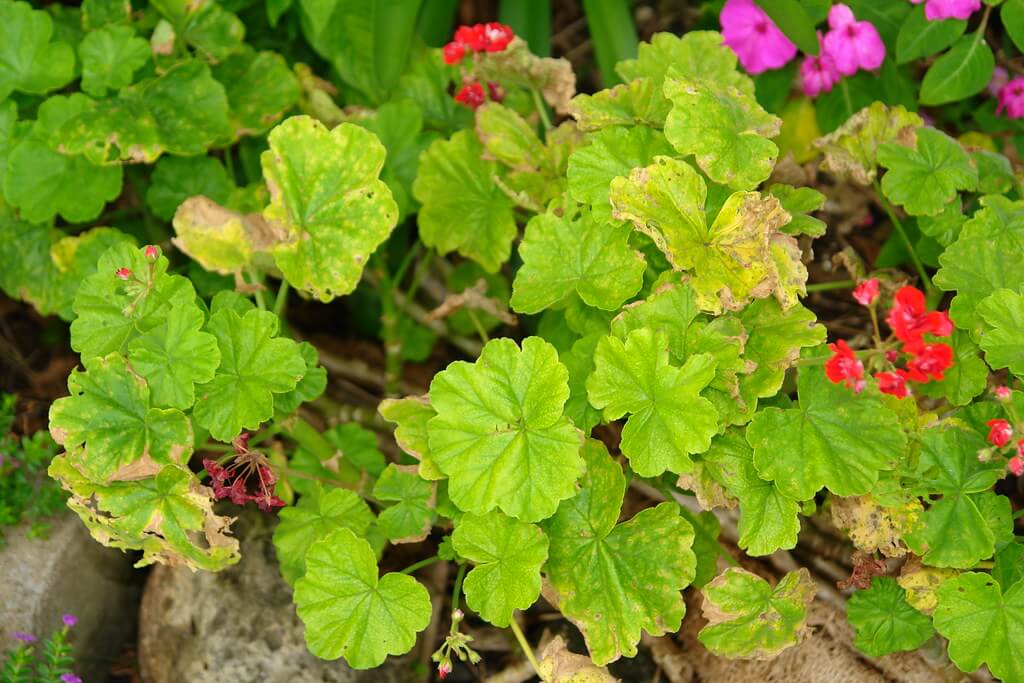
Why Are My Geranium Leaves Turning Yellow?
Why Are My Geranium Leaves Turning Red?
Red or purple leaves are usually a stress response. Here is what to check.
- Cold stress is the most common cause. When temperatures drop below 50°F (10°C), geranium leaves turn red. Move the plant to a warmer spot.
- Phosphorus deficiency can also cause reddening. This is rare in potted plants with fresh soil. If you have not fertilized in months, apply a balanced fertilizer.
- Overwatering can also trigger red leaves. The roots are stressed. Let the soil dry out completely.
Some varieties naturally have red markings. This is normal. Check the plant tag. If the red is part of the leaf pattern, do not worry.
How to Treat Rust Fungus on Geranium Leaves
Rust fungus is easy to spot. Small yellow or white spots appear on the undersides of leaves. These spots turn into rust-colored powder.
- Remove infected leaves immediately. Use scissors to cut off affected leaves. Put them in a trash bag. Do not compost them. The fungus can spread.
- Improve air circulation. Space your plants further apart. Use a small fan indoors. Wet leaves encourage rust.
- Water at the base of the plant. Do not spray the leaves. Wet leaves are how rust spreads.
- Apply a fungicide if the infection is severe. Look for a product labeled for rust on ornamentals. Follow the instructions carefully.
Prevention is the best cure. Buy disease-resistant geranium varieties. Keep leaves dry. Provide good air circulation.
Common Pests on Geraniums and How to Treat Them
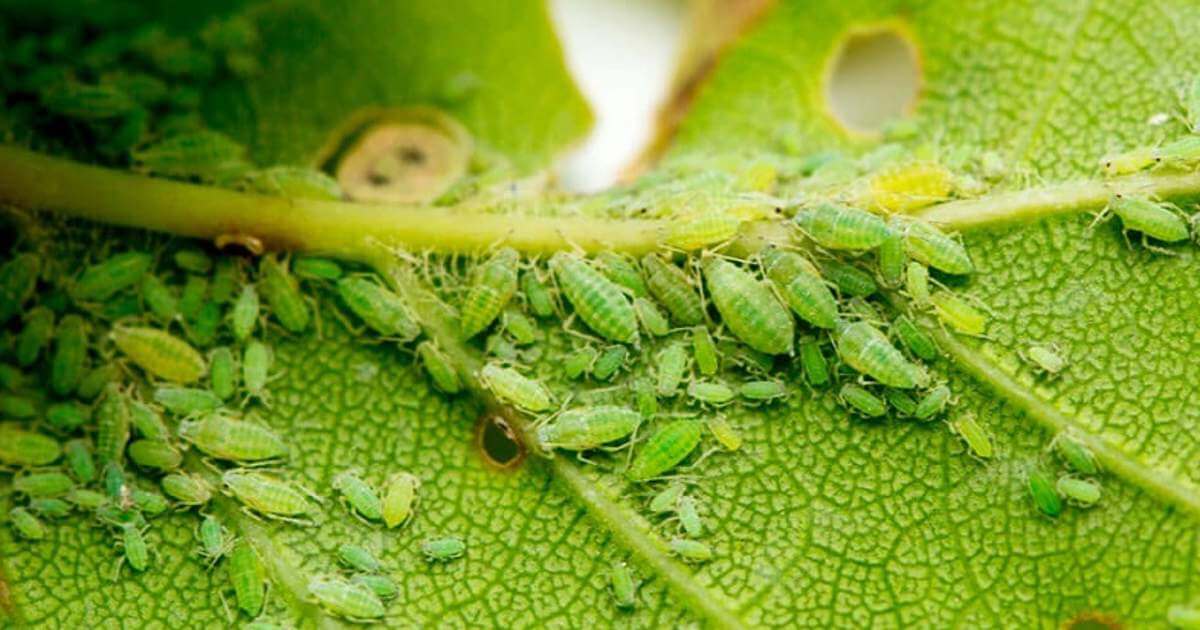
Green Aphids - Image by Zerimarlaboratoire
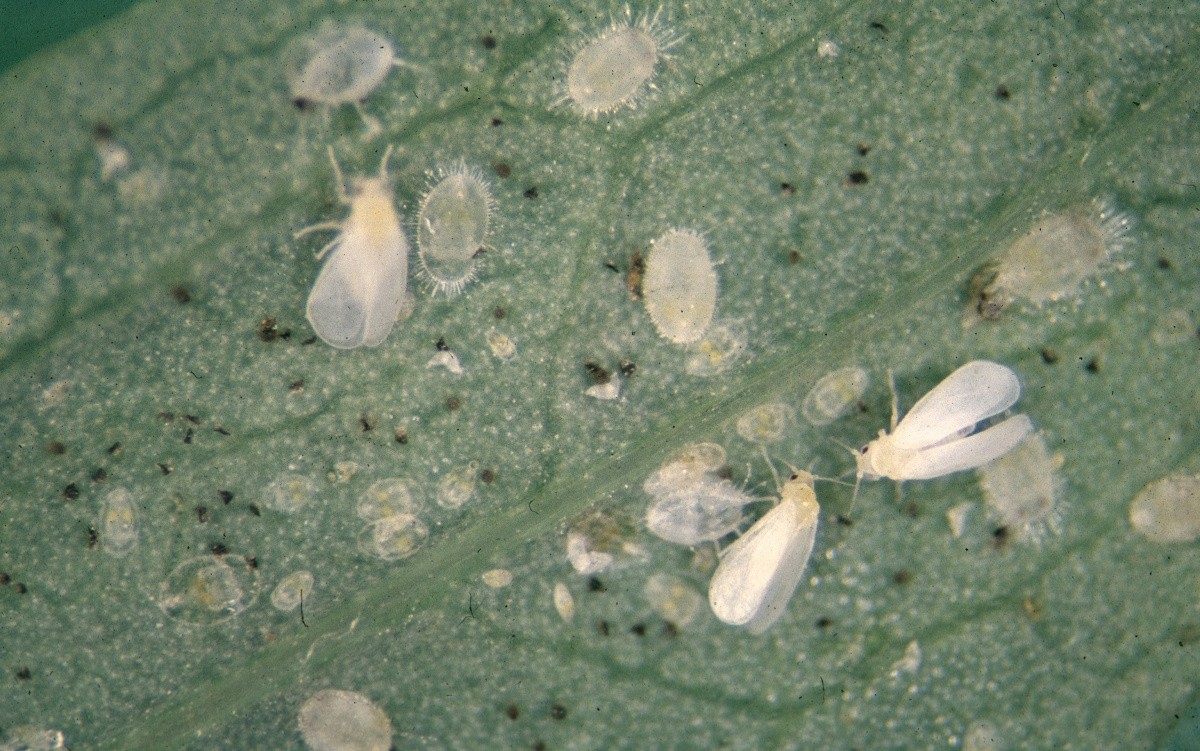
Whiteflies - Image by Whitney Cranshaw
Geraniums are relatively pest-resistant. However, a few bugs can still attack.
- Aphids are tiny green, black, or white insects. They cluster on new growth and flower buds. Spray them off with a strong stream of water. For severe infestations, use insecticidal soap or neem oil.
- Spider mites are tiny red or brown dots. They leave fine webbing on the undersides of leaves. Increase humidity around the plant. Spray with neem oil. You can also rinse the leaves with water.
- Whiteflies are small white insects that fly up when disturbed. They suck sap from leaves. Use yellow sticky traps. Spray with insecticidal soap.
Prevention is the best cure. Inspect your plants every few days. Quarantine any new plants before adding them to your collection.
For more on identifying pests, see white fuzzy bugs on plants and scales bugs on plants.
Winter Survival and Spring Pruning
Geraniums are tender perennials. They cannot survive freezing temperatures. In zones 9 and warmer, they can stay outside year-round. In colder zones, you must protect them.
Can Geraniums Survive a Light Freeze Outdoors?
Geraniums are not frost-hardy. A light freeze (32°F to 28°F / 0°C to -2°C) will damage the leaves. The plant may survive if the roots are protected. However, a hard freeze (below 28°F / -2°C) will kill the plant completely.
If a light freeze is forecast, cover your geraniums with a sheet or frost cloth. Remove the cover in the morning. Potted plants can be moved indoors or into a garage.
Do not leave geraniums outside in freezing weather. Even if they survive, they will look terrible. The leaves turn black and mushy. The plant takes weeks to recover. In zones 8 and colder, treat geraniums as annuals or bring them indoors for winter.
Overwintering Geraniums in a Cold Climate
You have three options for overwintering geraniums. Choose the method that fits your space.
For more winter tips, see winter vegetables to grow in pots.
How to Prune Leggy Geraniums in Spring
Leggy geraniums have long, bare stems with leaves only at the top. This happens when the plant does not get enough light. It can also happen after winter storage.
Prune in early spring, before new growth starts. Use sharp, clean scissors or pruning shears.
- Cut back the stems by one-third to one-half. Make your cuts just above a leaf node (where a leaf attaches to the stem). This encourages branching. The plant will grow back bushier.
- Remove any dead, yellow, or damaged leaves. Also remove any stems that look shriveled or diseased.
- Do not prune into old, woody stems. Geraniums do not regrow well from bare wood. Always leave some green leaves on each stem.
- After pruning, water lightly and place in a sunny spot. New growth will appear in 2 to 3 weeks. Fertilize with balanced fertilizer to encourage blooming.
Why buy new plants every year when you can make your own for free? Propagating geraniums from cuttings is easy and fun.
In the final section, I will show you how to root geranium cuttings in water. I will also introduce you to scented geraniums – a delightful variety you can grow indoors.
Keep reading to learn how to expand your geranium collection for free.
Expanding Your Collection
Once you have mastered basic geranium care, try propagating your own plants. It is surprisingly easy.
Propagating Geraniums from Cuttings in Water
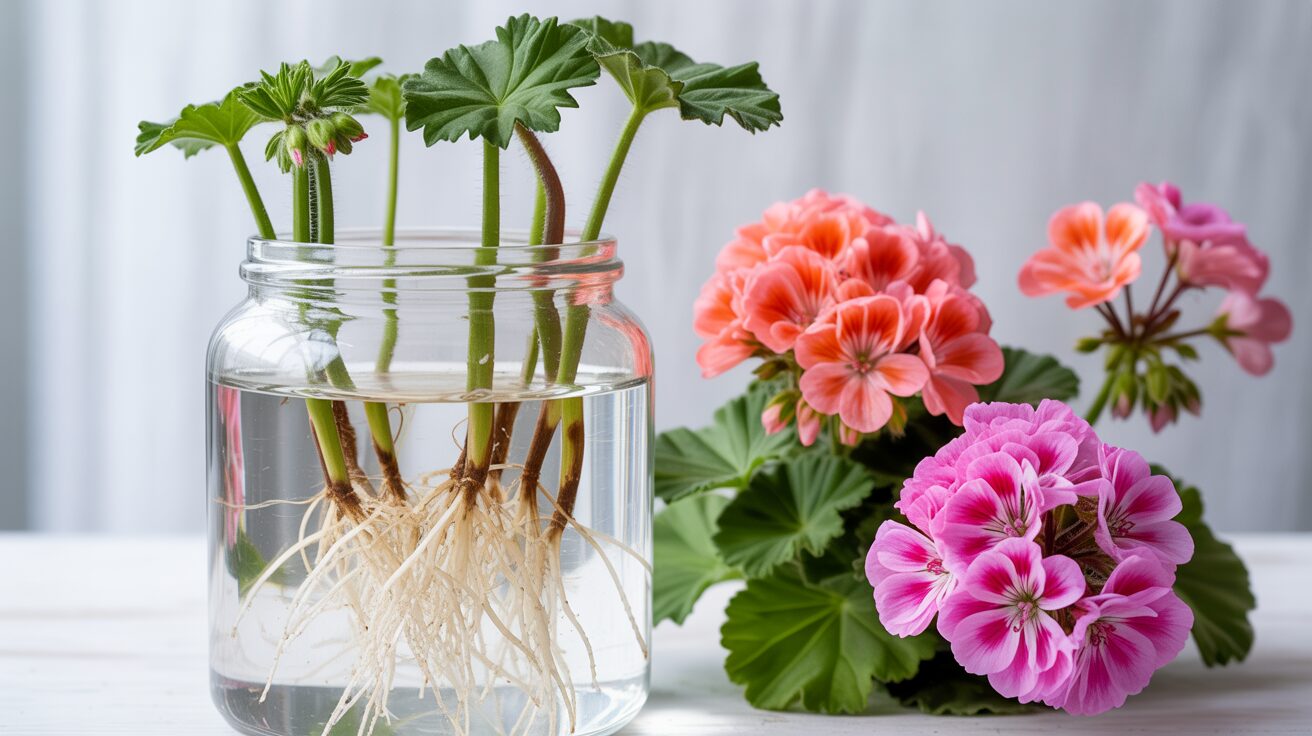
This is my favorite method. It costs nothing. And it feels like magic. Take cuttings in spring or early summer. The parent plant should be healthy and actively growing. Avoid taking cuttings when the plant is stressed or flowering.
- Choose a healthy stem. Look for a green stem that is 4 to 6 inches long. It should have several leaves. Cut just below a leaf node (where a leaf attaches to the stem). Use clean, sharp scissors.
- Remove the lower leaves. Strip off the leaves from the bottom half of the cutting. Leave 2 to 3 leaves at the top. This prevents the leaves from rotting in the water.
- Place the cutting in a glass of water. Use room temperature water. Put the glass in a bright spot, but out of direct sunlight. Change the water every few days.
- Wait for roots to form. Roots usually appear in 3 to 4 weeks. You will see small white roots growing from the cut end.
- Once the roots are 1 to 2 inches long, transplant into soil. Use a small pot with drainage holes. Fill with well-draining potting mix. Plant the cutting at the same depth it was in the water. Water lightly.
- Keep the new plant in bright, indirect light for the first week. Then slowly move it to full sun. Fertilize lightly after 2 to 3 weeks.
For more propagation tips, see propagating basil and propagating mint.
Growing Scented Geraniums Indoors for Beginners
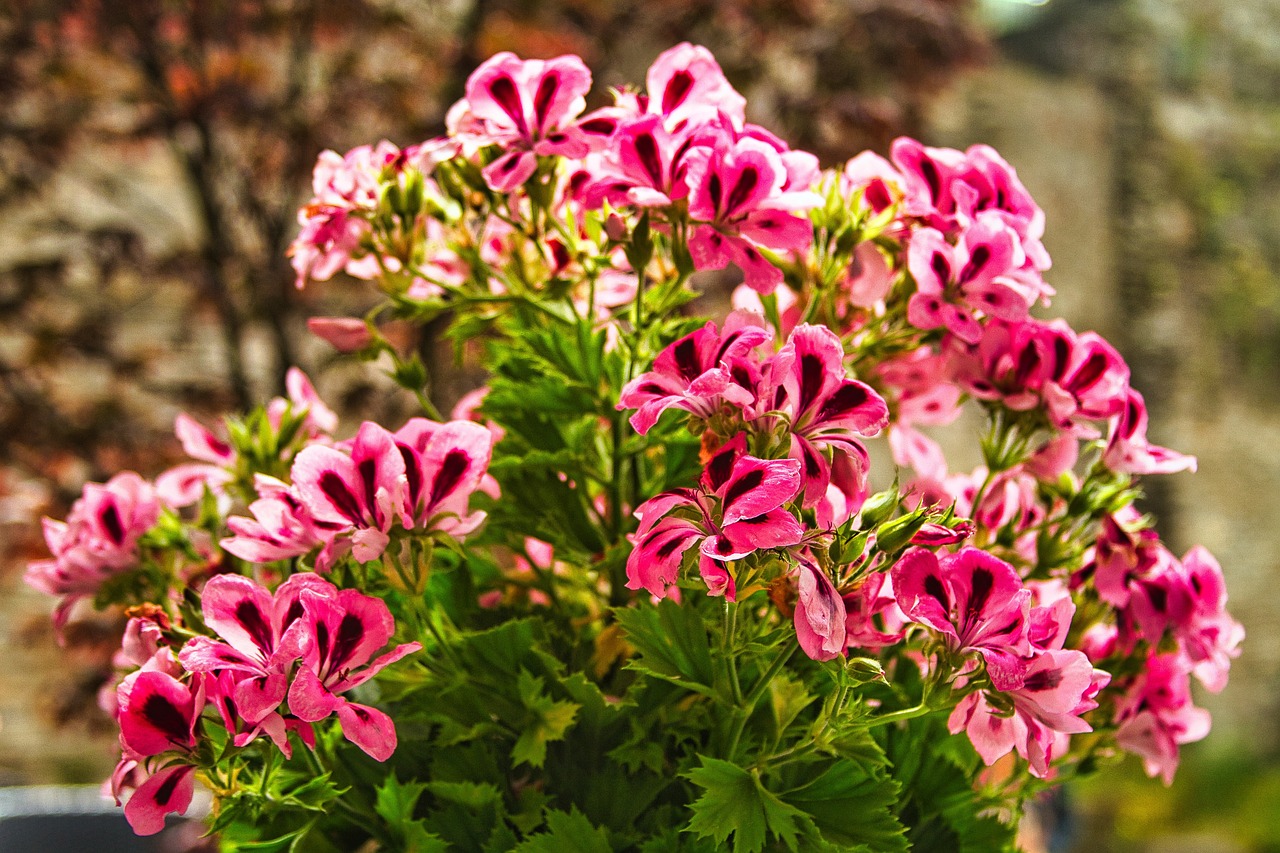
Source: Murilo Osorio from Pixabay
Scented geraniums are not like typical geraniums. They are grown for their fragrant leaves, not their flowers. The leaves smell like rose, lemon, mint, chocolate, or even pine.
Scented geraniums are perfect for indoors. They stay smaller than outdoor types. They thrive in bright, indirect light. A south or west-facing window is ideal.
- Use well-draining soil. The same mix that works for regular geraniums works for scented types. Let the soil dry out between waterings.
- Pinch back the growing tips regularly. This keeps the plant bushy and compact. The pinched leaves can be used for tea, potpourri, or cooking.
- Harvest the leaves anytime. Gently rub a leaf between your fingers to release the scent. Use fresh leaves for flavoring sugar, honey, or cakes.
Popular scented varieties include 'Rose' (smells like roses), 'Lemon' (citrusy), 'Peppermint' (minty), and 'Chocolate Mint' (chocolate with mint). All are easy to grow.
For more indoor herb tips, see how to grow thyme indoors and growing rosemary from seed.
Geranium Companion Plants: The Best (and Worst) Neighbors
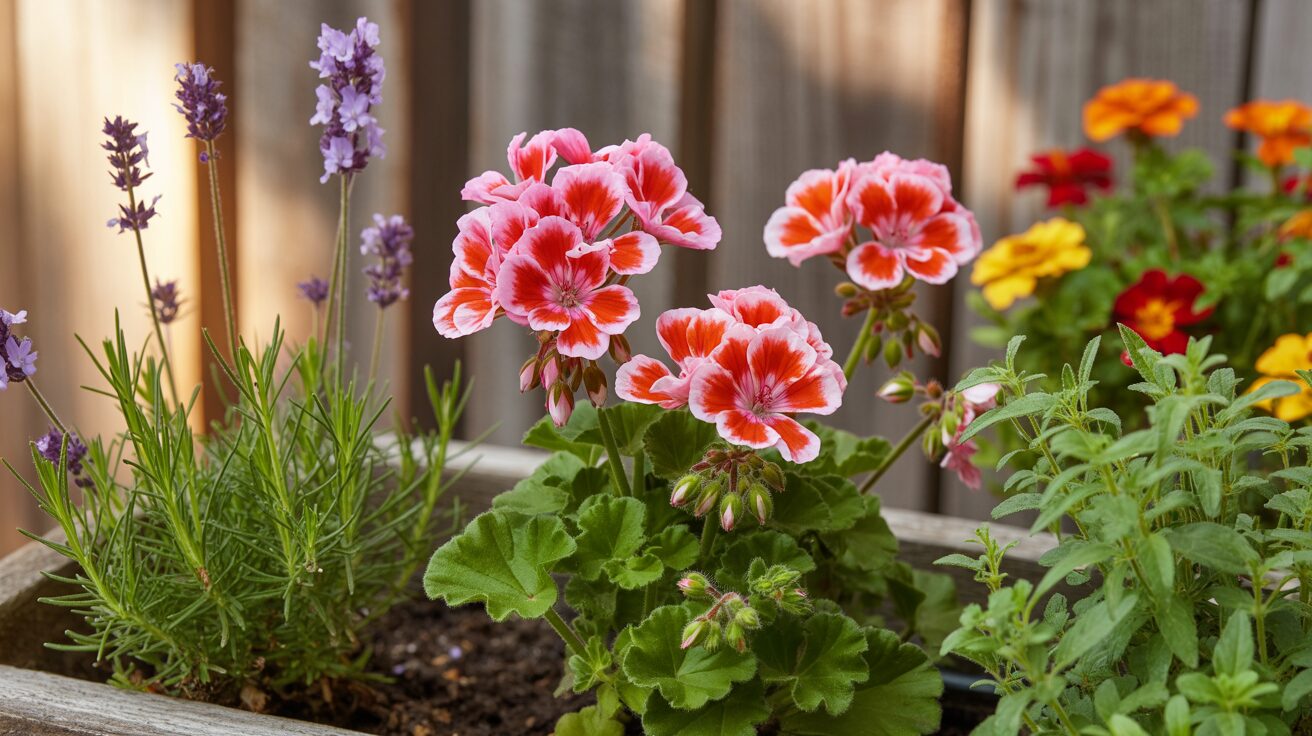
Geraniums are pretty friendly plants, but they do have some neighbors they pair better with. If you’re planting them in the garden, consider pairing them with:
- Marigolds: They help ward off pests. I swear, my garden became a bug-free zone once I planted these two together.
- Lavender: Not only do they look great side by side, but the scent combo is amazing. Plus, lavender loves similar conditions—lots of sun and not too much water.
- Petunias: They thrive in the same environment and create a stunning contrast with geranium blooms.
On the flip side, avoid planting geraniums near anything that loves tons of water (like ferns or certain types of vegetables). They won’t appreciate their roots being constantly soggy.
For more on companion planting, see my tips for arugula companion plants and tomatoes.
FAQs About Geranium Plant Care
How do you get geraniums to keep blooming?
Deadhead spent flowers regularly. Provide 6 to 8 hours of sunlight daily. Fertilize every 2 weeks with a balanced fertilizer (10-10-10). Do not overwater. Keep the plant slightly root-bound in a small pot.
Do geraniums like shade or sun?
Geraniums love full sun. They need at least 6 hours of direct sunlight daily. In very hot climates, afternoon shade helps prevent leaf scorch. Too much shade results in leggy growth and few flowers.
How do you take care of potted geraniums?
Use well-draining soil and a pot with drainage holes. Water when the top inch of soil feels dry (the "soak and dry" method). Place in full sun. Deadhead spent blooms. Fertilize every 2 weeks during growing season. Bring indoors before the first frost.
How long do potted geraniums last?
With proper care, potted geraniums can live for several years. However, they become woody and less productive over time. Taking cuttings every 2 to 3 years keeps your geranium collection young and vigorous.
Do geraniums come back every year?
In warm climates (zones 9-10), geraniums are perennials. They come back year after year. In colder climates, they are grown as annuals. However, you can overwinter them indoors or take cuttings to save them for next spring.
Quick Summary Tips for Geraniums
- Use the "soak and dry" method religiously. Overwatering is the number one killer. When in doubt, wait another day to water. Geraniums tolerate drought better than soggy soil.
- Deadhead every few days. It takes 2 minutes. The payoff is nonstop blooms all summer. Do not let the plant waste energy on seed production.
- Take cuttings in fall. This is insurance. Even if your outdoor plants freeze, you will have baby geraniums indoors. In spring, you have free plants ready to go outside.
If you are just starting your flower gardening journey, read my full guide on how to start urban gardening . It covers soil, containers, watering, and everything else a beginner needs.
And if you love flowering plants, try caring for marigolds or pansies care next.
Join the Geranium Gardening Community
I have two small asks for you before you go:
- First, drop a comment below. What is your biggest geranium struggle right now? Is it overwatering, leggy growth, or a sudden lack of blooms? Or perhaps you have a secret care tip that I missed? I personally reply to every comment within 48 hours, and I would love to help you troubleshoot your garden.
- Second, save this post for later. Pin our printable geranium care chart directly to your favorite gardening Pinterest board, or share this guide with a friend who loves vibrant, colorful flowers. The more people who learn how to grow their own plants, the better.
Now, go plant those geraniums—they will quickly reward you with nonstop color all summer long.
Happy gardening, friend!
Last Updated on May 14, 2026 by Austine