
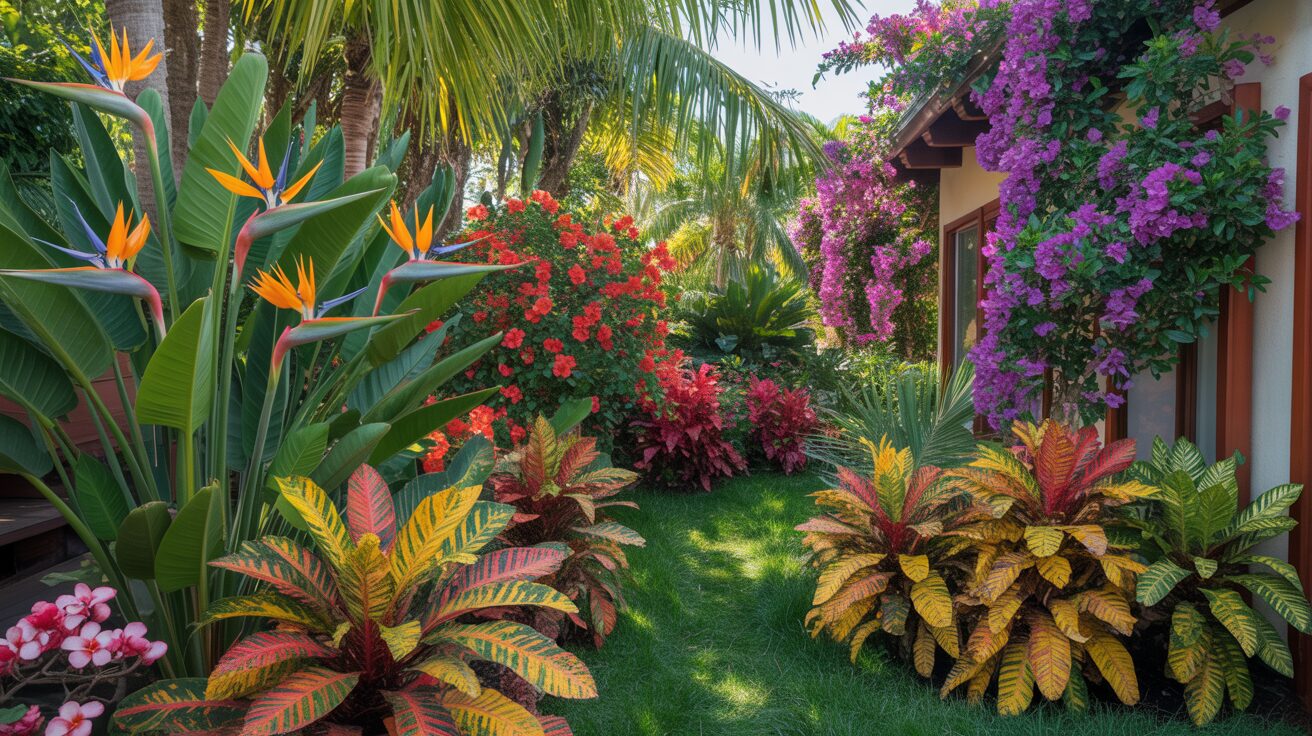
Transforming your backyard into a lush, resort-style paradise is a dream for many homeowners, but finding greenery that can handle intense afternoon heatwaves can be a challenge.
While many exotic varieties require filtered jungle shade, there is a massive selection of stunning tropical plants for full sun that actually demand direct sunlight to produce their iconic, jewel-toned blooms.
Tropical plant care at a glance:
Most full-sun tropicals need 6-8 hours of direct sun daily, well-draining soil (add perlite or sand), and regular watering – daily in summer heat. Acclimatize plants gradually when moving from shade to sun to prevent leaf scorch. Use a slow-release balanced fertilizer (10-10-10 or palm-specific) every 2-3 months. Mulch heavily to retain moisture and cool roots. In zones below 9, overwinter indoors before the first frost. Keep reading for specific care tips on Hibiscus, Bird of Paradise, Bougainvillea, and more.
In this simple guide, we will unpack the top low maintenance full sun tropical landscaping plants and reveal how often to water full sun tropical plants in summer.
Next, we will diagnose frustrating mysteries like why are my full sun tropical plant leaves scorching so your personal paradise stays vibrant all summer long.
The Reality of Sun-Loving Jungle Foliage
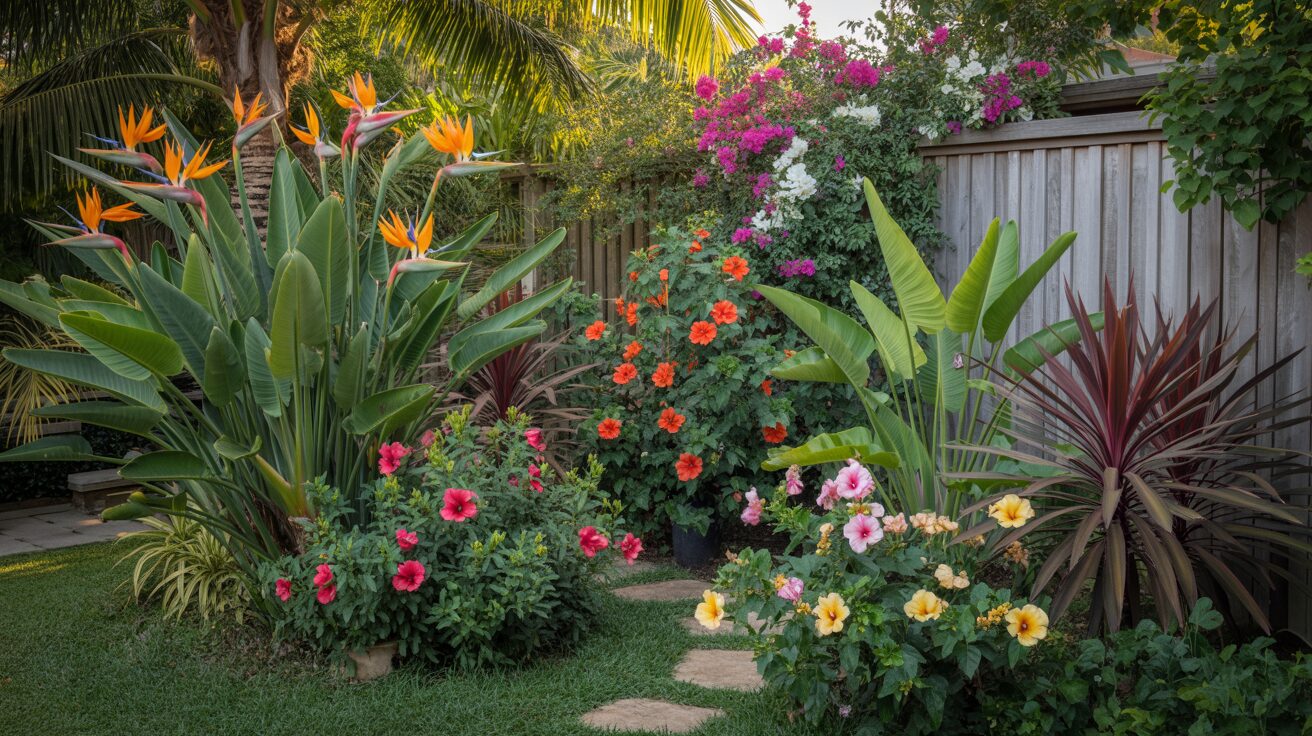
Whether you are searching for the best tropical flowering plants for a full sun patio or learning how to grow potted tropical plants in full sun without cooking their root systems, setting up the right foundational environment for your tropical plants to flourish and acclimatize to intense light outdoor is critical.
How to Acclimatize Intense-Light Outdoor Plants Without Shocking Them
Tropical plants grown in nurseries are often kept under shade cloth. They are not used to direct, intense sun. If you move them directly into full sun, the leaves will scorch.
Follow this simple process:
- Place your new plant in a shady spot for the first few days. Then move it to a spot with morning sun only. After a few more days, move it to a spot with morning and early afternoon sun. Finally, move it to its permanent full-sun location. Note: This process takes 7 to 10 days. Do not rush it. Each step allows the plant to build thicker leaves. It also produces natural sunscreen compounds.
- Watch for signs of stress. If leaves turn yellow or brown, move the plant back to a shadier spot. Give it more time to adjust. Then try again.
- Start with sun-tolerant varieties. Some tropicals handle full sun better than others. Hibiscus, Bird of Paradise, Bougainvillea, and Canna Lilies are good choices.
Best Tropical Plants for Full Sun and Heat
If you live in a hot climate (zones 9-11), choose heat-tolerant tropicals. These plants thrive in the heat.
- Hibiscus loves heat and sun. It blooms continuously from spring to fall.
- Bougainvillea is another heat-lover. It actually blooms more in hot, dry conditions.
- Bird of Paradise tolerates heat well, but it needs regular water.
- Canna Lilies thrive in heat as long as the soil stays moist.
- Plumeria (frangipani) is a heat-loving tree. It produces fragrant flowers.
- Crown of Thorns is a succulent that loves hot, sunny spots. It blooms almost year-round.
For more heat-tolerant plants, see geranium plant care – geraniums also love full sun.
Top Flowering Tropicals for Maximum Patio Impact
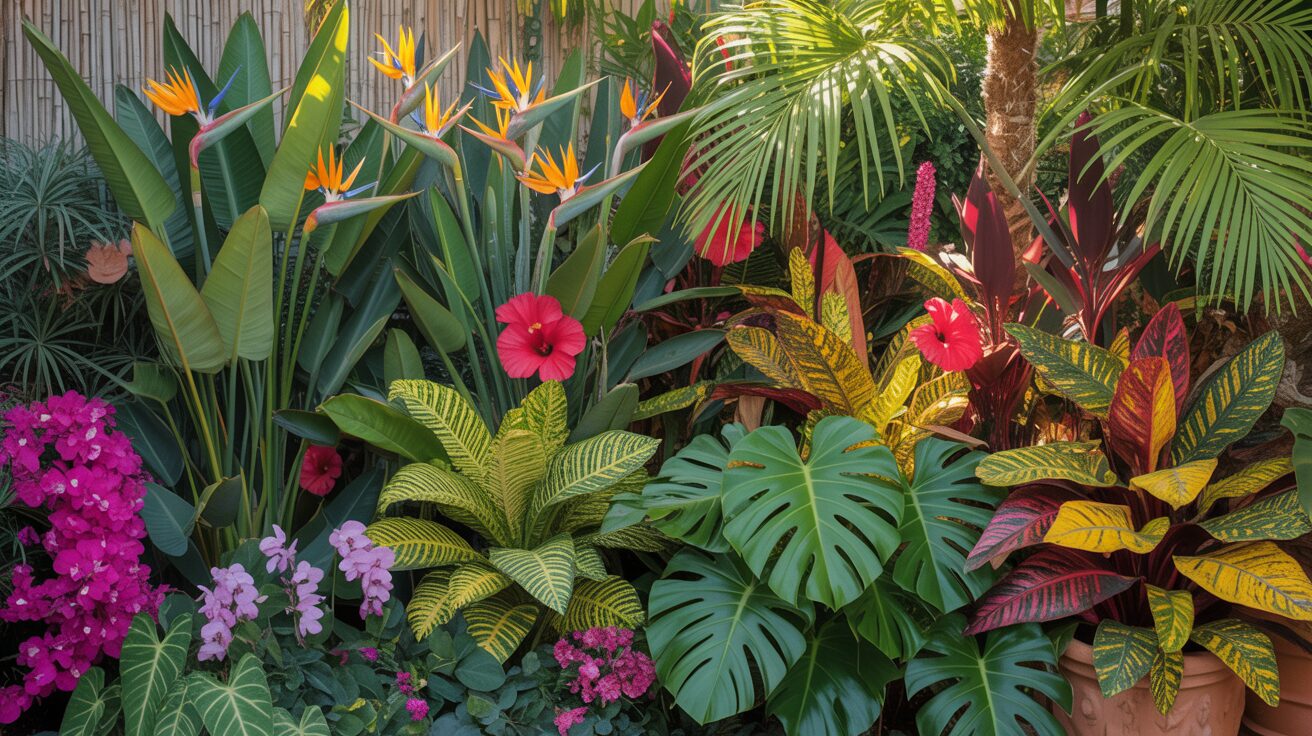
Flowering tropicals turn a plain patio into a resort-style oasis. These plants reward you with nonstop color.
Best Tropical Flowering Plants for Full Sun Patio
- Hibiscus is the king of tropical flowering plants. Its flowers are huge – up to 8 inches across. Colors range from red and pink to yellow, orange, and white. Some varieties have double petals.
- Bougainvillea is not actually a flower. The colorful parts are bracts (modified leaves). However, they look like flowers. Bougainvillea blooms in pink, purple, red, orange, and white. It is a climber, so give it a trellis or let it spill from a pot.
- Bird of Paradise has flowers that look like tropical birds. The blooms are orange and blue. They sit on tall stems above the foliage. Bird of Paradise takes 3 to 5 years to bloom from seed. Buy a mature plant for faster results.
- Plumeria produces clusters of fragrant flowers. The blooms are white, yellow, pink, or red. Plumeria is often used in Hawaiian leis. The fragrance is strongest in the evening.
- Canna Lilies have bold flowers in red, orange, yellow, and pink. The leaves are also colorful – green, bronze, or variegated. Cannas grow fast and bloom all summer.
Growing Tropical Hibiscus in Full Sun Containers
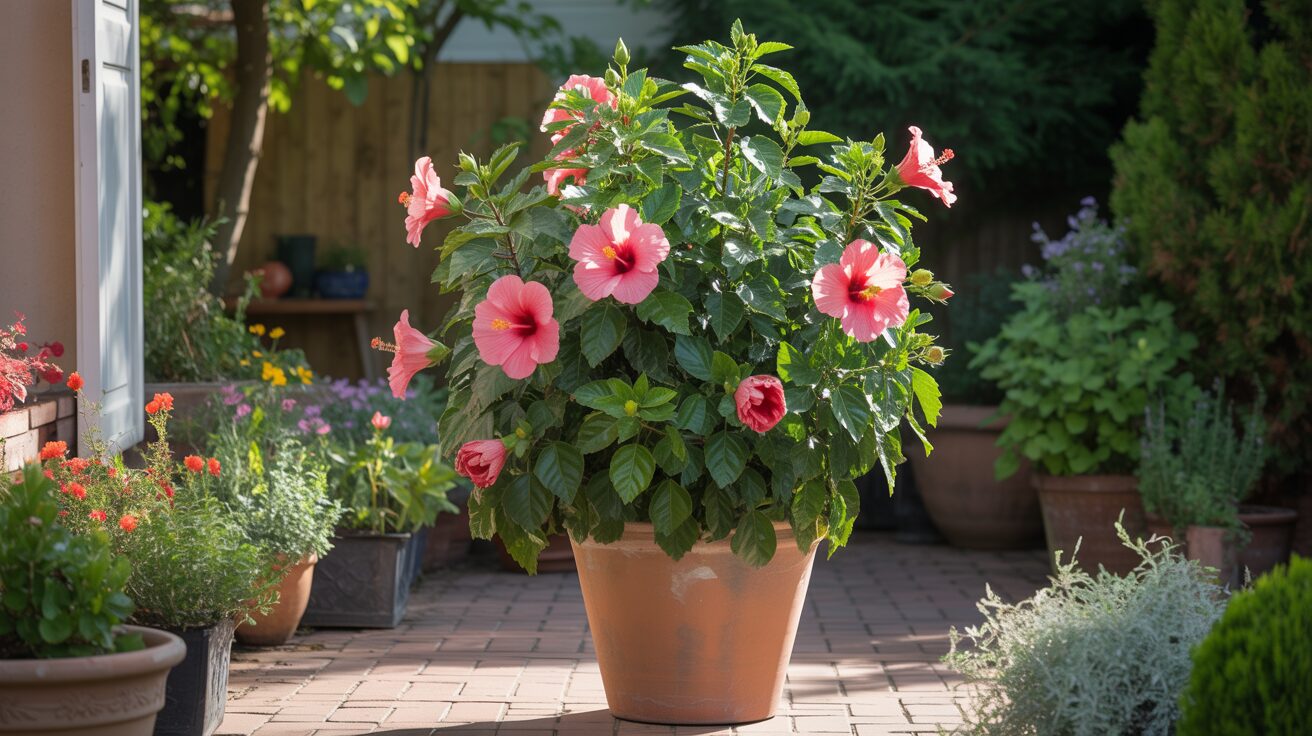
Hibiscus is one of the easiest tropicals to grow in pots. It blooms nonstop from spring to fall.
- Choose a large pot. Hibiscus roots need room. Use a container that is at least 14 inches wide. Make sure it has drainage holes.
- Use well-draining potting mix. Add perlite or sand for drainage. For the perfect mix, see my guide on indoor plant potting soil.
- Place in full sun. Hibiscus needs 6 to 8 hours of direct sun daily. Morning sun with afternoon shade is fine in very hot climates.
- Water daily in summer. Potted hibiscus dries out fast. Check the soil every morning. If the top inch feels dry, water deeply.
- Fertilize every 2 weeks. Use a high-potassium fertilizer (look for numbers like 10-10-10 or 12-10-10). This encourages more blooms.
- Prune in late winter. Cut back leggy stems by one-third. This encourages bushier growth and more flowers.
- Watch for yellow leaves. This can mean overwatering or lack of nutrients. Let the soil dry out more between waterings. If the plant is in a large pot, it may need to be repotted.
Can Tropical Canna Lilies Grow in Direct Sunlight?
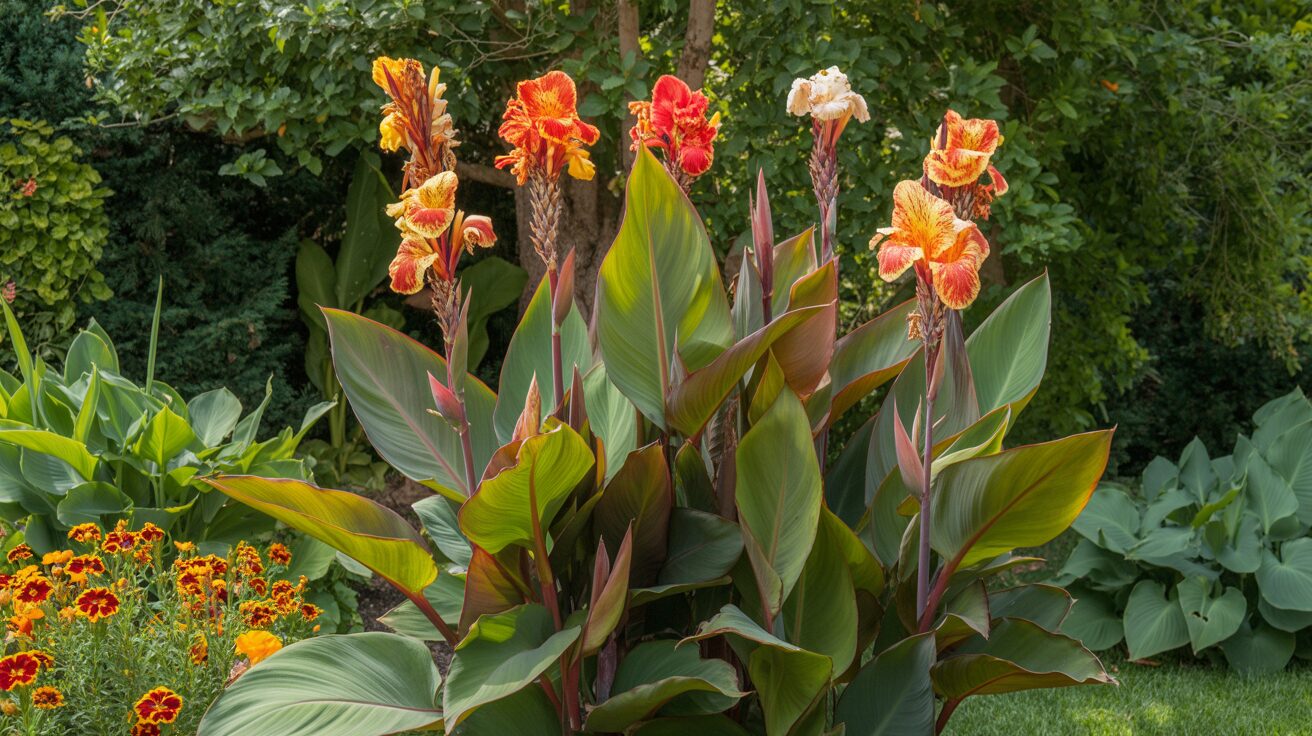
Yes, Canna Lilies love direct sun. They thrive in 6 to 8 hours of full sun. In fact, they bloom less in shade.
Cannas need consistent moisture. Unlike many tropicals, they do not like to dry out. Water them deeply every other day in summer. In pots, water daily.
- Use rich, well-draining soil. Add compost to your potting mix. Cannas are heavy feeders. They need nutrient-rich soil.
- Fertilize monthly. Use a balanced fertilizer (10-10-10). This supports both leaf growth and flower production.
- Deadhead spent flowers. Snip off the old blooms. This encourages the plant to produce more flowers.
- Prune damaged leaves. Cannas can get brown leaf edges from wind or heat. Cut off the damaged parts. The plant will grow new leaves.
- Overwinter indoors in cold climates. In zones 8 and below, dig up the bulbs (rhizomes) after the first frost. Store them in a cool, dry place. Replant in spring.
For more container tips, see best plants for pots all year round.
Printable Tropical Plant Care Chart (Save This)
PLANT | SUNLIGHT | WATER | SOIL | FERTILIZER | HARDINESS ZONE |
Hibiscus | Full sun (6-8 hrs) | Daily in pots | Well-draining | High potassium every 2 weeks | 9-11 |
Bougainvillea | Full sun (6-8 hrs) | Let dry between | Sandy, well-draining | Low nitrogen monthly | 9-11 |
Bird of Paradise | Full sun to partial | Regular | Rich, well-draining | Balanced every 2-3 months | 10-12 |
Plumeria | Full sun | Let dry between | Sandy, well-draining | High phosphorus monthly | 9-11 |
Canna Lily | Full sun | Keep moist | Rich, well-draining | Balanced monthly | 8-11 |
Keep this chart near your garden. It will help you remember the key steps.
Flowering tropicals are not the only plants that thrive in full sun. You can also use tropicals for privacy screening and poolside landscaping. Tall plants like Banana Plants and Traveler's Palms create a lush, tropical backdrop.
Next, I will cover low-maintenance tropicals for landscaping, the best plants for poolside areas, and fast-growing options for privacy screens.
Designing Your Landscape: Privacy and Poolside Elegance
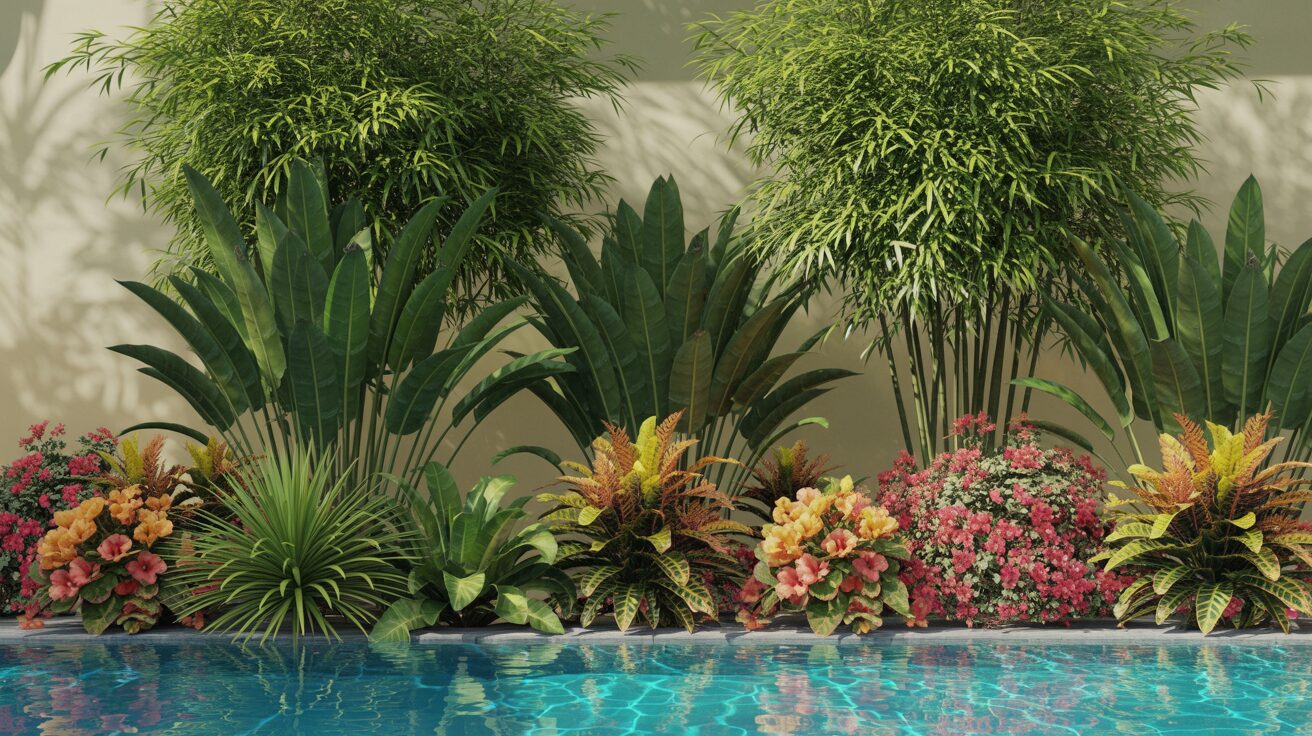
Tropical plants are not just for patios. They transform entire landscapes. Use them to create privacy, frame a pool, or add drama to a bare wall
Low Maintenance Full Sun Tropical Landscaping Plants
Not all tropicals need constant care. These low-maintenance options are perfect for busy gardeners.
- Bougainvillea is drought-tolerant once established. It needs little water. Prune it once or twice a year. It thrives on neglect.
- Bird of Paradise is also low-maintenance. Water it when the soil is dry. Fertilize twice a year. It will bloom reliably.
- Yucca is a spiky, dramatic plant. It is extremely drought-tolerant. Plant it in full sun. Water it once a month. It requires almost no care.
- Lantana is a flowering shrub. It blooms nonstop from spring to fall. It is drought-tolerant and heat-loving. Lantana attracts butterflies.
- Crown of Thorns is a succulent shrub. It blooms year-round in warm climates. Water it every 2 to 3 weeks. It needs well-draining soil.
For more low-maintenance options, see spiky houseplants – many spiky plants thrive in full sun outdoors.
Best Tropical Plants for Full Sun Pool Landscaping
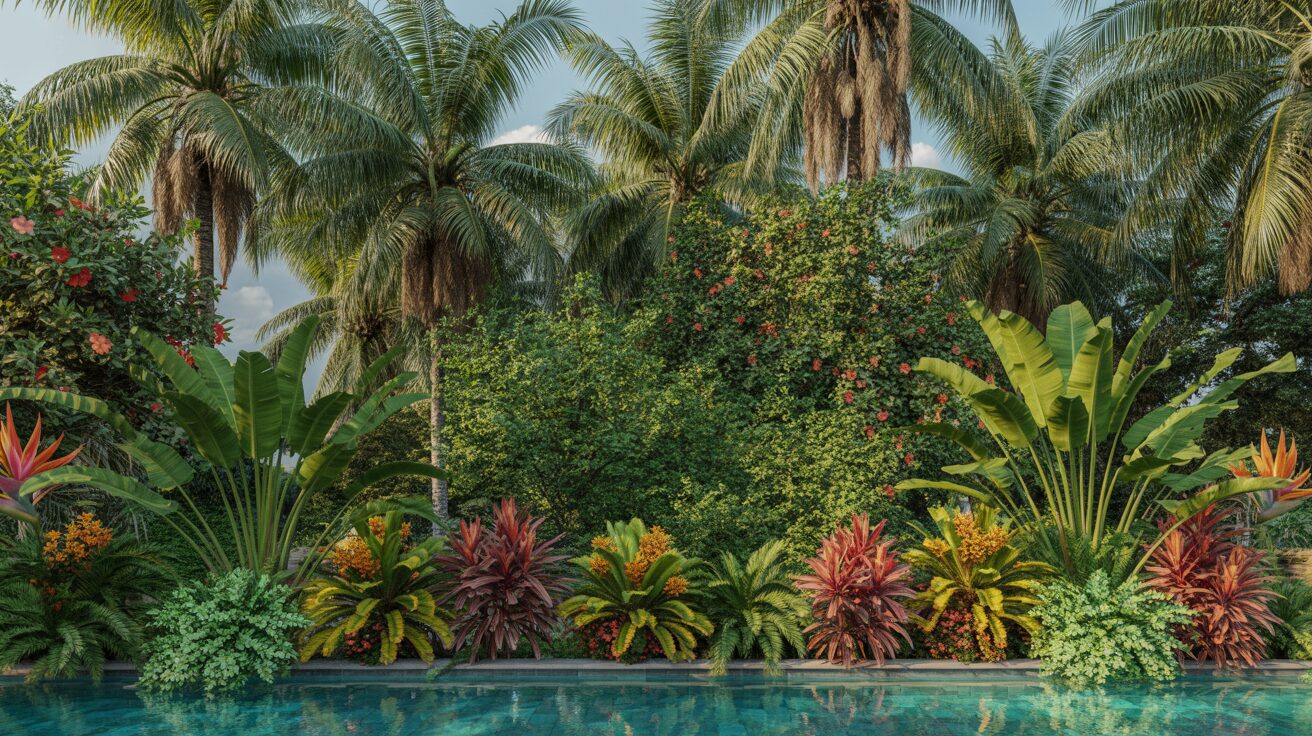
Plants around a pool must tolerate chlorine splashes, reflected heat, and high humidity. These tropicals handle poolside conditions well.
- Bird of Paradise adds height and drama. Its large leaves hold up well. It does not drop many leaves into the pool.
- Hibiscus is a poolside favorite. Its flowers float on the water. However, the blooms drop after one day. Be prepared to skim the pool.
- Canna Lilies thrive in moist soil. They are perfect for pool edges. Their bold flowers reflect in the water.
- Bougainvillea can be trained on a trellis near the pool. However, it has thorns. Keep it away from high-traffic areas.
- Palms (Queen Palm, Bamboo Palm, Coconut Palm) are classic poolside plants. They provide dappled shade. Their fronds sway in the breeze.
Avoid plants with heavy leaf drop. Deciduous trees and flowering plants that drop many leaves will create extra pool maintenance.
Fast Growing Tropical Plants for Full Sun Privacy Screening
Need a privacy screen quickly? These tropicals grow fast. They create a living wall in one to two seasons.
- Bamboo is the fastest-growing privacy screen. However, choose clumping bamboo, not running bamboo. Running bamboo is invasive. Clumping bamboo stays in place.
- Banana Plant grows from a small pup to 10 feet tall in one summer. It creates instant tropical texture. Use it as a seasonal screen. In cold climates, it dies back in winter.
- Bougainvillea grows quickly on a trellis. It can cover a fence in one season. However, it needs support. Bougainvillea is not self-climbing.
- Canna Lilies grow 4 to 6 feet tall. Plant them in a dense row. They create a low privacy screen for patios and pool equipment.
- Oleander is a flowering shrub that grows 8 to 12 feet tall. It is drought-tolerant and fast-growing. However, oleander is toxic. Keep it away from children and pets.
Space plants properly for screening. For a dense hedge, plant bougainvillea 3 to 4 feet apart. Plant bamboo 4 to 5 feet apart. Plant cannas 1 to 2 feet apart.
For more on privacy plants, see my post on balcony privacy with plants.
Soil, Fertilizer, and Suncare Fundamentals
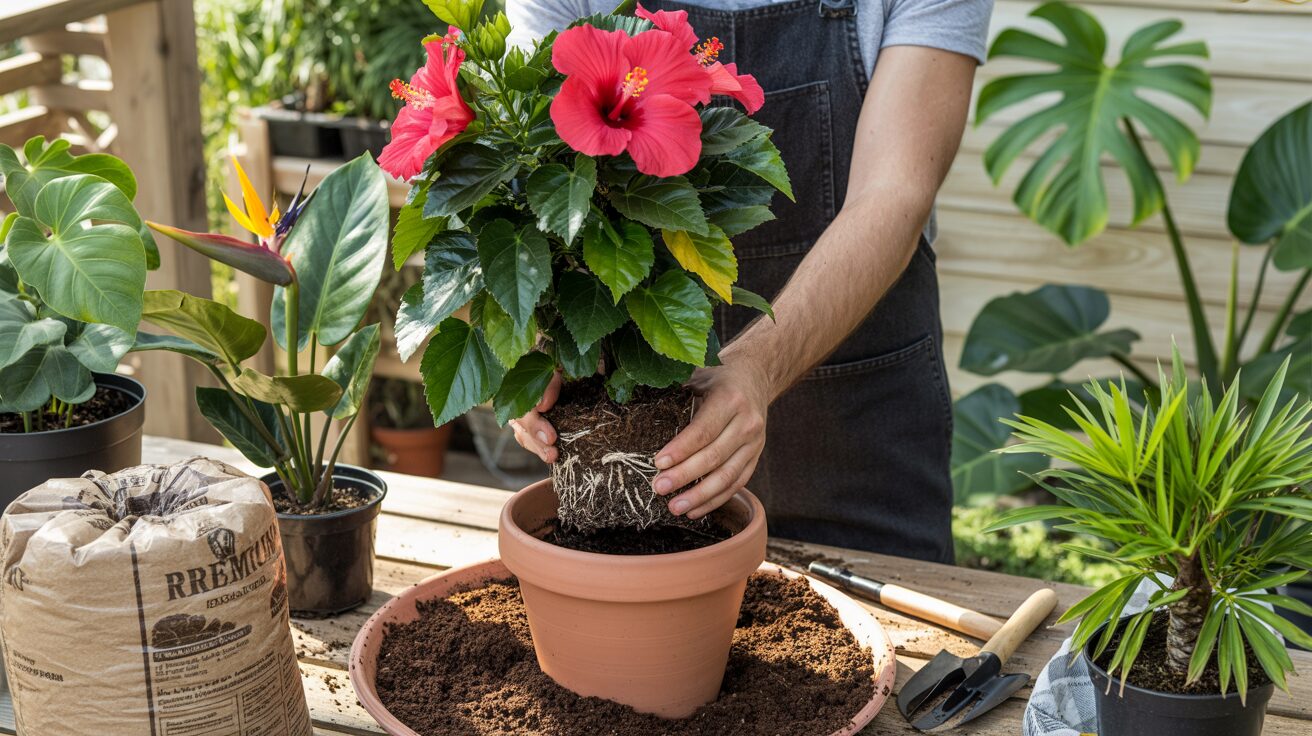
Healthy soil is the foundation of a thriving tropical garden.
Best Well-Draining Soil Mix for Outdoor Tropical Plants
For the perfect well-draining mix, see my full guide on indoor plant potting soil – the same principles apply outdoors with added sand or perlite.
Best Slow Release Fertilizer for Full Sun Tropicals
Tropical plants are heavy feeders. They grow fast and bloom continuously. They need regular fertilizer.
- Use a slow-release fertilizer for convenience. Apply it once every 2 to 3 months. The nutrients release gradually. Your plants get a steady supply.
- Choose a balanced formula. Look for numbers like 10-10-10 or 14-14-14. These provide equal amounts of nitrogen, phosphorus, and potassium.
- For flowering tropicals (Hibiscus, Plumeria), use a high-phosphorus formula. Look for numbers like 10-30-10 or 8-20-8. Phosphorus encourages more blooms.
- For palms, use a palm-specific fertilizer. It contains extra magnesium and potassium. Palms need these nutrients to prevent yellowing fronds.
Apply fertilizer in spring and summer. Do not fertilize in fall and winter. Tropical plants grow slowly in cool weather. Fertilizer can burn the roots. Water before and after applying fertilizer. This prevents root burn. It also helps the nutrients reach the roots.
For more on fertilizer basics, see indoor plant potting mix.
Summer Hydration & Troubleshooting Guide
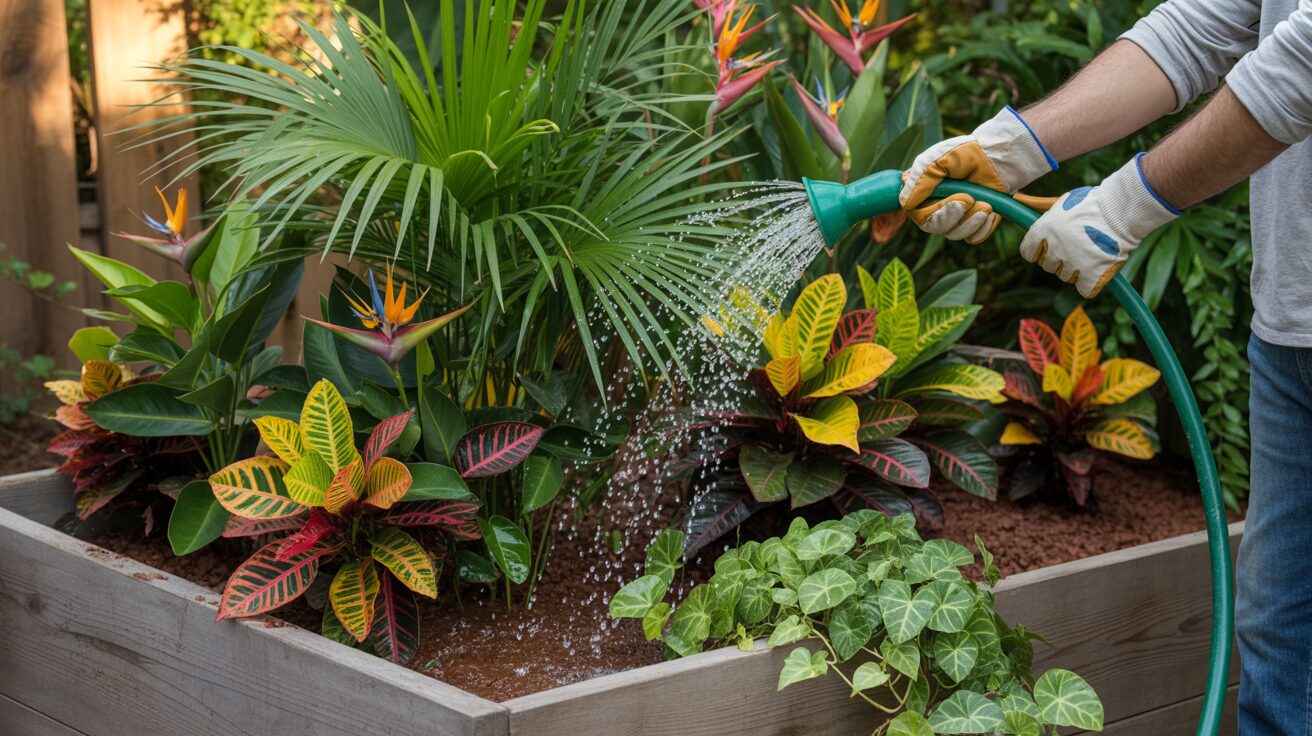
Summer is the most challenging season for tropical plants. Heat and sun are good. However, too much can cause problems.
How Often to Water Full Sun Tropical Plants in Summer
Tropical plants need consistent moisture in summer. However, they hate soggy soil.
- Check the soil every morning. Stick your finger into the soil. If the top 2 inches feel dry, water deeply. If the soil feels damp, wait another day.
- Water potted plants daily in extreme heat. Containers dry out fast. A 14-inch pot may need water every day. A 6-inch pot may need water twice a day.
- Water in-ground plants every 2 to 3 days. In very hot weather (above 95°F / 35°C), water every other day. Water deeply, not lightly. Shallow watering encourages roots to stay near the surface. Deep watering encourages roots to grow deep. Deep roots tolerate drought better.
- Water at the base of the plant. Avoid overhead watering. Wet leaves can lead to fungal diseases. Use a soaker hose or drip irrigation for large beds.
- Mulch heavily. Apply 2 to 4 inches of mulch around your plants. Mulch keeps the soil cool. It also reduces evaporation. Use wood chips, straw, or shredded leaves.
If you are forgetful, consider building a self-watering herb garden – the same principles apply to tropicals.
Why Are My Full Sun Tropical Plant Leaves Scorching?
Leaf scorch appears as brown, crispy edges or patches on leaves. It is common in full sun tropicals.
Sunburn during acclimatization is the most common cause. If you did not acclimatize your plant, the leaves will scorch. Move the plant to a shadier spot. Let it recover. Then acclimatize it slowly.
Underwatering also causes scorch. The plant cannot move enough water to the leaves. The edges dry out and turn brown. Water more frequently.
Overwatering can also cause scorch. Yes, ironically. Overwatered roots cannot absorb water properly. The leaves show the same symptoms as underwatering. Check the soil. If it is wet, let it dry out.
Reflected heat from walls or concrete can scorch leaves. White walls reflect more heat. Move the plant away from hot surfaces.
Wind burn is another possibility. Hot, dry wind dries out leaves. Provide a windbreak. Plant taller plants on the windward side.
Protecting Full Sun Tropical Plants from Extreme Heatwaves
Heatwaves (temperatures above 95°F / 35°C for several days) stress tropical plants. They need extra care.
- Water deeply the night before a heatwave. Wet soil conducts heat away from roots. The plant also has extra water to use for cooling.
- Provide temporary shade. Use shade cloth, an umbrella, or a beach umbrella. Filter 30% to 50% of the sun. Remove the shade after the heatwave passes.
- Move potted plants to a shadier spot. Put them under a tree or against a north-facing wall. This protects them from afternoon sun.
- Mist the leaves in the morning. Use a spray bottle or hose nozzle. Misting cools the leaves. It also increases humidity. Do not mist in the evening. Wet leaves overnight can lead to fungal diseases.
- Do not fertilize during a heatwave. Fertilizer stresses the roots. Wait until temperatures cool down.
- Watch for signs of heat stress. Wilting, drooping leaves, and flower drop are common. Most plants recover when temperatures drop.
What Is the Most Heat-Tolerant Tropical Plant?
If you live in a very hot climate (Arizona, Texas, Florida), choose these heat-tolerant tropicals.
- Bougainvillea is the most heat-tolerant tropical. It thrives in temperatures over 100°F (38°C). It actually blooms more in hot, dry conditions.
- Lantana is another heat-lover. It blooms continuously in full sun. It tolerates drought and extreme heat.
- Crown of Thorns is a succulent. It stores water in its stems. It laughs at heatwaves. Water it every 2 weeks.
- Desert Rose (Adenium) is a heat-loving succulent. It produces beautiful pink or red flowers. It needs full sun and very little water.
- Yucca is a tough, spiky plant. It handles both heat and cold. It needs almost no water once established.
For more on spiky, heat-tolerant plants, see spiky houseplants.
Small Space Containers & End-of-Season Care
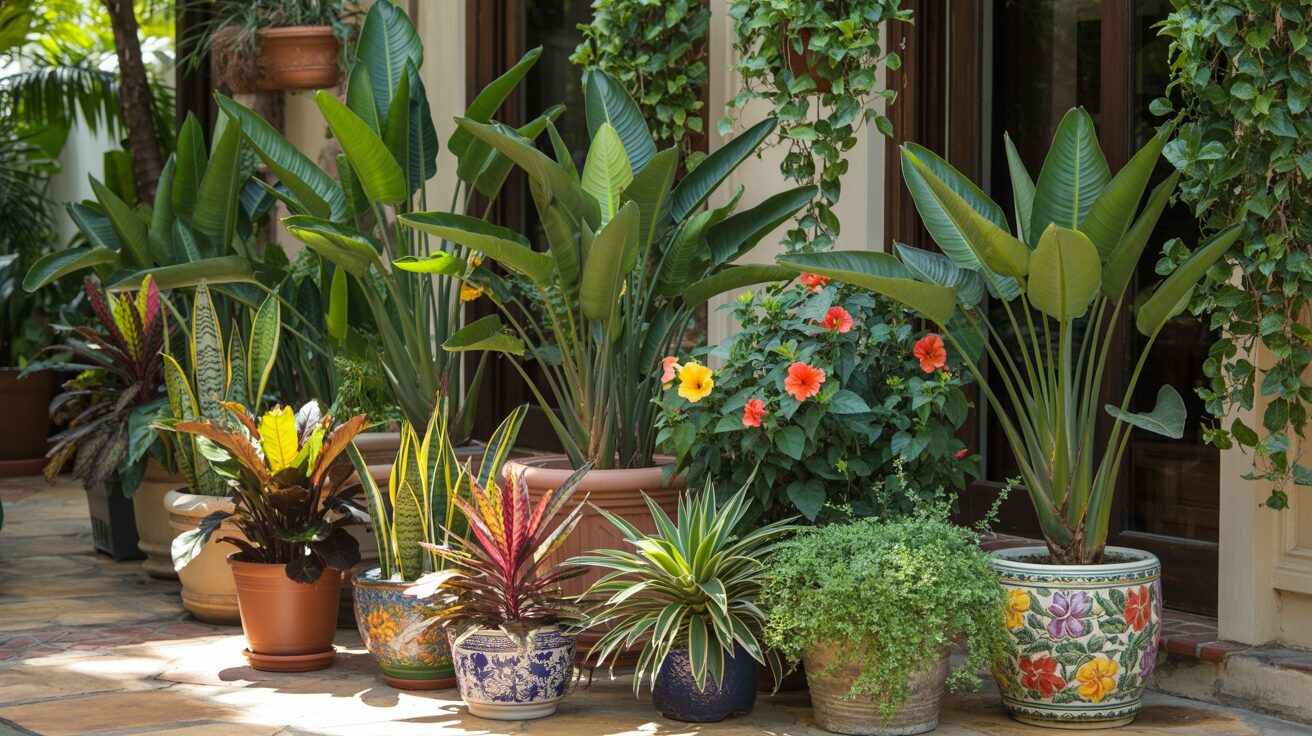
Even small patios and balconies can host tropical plants. Use containers to create a mini oasis.
How to Grow Potted Tropical Plants in Full Sun
Potted tropicals need more care than in-ground plants. However, they are portable. You can move them to protect them from cold or extreme heat.
- Choose large pots. A 14 to 20 inch pot is ideal for hibiscus, bougainvillea, and cannas. Small pots dry out too fast.
- Use lightweight potting mix. Do not use garden soil. It is too heavy. It compacts in pots. Use a mix with perlite and sand.
- Water daily in summer. Check the soil every morning. Potted plants may need water twice a day in extreme heat.
- Fertilize every 2 weeks. Nutrients wash out of pots quickly. Use a liquid fertilizer at half strength.
- Rotate pots every few weeks. This keeps the plant from leaning toward the sun.
- Repot every 2 to 3 years. Tropical plants outgrow their pots. Move them to a larger container.
For large statement planters that can handle these tropicals, see corten steel planters.
Drought Tolerant Tropical Plants for South Facing Yards
South-facing yards get the most sun. They are also the hottest. These drought-tolerant tropicals thrive in these conditions.
- Bougainvillea is the top choice. It needs little water once established. Water it every 2 to 3 weeks.
- Lantana is another drought-tolerant beauty. It blooms nonstop. Water it every 1 to 2 weeks.
- Crown of Thorns needs water every 2 to 3 weeks. It blooms year-round in warm climates.
- Yucca is extremely drought-tolerant. Water it once a month.
- Agave is a succulent with dramatic, spiky leaves. It needs water every 3 to 4 weeks.
- Plumeria is moderately drought-tolerant. Water it every 1 to 2 weeks. Let the soil dry between waterings.
How to Overwinter Full Sun Tropical Plants Indoors
In zones 8 and below, most tropicals cannot survive winter outdoors. Bring them inside before the first frost.
- Act before the first frost. Check your local frost dates. Bring plants inside when nighttime temperatures drop below 50°F (10°C).
- Inspect for pests. Check the leaves and soil for aphids, spider mites, and fungus gnats. Treat any infestations before bringing plants inside.
- Prune back leggy growth. Cut the plant back by one-third. This makes it easier to move. It also encourages bushier growth in spring.
- Place in a bright window. South or west-facing windows work best. If you lack natural light, use grow lights.
- Water less often. Indoor tropicals grow slowly in winter. Water every 2 to 4 weeks. Let the soil dry out between waterings.
Additional tips:
- Do not fertilize in winter. The plant is resting. Fertilizer can burn the roots.
- Watch for dry air. Indoor winter air is dry. Mist the leaves occasionally. Group plants together to increase humidity.
- Move plants back outside after the last frost. Acclimatize them slowly. Start with a few hours of morning sun. Gradually increase sun exposure over 7 to 10 days.
For more on bringing outdoor plants inside, see indoor container garden.

Part 2: The Best Tropical Plants for Full Sun (Plant Catalog)
What to expect in this section: Below you will find detailed plant entries for each category (Tall, Medium, Small, Low-Maintenance, and Container-Friendly). Each entry includes a photo, a quick-reference table, a description, "Why You'll Love It," and care tips. Scroll to find your perfect tropical plant.
Tall Tropical Plants for Full Sun (Over 6 feet)
When it comes to creating a striking focal point, tall tropical plants for full sun are the way to go. These towering beauties add drama and height to any garden, thriving under the intense sunlight.
Bird of Paradise (Strelitzia)
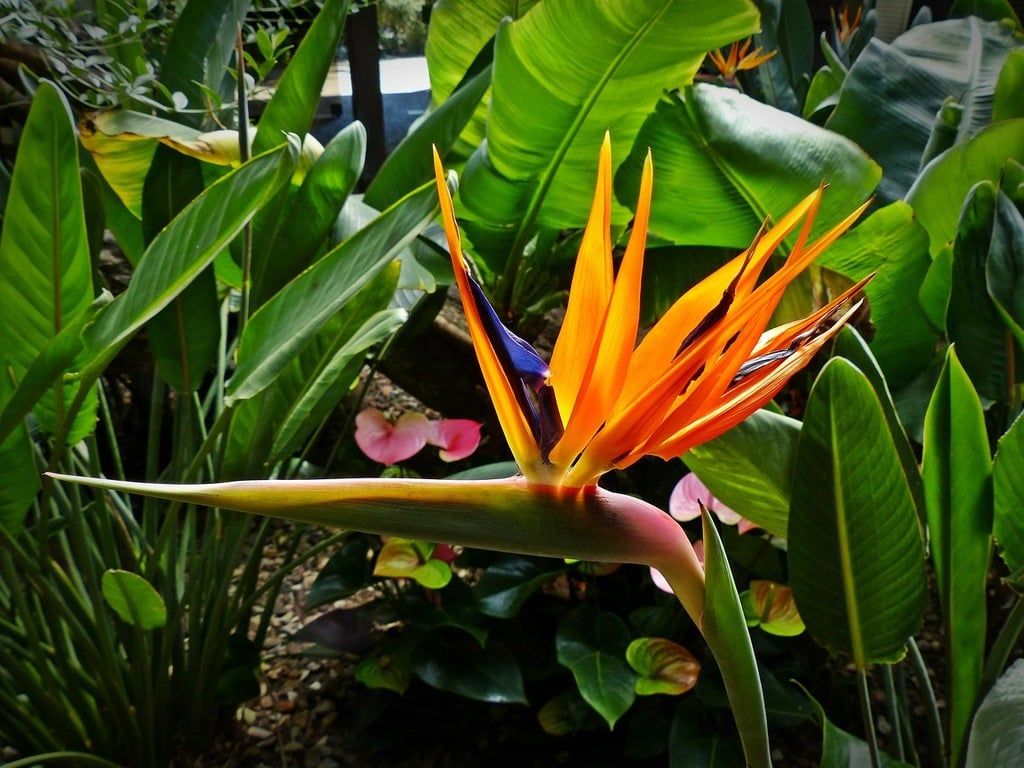
- Botanical Name: Strelitzia reginae
- Hardiness Zone: 10-12
- Season of Interest: Year-round
- Sun Exposure: Full sun
- Soil Type: Well-draining, loamy soil
- Soil pH: Slightly acidic to neutral (5.5-7.5)
- Height: 3-5 feet
- Spread: 2-4 feet
Bird of Paradise is like having a tropical bird perched in your garden! This stunning plant boasts large, banana-like leaves and striking orange and blue flowers that resemble a bird in flight. It's the perfect plant to add a touch of the exotic to your space.
Why You'll Love It: This plant is a showstopper with its unique flowers and lush foliage. It's a fantastic focal point for any garden or patio, making you feel like you're on a tropical vacation every day.
Care Tips: Bird of Paradise thrives in full sun and well-draining soil. Water it regularly, but ensure the soil dries out between waterings. It appreciates a bit of humidity, so misting its leaves can help keep it happy.
Banana Plant (Musa)
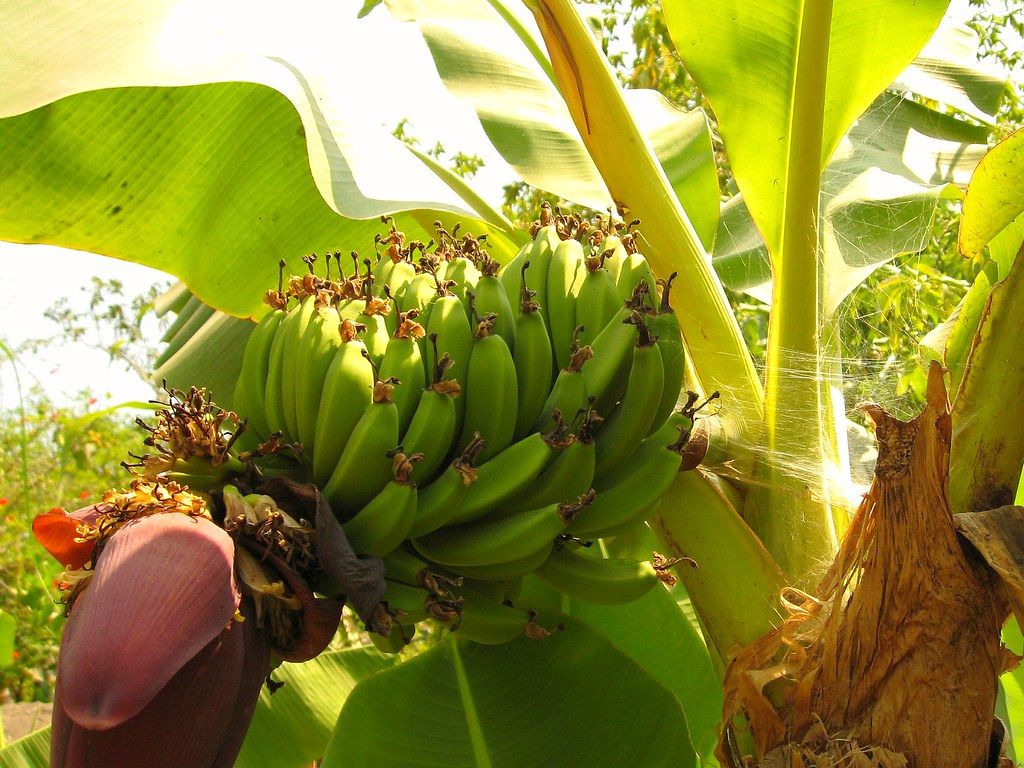
Source: Photo by Jenni Konrad
- Botanical Name: Musa spp.
- Hardiness Zone: 9-11
- Season of Interest: Summer to fall
- Sun Exposure: Full sun
- Soil Type: Rich, well-draining soil
- Soil pH: Slightly acidic to neutral (5.5-7.0)
- Height: 6-20 feet
- Spread: 6-12 feet
Banana plants are like the giants of the tropical world. With their large, paddle-shaped leaves, they can turn any garden into a lush, green paradise. Plus, they might even reward you with some delicious bananas!
Why You'll Love It: If you want to create a tropical jungle vibe, banana plants are your best friends. They grow quickly, provide excellent shade, and add an instant tropical feel to your garden.
Care Tips: Banana plants love full sun and rich, well-draining soil. They need regular watering, especially during dry spells. Feeding them with a balanced fertilizer every month will help them grow strong and healthy.
Traveler's Palm (Ravenala madagascariensis)

Source: photo by Tiragreene
- Botanical Name: Ravenala madagascariensis
- Hardiness Zone: 10-11
- Season of Interest: Year-round
- Sun Exposure: Full sun
- Soil Type: Rich, moist, well-draining soil
- Soil pH: Neutral to slightly acidic (6.0-7.0)
- Height: 30-50 feet
- Spread: 10-15 feet
Traveler's Palm is like the majestic fan of the plant world. Its large, fan-shaped leaves grow in a single plane, making it look like a giant hand waving in the breeze. It's a real eye-catcher!
Why You'll Love It: This plant is perfect for adding height and drama to your garden. Its unique shape and impressive size make it a standout feature that will make your garden the talk of the neighborhood.
Care Tips: Traveler's Palm needs full sun and rich, moist, well-draining soil. It enjoys regular watering and feeding with a balanced fertilizer. Make sure to give it plenty of space to spread its majestic leaves.
Medium Tropical Plants for Full Sun (3 to 6 feet)
Medium-sized tropical plants are the backbone of a lush garden. They add height without overwhelming small spaces, and they produce the most dramatic flowers.
Hibiscus (Hibiscus rosa-sinensis)
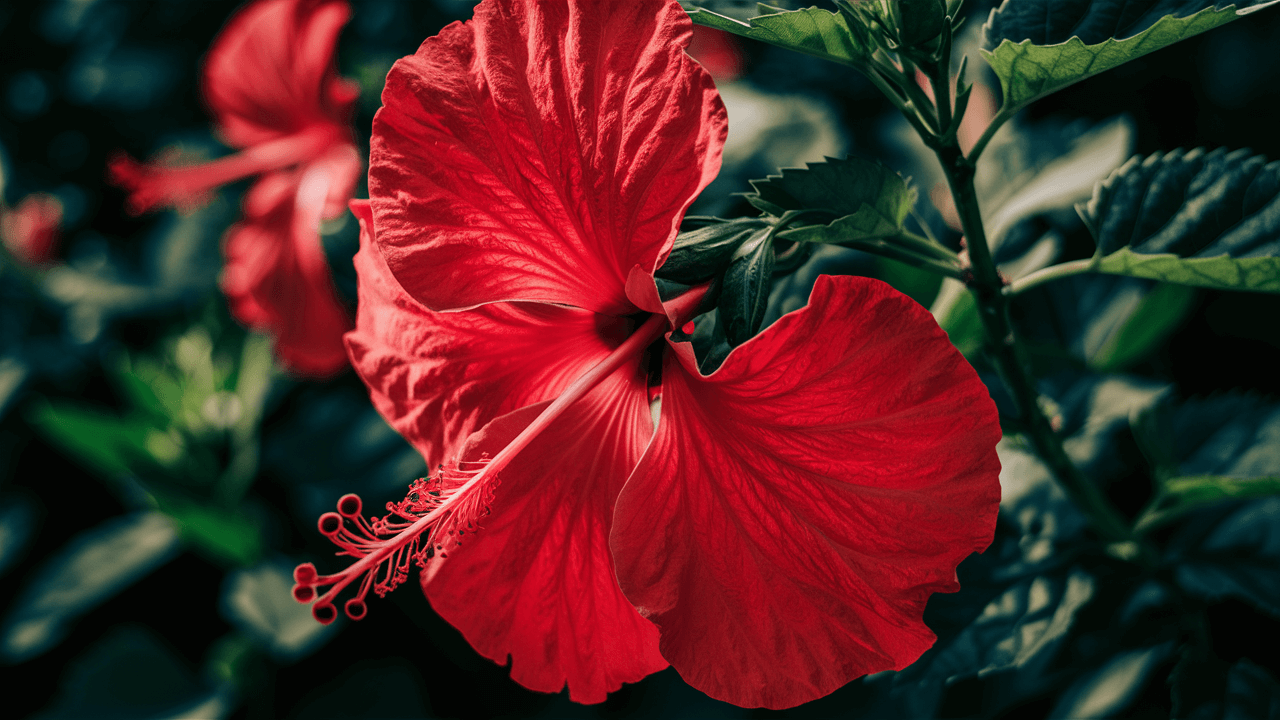
- Botanical Name: Hibiscus rosa-sinensis
- Hardiness Zone: 9-11
- Season of Interest: Spring to fall
- Sun Exposure: Full sun
- Soil Type: Well-draining, loamy soil
- Soil pH: Slightly acidic to neutral (6.0-7.5)
- Height: 3-6 feet
- Spread: 3-6 feet
Hibiscus is like the cheerleader of tropical plants for full sun. With its vibrant, trumpet-shaped flowers in a variety of colors, it brings a splash of color and a burst of energy to any garden.
Why You'll Love It: Hibiscus flowers are perfect for brightening up your garden. They attract hummingbirds and butterflies, adding even more life and color to your outdoor space.
Care Tips: Hibiscus loves full sun and well-draining soil. Water it regularly, especially during hot weather, and feed it with a high-potassium fertilizer to encourage more blooms.
Plumeria (Plumeria spp.)
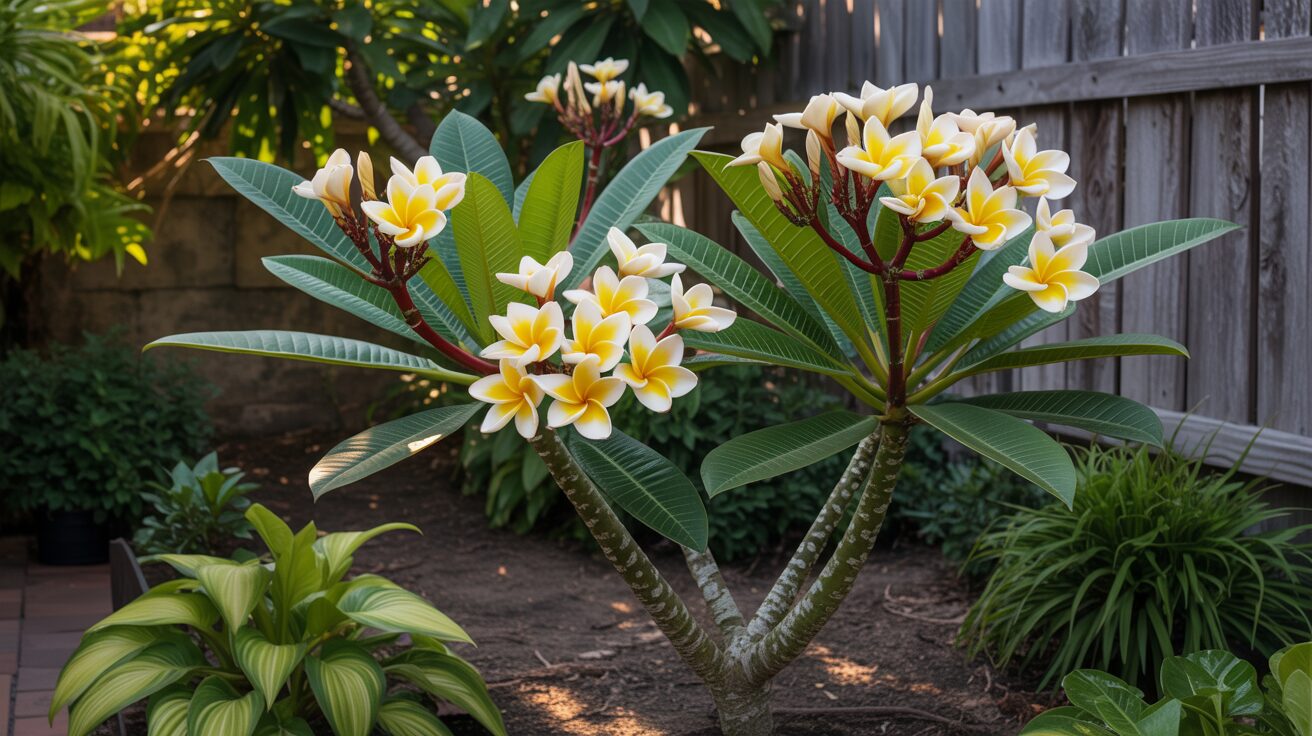
- Botanical Name: Plumeria spp.
- Hardiness Zone: 9-11
- Season of Interest: Spring to fall
- Sun Exposure: Full sun
- Soil Type: Well-draining, slightly acidic soil
- Soil pH: Slightly acidic to neutral (6.0-6.7)
- Height: 3-6 feet
- Spread: 10-20 feet
Plumeria is like the fragrance queen of the plant world with its large, fragrant flowers that come in a variety of colors like white, yellow, pink, and red. The blooms are often used in making Hawaiian leis.
Why You'll Love It: The fragrant, beautiful flowers of Plumeria are perfect for adding a touch of the tropics to your garden. They're also great for cutting and bringing indoors to enjoy their delightful scent.
Care Tips: Plumeria loves full sun and well-draining, slightly acidic soil. Water it deeply but infrequently, allowing the soil to dry out between waterings. Fertilize it during the growing season to encourage more blooms.
Bougainvillea (Bougainvillea glabra)
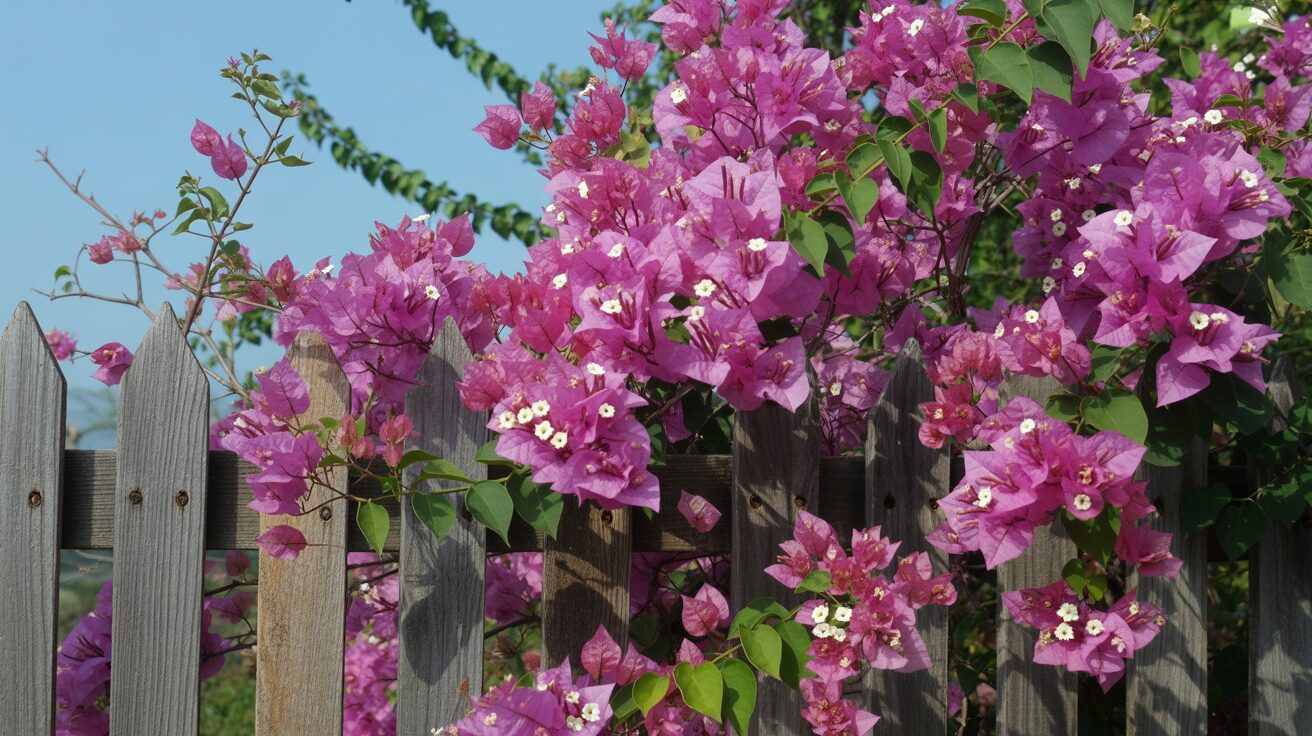
- Botanical Name: Bougainvillea glabra
- Hardiness Zone: 9-11
- Season of Interest: Year-round, peak bloom in spring and summer
- Sun Exposure: Full sun
- Soil Type: Well-draining, sandy or loamy soil
- Soil pH: Slightly acidic to neutral (5.5-6.5)
- Height: 3-6 feet
- Spread: 10-15 feet
Bougainvillea is like the festival of the plant world. With its vibrant, papery bracts in shades of pink, purple, red, and white, it adds a splash of color to any garden. It’s a vigorous climber, perfect for trellises, walls, and fences.
Why You'll Love It: Bougainvillea is perfect for those who want a low-maintenance, colorful climber that can cover large areas. Its dazzling bracts and rapid growth make it a standout in any landscape.
Care Tips: Bougainvillea thrives in full sun and well-draining soil. Water it moderately, allowing the soil to dry out between waterings. It’s drought-tolerant once established and benefits from regular pruning to maintain its shape and encourage blooming.
Canna Lily (Canna indica)
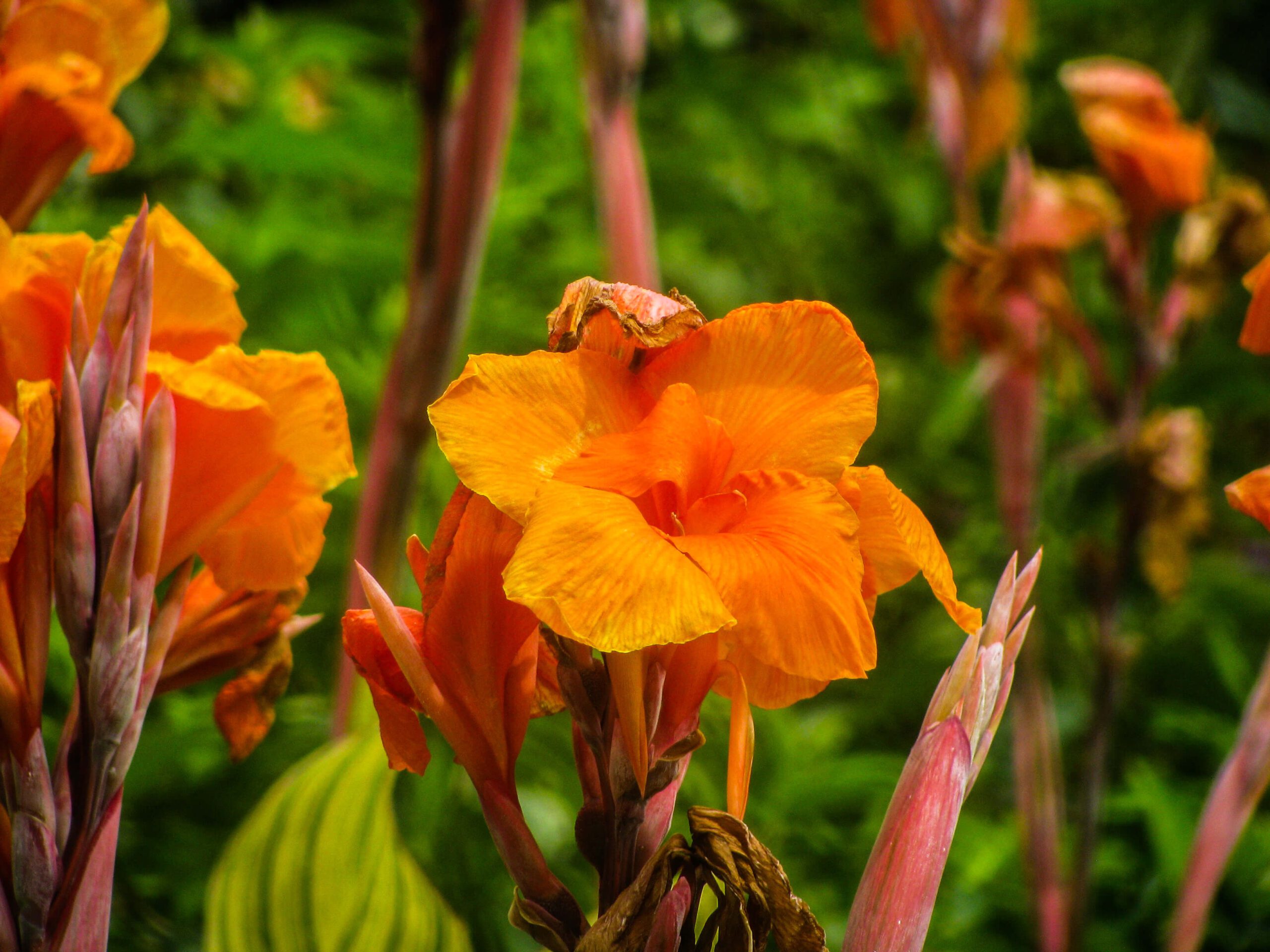
- Botanical Name: Canna indica
- Hardiness Zone: 8-11
- Season of Interest: Spring to fall
- Sun Exposure: Full sun
- Soil Type: Well-draining, rich soil
- Soil pH: Slightly acidic to neutral (6.0-7.0)
- Height: 3-6 feet
- Spread: 1-3 feet
Canna Lily is like the showgirl of the plant world. With its large, tropical leaves and bright, bold flowers in shades of red, orange, yellow, and pink, it adds a dramatic flair to any garden.
Why You'll Love It: Canna Lily is perfect for those who want a striking, low-maintenance plant that provides continuous blooms throughout the growing season. Its vibrant colors and lush foliage make it a standout in any garden.
Care Tips: Canna Lily prefers full sun and well-draining, rich soil. Water it regularly, keeping the soil consistently moist, and feed it with a balanced fertilizer during the growing season. It benefits from regular deadheading to encourage more blooms.
Croton (Codiaeum variegatum)
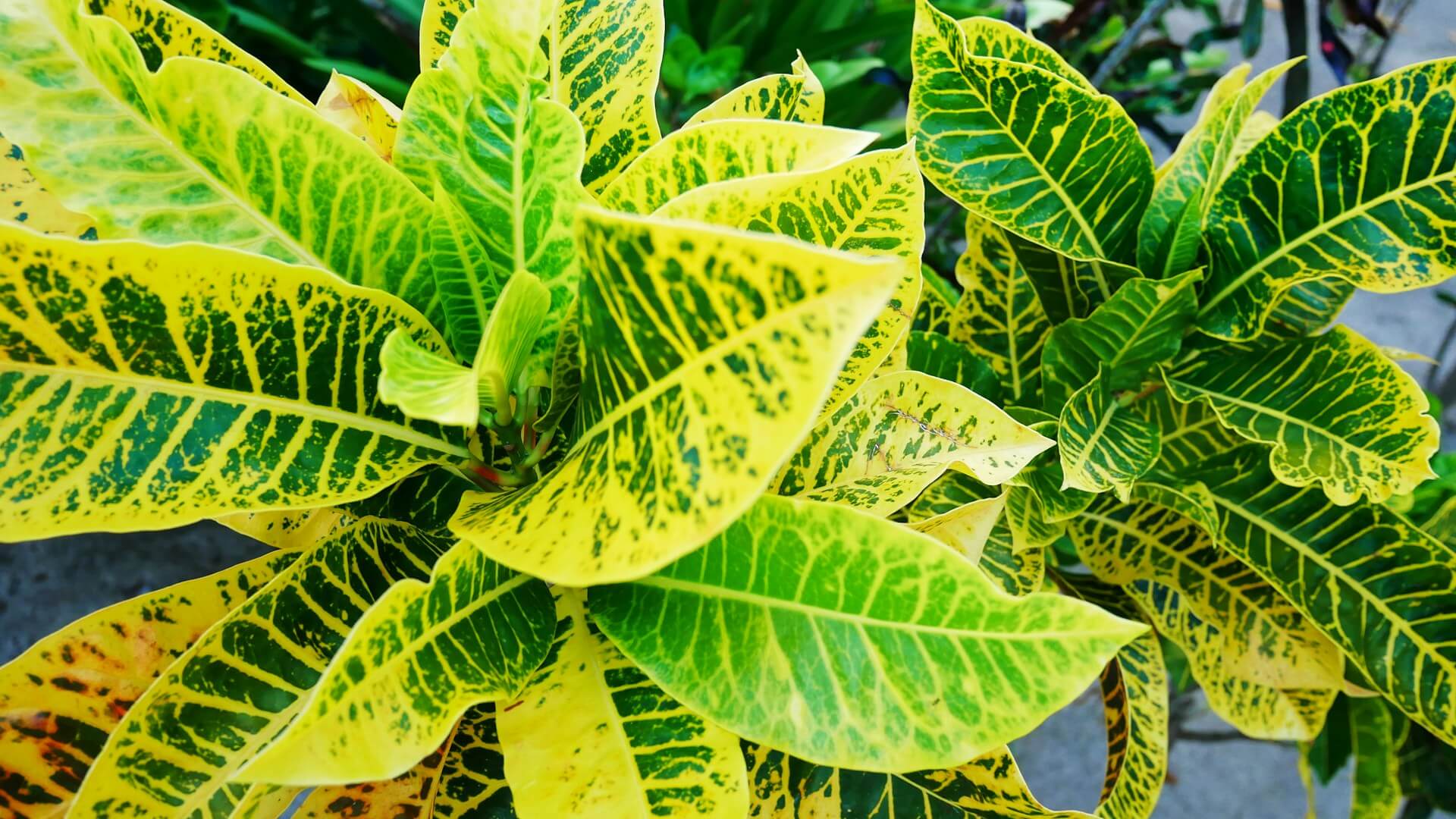
Source: Photo by Daniela Paola Alchapar
- Botanical Name: Codiaeum variegatum
- Hardiness Zone: 10-11
- Season of Interest: Year-round
- Sun Exposure: Full sun to partial shade
- Soil Type: Well-draining, loamy soil
- Soil pH: Slightly acidic to neutral (6.0-7.5)
- Height: 3-6 feet
- Spread: 2-4 feet
Croton is like the rainbow of the plant world! With its brilliantly colored leaves in shades of red, yellow, green, and orange, it can brighten up any garden or indoor space. Each leaf is unique, making it a colorful addition to your plant collection.
Why You'll Love It: Croton is perfect for adding a splash of color to your garden or home. Its vibrant foliage is eye-catching and can make any space look lively and cheerful. Plus, it's fairly low-maintenance!
Care Tips: Croton loves bright, indirect light but can tolerate some direct sunlight. Keep its soil consistently moist but not waterlogged. It enjoys higher humidity, so occasional misting will keep it happy.
Hawaiian Ti Plant (Cordyline fruticosa)
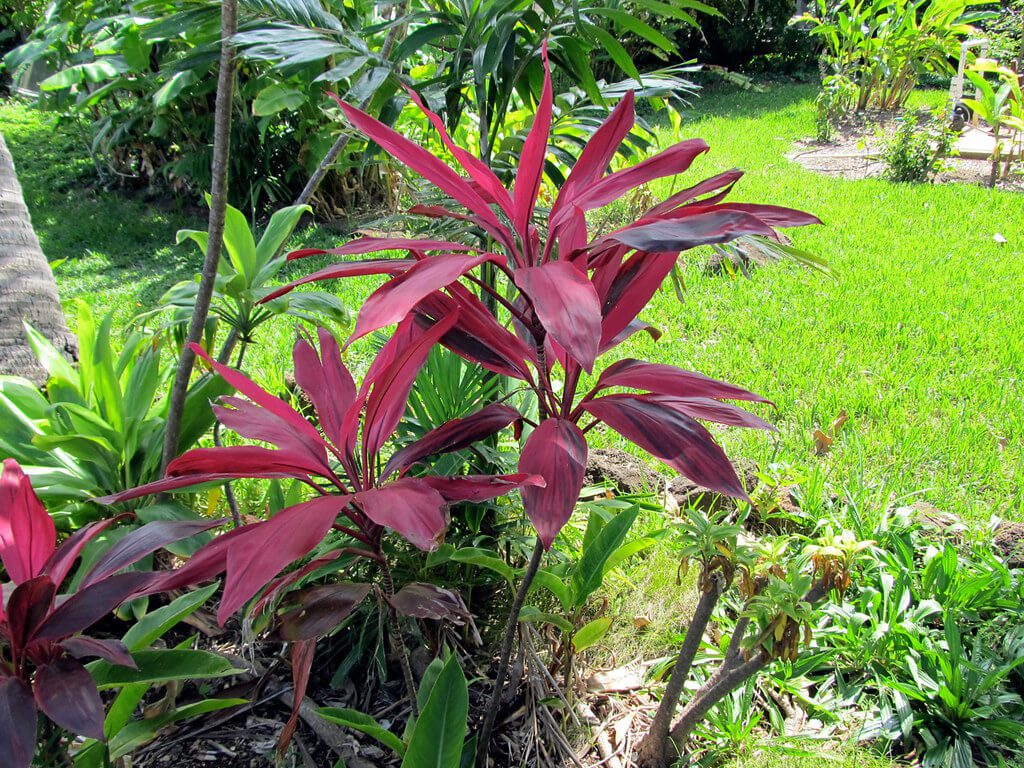
Source: Photo by daryl_mitchell
- Botanical Name: Cordyline fruticosa
- Hardiness Zone: 10-12
- Season of Interest: Year-round
- Sun Exposure: Full sun to partial shade
- Soil Type: Well-draining, fertile soil
- Soil pH: Slightly acidic to neutral (6.0-6.5)
- Height: 3-10 feet
- Spread: 2-4 feet
The Hawaiian Ti Plant is like the island dancer of the plant world with its strappy, colorful leaves that range from green to pink, red, and even purple. It brings a tropical flair and exotic vibe to your garden or indoor space.
Why You'll Love It: If you want to feel like you’re on a tropical island, the Hawaiian Ti Plant is your go-to. Its striking foliage and vibrant colors are perfect for creating a lush, exotic atmosphere.
Care Tips: Hawaiian Ti Plant prefers bright, indirect light but can handle some direct sun. Keep the soil consistently moist, and mist the leaves regularly to maintain humidity. Avoid cold drafts and temperatures below 60°F.
Small Tropical Plants for Full Sun (Under 3 feet)
Small tropical plants for full sun are perfect for filling in garden spaces or adding vibrant colors to pots. They might be small in size, but they bring a big impact to your sunny outdoor areas.
Lantana (Lantana camara)
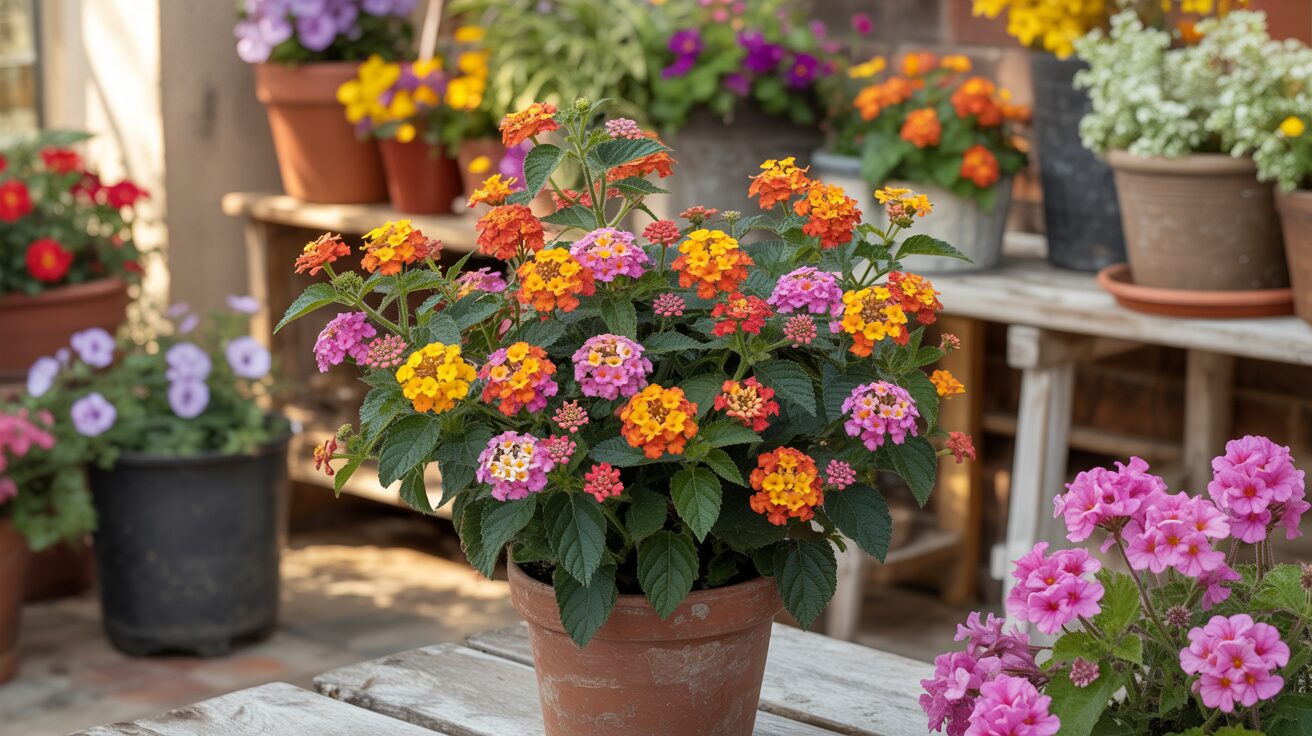
- Botanical Name: Lantana camara
- Hardiness Zone: 8-11
- Season of Interest: Spring to fall
- Sun Exposure: Full sun
- Soil Type: Well-draining soil
- Soil pH: Slightly acidic to neutral (6.0-7.5)
- Height: 3 feet
- Spread: 1-4 feet
Lantana is like the party animal of the plant world. With its clusters of small, colorful flowers that change colors as they age, it’s a lively addition to any garden. The flowers can be yellow, orange, red, pink, or purple.
Why You'll Love It: This plant is perfect for those who love vibrant, ever-changing blooms. Lantana is drought-tolerant and attracts butterflies, making it a low-maintenance and beautiful choice for sunny spots.
Care Tips: Lantana thrives in full sun and well-draining soil. It's drought-tolerant once established, so water it sparingly. Prune it regularly to keep it looking neat and to encourage more blooms.
Zebra Plant (Aphelandra squarrosa)

Source: Photo by Mokkie
- Botanical Name: Aphelandra squarrosa
- Hardiness Zone: 11-12
- Season of Interest: Year-round
- Sun Exposure: Full sun to partial shade
- Soil Type: Well-draining, rich soil
- Soil pH: Slightly acidic to neutral (6.0-7.0)
- Height: 1-2 feet
- Spread: 1-2 feet
Zebra Plant is like the fashionista of the plant world with its striking, dark green leaves adorned with bold, white veins. It also produces bright yellow flower bracts, making it a standout in any collection.
Why You'll Love It: Zebra Plant is perfect for those who love unique and eye-catching foliage. Its bold leaf patterns and bright flowers add a touch of drama and style to any space.
Care Tips: Zebra Plant prefers bright, indirect light and well-draining, rich soil. Keep its soil consistently moist and provide high humidity. Avoid letting it sit in water, as it can cause root rot.
Desert Rose (Adenium obesum)
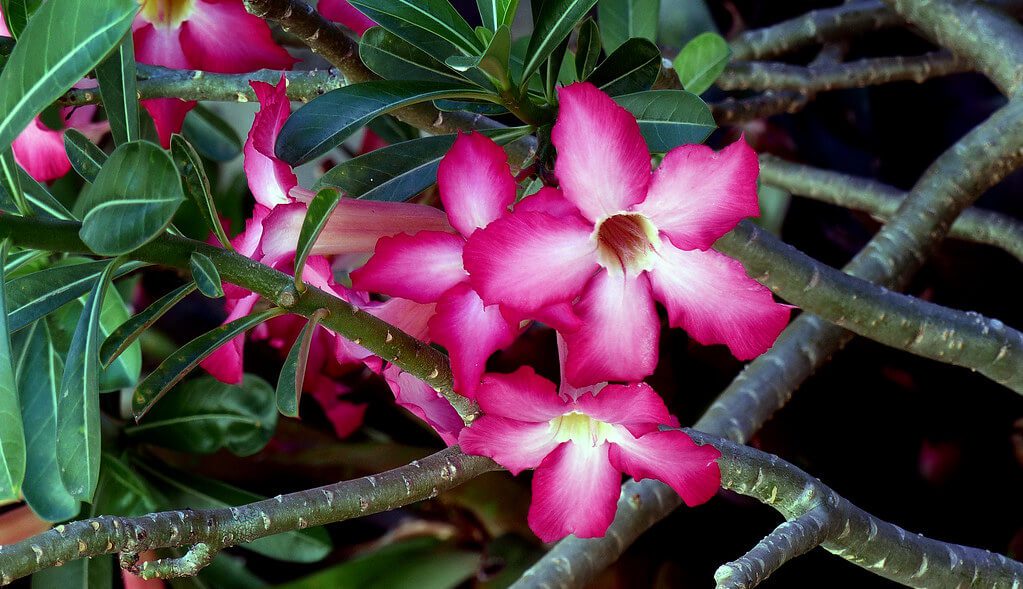
Source: Photo by Bernard Spragg. NZ
- Botanical Name: Adenium obesum
- Hardiness Zone: 10-11
- Season of Interest: Spring to fall
- Sun Exposure: Full sun
- Soil Type: Well-draining, sandy or cactus mix soil
- Soil pH: Slightly acidic to neutral (6.0-6.5)
- Height: 2-6 feet
- Spread: 2-3 feet
Desert Rose is like the artist of the plant world with its thick, succulent trunk and vibrant, trumpet-shaped flowers in shades of pink, red, and white. It’s a showstopper in any garden or container.
Why You'll Love It: Desert Rose is perfect for those who want a unique, eye-catching plant that’s also easy to care for. Its stunning flowers and interesting form make it a standout in any setting.
Care Tips: Desert Rose needs full sun and well-draining soil. Water it sparingly, allowing the soil to dry out between waterings. It’s very drought-tolerant and can be kept in a container indoors or outdoors.
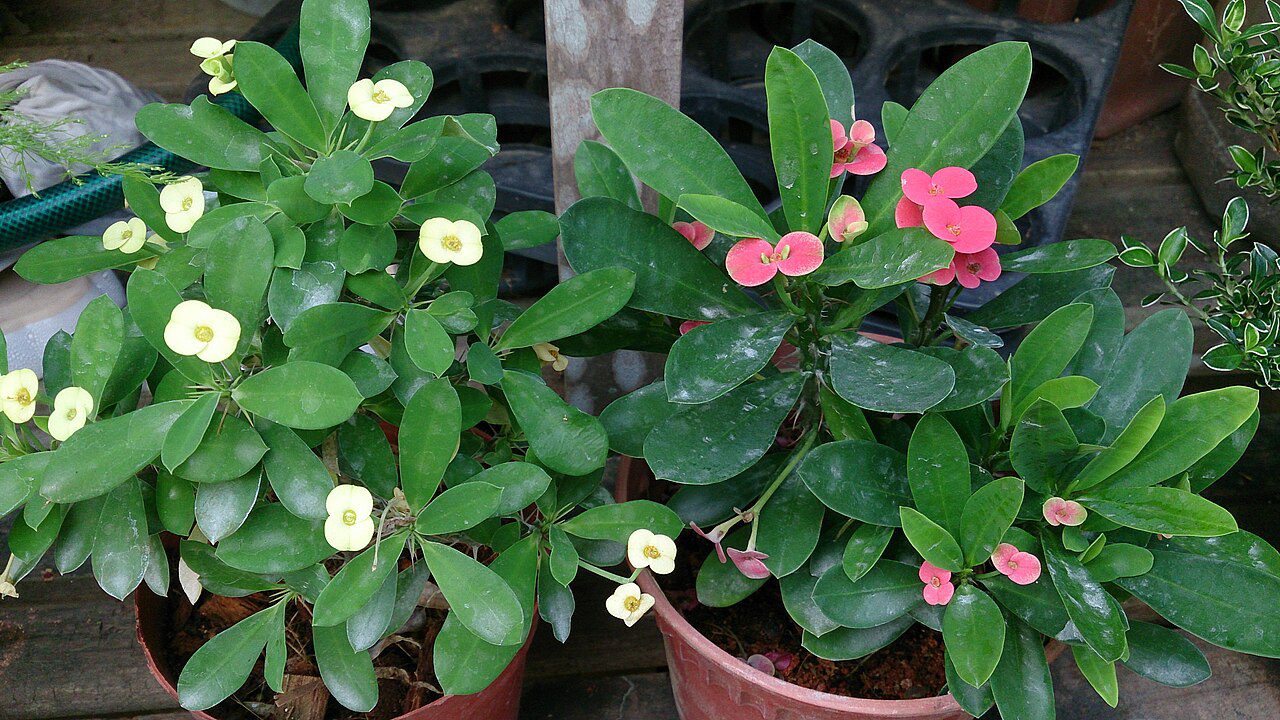
Crown of Thorns (Euphorbia milii)
- Botanical Name: Euphorbia milii
- Hardiness Zone: 9-11
- Season of Interest: Year-round
- Sun Exposure: Full sun to partial shade
- Soil Type: Well-draining, sandy or loamy soil
- Soil pH: Slightly acidic to neutral (6.0-7.0)
- Height: 2-3 feet
- Spread: 2-3 feet
Crown of Thorns is like the resilient beauty of the plant world. With its spiky stems and bright, cheerful flowers, it’s tough yet charming. It’s a great choice for adding color and texture to your garden.
Why You'll Love It: This plant is perfect for those who want a hardy, drought-tolerant plant that blooms almost year-round. Its vibrant flowers and interesting form make it a lovely addition to any garden or container.
Care Tips: Crown of Thorns prefers full sun but can tolerate partial shade. Keep its soil well-draining and water it sparingly, allowing the soil to dry out between waterings. It’s very low-maintenance and can tolerate dry conditions.
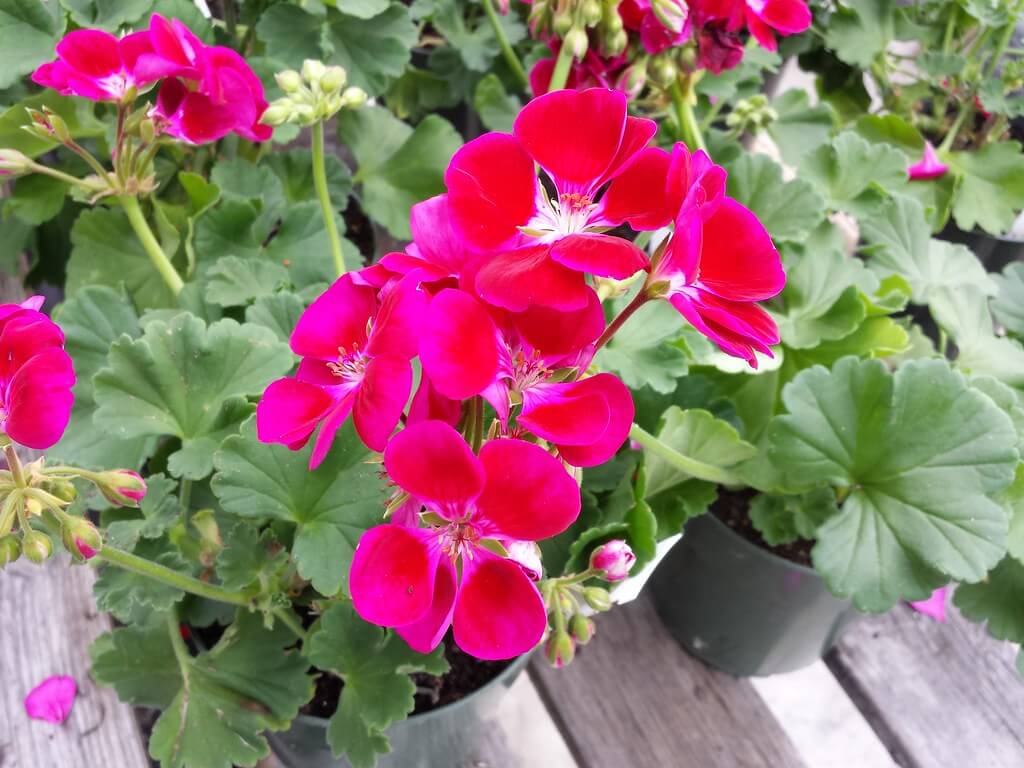
Geranium (Pelargonium spp.)
Source: Photo by Serres Fortier
- Botanical Name: Pelargonium spp.
- Hardiness Zone: 10-11 (grown as an annual in cooler climates)
- Season of Interest: Spring to fall
- Sun Exposure: Full sun to partial shade
- Soil Type: Well-draining, loamy soil
- Soil pH: Slightly acidic to neutral (6.0-7.0)
- Height: 1-2 feet
- Spread: 1-2 feet
Geranium is like the cheerful companion of the plant world. With its clusters of bright, colorful flowers and aromatic leaves, it’s a popular choice for gardens and containers. It’s easy to grow and blooms prolifically.
Why You'll Love It: Geranium is perfect for those who want a reliable, flowering plant that adds color and fragrance to their garden. Its compact size and long blooming period make it a versatile addition to any space.
Care Tips: Geraniums prefer full sun to partial shade and well-draining soil. Water them regularly, allowing the soil to dry out between waterings. Deadhead spent flowers to encourage continuous blooming and feed them with a balanced fertilizer during the growing season.
More Stunning Tropical Plants to Explore
These plants are also excellent choices for full sun. Use this table to list them without detailed entries.
PLANT | HEIGHT | ZONE | NOTES |
Queen Palm | 50 ft | 9-11 | Classic poolside palm |
Coconut Palm | 50-80 ft | 10-11 | Needs very warm, humid climate |
Royal Poinciana | 30-40 ft | 10-12 | Brilliant red-orange flowers in summer |
Papaya Tree | 10-12 ft | 9-11 | Produces fruit quickly (within 1 year) |
Bamboo Palm | 4-12 ft | 10-11 | Good for screening and poolside |
Cuban Royal Palm | 50-70 ft | 10-11 | Tall, stately, low-maintenance |
Hawaiian Ti Plant | 3-10 ft | 10-12 | Colorful foliage in pink, red, green |
Ixora | 3-6 ft | 10-11 | Clusters of red, orange, or pink flowers |
Firebush | 5-10 ft | 9-11 | Attracts hummingbirds and butterflies |
Angel's Trumpet | 6-15 ft | 9-11 | Large, fragrant, trumpet-shaped flowers |
Sea Grape | 15-30 ft | 10-11 | Large rounded leaves, edible fruit |
Ginger Lily | 4-6 ft | 8-11 | Fragrant white or yellow flowers |
FAQs About Tropical Plants Full Sun
Do tropical plants like direct sun?
Yes, many tropical plants thrive in direct sun. Hibiscus, Bougainvillea, Bird of Paradise, Canna Lilies, and Plumeria all need 6 to 8 hours of direct sun daily. However, some tropicals (like ferns and calatheas) prefer shade. Check the specific needs of each plant.
What are the easiest tropical plants to grow outdoors?
The easiest tropicals for beginners are Bougainvillea, Lantana, Canna Lilies, and Bird of Paradise. These plants are forgiving. They tolerate some neglect. They bloom reliably.
What is the easiest plant to grow in full sun?
Lantana is the easiest full-sun plant. It blooms nonstop from spring to fall. It is drought-tolerant. It is heat-tolerant. It requires no special care. Plant it and water it occasionally.
What plants are best in pots full sun?
The best potted plants for full sun are Hibiscus, Bougainvillea, Canna Lilies, Lantana, and Plumeria. Choose large pots (14 inches or wider). Use well-draining potting mix. Water daily in summer.
What are the best tropical plants for small spaces?
For small spaces, choose compact tropicals. Dwarf Hibiscus stays under 3 feet. Dwarf Banana grows 4 to 6 feet tall. Lantana can be kept small with pruning. Canna Lilies grow 3 to 4 feet tall. Plumeria can be pruned to stay small.
Can tropical plants survive in very hot climates?
Yes, many tropical plants thrive in very hot climates (zones 9-11). Bougainvillea, Lantana, Crown of Thorns, Desert Rose, and Yucca handle temperatures over 100°F (38°C). Provide extra water during heatwaves.
Quick Summary Tips for Tropical Plants
You made it to the end. That means you are serious about creating a tropical backyard oasis. Thank you for reading.
- Acclimatize new plants slowly. This is the most important step. Rushing causes leaf scorch. Take 7 to 10 days to move a plant from shade to full sun.
- Water deeply, not daily. Deep watering encourages deep roots. Deep roots tolerate drought and heat better. However, potted plants may need daily water in summer. Check the soil before watering.
- Mulch, mulch, mulch. A 3-inch layer of mulch is a game-changer. It keeps the soil cool. It reduces evaporation. It suppresses weeds. Use wood chips, straw, or shredded leaves.
If you are just starting your tropical garden, read my full guide on how to start urban gardening . It covers soil, containers, watering, and everything else a beginner needs.
And if you love bold, dramatic plants, try spiky houseplants or black houseplants to elevate your home next.
Share Your Tropical Oasis Photos & Questions Below!
I have two small asks for you before you head outside to transform your hot, south-facing spaces:
- First, drop a comment below. Which of these sun-worshipping tropical beauties are you adding to your yard this season? Are you planting dramatic canna lilies around your pool, or setting up stunning hibiscus pots on your deck? If your leaves are currently turning brown or crisping up, let me know your climate zone—I personally reply to every single comment within 48 hours to help you troubleshoot!
- Second, save this guide for later. Pin our full-sun tropical plant styling guide directly to your favorite landscaping, patio design, or outdoor gardening board on Pinterest, or text this link to a neighbor who wants to add some low-maintenance exotic flair to their yard.
Now, grab your watering can, put on your sun hat, and give your backyard the tropical upgrade it deserves. Your sun-loving paradise is waiting!
Happy gardening, friend!
Read Next:
Last Updated on May 30, 2026 by Austine