
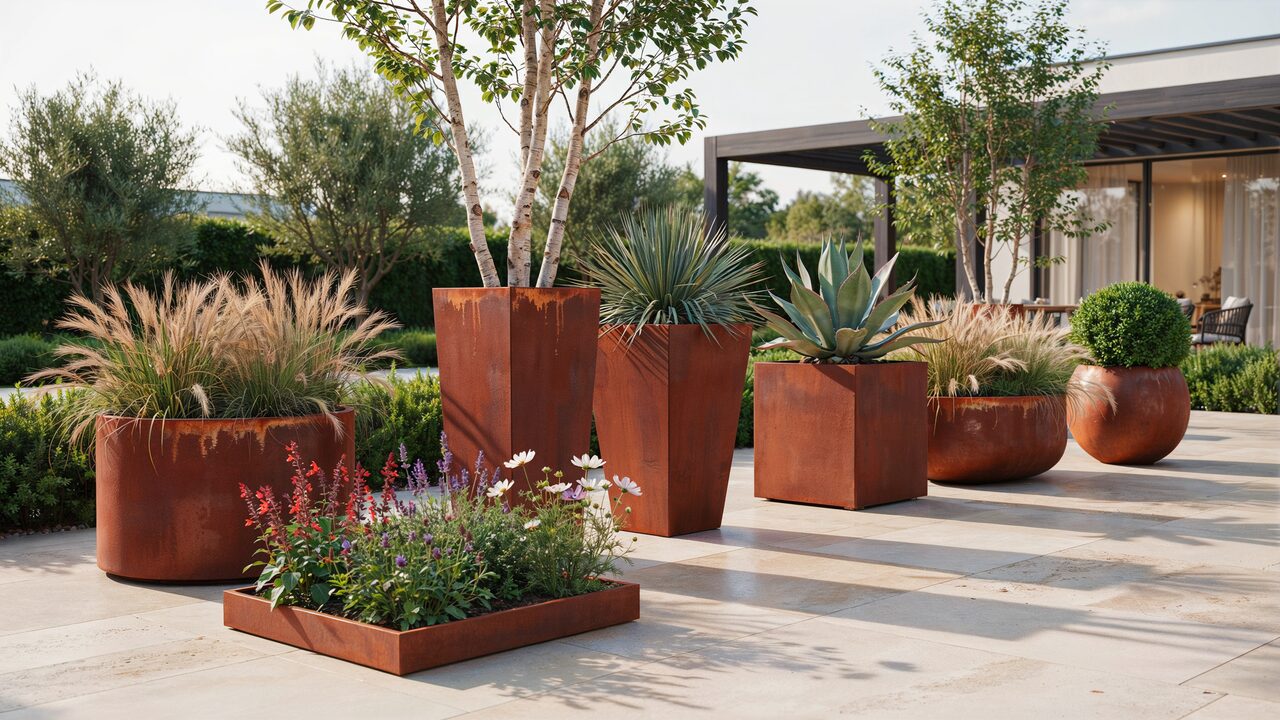
Upgrading your yard with clean lines and contemporary materials has never been easier. If you want to make a bold architectural statement, introducing corten steel planters to your patio or deck is the ultimate choice.
These heavy-duty containers develop a protective, copper-colored patina over time, transforming basic backyard spaces into sleek, modern showcases that outlast standard wood or plastic garden beds by decades.
Whether you are frantically researching how to prevent corten steel planters from staining concrete or simply wondering how long do corten steel planters take to rust under normal weathering conditions, a few pro preparation steps are essential.
In this simple guide, we will explore whether these containers are safe for growing vegetables, uncover the best insulating liner for metal corten steel planters to protect sensitive roots from summer heat, and design the ultimate outdoor modern patio design that stays flawless for years to come.
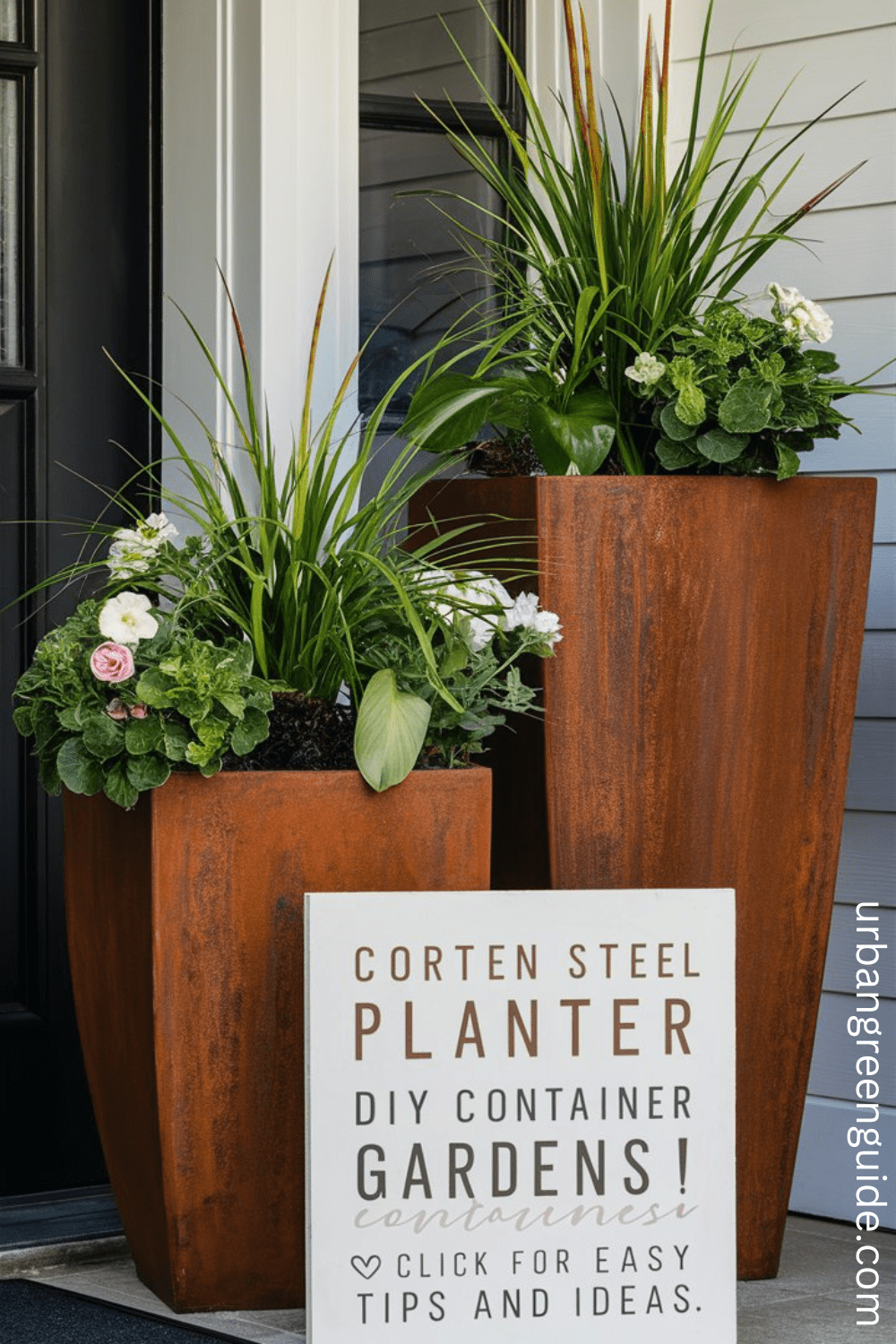
Corten Steel Planters at a glance:
Corten steel (weathering steel) develops a protective rust patina over time. It does NOT rust through – the outer layer seals the metal. Rusting takes 6 months to 2 years, depending on weather and humidity. Corten steel is safe for vegetable gardens – it contains no toxic heavy metals. The #1 concern is rust staining on concrete or wood. Use raised feet, runoff mats, or a clear sealant to prevent stains. Keep reading for stain prevention tips, assembly instructions, and the best plants to pair with corten steel.
What is Corten Steel and Why is it Trending?
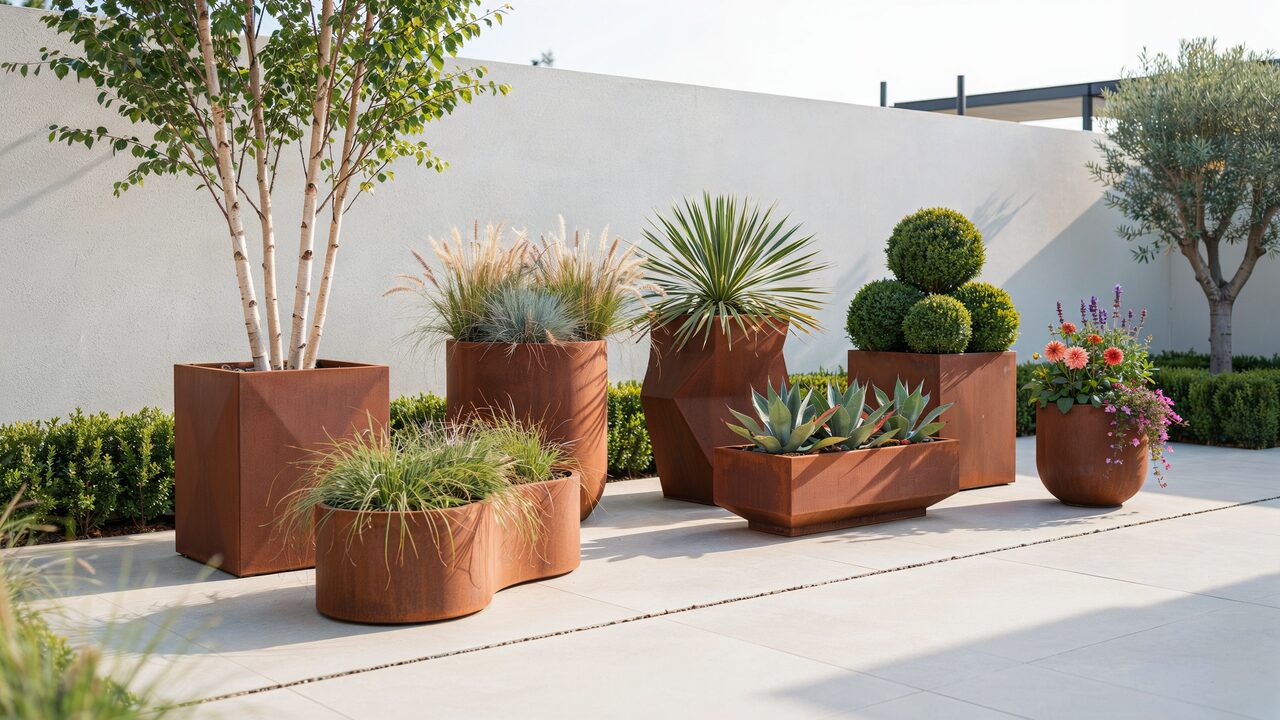
Have you ever walked by a garden and been stopped by a set of rusty-looking planters? They look old. They look industrial. They look intentional. That is corten steel. For more on starting your garden the right way, check out my beginner guide on how to start urban gardening.
The Unique Protective Rust Layer (Why It Doesn't Rust Through)
Corten steel is also called weathering steel. It is a special type of steel that contains copper, phosphorus, and chromium. These elements change how the steel rusts.
Regular steel rusts continuously. The rust flakes off. The metal gets thinner. Eventually, it falls apart. However, Corten steel rusts differently.
When it gets wet, a stable rust layer forms. This layer is called a patina. The patina seals the steel. It prevents further corrosion. The rust becomes the protector. The patina is self-healing. If the surface gets scratched, the exposed steel rusts again. A new patina forms. You do not need to paint or seal it.
This is why corten steel planters last for decades. The patina gets stronger over time. Many corten steel structures from the 1960s are still standing today.
How Long Do Corten Steel Planters Take to Rust?
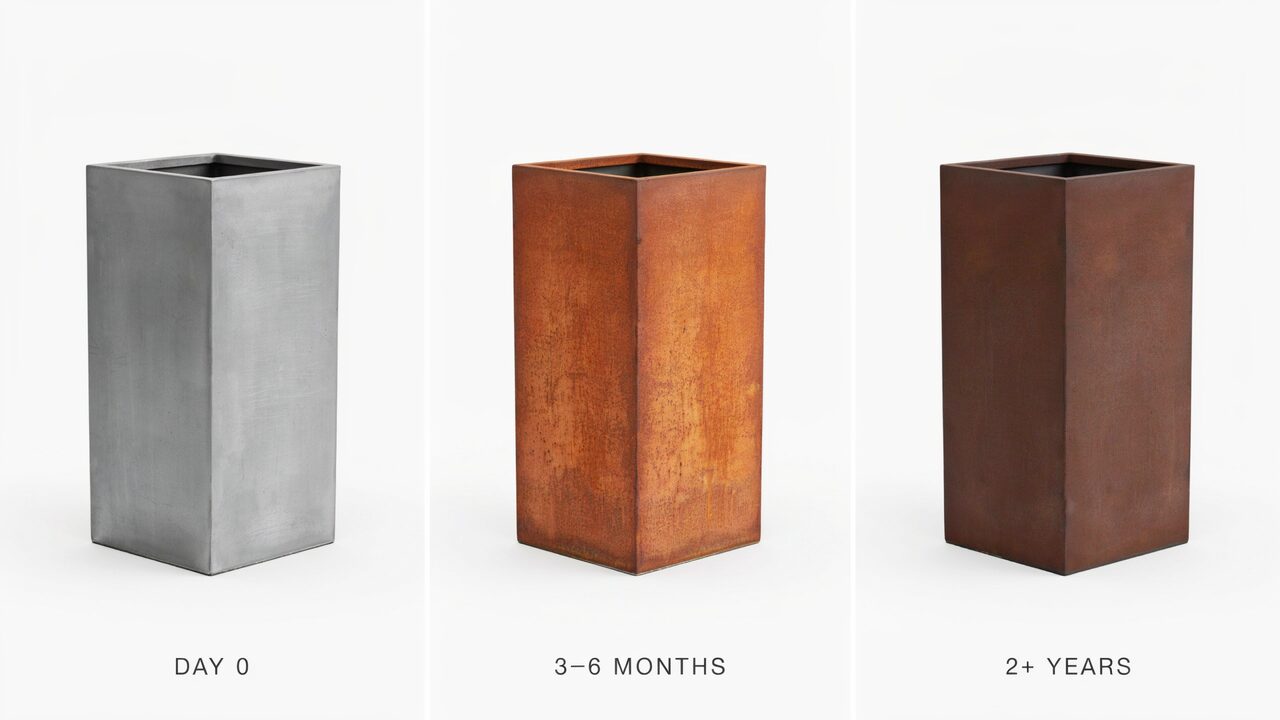
This is the question I hear most often. The answer depends on your climate. In humid, rainy climates (Florida, Pacific Northwest), rust appears in 2 to 4 months. The patina fully develops in 6 to 12 months.
In dry, arid climates (Arizona, California), rust takes longer. You may wait 6 to 12 months for rust to start. Full patina can take 18 to 24 months.
You can speed up the process. Mist the planter with water every few days. Apply a mixture of vinegar and hydrogen peroxide (1:1 ratio) to accelerate rusting.
You can also slow it down. If you want a cleaner look, apply a clear matte sealant. The planter will rust more slowly. The rust color changes over time. New rust is bright orange. Mature rust is dark brown. After a few years, it turns a deep, rich chocolate color.
Addressing the Patio Stain Dilemma (The Critical UX Section)
The simple truth that many sellers do not tell you. Corten steel planters can stain concrete, wood, and stone. The runoff from rain carries rust particles. These particles leave orange-brown stains.
However, you can prevent this. You do not need to avoid corten steel. You just need to plan ahead.
How to Prevent Corten Steel Planters from Staining Concrete
- Use planter feet or risers. Elevate the planter by 1 to 2 inches. This allows water to drain without running across the surface. You can buy rubber or plastic feet. You can also use brick or stone.
- Place a runoff mat underneath. These mats are designed for planters. They catch water and rust particles. The mat sits under the planter. It protects your patio surface.
- Seal the concrete surface. Apply a penetrating concrete sealer. The sealer fills the pores. Rust particles cannot sink in. You can rinse away stains with water.
- Seal the outside of the planter. A clear matte sealant on the exterior prevents rust from transferring. However, this defeats the natural weathering look. Use this only if you want a clean, non-rusting appearance.
- Position the planter away from walls. Rust runoff can stain siding, stucco, and wood. Leave 6 to 12 inches of space. Or place a gravel strip between the planter and the wall.
For wood decks, use a waterproof barrier. Place a plastic or rubber mat under the planter. Check for moisture regularly. Wet wood under the planter can rot.
How to Seal the Inside of Corten Steel Planters
Sealing the inside is optional. However, it offers two benefits. It protects the soil from rust particles. It also extends the life of the planter.
- Use a clear epoxy or rubberized coating. These products are non-toxic once cured. Brush or spray them on the interior surfaces.
- Focus on the bottom 3 to 4 inches. This is where water collects. The coating prevents the steel from rusting from the inside out.
- Do not seal the drainage holes. The water needs to escape. Keep the holes open.
If you are growing vegetables, sealing is recommended. The rust is not harmful (see the next section). However, the orange rust can stain your hands when you touch the soil. Sealing prevents this.
Corten steel planters from some brands come pre-sealed. Check the product description. If not, you can seal them yourself.
Material Selection and Durability
Not all corten steel planters are the same. The thickness of the steel matters. Thicker steel lasts longer. It also resists dents and warping.
How Thick Should Corten Steel Planters Be for Durability?
Steel thickness is measured in gauges. Lower numbers mean thicker steel.
- 12-gauge steel (2.7mm) is the best. It is heavy. It resists dents. It will last for decades. Commercial-grade planters use this thickness.
- 14-gauge steel (1.9mm) is very good. It is still durable. It is easier to move. Most premium home garden planters use this thickness.
- 16-gauge steel (1.6mm) is the minimum acceptable. It is fine for small planters (under 2 feet). For large planters, it may warp over time.
- 18-gauge steel (1.2mm) or thinner, avoid. These are cheap. They dent easily. They may rust through after a few years.
- Check the edges. Thick steel has rolled or folded edges. Thin steel has sharp, raw edges. Raw edges can rust faster.
- Weight matters. A 2-foot square planter in 14-gauge steel weighs 40 to 60 pounds. That is normal. If it feels too light, the steel is too thin.
Corten Steel Planters vs Traditional Galvanized Metal Beds
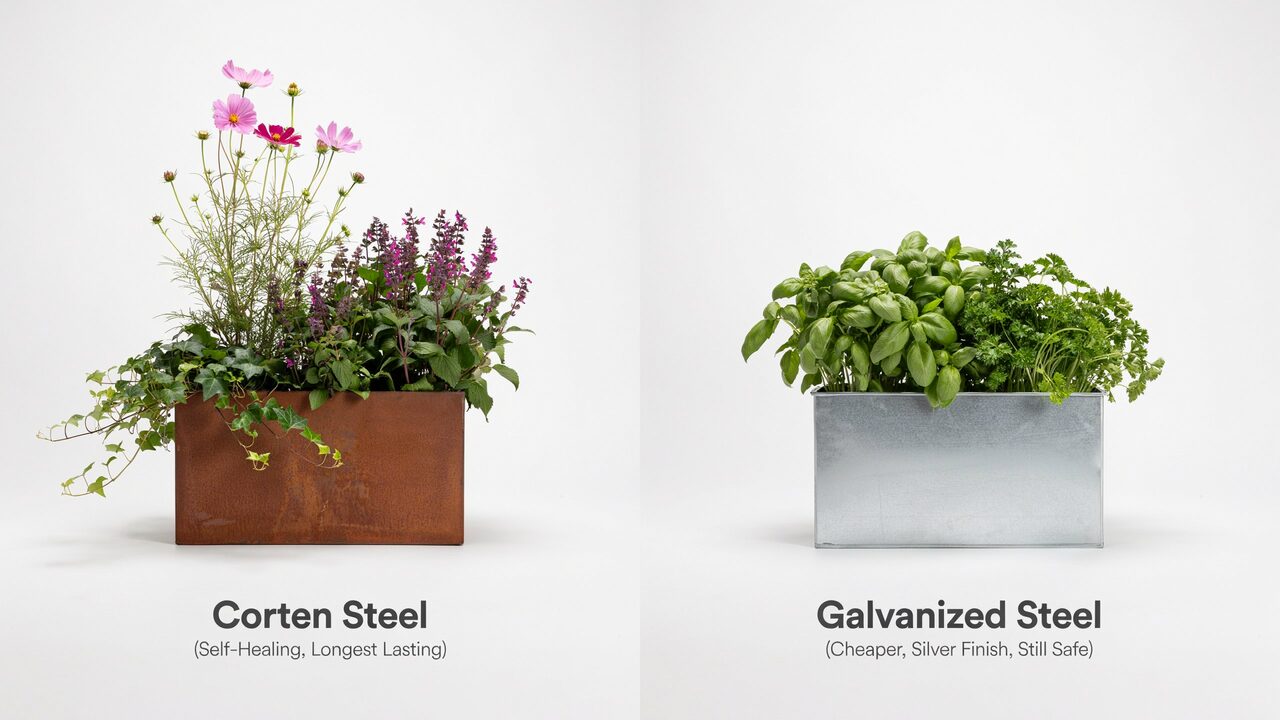
For vegetable gardens, both are safe. Neither leaches toxic chemicals. Your choice is about appearance and budget. For more on container gardening materials, see cedar vertical gardening and best plants for pots all year round.
How to Assemble Flat Pack Corten Steel Garden Boxes
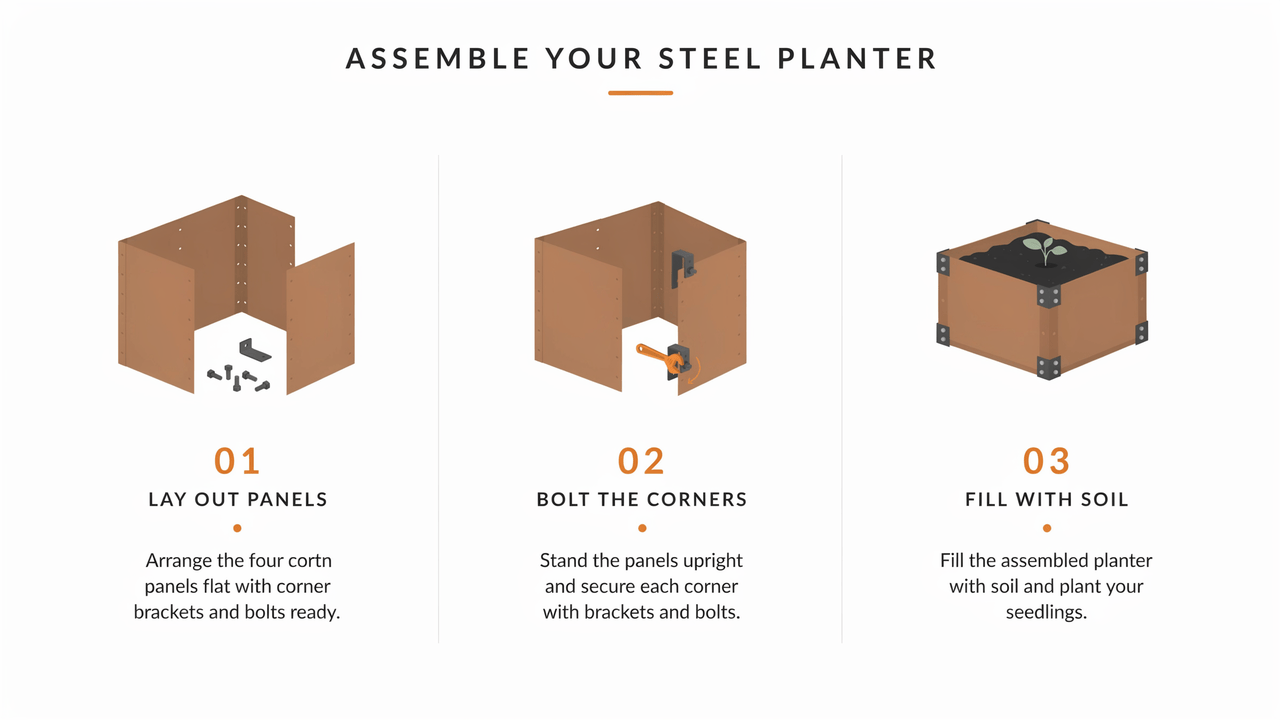
Many corten steel planters ship flat. They save on shipping costs. You assemble them with bolts.
- Lay out all the parts. Check the instruction manual. Make sure you have all the panels and hardware.
- Work on a soft surface. Cardboard or a tarp protects the finish. Corten steel is heavy. It can scratch easily.
- Start with the corners. Align the holes. Insert the bolts loosely. Do not tighten until all bolts are in place.
- Use a level. Make sure the planter is square. If it is crooked, it will not sit flat on the ground.
- Tighten the bolts gradually. Do not overtighten. The steel can bend if you use too much force.
- For large planters (over 3 feet), add internal bracing. The weight of the soil can push the sides outward. Some kits include braces. If not, you can add wood or metal angle brackets.
- Wear gloves. The edges may be sharp. Corten steel is not dangerous, but it can cut.
How Much Do Corten Steel Planters Cost? (Budget Guide)
Corten steel is a premium material. It costs more than wood, plastic, or galvanized steel.
Size | Material | Approximate Price Range |
Small (12-18" round or square) | Corten steel | $50 to $150 |
Medium (2-3 ft square or rectangular) | Corten steel | $150 to $400 |
Large (4-6 ft rectangular) | Corten steel | $400 to $1,000+ |
Extra large (6+ ft, custom sizes) | Corten steel | $1,000 to $3,000+ |
Price factors: Steel thickness (14-gauge costs more than 16-gauge), brand reputation, and whether the planter is pre-rusted or raw.
Compare to alternatives: A wood planter of the same size costs $50 to $200. A galvanized steel planter costs $80 to $300. A fiberglass planter costs $150 to $600.
Is corten steel worth the premium? If you value longevity and aesthetics, yes. A wood planter lasts 5 to 7 years. Corten steel lasts 20 to 30 years. Over time, the cost per year is similar.
Where to buy: Check garden centers, online retailers (Wayfair, Amazon, Etsy), and specialty brands (Veradek, Modeno).
Printable Corten Steel Care Chart (Save This)
This is a quick reference chart you can screenshot or print.
Factor | Recommendation |
Steel thickness | 14-gauge or 12-gauge for durability |
Rust time (humid climate) | 2-4 months initial, 6-12 months full patina |
Rust time (dry climate) | 6-12 months initial, 18-24 months full patina |
Stain prevention | Planter feet, runoff mats, concrete sealer |
Interior sealing | Optional, recommended for vegetables |
Vegetable safety | Yes, non-toxic |
Insulating liner | Coco coir, foam board, or bubble wrap |
Soil mix | Well-draining (potting mix + perlite + compost) |
Drainage holes | 1/2 inch to 1 inch, spaced 12 inches apart |
Price range (2-3 ft) | $150 to $400 |
Keep this chart near your garden. It will help you remember the key steps.
Plant Health: Soil, Insulation, and Safety
Corten steel planters are metal. They conduct heat. In summer, the sides get hot. In winter, they get cold. Your plants need protection.
Are Corten Steel Planters Safe for Growing Vegetables?
Yes, corten steel is safe for vegetables. This is a common concern. People see rust and think "toxic."
Corten steel contains no heavy metals like lead or cadmium. The alloying elements (copper, phosphorus, chromium) are not toxic at the levels present.
The rust is iron oxide. Iron oxide is not harmful to plants or humans. Your body needs iron. Plants need iron. Studies confirm safety. Corten steel is used in water treatment facilities and food processing plants. It is considered food-safe.
The only caution is for acidic soils. Very low pH (below 5.5) can cause the steel to corrode faster. However, most vegetable gardens have pH 6.0 to 7.0. This is fine.
If you are still concerned, seal the interior. A clear epoxy or rubberized coating adds a barrier. This also prevents rust stains on your hands when you touch the soil.
Best Insulating Liner for Metal Corten Steel Planters
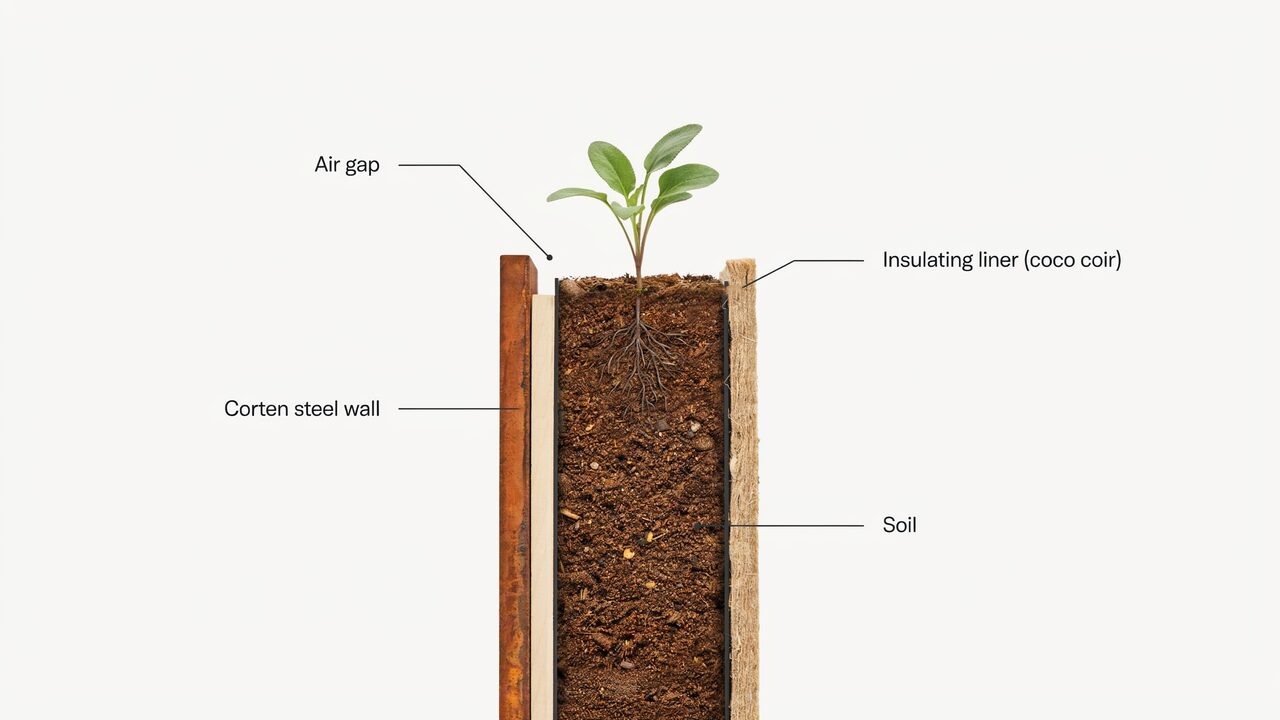
The sun heats metal quickly. On a 90°F (32°C) day, the side of a corten steel planter can reach 120°F (49°C). This heat can cook the roots.
- Use coco coir liner on the interior walls. Coco coir is natural coconut fiber. It insulates well. It also retains moisture. You can buy rolls of coco coir matting.
- Bubble wrap works too. Yes, simple bubble wrap. Attach it to the inside walls with double-sided tape. The air pockets insulate.
- Foam board insulation is best for extreme climates. Cut 1/2 inch or 1 inch foam board to fit the interior walls. Attach it with adhesive.
- Leave a 1-inch air gap between the liner and the steel. Air is a natural insulator. This gap reduces heat transfer.
- Mulch the top of the soil. A 2 to 3 inch layer of straw, wood chips, or compost insulates the surface. It also retains moisture.
Choose light-colored planters for hot climates. Corten steel is dark. It absorbs heat. If you live in a very hot area, consider white or light-colored planters instead.
Best Soil Mix to Prevent Corrosion in Corten Steel Planters
The soil touches the steel. Over time, acidic soil can accelerate corrosion. You can prevent this with the right mix.
- Use a well-draining mix. Combine 2 parts potting mix, 1 part perlite, and 1 part compost. This mix is light. It does not hold excess water against the steel.
- Keep the pH neutral to slightly alkaline (6.5 to 7.5). This is the ideal range for most vegetables. It also slows corrosion.
- Add lime if your soil is acidic. Dolomitic lime raises the pH. Follow the package instructions.
- Do not use high-nitrogen fertilizers directly against the steel. Nitrogen can be corrosive. Mix fertilizer into the soil, not piled against the edges.
A gravel layer at the bottom improves drainage. Place 2 inches of gravel or small stones before adding soil. This lifts the soil away from the bottom of the planter.
For the perfect well-draining mix, see my full guide on indoor plant potting mix – just scale up the recipe for outdoor use.
Assembly, Customization, and Aesthetics
Corten steel planters are beautiful, but they need the right setup. Let me walk you through the final details.
Best Drainage Hole Setup for Corten Steel Planters
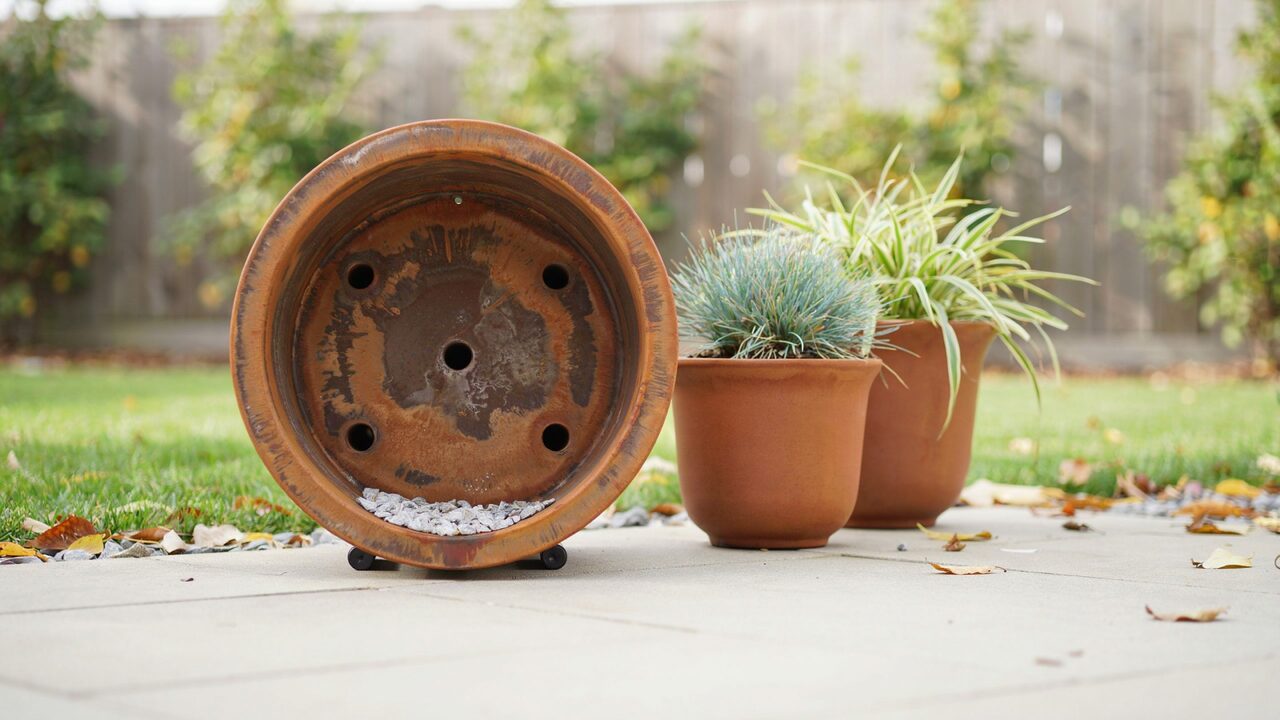
Good drainage is critical. Without it, water pools at the bottom. The steel corrodes faster. The roots rot.
- Drill 1/2 inch to 1 inch holes. Space them 12 inches apart. For a 2-foot square planter, drill 4 holes. For a 4-foot rectangular planter, drill 6 to 8 holes.
- Drill from the inside out. This pushes the burrs outward. The burrs will not damage the liner.
- Use a step drill bit. Regular drill bits can grab the steel. Step bits are smoother. They create clean holes.
- Add a layer of gravel. Place 2 inches of gravel or small stones at the bottom. This prevents the holes from clogging with soil.
- Elevate the planter. Use feet or bricks. This allows air to flow under the planter. The holes can drain freely.
- Check the holes annually. Debris can clog them. Clean them with a wire brush or screwdriver.
DIY Weathering Process for Corten Steel Garden Beds
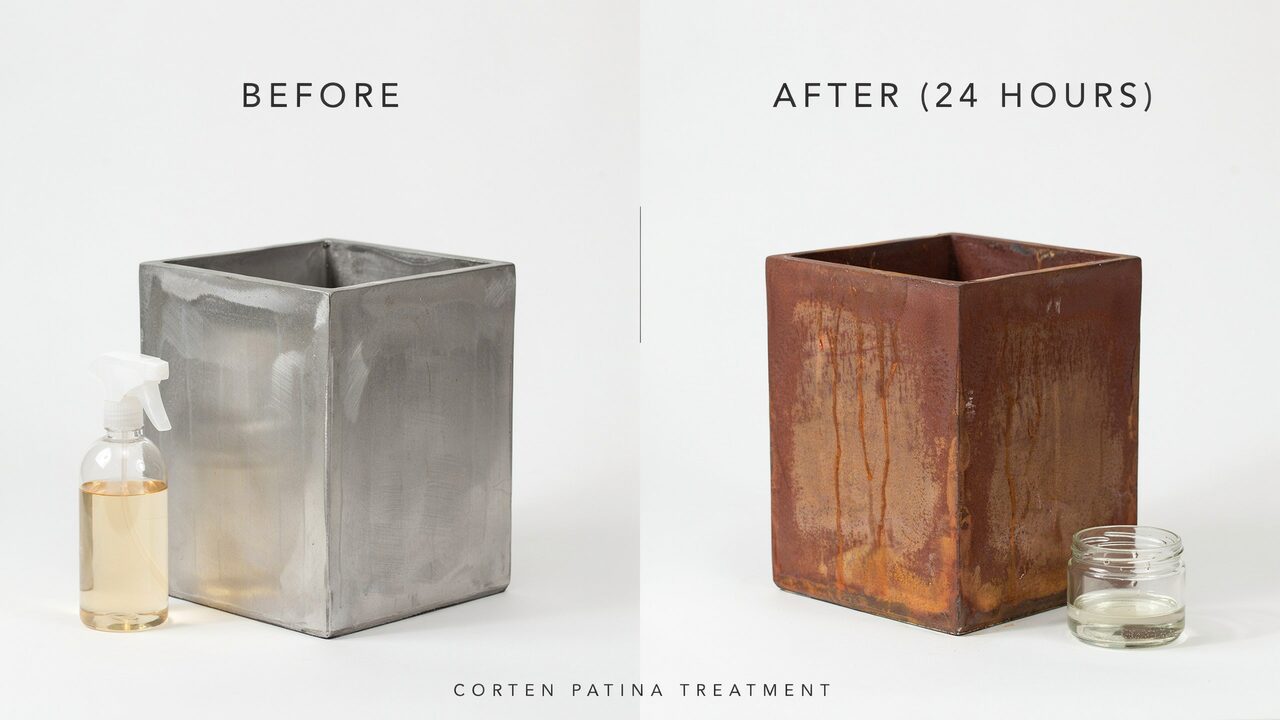
If you want a fast, even rust patina, you can accelerate the process.
- Start with a clean surface. Wash the planter with soap and water. Remove any oil or dirt. Rinse and dry.
- Mix a solution of 1 part vinegar and 1 part hydrogen peroxide. This is a safe, non-toxic rust accelerator. Pour it into a spray bottle.
- Spray the solution evenly on all surfaces. Wear gloves and eye protection. The solution can irritate skin. Wait 20 to 30 minutes. You will see the steel turning orange. That is rust forming.
- Rinse with water. Stop the reaction. Let the planter dry.
- Repeat 2 to 3 times for a deeper patina.
For a textured finish, sprinkle salt on the wet solution. Salt creates uneven rust patterns. This looks more natural.
Do not use muriatic acid. It is dangerous. It also creates unstable rust that flakes off.
Watch This: DIY Corten Steel Weathering in Under a Minute
Reading about the vinegar and peroxide method is one thing. Seeing it in action is better.
Watch this 57-second video. You will see exactly how to mix the solution, spray it on raw corten steel, and watch the rust develop. Pay special attention to how evenly the solution is applied and how quickly the color changes.
Note: This video shows the accelerated weathering method. Natural rusting takes 6 months to 2 years. The vinegar/peroxide method gives you a head start.
What you just saw: A raw corten steel planter turning orange-brown in under a minute. The same process works for garden beds, edging, and fire pits.
Now, what if your rusting is uneven? Let me show you how to fix that.
How to Fix Uneven Rusting on Corten Steel Pots
Uneven rusting is common. The side facing the rain rusts faster. The side against a wall rusts slower.
- First, be patient. The patina evens out over 1 to 2 years. The slower side catches up.
- If you want to speed it up, apply the vinegar/peroxide solution to the slower side only. Repeat until the color matches.
- Scrub off loose rust. Use a wire brush. Loose rust flakes off. The stable patina stays.
- Do not use power tools. They can damage the steel. Hand brushing is safer.
Accept some variation. Corten steel is not a uniform material. The variation is part of its charm.
Heavy Duty Wheeled Casters for Large Corten Steel Planters
A large corten steel planter filled with soil weighs 300 to 800 pounds. You cannot lift it. You can roll it.
- Choose casters rated for the weight. Add the weight of the planter plus the soil. A 2-foot square planter needs 200 to 300 pound capacity per caster.
- Use locking casters. You want the planter to stay in place when you are not moving it.
- Weld or bolt the casters to a metal frame. Do not bolt them directly to the thin steel. The steel may tear. A frame distributes the weight.
- For DIY, mount the planter on a heavy-duty furniture dolly. Place the dolly under the planter. The dolly should be slightly larger than the planter base.
- Add a lip to prevent sliding. A wooden or metal rim around the dolly keeps the planter in place.
- Check the casters annually. They can rust. Lubricate the wheels with silicone spray.
For more on container mobility, see patio tomato plants – the same principles apply.
Modern Landscaping and Design
Corten steel planters are not just functional. They are design statements.
Outdoor Modern Patio Design with Corten Steel Planters
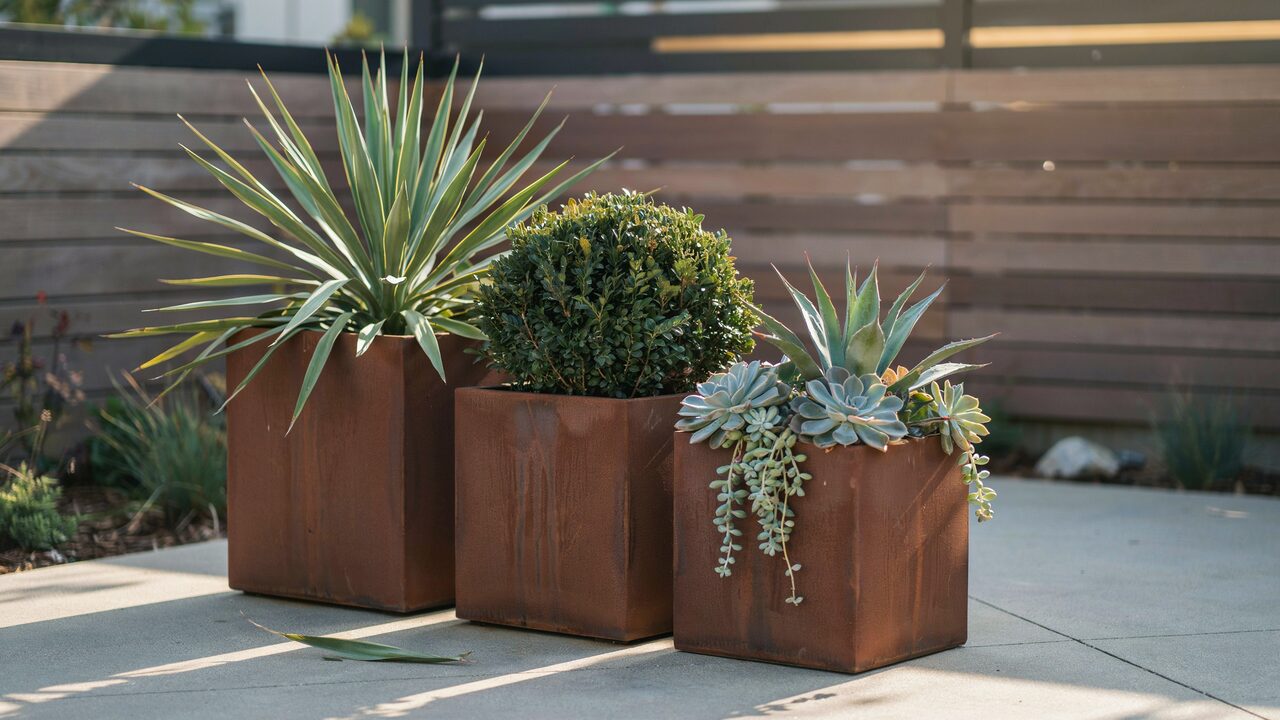
Corten steel pairs well with modern, industrial, and minimalist styles. Here are design tips.
- Use odd numbers. Three planters look better than two. Five look better than four. Vary the sizes.
- Repeat the material elsewhere. Use corten steel for edging, fire pits, or water features. This ties the design together.
- Contrast with soft textures. Corten steel is hard and industrial. Pair it with soft, flowing plants like ornamental grasses or ferns.
- Use gravel or stone mulch. Wood mulch looks rustic. Gravel looks modern. Choose a light color (white or beige) to contrast with the dark rust.
- Lighting matters. Uplight your planters at night. The rust color glows under warm light.
For small spaces, use tall, narrow planters. They add height without taking up floor space. Place them on either side of a doorway or window.
Best Low Maintenance Architectural Plants for Corten Steel Planters
Corten steel planters look best with structural, architectural plants. These plants have bold shapes. They do not need constant pruning.
- Yuccas are perfect. They have spiky, upright leaves. They are drought-tolerant. They love full sun. See my guide on spiky houseplants for more.
- Agaves are another excellent choice. Their rosette shape contrasts beautifully with the rectangular planter. They need very little water.
- Ornamental grasses like Feather Reed Grass or Maiden Grass add movement. Their soft texture contrasts with the hard steel.
- Boxwoods are classic. They are evergreen. They can be shaped into spheres or cubes. They look formal and structured.
- Succulents work well in shallow corten steel planters. Use a mix of colors and textures.
For a tropical look, use Bird of Paradise or Banana Plants. The large leaves contrast with the industrial steel. See my post on tropical plants for more plant options
For a modern look, use single species in mass. One type of plant in several planters looks clean and intentional.
For more low-maintenance plants, see best plants for pots all year round.
FAQs About Corten Steel Planters
How long do corten steel planters last?
With proper care, corten steel planters last 20 to 30 years. Thicker steel (12-gauge or 14-gauge) lasts longer than thin steel (16-gauge or 18-gauge). The protective rust patina strengthens over time.
Do corten steel planters need drainage holes?
Yes, absolutely. Drill 1/2 inch to 1 inch holes every 12 inches. Without drainage, water pools. The steel corrodes faster. The roots rot.
Are corten steel planters safe for vegetables?
Yes, corten steel is safe for vegetables. It contains no toxic heavy metals. The rust is iron oxide, which is not harmful. However, if you have acidic soil (pH below 5.5), add lime or seal the interior.
How do you clean corten steel planters?
Do not use harsh chemicals. They can damage the patina. Use a soft brush and water. For rust stains on concrete, use a pressure washer or rust remover (test in an inconspicuous area first).
Can you paint corten steel planters?
Yes, but you should not. Painting defeats the purpose. Corten steel is meant to rust. The rust is the finish. If you paint it, you lose the unique aesthetic. If you must paint, use a metal primer and exterior paint. However, the paint may peel as the steel tries to rust underneath.
Final Tips About Corten Steel Planters
- Plan for stains before you buy. The #1 regret of corten steel owners is rust stains on patios. Use feet, mats, or sealers from day one. It is much easier to prevent stains than to remove them.
- Insulate the interior. Metal heats up fast. Without a liner, your plants' roots can cook on a hot day. Coco coir, bubble wrap, or foam board are cheap and effective.
- Choose the right plants. Corten steel looks best with architectural, structural plants. Yuccas, agaves, ornamental grasses, and boxwoods are perfect. Soft, floppy plants look out of place.
If you are just starting your gardening journey, read my full guide on how to start urban gardening . It covers soil, containers, watering, and everything else a beginner needs.
And if you love modern, architectural plants, try spiky houseplants next.
Share Your Corten Steel Layouts & Questions
I have two small asks for you before you unpack your heavy-duty metal containers and start building your modern backyard:
- First, drop a comment below. What is your biggest corten steel concern right now? Stains? Heat? Cost? Or do you have a tip that I missed? I personally reply to every comment within 48 hours.
- Second, save this post for later. Pin the printable chart to your Pinterest board. Share this guide with a friend who loves modern garden design. The more people who grow their own plants, the better.
Now go get those corten steel planters. Your modern garden oasis is waiting.
Happy gardening, friend!
Last Updated on June 5, 2026 by Austine