
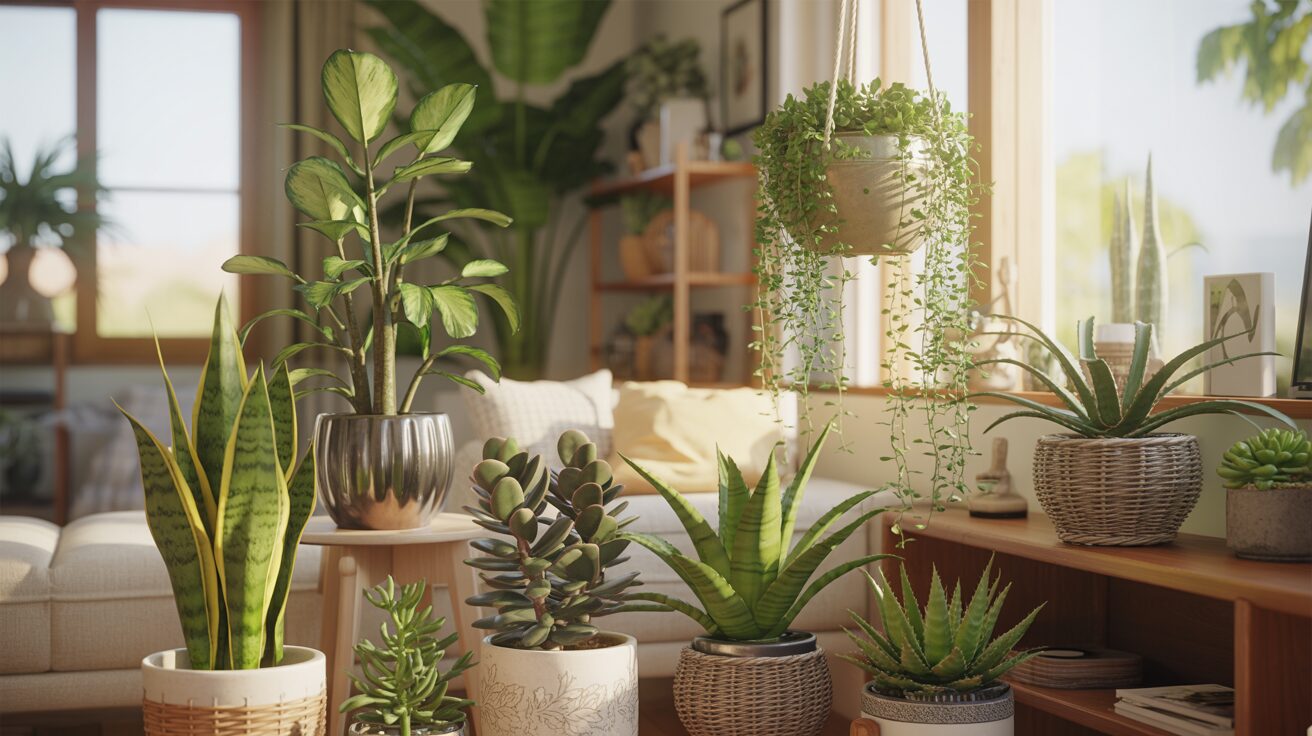
Spiky plant care at a glance: Most spiky houseplants are succulents or cacti. They need bright, indirect light (or direct sun for cacti), well-draining soil (add perlite and sand), and infrequent watering – let the soil dry out completely between waterings.
Overwatering is the #1 killer. Keep away from cold drafts. Many are toxic to pets – check each variety.
Spiky houseplants are among some of the most striking indoor plants you can display, offering clean lines and low-maintenance care routines that fit perfectly into a busy lifestyle.
However, keeping these sharp beauties looking pristine requires an understanding of their unique structural needs. Whether you are hunting for the best spiky houseplants for low light apartments or learning how to care for a spiky dragon tree on your patio, setting up the right environment is vital.
In this guide, we will explore low maintenance spiky indoor plants for beginners with foolproof routine for growing a spiky snake plant indoors, including care tips for Dragon Trees, Aloe Vera, Zebra Succulents, and more.
Why Choose Spiky Foliage for Your Home?
Spiky houseplants are not your average leafy greens. They have bold, structural shapes. Their leaves reach upward like modern art. Some have sharp points. Others have striking patterns.
- These plants add drama. A tall Snake Plant in a corner draws the eye. A cluster of Aloe Vera on a side table creates texture. For example, a Dragon Tree can become the focal point of your living room.
- They are also low maintenance. Most spiky plants are succulents or cacti. They store water in their leaves. You can forget to water them for weeks. They will be fine. This makes them perfect for busy people or beginners.
- They purify the air too. Snake Plants and Dracaenas are known to remove toxins from indoor air. They release oxygen at night. Place them in your bedroom for better sleep.
For more on creating a thriving indoor garden, check out my guide on indoor container garden.
Low Maintenance Spiky Indoor Plants for Beginners
If you are new to houseplants, start with these three. They are nearly impossible to kill.
For more beginner-friendly plants, see best plants for pots all year round.
Top Tall and Structural Selections
Tall spiky plants are perfect for empty corners. They add height and drama without taking up much floor space.
How to Care for a Spiky Dragon Tree
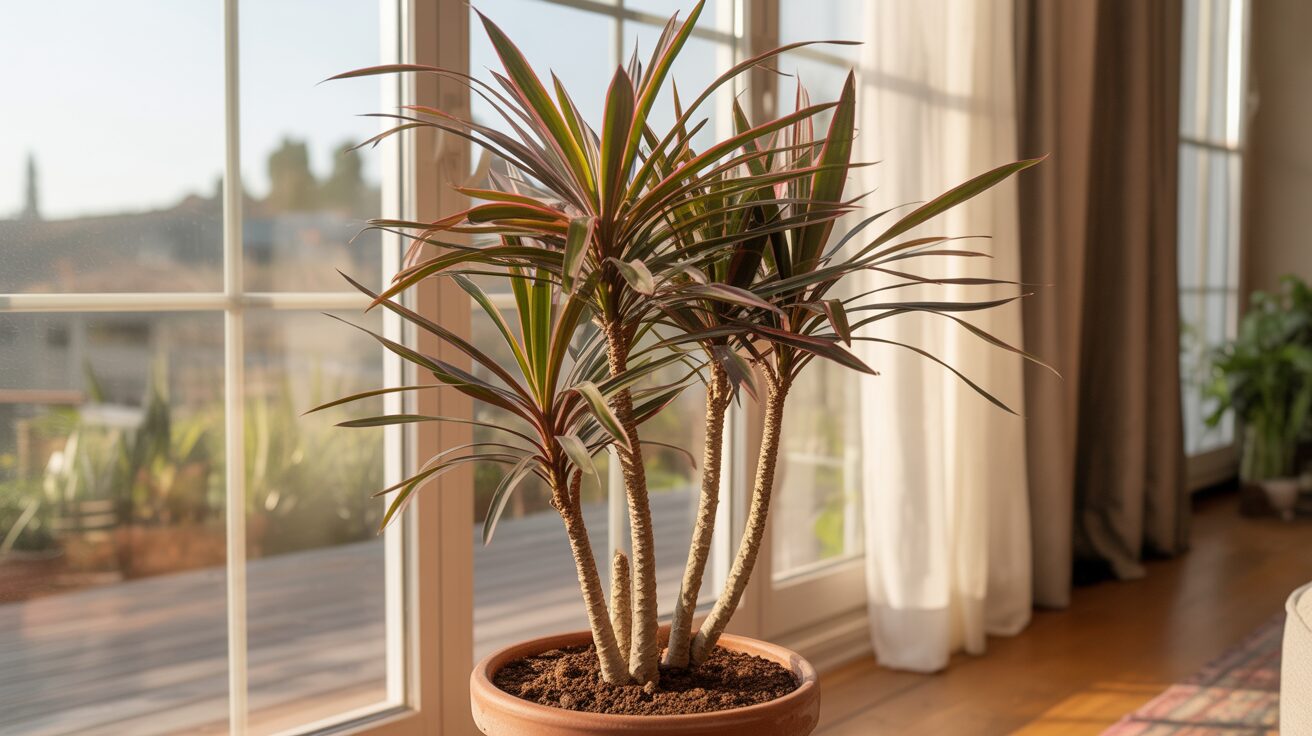
Dragon Trees (Dracaena marginata) have thin, spiky leaves. The leaves are green with red edges. They grow on woody stems. Mature plants can reach 6 feet tall.
- Light. Dragon Trees prefer bright, indirect light. They can tolerate lower light, but growth slows. Avoid direct sun. The leaves will scorch.
- Water. Water when the top inch of soil feels dry. Do not let the plant sit in water. Overwatering causes root rot. In winter, water less often.
- Soil. Use well-draining potting mix. Add perlite for aeration. For the perfect mix, see my guide on indoor plant potting mix.
- Brown tips. Brown leaf tips usually mean low humidity or overwatering. Mist the leaves occasionally. Let the soil dry out more between waterings.
- Toxicity. Dragon Trees are toxic to cats and dogs. Keep them out of reach.
Growing a Spiky Snake Plant Indoors
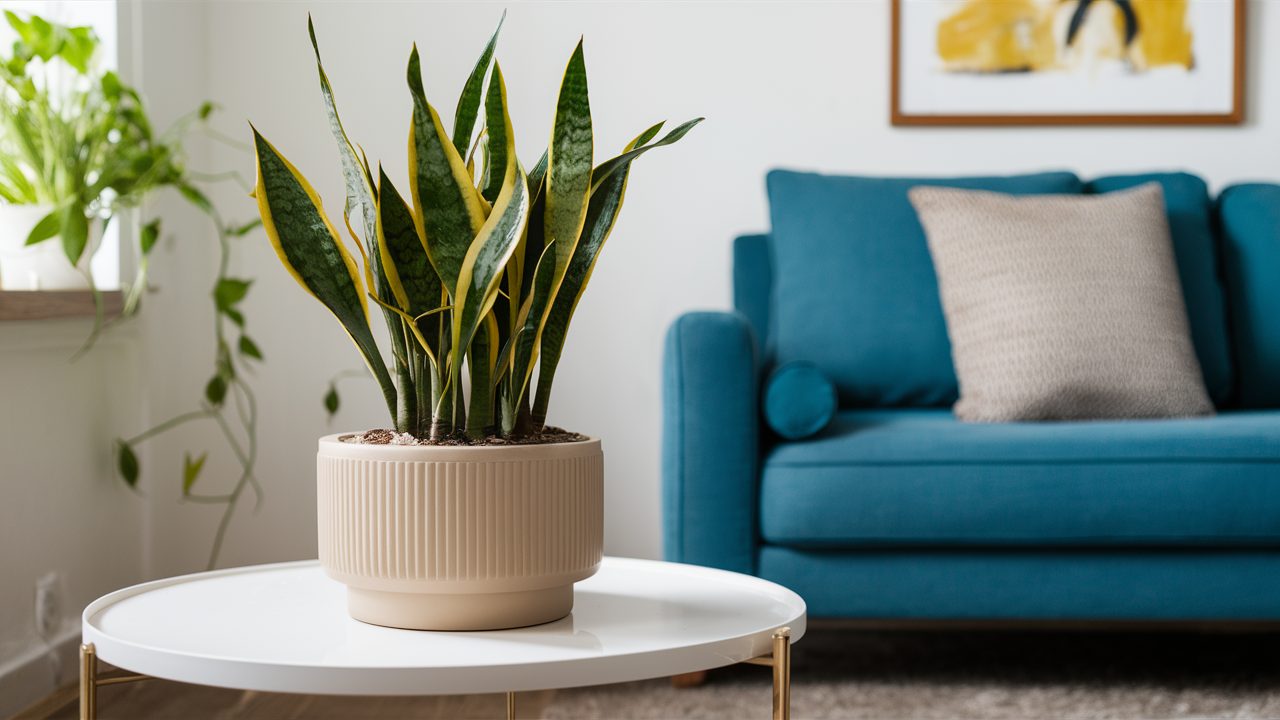
Snake Plants (Sansevieria) are the ultimate low-maintenance plant. Their leaves are stiff, upright, and pointed. Some varieties have yellow edges. Others have silver bands.
- Light. Snake Plants tolerate low light. However, they grow faster in bright, indirect light. Direct sun is fine, but introduce it gradually.
- Water. This is where most people go wrong. Water only when the soil is completely dry. In winter, you may water once a month. In summer, every 2 to 3 weeks.
- Soil. Use a well-draining potting mix. Cactus or succulent soil works well. Add sand or perlite for extra drainage.
- Propagation. Snake Plants are easy to propagate. Cut a leaf into 3-inch sections. Let the cuttings dry for a day. Then stick them in moist soil. Roots will form in a few weeks.
- Toxicity. Snake Plants are toxic to cats and dogs. Keep them away from pets.
Tall Spiky Houseplants for Living Room Corners
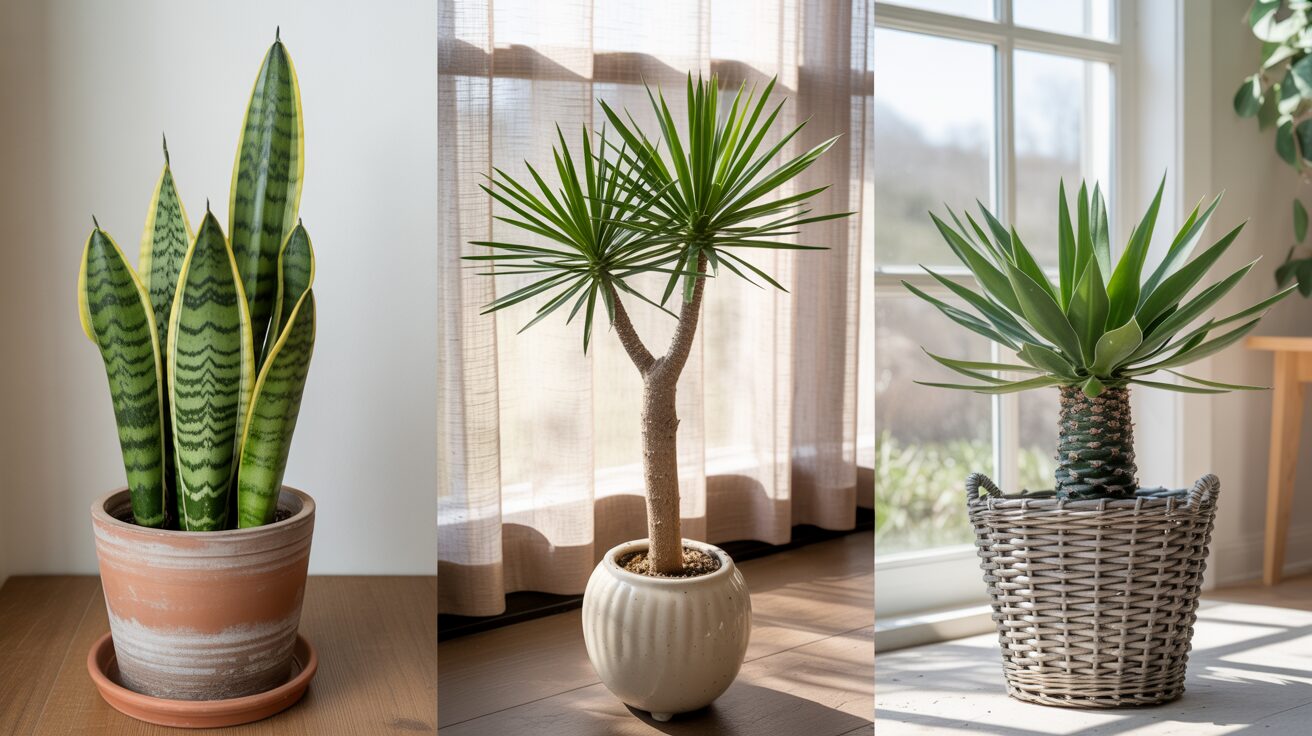
A empty corner can make a room feel unfinished. A tall spiky plant fills that space beautifully.
- Dragon Tree (Dracaena marginata). This plant grows tall and thin. It fits perfectly in tight corners. It can reach 6 to 8 feet indoors.
- Snake Plant (Sansevieria trifasciata). Some varieties grow 3 to 4 feet tall. 'Laurentii' has yellow edges. 'Black Coral' is very dark green.
- Yucca Cane (Yucca elephantipes). This plant looks like a small tree. It has thick, woody stems. The leaves are long and pointed. Yuccas need bright light.
- Madagascar Dragon Tree (Dracaena marginata). Not to be confused with the regular Dragon Tree. This one has thinner leaves and a more delicate look.
For more on styling with plants, see my post on indoor vertical garden.
Spiky plants are not all tall. Some are small and perfect for desks. Aloe Vera, Zebra Succulents, and other mini spiky plants add texture to tabletops.
In the next section, I will cover small spiky houseplants. You will learn how to care for Aloe Vera, propagate Zebra Succulents, and which plants are best for office desks. Keep reading for desktop-friendly spiky plants.
Small and Desktop Visual Accents
Not every room has space for a tall plant. Small spiky plants are perfect for desks, shelves, and window sills.
Spiky Aloe Vera Plant Care Tips
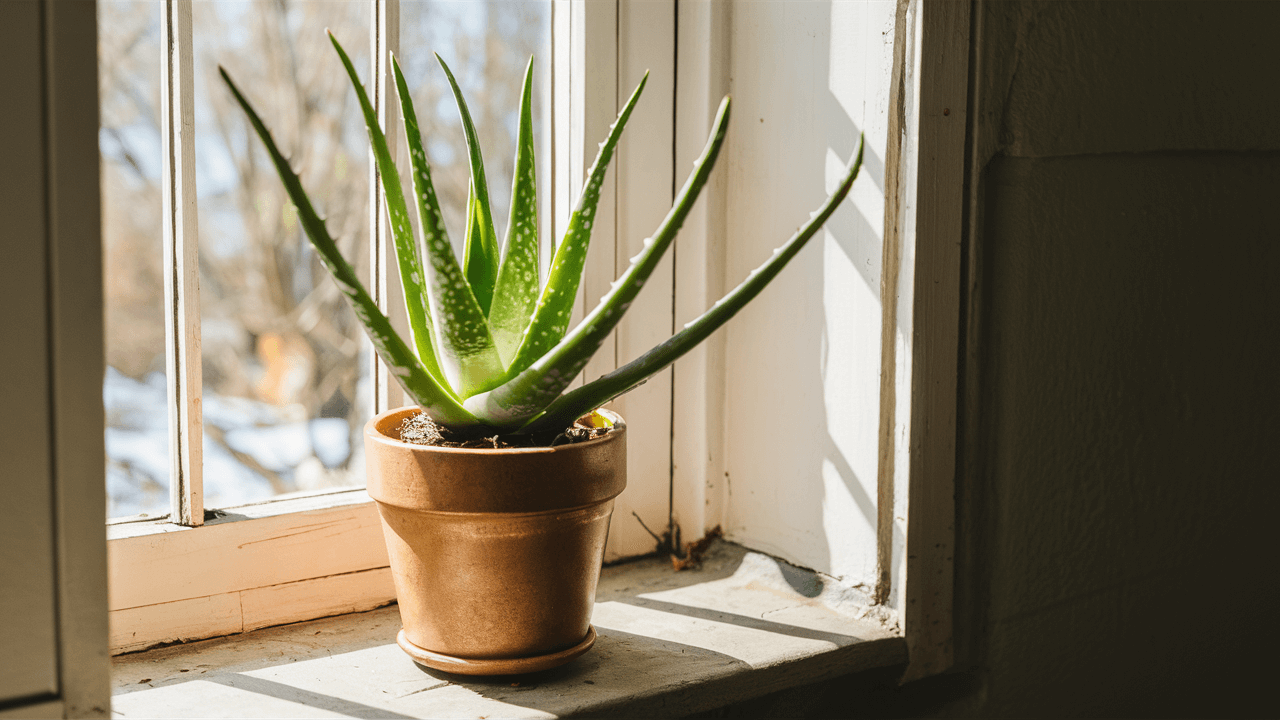
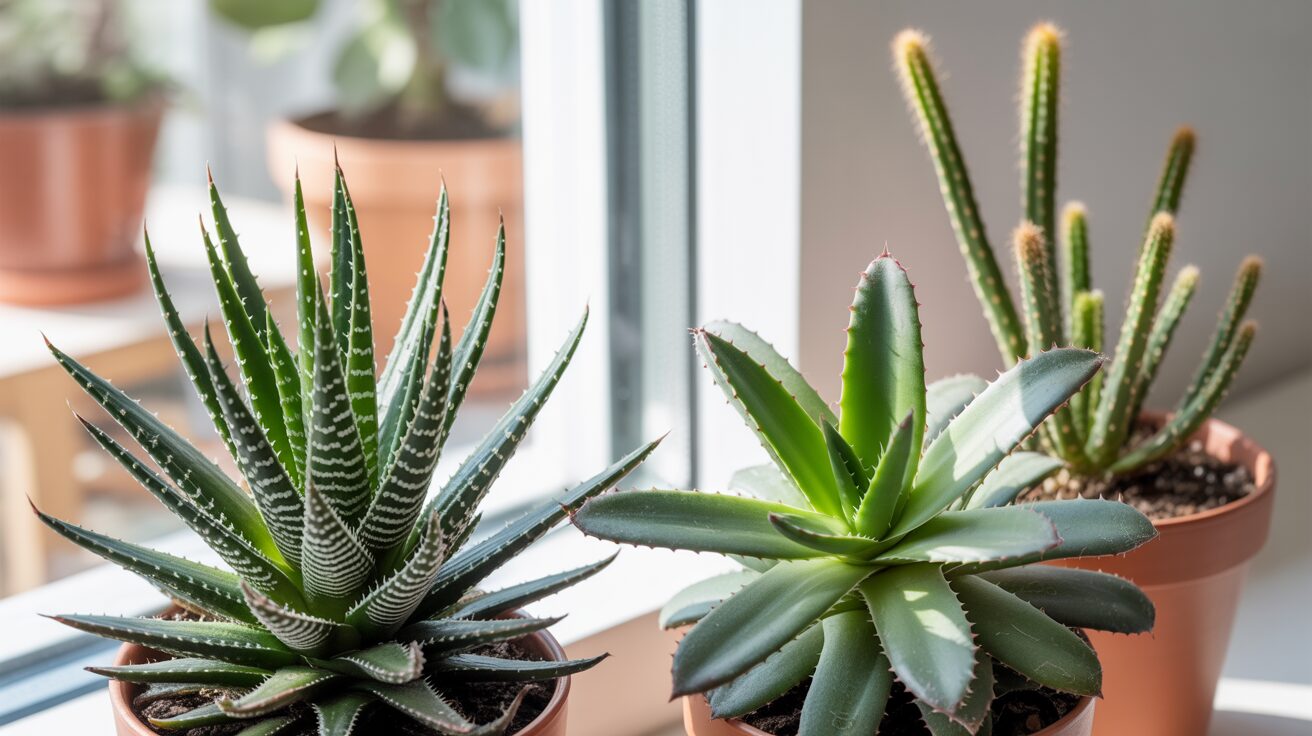
Aloe Vera is a succulent with thick, fleshy leaves. The leaves have small teeth along the edges. It is famous for its healing gel. Break a leaf open and apply the gel to minor burns or cuts.
- Light. Aloe Vera needs bright, indirect light. A south or west-facing window is ideal. If the leaves become flat and spread out, it needs more light.
- Water. Let the soil dry completely between waterings. In summer, water every 2 to 3 weeks. In winter, water once a month. Overwatering is the fastest way to kill Aloe Vera.
- Soil. Use a cactus or succulent potting mix. It must drain quickly. Add perlite or sand for extra drainage.
- Repotting. Aloe Vera produces baby plants (pups). When the pups are 3 to 4 inches tall, remove them. Repot them in their own small pots.
- Common problems. Soft, mushy leaves mean overwatering. Brown leaves mean too much direct sun. Move the plant to a shadier spot.
- Toxicity. Aloe Vera is toxic to cats and dogs. The gel is safe for humans. Keep it away from pets.
How to Propagate Spiky Zebra Succulents
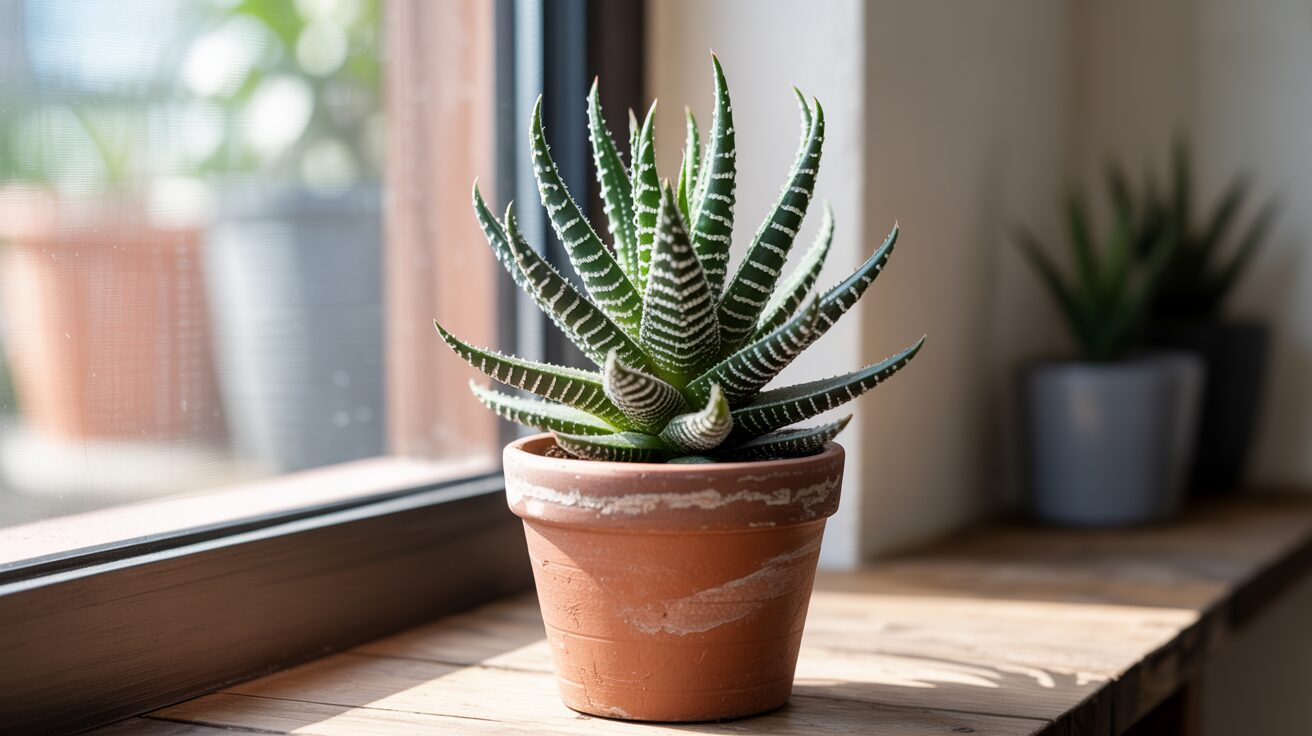
Zebra Succulents (Haworthia fasciata) have white stripes on dark green leaves. They are small and slow-growing. They are perfect for desks and window sills.
Water new plants sparingly. Mist the soil lightly once a week. Do not soak it. The baby plants are fragile.
For more propagation techniques, see propagating basil. The same principles apply to succulents.
What Is the Easiest Spiky Houseplant for Beginners?
If you can only buy one plant, get a Snake Plant. It is the most forgiving. It survives low light, irregular watering, and temperature changes. It also cleans the air.
Second place goes to Aloe Vera. It needs more light than a Snake Plant. However, it is still very easy. Plus, you get free medicine from the leaves.
Third place goes to Zebra Succulent. It is small and slow-growing. Perfect for a desk. Just do not overwater it.
Small Spiky Houseplants for Office Desks
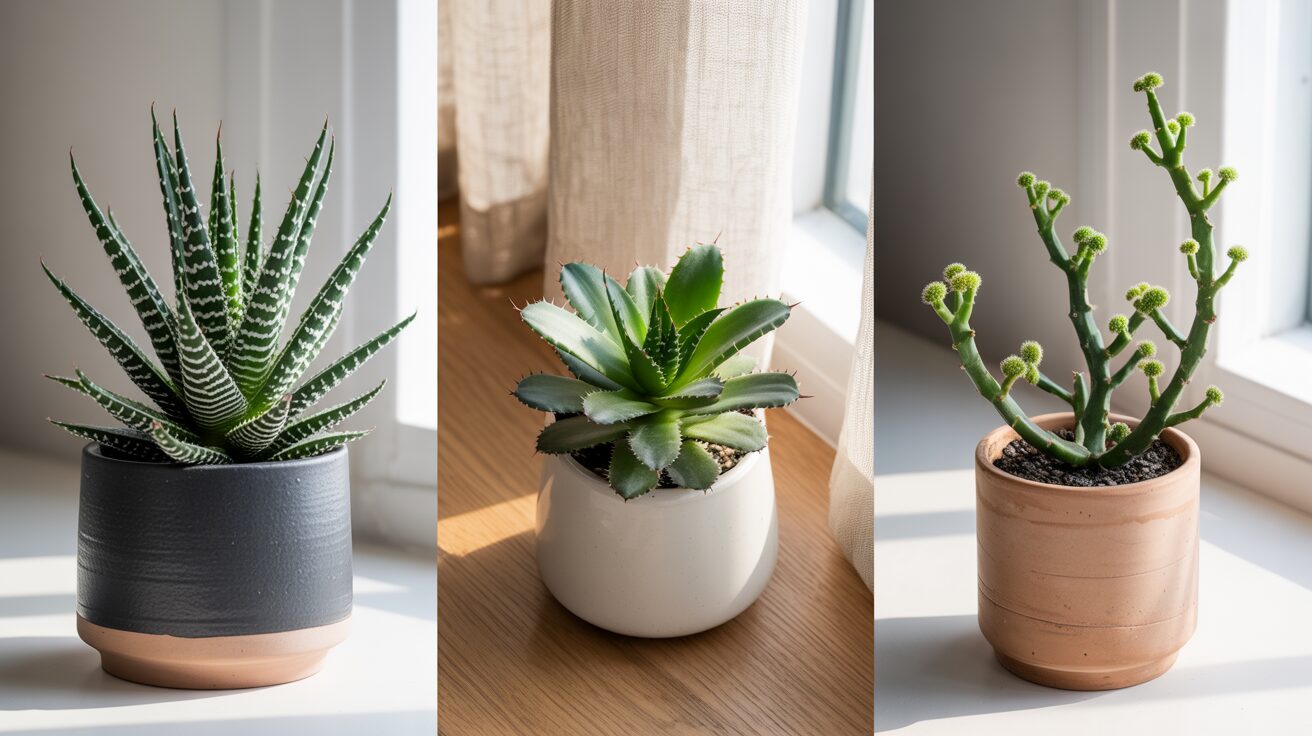
Office desks have unique challenges. The light is often fluorescent, not natural. The air is dry. You may forget to water.
- Zebra Succulent (Haworthia). This is my top choice for offices. It stays small. It tolerates fluorescent light. Water it every 2 to 3 weeks.
- Snake Plant (compact varieties). 'Hahnii' is a dwarf Snake Plant. It grows in a rosette shape. It reaches only 6 inches tall. Perfect for desks.
- Aloe Vera (mini varieties). Some Aloe Veras stay small. 'Aloe aristata' is one example. It looks like a mini cactus. It needs bright light. Place it near a window if possible.
- Pencil Cactus (Euphorbia tirucalli). This plant has thin, pencil-like stems. It looks very modern. However, it is toxic. Keep it away from children and pets.
Critical Environmental Requirements
Spiky plants are adaptable. However, they have specific needs.
Best Spiky Houseplants for Low Light Apartments
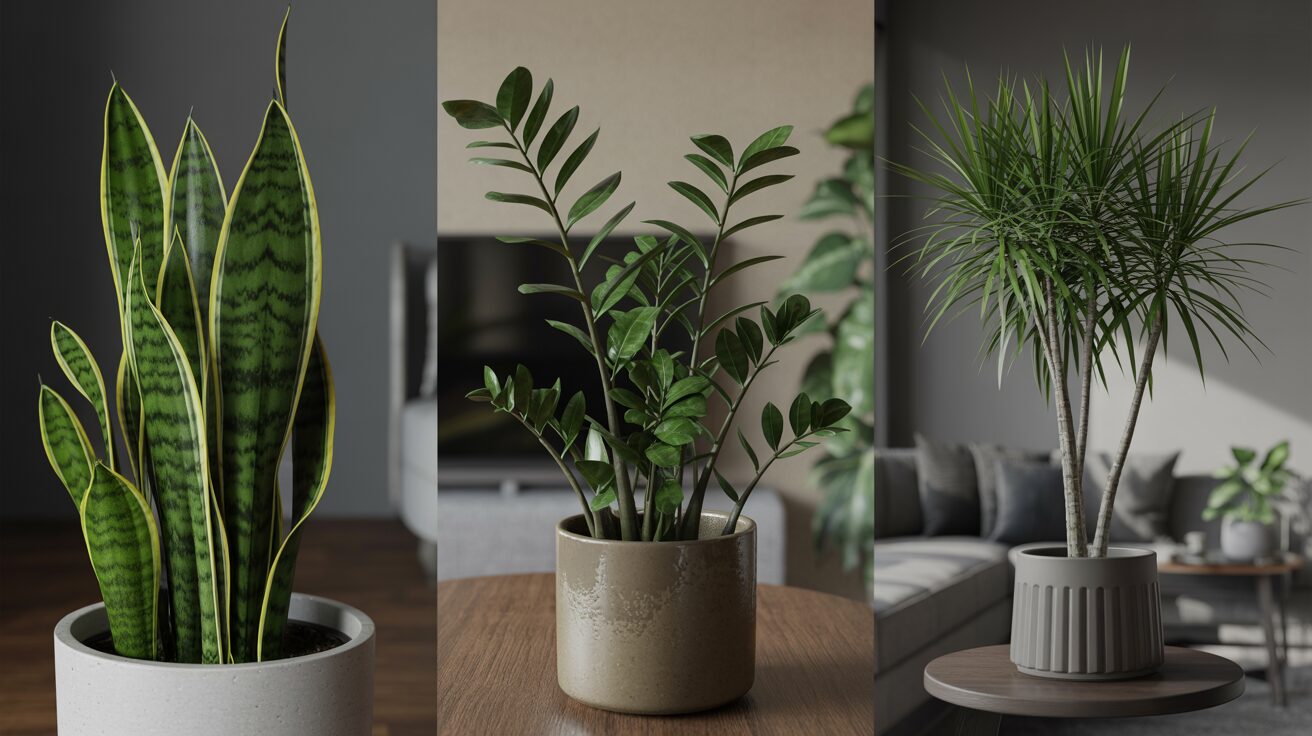
Not every home has sunny windows. Low light apartments are common. These spiky plants will survive.
- Snake Plant. This is the best low-light spiky plant. It tolerates almost no light. It will not grow fast, but it will live. Water it very sparingly.
- ZZ Plant (Zamioculcas zamiifolia). The ZZ Plant has thick, waxy leaves. They are not spiky, but they are pointed. It survives low light and neglect. Water it once a month.
- Dragon Tree. Dragon Trees tolerate lower light. However, growth will slow. The leaves may become less red. Still, the plant will survive.
Avoid cacti in low light. Cacti need direct sun. They will stretch and become weak in low light.
Best Well-Draining Soil for Spiky Indoor Plants
Most spiky plants are succulents or cacti. They need soil that drains quickly. Heavy, wet soil causes root rot.
- Use a cactus or succulent potting mix. These mixes have sand and perlite. They do not hold much water.
- Make your own mix. Combine 2 parts regular potting mix, 1 part perlite, and 1 part coarse sand. This creates a fast-draining blend.
- Add gravel to the bottom of the pot. This improves drainage. Place a layer of small gravel or pebbles before adding soil.
Do not use garden soil. Garden soil is too heavy. It compacts in pots. It also may contain pests.
For the perfect chunky, well-draining mix, see my full guide on indoor plant potting mix.
Best Grow Lights for Spiky Indoor Plants
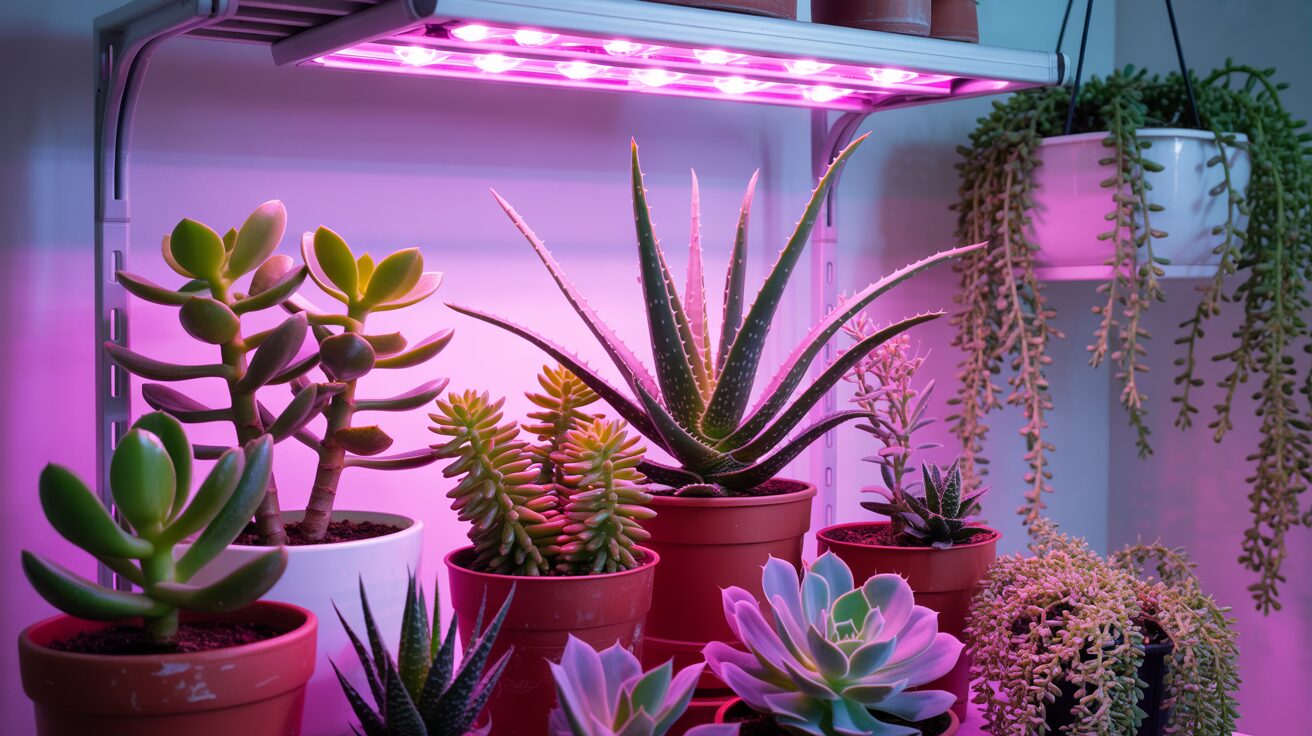
If your home has limited natural light, use grow lights. They mimic the sun. Your plants will stay healthy.
LED grow lights are the best. They are energy-efficient. They do not get hot. They last for years.
Place lights 6 to 12 inches above the plants. Keep them on for 10 to 12 hours per day. Use a timer for convenience.
Full-spectrum lights work best. They provide all the colors of natural sunlight. Your plants will grow compact and healthy.
For low-light plants like Snake Plants, a simple fluorescent bulb works. Place it 12 inches above the plant.
Enter your text here...
Bonus: More Dramatic Spiky Plants for Enthusiasts
You have mastered the basics. Snake Plants and Aloe Vera are thriving. Now you want something bolder. Something that makes guests say "Wow, what is that?"
Below are five spiky plants for adventurous plant parents. These need more light, more patience, or more careful watering. However, the payoff is worth it.
Agave
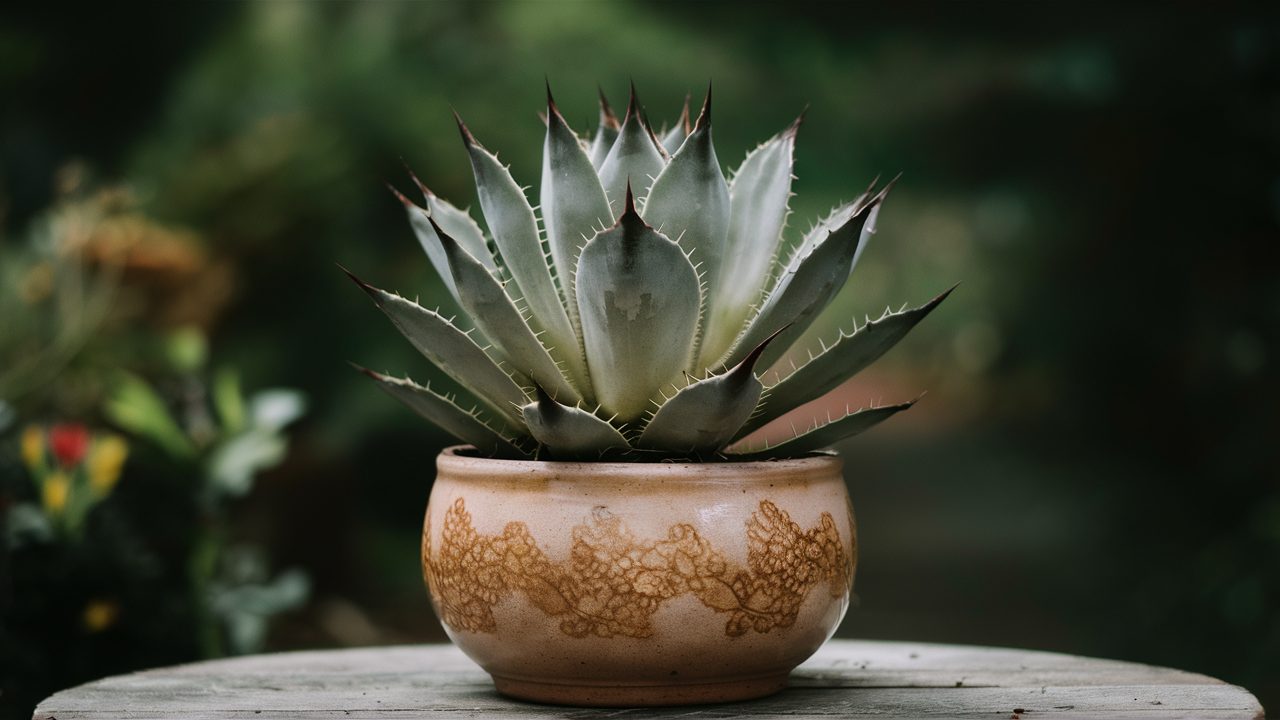
Agave plants have a distinctive rosette shape, and their leaves can vary in color from blue-gray to bright green, depending on the variety. They are often used in xeriscaping due to their drought tolerance, but they also make excellent indoor plants.
To care for your Agave, ensure it receives plenty of bright, direct sunlight and water it sparingly. Do not allow to sit in water.
Echinopsis (Hedgehog Cactus)
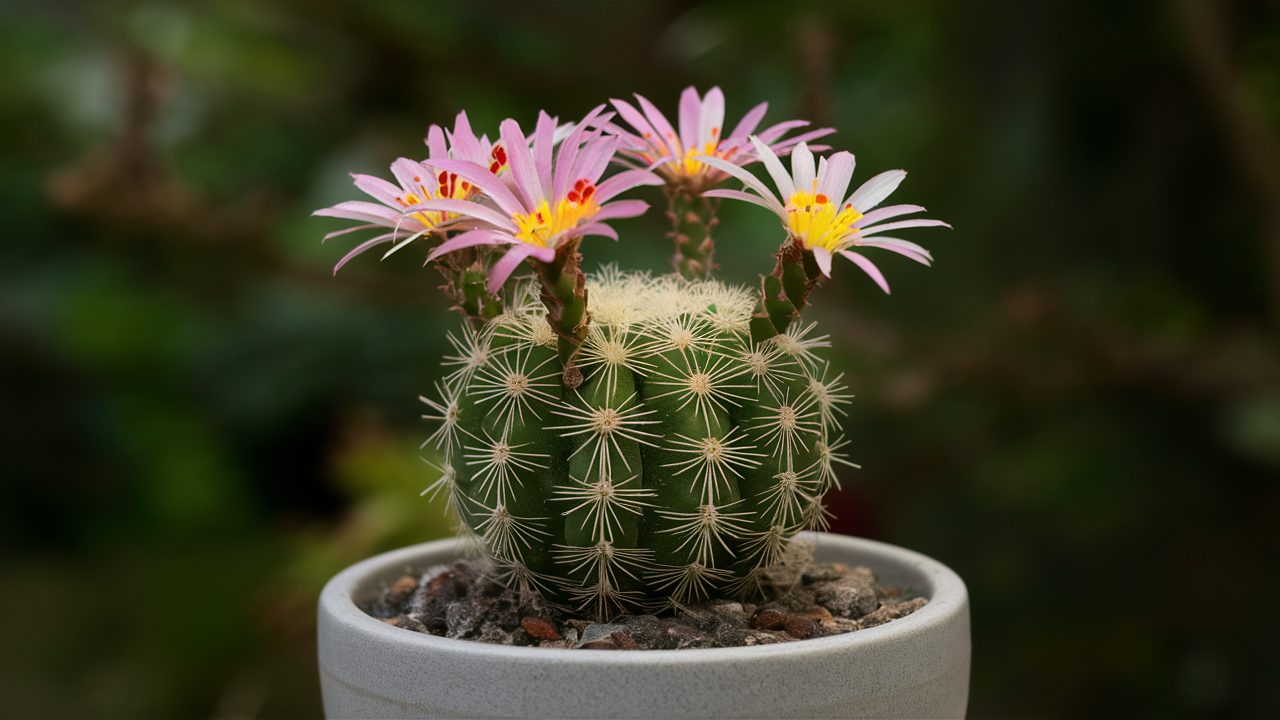
Echinopsis, commonly known as the Hedgehog Cactus, is a small, spiky houseplant that packs a punch. With its round shape and dense spines, it adds a unique texture to any indoor garden. This cactus is also known for its beautiful, large flowers that bloom in various colors, including white, pink, and red.
To care for your Echinopsis, place it in a spot with bright, direct sunlight and water it sparingly. Like most cacti, the Hedgehog Cactus prefers to be on the dry side and does not need frequent watering. During the growing season, you can feed it with a cactus fertilizer to encourage healthy growth and blooming.
Bromeliad
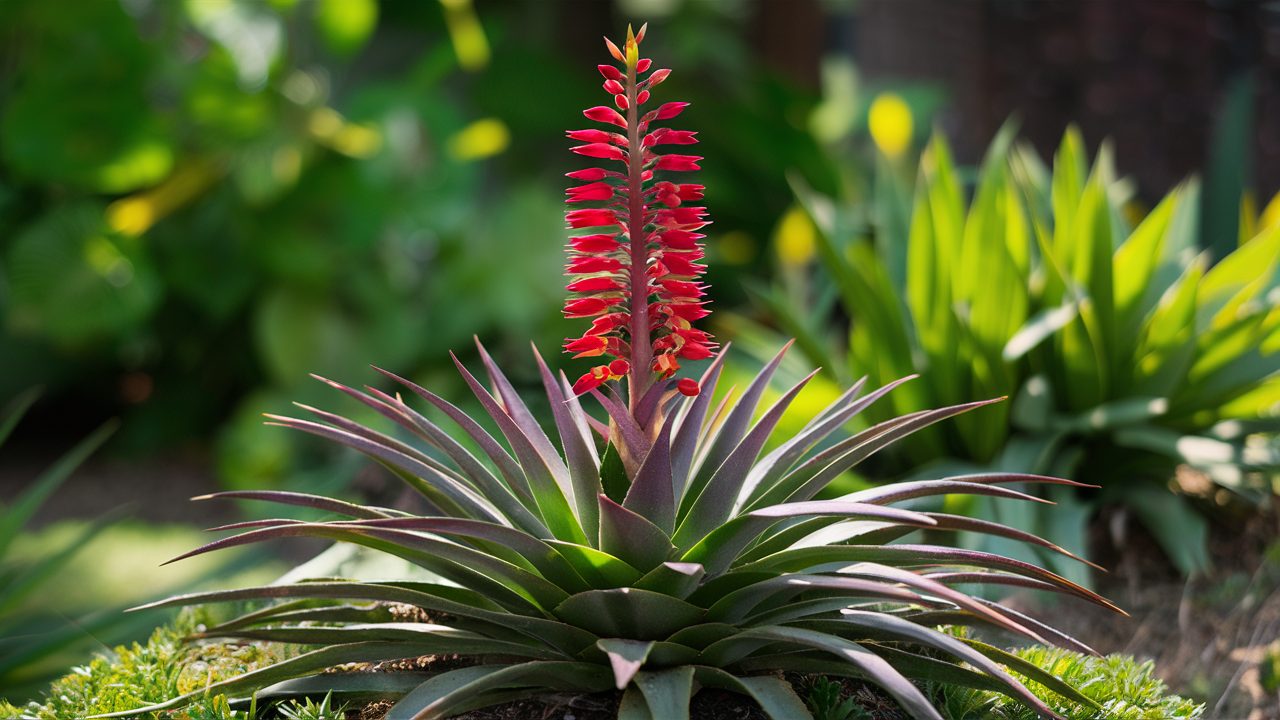
Bromeliads are unique spiky houseplants that can add a tropical flair to your indoor garden. These plants have stiff, spiky leaves that form a rosette, and they often produce a colorful flower spike that can last for several months. Bromeliads are epiphytic, meaning they can grow in soil or attached to other surfaces, such as tree bark.
To care for your Bromeliad, place it in bright, indirect light and water it by filling the central cup formed by its leaves. Bromeliads prefer high humidity and well-draining soil, so it's essential to ensure good airflow around the plant. These plants are relatively low-maintenance and can add a touch of the tropics to your home with minimal effort.
Crown of Thorns (Euphorbia milii)
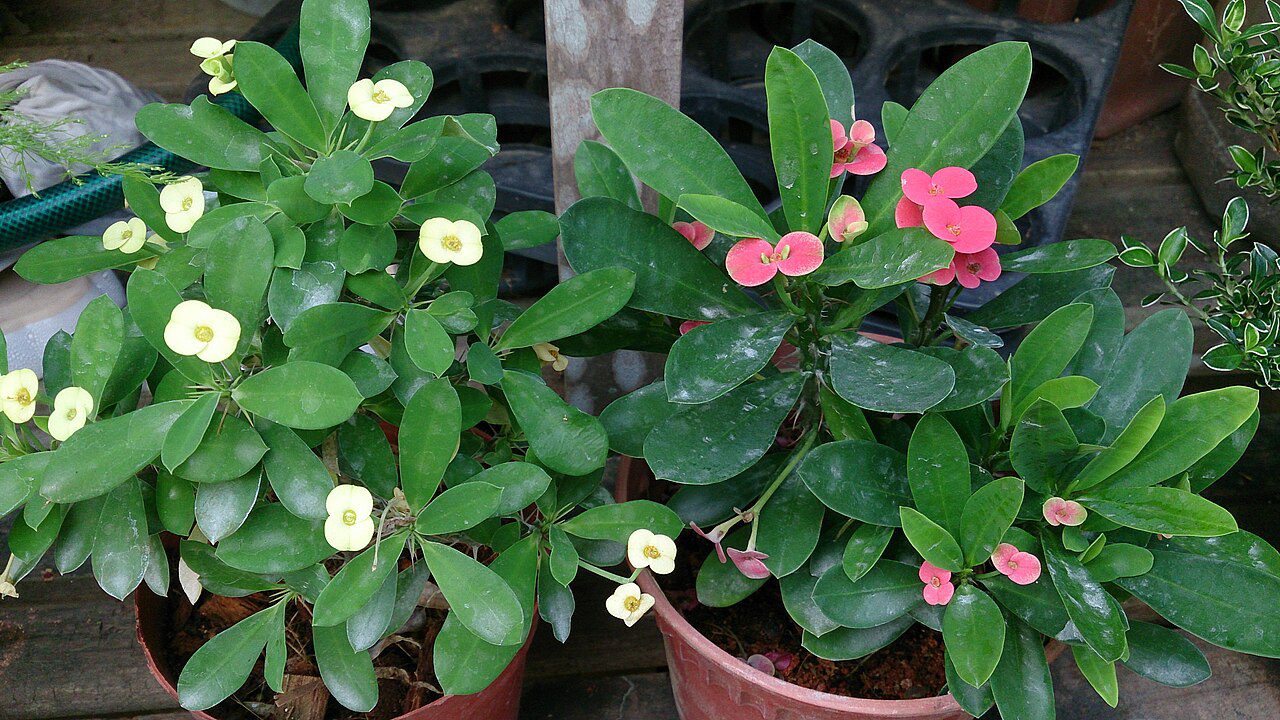
The Crown of Thorns is a unique spiky houseplant known for its thick, thorny stems and bright, colorful flowers. It’s a hardy plant that can thrive in various indoor conditions, making it a popular choice for those looking to add some spiky charm to their home.
Crown of Thorns prefers bright, indirect light and should be watered moderately. Allow the soil to dry out between waterings to prevent root rot. This plant can tolerate a bit of neglect, making it ideal for busy individuals. Be cautious when handling it, as its sap can be irritating to the skin.
Madagascar Palm (Pachypodium lamerei)
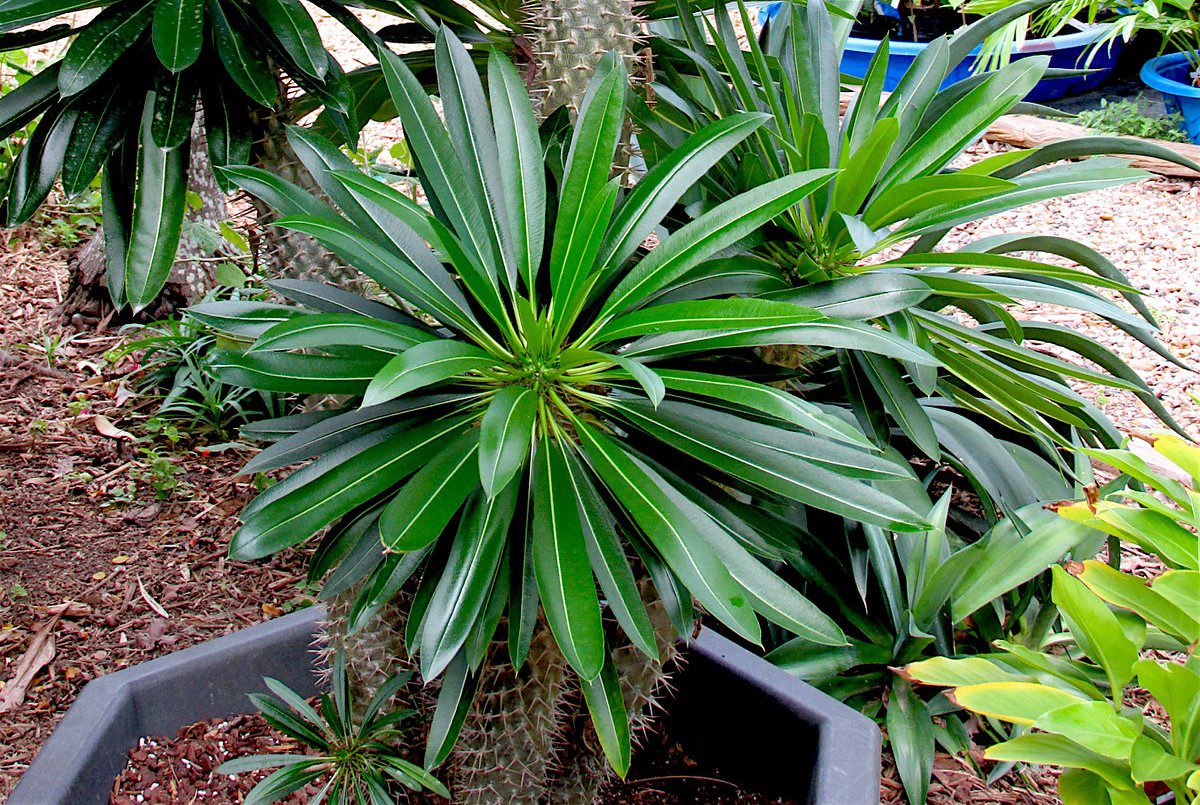
Source: Photo by Pinke
The Madagascar Palm, despite its name, is not a true palm but a spiky succulent with a thick, thorny trunk and a crown of long, narrow leaves. It can grow quite tall, making it a striking addition to any indoor space.
This plant thrives in bright, indirect light and requires minimal watering. Allow the soil to dry out completely between waterings. The Madagascar Palm is relatively low-maintenance and can add a distinct touch to your home. It prefers a well-draining soil mix, such as cactus or succulent soil.
HSpiky Blue Chalksticks (Senecio serpens)
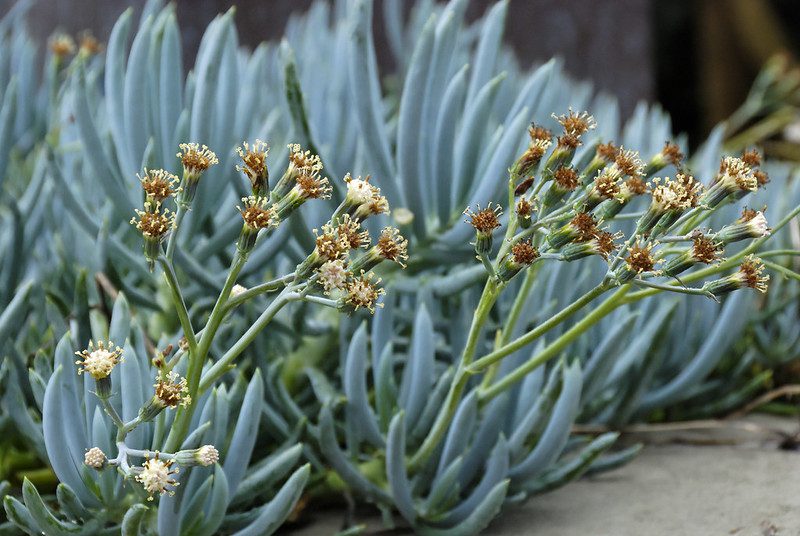
Source: Photo by Tony Rodd
Blue Chalksticks is a succulent known for its striking blue-gray, spiky leaves that grow in a compact, upright manner. This plant is perfect for adding a touch of color and texture to your indoor garden.
To care for Blue Chalksticks, provide bright, indirect light and water sparingly. This plant prefers to be on the dry side, so allow the soil to dry out completely between waterings. It’s also important to use well-draining soil to prevent root rot. This hardy succulent is relatively low-maintenance and can thrive with minimal care.
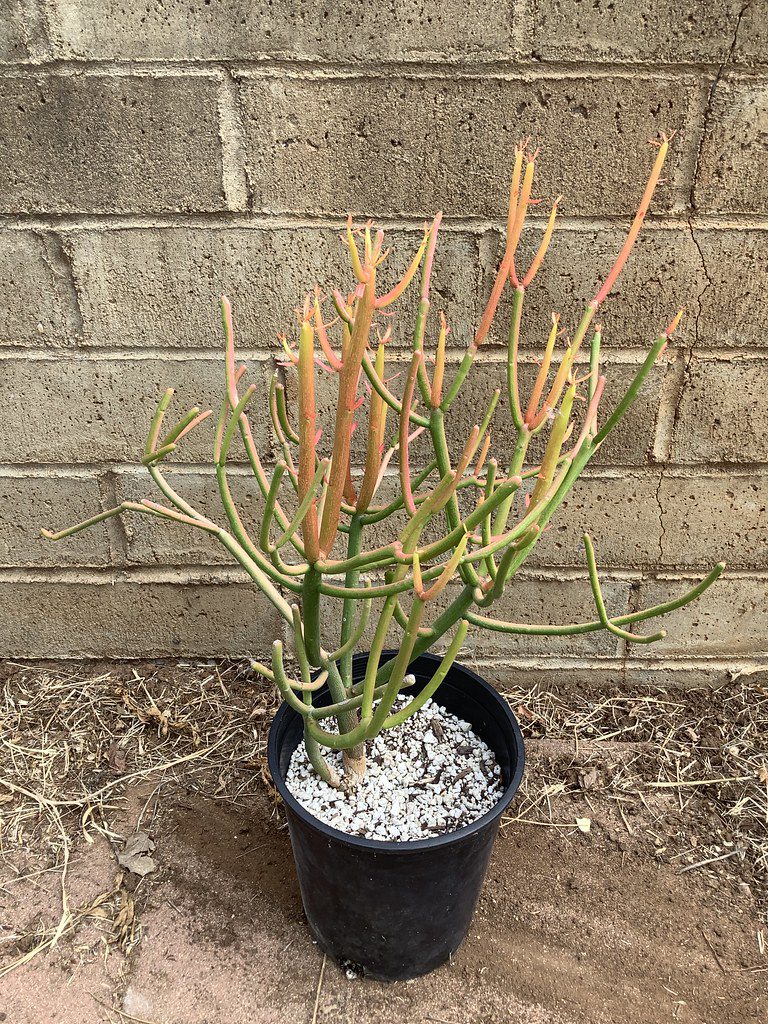
Pencil Cactus (Euphorbia tirucalli)
Source: Photo by el cajon yacht club
The Pencil Cactus, also known as Euphorbia tirucalli, is a unique and spiky houseplant with thin, pencil-like stems that can grow quite tall. This plant is perfect for adding an architectural element to your indoor space.
Pencil Cactus thrives in bright, indirect light and requires minimal watering. Allow the soil to dry out completely between waterings to prevent root rot. This plant is highly drought-tolerant and can thrive on neglect. Be careful when handling it, as its sap is toxic and can cause skin irritation.
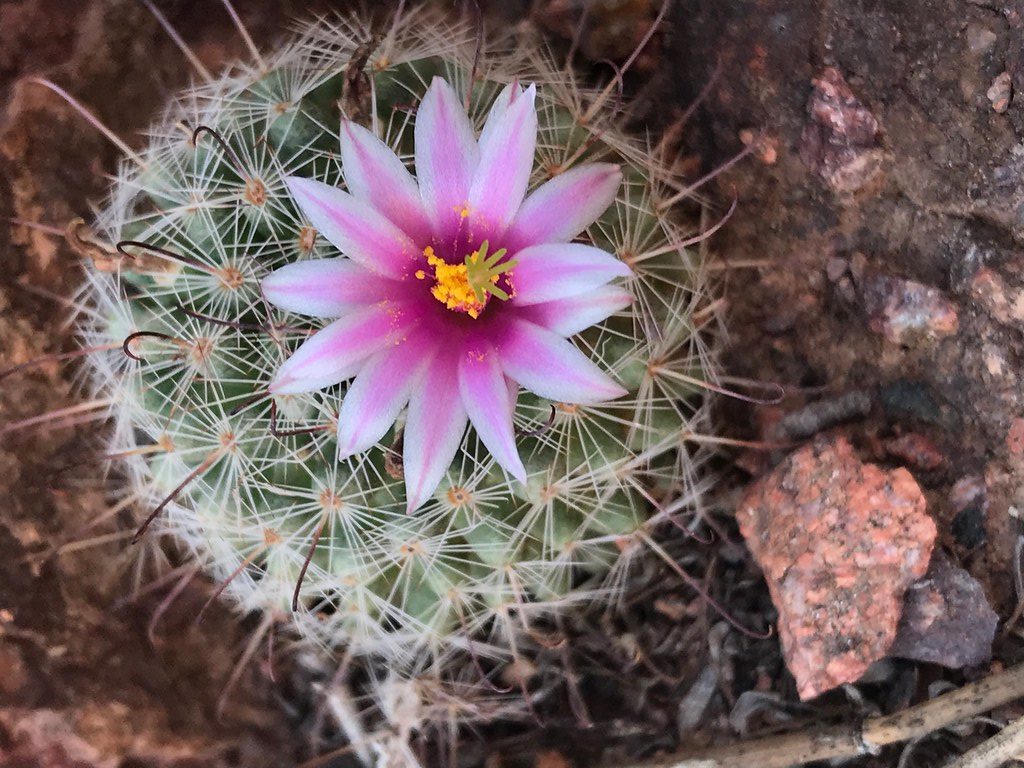
Pincushion Cactus (Mammillaria)
The Pincushion Cactus is a small, spiky houseplant that is perfect for tabletops or small spaces. It has a round shape covered in dense spines and can produce small, colorful flowers.
To care for a Pincushion Cactus, provide bright, direct light and water sparingly. Allow the soil to dry out completely between waterings. This cactus prefers well-draining soil and can thrive with minimal care. During the growing season, you can feed it with a cactus fertilizer to encourage blooming.
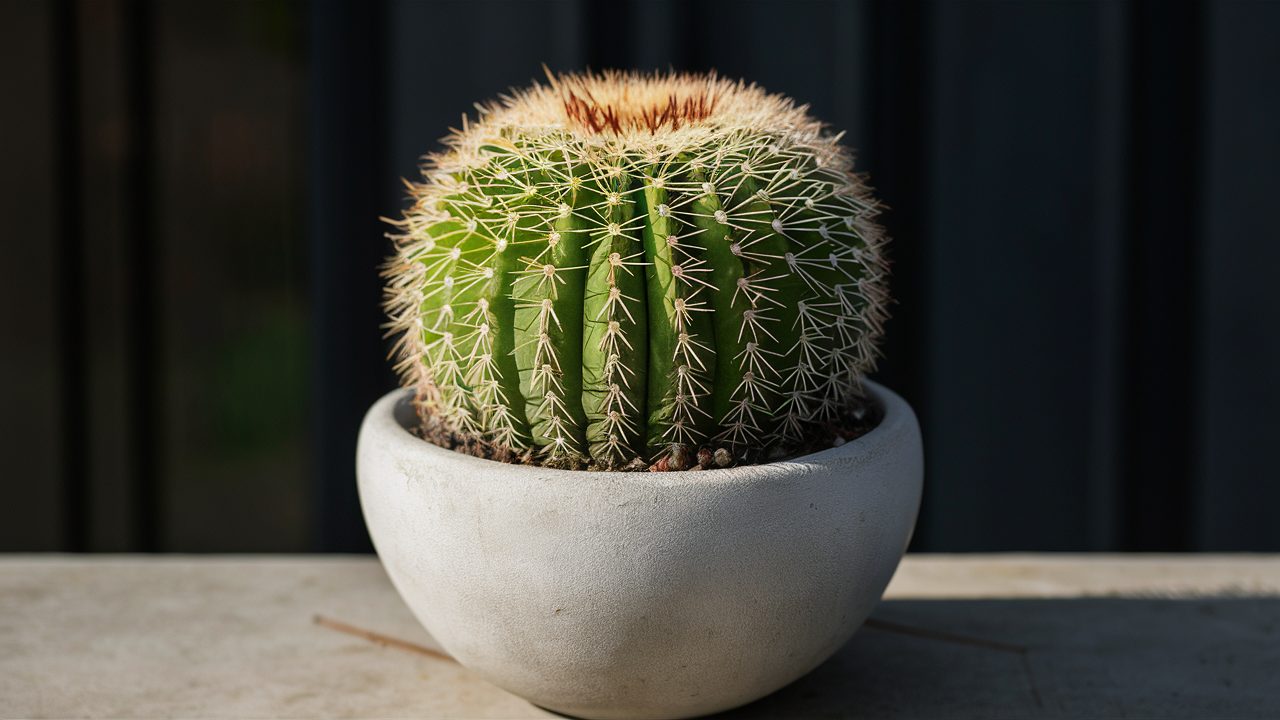
Barrel Cactus (Echinocactus grusonii)
Source: Photo by Grand Canyon National Park
The Barrel Cactus is a striking spiky houseplant known for its round shape and prominent ribs covered in sharp spines. It’s a slow-growing cactus that can live for many years, making it a long-term addition to your indoor garden.
This cactus thrives in bright, direct light and requires minimal watering. Allow the soil to dry out completely between waterings to prevent root rot. The Barrel Cactus prefers well-draining soil and can tolerate neglect, making it an excellent choice for busy individuals.
keeping spiky plants healthy requires more than just light and soil. You need to water them correctly. You need to troubleshoot brown tips and root rot. You also need to repot large plants safely.
Next, I will cover maintenance, watering schedules, troubleshooting common problems, and how to repot large spiky plants safely. Keep reading to master spiky plant care.
Maintenance, Watering, and Troubleshooting
Spiky plants are low maintenance. However, they still need some attention.
How Often to Water Spiky Houseplants in Winter
Winter is a tricky time for indoor plants. The days are shorter. The air is drier. The plants grow slower. They need less water.
- Reduce watering frequency. In winter, water Snake Plants once a month. Water Aloe Vera every 3 to 4 weeks. Water cacti every 6 to 8 weeks.
- Check the soil before watering. Stick your finger into the soil. If it feels dry 2 inches down, water. If it feels damp, wait another week.
- Water in the morning. This gives the plant time to absorb water before the cooler night.
Do not let pots sit in water. Empty the saucer after watering. Standing water causes root rot.
Note: If your home is very dry, increase humidity. Mist the leaves occasionally. Group plants together. Use a small humidifier. For more tips, see self-watering herb garden .
Why Are the Tips of My Spiky Houseplant Turning Brown?
Brown leaf tips are common. They usually mean one of three things.
- Low humidity. Indoor air is often dry, especially in winter. Spiky plants like Aloe Vera and Dracaena prefer some humidity. Mist the leaves every few days. Or place a humidifier nearby.
- Overwatering. Brown tips can also mean too much water. Let the soil dry out more between waterings. Check your pot for proper drainage.
- Too much fertilizer. Spiky plants are not heavy feeders. Fertilize only during spring and summer. Use a cactus or succulent fertilizer at half strength. Do not fertilize in winter.
If only the tips are brown, you can snip them off. Use clean scissors. Cut at an angle. This makes the plant look better. It does not solve the underlying problem, though.
Preventing Root Rot in Spiky Houseplants
Root rot is the number one killer of spiky plants. It happens when the soil stays wet for too long. The roots cannot breathe. They turn black and mushy.
Signs of root rot. The leaves turn yellow or brown. The plant feels soft. The soil smells bad.
Prevention is key. Use well-draining soil. Choose pots with drainage holes. Do not overwater.
If you suspect root rot, remove the plant from its pot. Cut away any black, mushy roots. Repot in fresh, dry soil. Do not water for a week. To avoid root rot in the future, let the soil dry completely between waterings. When in doubt, wait another day.
How to Repot Large Spiky Houseplants Safely
Repotting large spiky plants can be intimidating. The spines can hurt. The plant may be heavy.
- Wear thick gardening gloves. This protects your hands from spines and sharp leaf edges.
- Water the plant a day before repotting. Moist soil holds together better. The roots are less likely to break.
- Choose a pot that is 1 to 2 inches larger than the current one. Too large a pot holds too much water. This leads to root rot.
- Place a layer of gravel at the bottom. This improves drainage. Then add fresh potting mix.
- Tip the plant on its side. Gently slide it out of the old pot. Support the base of the plant with your hand.
- Place the plant in the new pot. Add soil around the sides. Tap the pot to settle the soil. Do not press down hard.
Do not water immediately after repotting. Wait 3 to 5 days. This gives the roots time to heal. For more on container gardening, see indoor container garden.
Keeping Your Household Safe
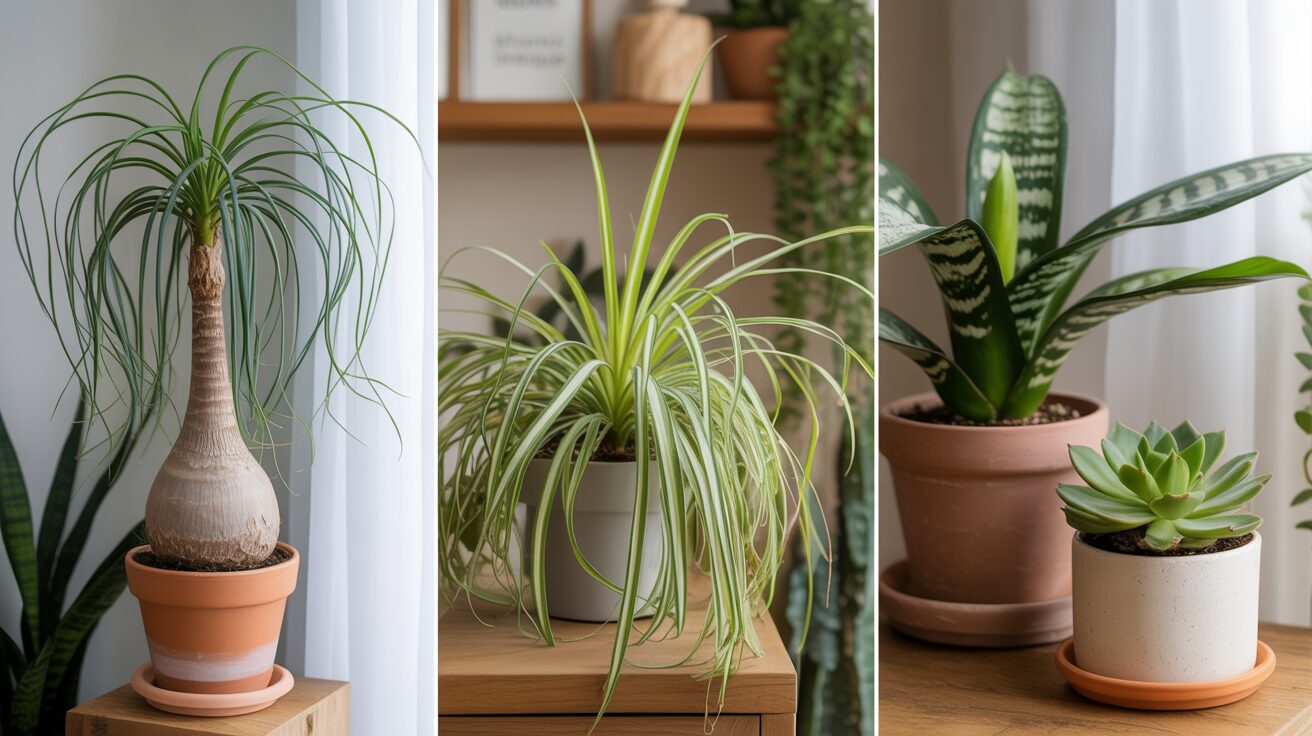
Spiky plants are beautiful. However, some are toxic to children and pets.
Safe Spiky Houseplants for Homes with Cats
If you have cats, choose non-toxic spiky plants. Many common spiky plants are dangerous.
Safe options:
- Ponytail Palm (Beaucarnea recurvata). This plant has long, thin leaves. It is non-toxic to cats. It is also very easy to grow.
- Spider Plant (Chlorophytum comosum). The leaves are pointed but not sharp. It is non-toxic. Cats love to play with the hanging babies.
- Calathea. Some Calatheas have pointed leaves. They are non-toxic. They need higher humidity.
- Echeveria (succulents). These rosette-shaped succulents are non-toxic. They are safe for cats and dogs.
Toxic spiky plants to avoid:
- Snake Plant (Sansevieria) – causes nausea and vomiting.
- Aloe Vera – causes vomiting and diarrhea.
- Dracaena – causes vomiting and drooling.
- Yucca – causes vomiting and weakness.
- Pencil Cactus – causes severe mouth and stomach irritation.
If your cat eats a toxic plant, call your vet immediately. Also call the ASPCA Poison Control hotline
Printable Spiky Houseplant Care Chart (Save This)
PLANT | LIGHT | WATER | TOXICITY | DIFFICULTY |
Snake plant | Low to bright indirect | Every 2-4 weeks | Toxic to pets | Very easy |
Aloe vera | Bright indirect | Every 2-3 weeks | Toxic to pets | Easy |
Dragon tree | Bright indirect | When top inch dry | Toxic to pets | Easy |
Zebra succulent | Bright indirect | Every 2-3 weeks | Non-toxic | Easy |
Ponytail palm | Bright light | Every 2-3 weeks | Non-toxic | Easy |
Yucca | Bright direct | Every 2-3 weeks | Toxic to pets | Moderate |
Pencil cactus | Bright direct | Every 2-4 weeks | Toxic to pets | Moderate |
FAQs About Spiky Houseplants
What is the name of the spiky houseplant?
There are many. The most common are Snake Plant, Aloe Vera, Dragon Tree, Yucca, Zebra Succulent, and Pencil Cactus.
How do you take care of Dracaena spikes?
Dracaena (Dragon Tree) needs bright, indirect light. Water when the top inch of soil is dry. Use well-draining potting mix. Fertilize monthly in spring and summer. Keep away from pets.
How do you care for a Dracaena tree indoors?
Same as above. Place it in a spot with indirect light. Water when the soil is dry. Mist the leaves occasionally. Wipe dust off the leaves with a damp cloth.
How do you care for Spiky Sansevieria?
Snake Plant care is very simple. Water once a month. Place in low to bright indirect light. Use well-draining soil. Fertilize twice a year.
Quick Summary Tips About Spiky Houseplants
- Do not overwater. This is the most common mistake. Spiky plants are succulents or cacti. They store water. They need to dry out completely between waterings. When in doubt, wait another week.
- Use well-draining soil. Regular potting soil is too heavy. Add perlite and sand. Or buy cactus mix. Your plants will thank you.
- Choose the right plant for your light. Snake Plants tolerate low light. Aloe Vera needs bright light. Match the plant to your window. You will have much more success.
If you are just starting your indoor gardening journey, read my full guide on how to start urban gardening. It covers light, water, and everything else a beginner needs.
And if you love unique houseplants, try black houseplants or indoor container garden next.
Share Your Spiky Houseplant Photos & Questions Below!
I have two small asks for you before you go find the perfect corner for your new structural greenery:
- First, drop a comment below. Which of these spiky houseplants is your absolute favorite? Are you looking to add a massive, towering dragon tree to your living room, or do you have a small aloe vera plant on your kitchen windowsill? Let me know if you are currently running into any care issues—I personally reply to every single comment within 48 hours!
- Second, save this guide for later. Pin our spiky plant identification infographic to your favorite interior design or houseplant board on Pinterest, or text this link to a friend who wants to add some modern, low-maintenance vibes to their home.
Now, go grab a pair of sturdy gardening gloves and get planting. Your home is about to look incredibly stylish!
Happy gardening, friend!
Last Updated on May 30, 2026 by Austine