

So, let’s talk about planting sprouted onions. Ever left an onion sitting too long on your counter, only to discover it sprouted? It happens to the best of us.
In fact, about 30% of onions in home kitchens sprout before they get used. But instead of tossing them out, here's a pro tip: You can plant those sprouted onions and get even more onions! Interesting, right?
I remember the first time I tried it—I’ll admit, I had no idea what I was doing. It felt like a science experiment gone wrong, but with a little patience (and a lot of trial and error), I turned those kitchen scraps into a mini onion garden. Let me show you how!
What Are Sprouted Onions?
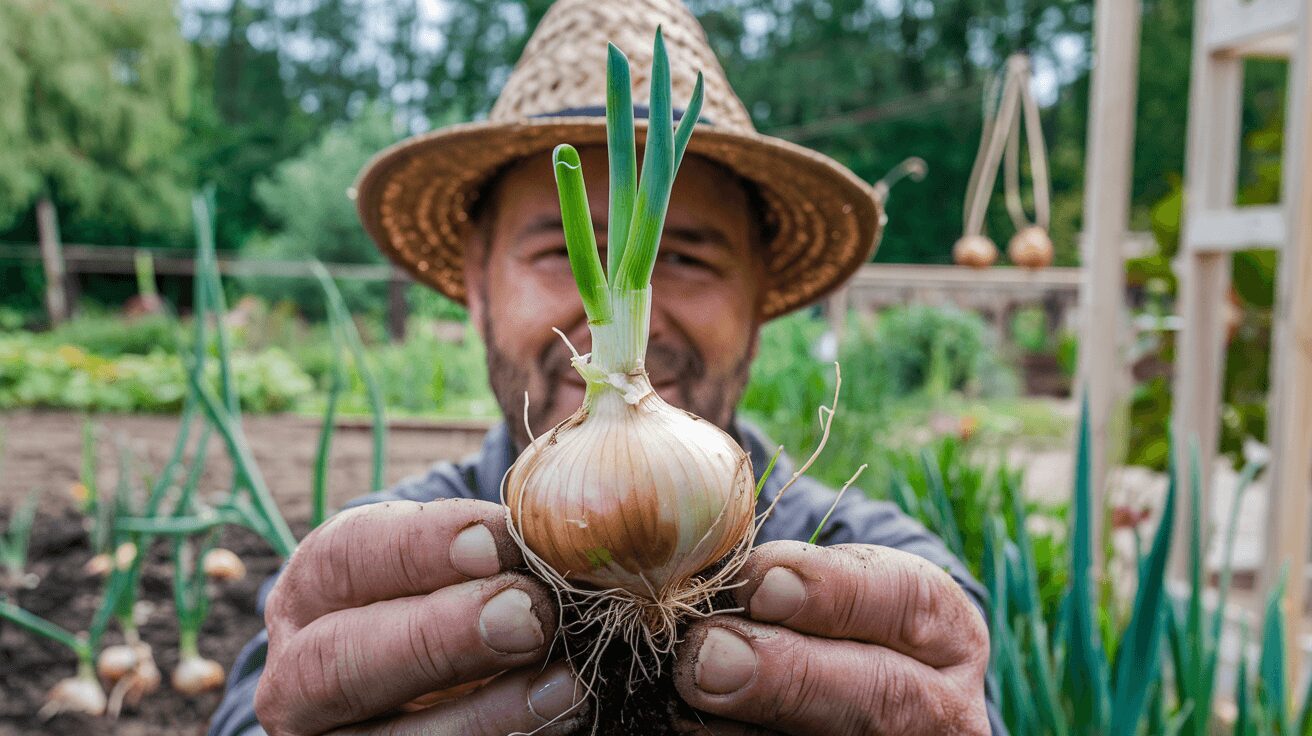
Before we dive into planting, let’s get on the same page. A sprouted onion is just an onion that’s decided to grow green shoots because it’s been hanging out for too long. Onions sprout when they’re exposed to moisture or kept in warm temperatures for a long time.
Those green shoots are a sign that your onion is still alive and kicking, and yes, it’s totally plantable. Plus, sprouted onions still taste great (though the texture might be a bit off for some dishes). But why use them up when you can plant them and grow a whole new onion crop?
How to Prepare Sprouted Onions
First things first—don’t just toss the sprouted onion into the dirt. Trust me, I tried it once, and the poor thing barely survived. There’s a right way to get it prepped for planting:
- Peel the onion: Carefully remove the papery outer layers. This helps avoid rotting when you bury it.
- Separate the sprouted bulbs: Here’s the cool part—each sprouted onion usually has multiple bulbs inside, meaning more onions for you! Gently pull apart the onion, keeping the roots intact. I like to think of this step as unwrapping a surprise gift.
- Trim the roots (if needed): If the roots are super long and tangled, give them a little trim. Not too much—just enough to keep things tidy.
That’s it! Your onions are ready for planting.
Read Next:
Planting Sprouted Onions in Containers

If you don’t have much space (hello, apartment life), growing sprouted onions in containers is your best bet. I started with a large planter on my balcony, and it worked wonders.
Here’s the process:
- Choose a deep container: Onions grow best when they have plenty of room to stretch out. Aim for something that’s at least 10-12 inches deep. Trust me, I learned the hard way with a shallow pot—those onions didn’t stand a chance.
- Fill with quality soil: Go for a well-draining potting mix. Onions hate soggy feet (don’t we all?), so make sure there are drainage holes in your container.
- Plant the sprouted bulbs: Make a small hole, about 2 inches deep, and place the bulb with the roots facing down. Cover with soil and give it a gentle pat.
- Water gently: Onions like moist soil, but not too wet. I typically water every few days, depending on the weather.
Planting Sprouted Onions in the Ground
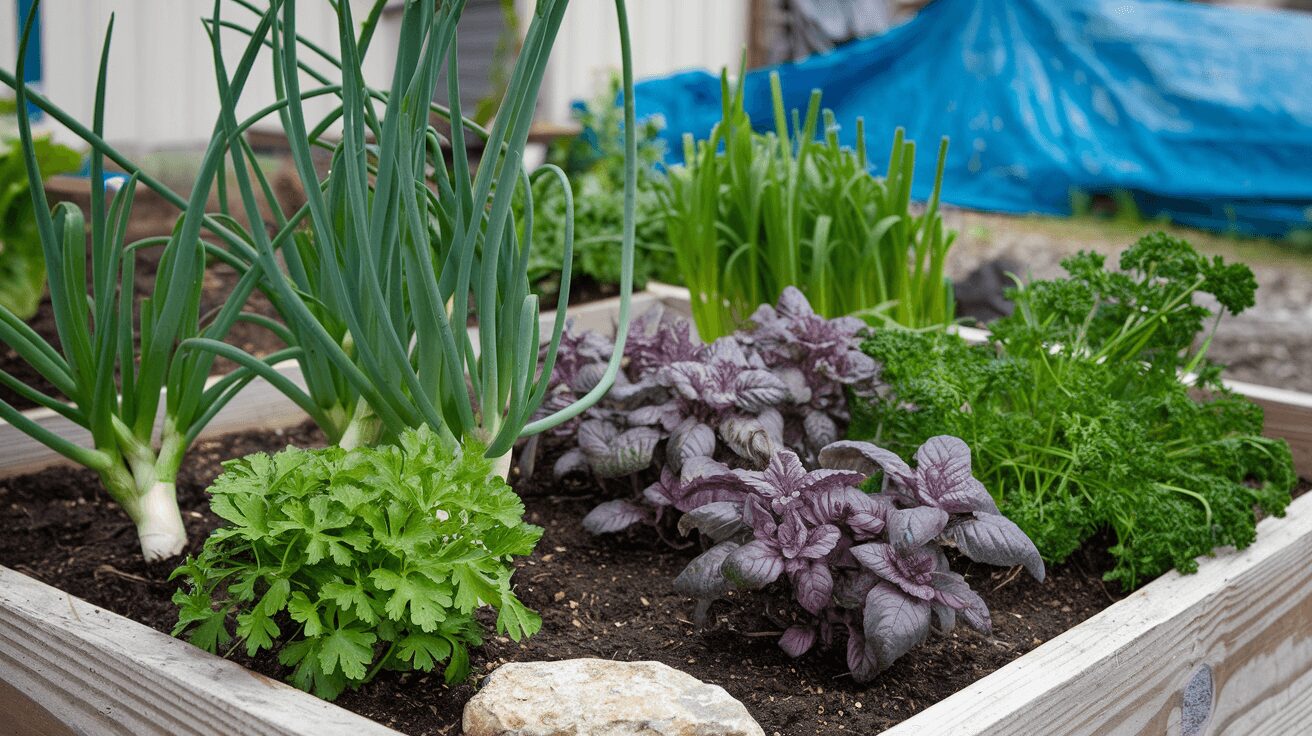
If you’ve got a garden, planting sprouted onions in the ground is even easier! My biggest mistake early on? Planting too shallow. Onions need a bit of depth, especially when you’re starting with sprouted ones.
Here’s the play-by-play:
- Pick a sunny spot: Onions love sunlight! Aim for 6-8 hours a day if possible.
- Loosen the soil: Onions grow best in loose, well-drained soil. If your soil is heavy or clay-like, mix in some compost or sand to lighten it up.
- Dig a hole about 3 inches deep: You want the onion bulb to be completely covered with just a bit of green sticking out. If you plant too shallow, they’ll dry out. Too deep? You risk rotting.
- Water regularly: Keep the soil moist but not waterlogged. I found that watering twice a week worked well, but adjust based on your climate.
Read Next:
Growing Sprouted Onions Indoors

If you’re more of an indoor gardener (or just don’t have a yard), growing sprouted onions indoors is totally doable. I’ve done it on my kitchen windowsill, and it’s surprisingly easy!
Here’s how you can do it:
- Pick a sunny window: Onions indoors need sunlight too! A south-facing window is perfect, but any sunny spot will do.
- Use a small container or pot: Since you’re indoors, space might be limited. A small pot works fine, but make sure it’s at least 6 inches deep.
- Plant just like in the garden: Follow the same planting steps, but keep an eye on the soil since indoor plants tend to dry out faster.
- Rotate the pot: If you notice the shoots leaning toward the light, rotate the pot every few days to keep them growing straight.
Growing Sprouted Onions in Water

Now, if you’re feeling experimental (and maybe a little impatient like me), you can even grow sprouted onions in water. No soil needed! Here’s how to do it:
- Get a shallow dish: Fill it with just enough water to cover the roots of your sprouted onion.
- Place the onion in the dish: Make sure the roots are submerged, but the bulb stays above water. I once dunked the whole thing, and it turned into a mushy mess—learn from my mistake.
- Change the water every few days: Onions will start to stink if the water gets stale. Keep it fresh to avoid that funky smell.
- Wait for growth: In a week or so, you should see green shoots growing taller. Once they’re about 4 inches, you can transfer the onion to soil for full growth.
Harvesting the Onions
Harvesting onions is such a rewarding moment, especially after weeks (or even months) of watching them grow. But don’t rush the process! You’ll know your onions are ready when the tops—those green stalks—begin to yellow and naturally fall over. That’s a telltale sign that the bulb has matured.
To harvest, gently loosen the soil around the onion with a garden fork or small spade. Pull the onion from the base of the stem, being careful not to bruise or damage the bulb.
Bruises can lead to rot during storage, and trust me, there’s nothing more frustrating than a beautiful onion turning to mush just because it was mishandled during harvest. Once you’ve pulled the onions, brush off any loose dirt—no need to wash them just yet, as moisture can cause them to rot more quickly.
Let them sit out in the garden for a couple of days, as long as the weather is dry. If rain is on the way, move them to a dry, shady spot like a garage or shed to finish drying.
How to Store Harvested Onions

Once your onions have been harvested, proper storage is key to making sure they last. Onions, when stored correctly, can last for months, providing you with homegrown goodness well into the next season.
First, you’ll want to ensure your onions are completely dry, especially the outer skins and necks. Any moisture left on the onions can quickly turn to mold in storage.
After they’ve been cured (we’ll get to that in a minute), store them in a cool, dry, well-ventilated space. An ideal temperature is somewhere between 32-40°F. Basements, garages, or root cellars work well, but avoid any place too humid, like a kitchen counter or a fridge (yep, onions don’t do well in refrigerators for long-term storage).
Hang them in mesh bags or spread them out in a single layer in a box or crate—airflow is your friend! Personally, I like to store mine in old pantyhose (I know, weird, but it works!).
Just pop an onion in, tie a knot, and repeat until you have a string of onions. Hang it in a dry, dark place, and when you need an onion, cut it off just above the next knot.
Read Next:
Cure Onions for Storage

Curing onions is super important if you want them to last for months in storage. This process toughens up their skins and dries out the necks (the area where the stalk meets the bulb), which helps prevent rot.
Once you’ve pulled your onions from the garden, let them dry out in a warm, dry place with good air circulation. I usually spread mine out on a rack in the garage, but you could also use a shaded patio or porch. Avoid direct sunlight, as that can cause the onions to sunburn or lose moisture too quickly.
You’ll know your onions are fully cured when the skins feel papery and the necks are fully dried out. This usually takes about two to three weeks, but if it’s humid, it could take a bit longer. Once cured, you can trim the roots and cut off the dried tops to about an inch above the bulb.
Just be sure to leave enough of the neck to keep the onion sealed. Now they’re ready to be stored and enjoyed all winter long!
Are Onion Sprouts Scallions?
I’ve had people ask me if those green shoots are the same as scallions. The short answer? Kind of. Onion sprouts (those green shoots) can taste a bit like scallions, but they’re more intense and have a stronger onion flavor.
I like to chop them up and sprinkle them on salads or tacos. But if you’re looking for real scallions, you’ll need to plant seeds or bulbs specifically for them.
Final Thoughts
Planting sprouted onions is one of those things that feels like a win every time. Not only do you save a kitchen scrap from the compost bin, but you also get fresh, homegrown onions! Whether you're planting in containers, the ground, or even trying out water, it's a simple, rewarding project. Just remember, gardening is all about patience (and making a few mistakes along the way).
Give it a try, and don’t forget to share your onion-growing adventures in the comments below. I’d love to hear how it goes for you!
External resources: For more gardening tips on planting sprouted onions, check out Epic Gardening and The Spruce for care tips.
FAQ
Can I plant a whole onion that has sprouted?
Yes, you can plant a whole sprouted onion, but it’s better to split it into individual bulbs if there are multiple shoots. Plant each sprouted section separately to allow more onions to grow from the same onion. This way, you’ll get a better yield!
Can I grow onions from an onion?
Absolutely! You can grow onions from a sprouted onion by planting the bulb in soil, either in a container or directly in the ground. Over time, it will continue to grow and produce new onions, giving you fresh produce from what would have been kitchen waste.
How do you transplant onion sprouts?
To transplant onion sprouts, carefully separate the sprouted sections of the onion. Plant each sprout about 2 inches deep in loose, well-draining soil with the roots facing down and the green shoots above the surface. Water regularly and ensure the soil stays moist but not waterlogged.
How many onions grow from one bulb?
From one bulb, you can grow multiple onions, especially if the bulb has sprouted into several sections. Each sprouted section can grow into its own onion when planted properly. Typically, you can expect to get one new onion per sprouted bulb section.
Can you plant a sprouted onion?
Yes, you can definitely plant a sprouted onion. Whether you plant it in soil or water, the sprouted onion will continue to grow, and eventually, you’ll get a fresh onion to harvest.
My onion is sprouting, can I plant it?
Yes, you can plant your sprouting onion either in a garden bed, a container, or even indoors if you don’t have outdoor space. Just make sure to separate any individual sprouts from the bulb to give each one room to grow into a new onion.
My onion is sprouting, can I plant it in water?
Yes, you can plant a sprouting onion in water for a short time. Place the onion in a shallow dish with enough water to cover the roots. Change the water every few days, and you’ll see the shoots grow. However, for full onion growth, it’s best to eventually transfer it to soil.
Can I plant onions that have sprouted in my pantry?
Yes, onions that have sprouted in your pantry can be planted. Just make sure to separate the sprouts if there are multiple shoots and plant them in loose soil, either in the ground or a container. You’ll be able to grow new onions from the ones that started sprouting indoors.
Read Next:
Last Updated on September 21, 2024 by Austine