
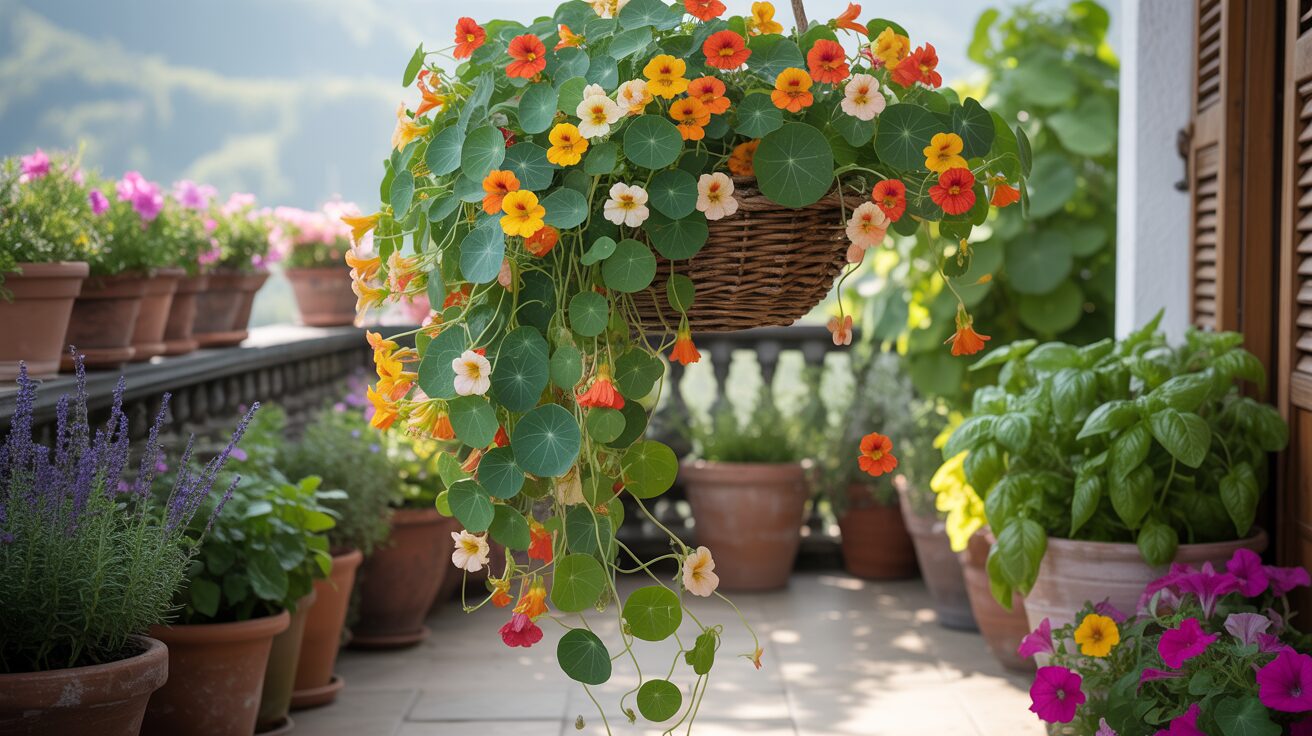
Nasturtiums need full sun (6+ hours daily) and poor to average, well-draining soil. Do NOT over-fertilize – rich soil or too much nitrogen produces lush leaves but few flowers. Water moderately, letting the soil dry out between waterings.
Deadhead spent blooms to encourage continuous flowers. Use nasturtiums as a trap crop to lure aphids away from your vegetables.
Mastering nasturtium care is the ultimate hack for both flower lovers and organic vegetable growers. However, these rugged plants thrive on a bit of neglect, and over-pampering them is the number one reason gardeners end up with massive green vines but absolutely zero blossoms.
Whether you are growing trailing nasturtiums in hanging baskets to add vertical color or using nasturtiums as a trap crop for aphids to protect your nearby prize tomatoes, this guide will cover everything you need to know.
From discovering the best soil mix for nasturtiums to get more flowers to learning how to save nasturtium seeds for next year, you are about to unlock the full potential of this garden favorite.
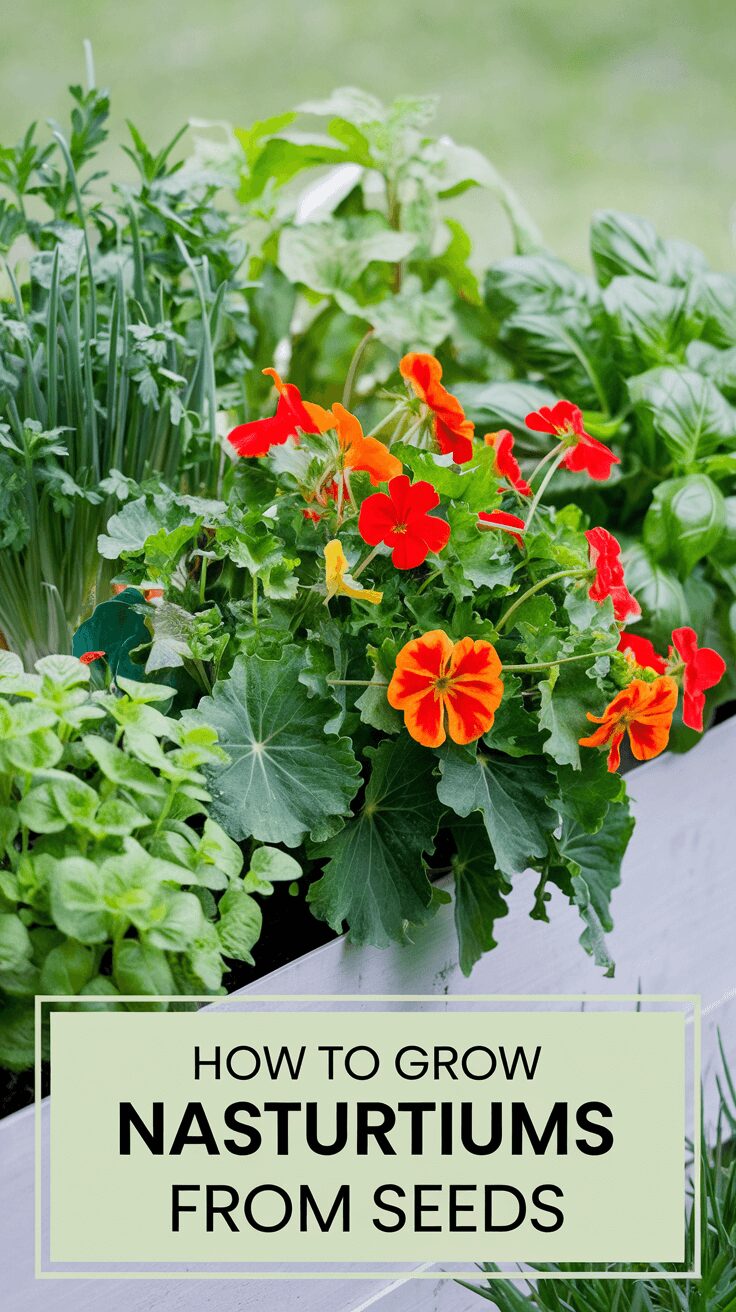
Getting Started: Soil and Sowing
How to Grow Nasturtiums from Seed in Pots
Nasturtiums grow well in pots. In fact, they thrive in containers. The key is giving them room to spread.
Choose a pot with drainage holes. Nasturtiums hate soggy roots. A 10 to 12 inch pot works well for bush varieties. For trailing types, use a hanging basket or a larger pot.
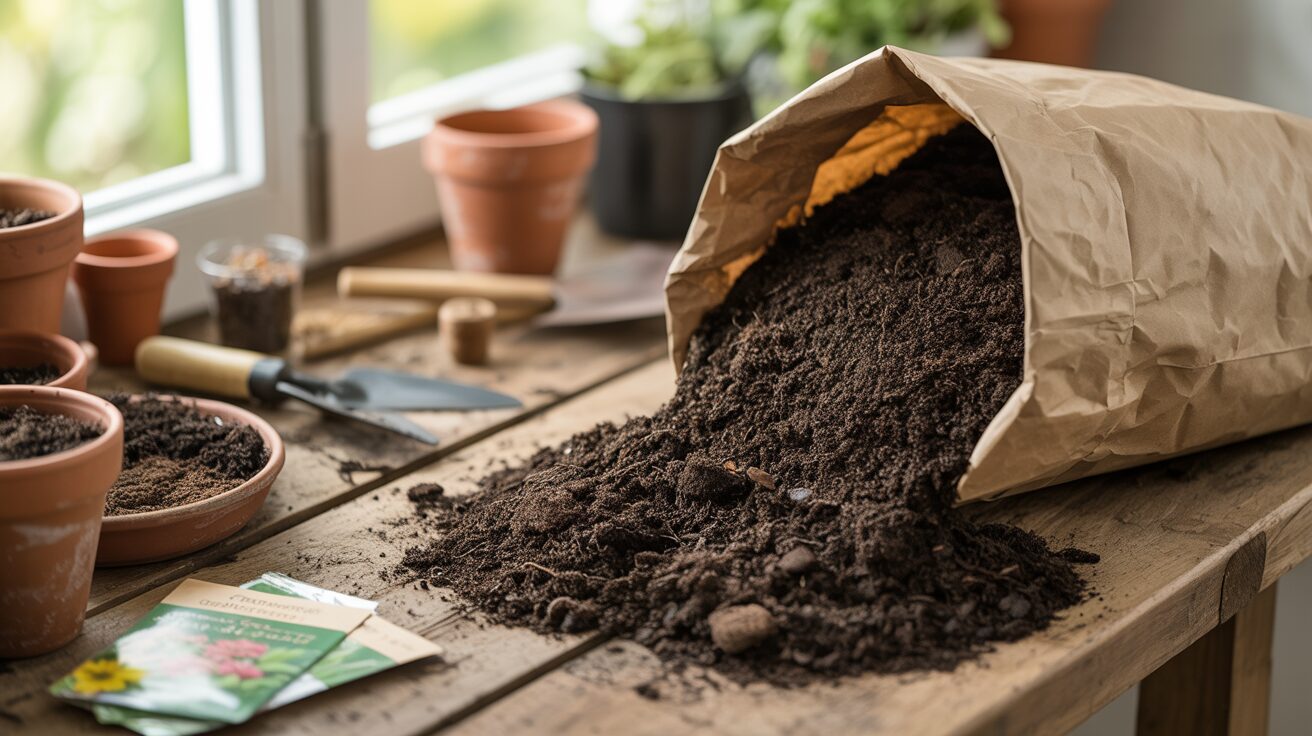
- Fill your pot with potting mix. Do not use garden soil. It is too heavy. Mix in a little sand or perlite for drainage.
- Do not add compost or fertilizer. Rich soil reduces flowering.
- Sow seeds directly in the pot. Nasturtiums do not like being transplanted. Plant seeds 1/2 inch deep. Space them 8 to 10 inches apart. Water gently.
- Keep the soil moist until seeds sprout. This usually takes 7 to 10 days. Once sprouted, water only when the top inch of soil feels dry.
For more container tips, see how to make indoor potting mix and best plants for pots all year round next.
Best Soil Mix for Nasturtiums to Get More Flowers
Here is the most important rule for nasturtium care. Poor soil equals more flowers. Rich soil equals more leaves.
- Nasturtiums prefer sandy, well-draining soil. The ideal pH is neutral to slightly acidic (6.5 to 7.5). If your soil is heavy clay, mix in sand or perlite.
- Do not add compost or manure. These are too rich. Your nasturtiums will grow huge green leaves but few blooms. I made this mistake my first year. The plants were massive. They looked like jungle vines. But I saw almost no flowers.
If you are using potting mix, choose a basic one. Avoid mixes with added fertilizer. Look for a simple, inexpensive potting soil. Mix it with 20% perlite for drainage.
- Test your soil before planting. If it feels rich and dark, add sand to lighten it. Nasturtiums grow naturally in poor, rocky soils. They do not need pampering.
How Far Apart to Space Nasturtium Plants
Proper spacing prevents disease and encourages more blooms.
If you are planting in a garden bed, leave room between rows. Space rows 12 inches apart. This makes watering and harvesting easier.
You can also plant nasturtiums as a ground cover. Space them 18 inches apart. They will fill in the gaps quickly.
Printable Nasturtium Care Chart (Save This)
Here is a quick reference chart you can screenshot or print.
Factor | Nasturtium's Preference |
Sunlight | 6+ hours daily (full sun) |
Soil | Poor to average, well-draining, sandy |
Soil pH | 6.5 to 7.5 (neutral to slightly acidic) |
Spacing (bush) | 8 to 10 inches apart |
Spacing (trailing) | 12 to 18 inches apart |
Seed depth | 1/2 inch |
Germination time | 7 to 10 days |
Water | Moderate – let top inch dry out between waterings |
Fertilizer | None or very little (low-nitrogen if needed) |
Deadheading | Remove spent blooms regularly |
Keep this chart near your garden. It will help you remember the key steps.
Light and Water Balance
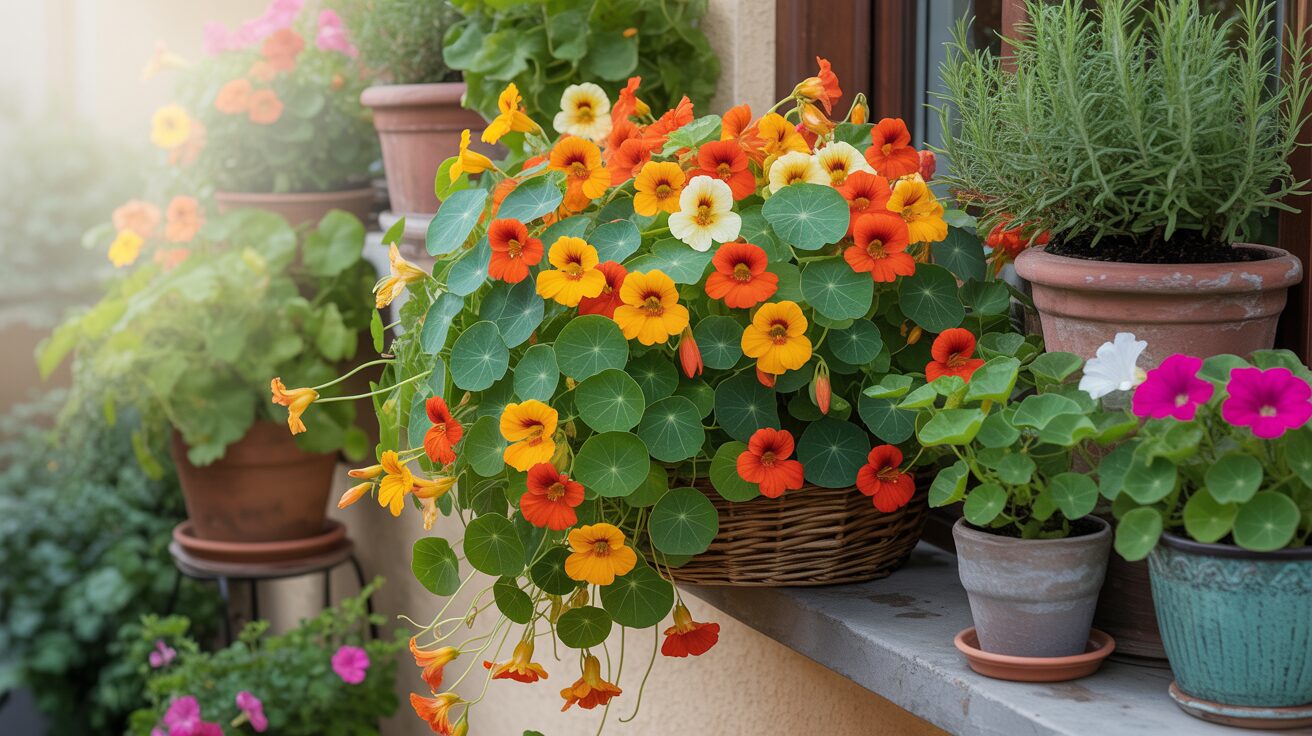
Nasturtiums are forgiving, but they have clear preferences.
Can You Grow Nasturtiums in Partial Shade?
Yes, nasturtiums can grow in partial shade. However, you will get fewer flowers.
In full sun (6+ hours), nasturtiums bloom abundantly. The flowers are brighter. The plants are more compact. They also produce more flowers over a longer season.
In partial shade (4 to 6 hours), nasturtiums will grow. However, the plants may become leggy. They stretch toward the light. You will see more leaves and fewer blooms.
In deep shade (less than 4 hours), nasturtiums struggle. They will not die, but they will not flower well. The leaves may turn yellow. The plant looks sad.
If your garden is shady, choose a spot with morning sun and afternoon shade. This is the best compromise. The morning sun gives them energy. The afternoon shade protects them from scorching heat.
How Often to Water Nasturtiums in Summer
Nasturtiums are drought-tolerant once established. However, they need regular water while young. Water deeply once a week in summer. Let the water soak into the soil. Then do not water again until the top inch of soil feels dry.
In hot, dry weather, you may need to water twice a week. Check the soil with your finger. If it is dry 1 inch down, water.
Do not water on a fixed schedule. The weather changes. Your soil type affects drainage. Always check the soil before watering.
Signs of overwatering include yellow leaves, wilting despite wet soil, and rot at the base of the plant. If you see these, stop watering immediately.
Signs of underwatering include drooping leaves and dry, crispy edges. Water deeply, then let the soil dry before watering again.
If you have a busy schedule, consider building a self-watering herb garden. The same principles apply to flowers.
Many gardeners accidentally kill their blooms with too much fertilizer.
Nasturtiums need very little food. In the next section, I will explain why you should avoid high-nitrogen fertilizer. I will also show you how to deadhead nasturtiums for continuous blooms and how to prune leggy plants. Keep reading to learn the secrets of maximizing your nasturtium flowers.
Maintenance for Maximum Blooms
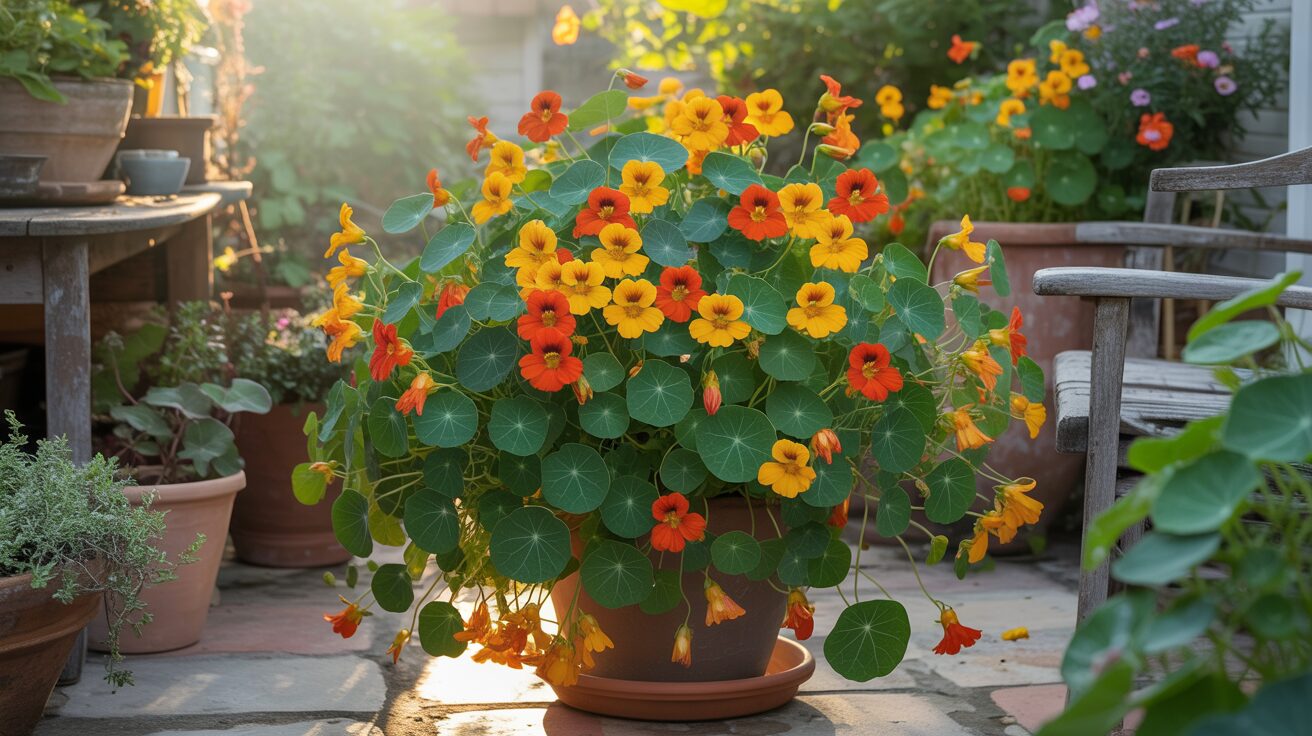
Nasturtiums are low-maintenance. However, a few simple habits will keep them blooming all summer.
Do Nasturtiums Need Fertilizer to Bloom?
One of the most important things to know about fertilizing nasturtiums. Do not fertilize them. Nasturtiums are adapted to poor soil. They grow naturally in rocky, sandy areas with few nutrients. When you add fertilizer, especially high-nitrogen fertilizer, the plant gets confused. It grows lots of leaves but few flowers.
If you must fertilize, use a low-nitrogen fertilizer. Look for numbers like 0-10-10 or 5-10-10. The first number (nitrogen) should be very low. The middle number (phosphorus) supports flower production.
Apply fertilizer once at planting time if your soil is extremely poor. That is it. Do not fertilize again. Over-fertilizing is the number one reason nasturtiums fail to bloom.
Signs of too much fertilizer include dark green leaves, lots of leafy growth, and very few flowers. If this happens, stop fertilizing. Flush the soil with water. Next year, plant nasturtiums in a different spot with poorer soil. For more on fertilizer basics, see indoor plant potting mix.
How to Deadhead Nasturtiums for Continuous Blooms
Deadheading is the secret to nonstop flowers. Removing spent blooms tells the plant to make more. My simple method. Wait until the flower starts to fade and look sad. The petals will drop off. A small green seed pod will form underneath.
- Pinch or snip off the entire flower stem. Remove the stem all the way back to where it meets the main stem. Do not leave a stub. Use your fingernails or small scissors.
- Do not let seed pods form. If you leave the seed pods, the plant will stop flowering. It puts all its energy into making seeds. Deadheading prevents this.
- Deadhead every few days. In peak blooming season, check your plants regularly. Spend 2 minutes walking around with scissors. You will be shocked at how many new flowers appear.
If you want to save seeds, leave a few flowers to go to seed. Choose 2 to 3 flowers at the end of the season. Let them form seed pods. Then harvest the seeds for next year. Deadhead the rest.
How to Prune Leggy Nasturtium Plants
Leggy nasturtiums have long, bare stems with leaves only at the tips. This happens when the plant does not get enough sun. It can also happen when the plant is over-fertilized.
- Prune leggy stems back by one-third to one-half. Use clean scissors or pruning shears. Make your cuts just above a leaf node (where a leaf attaches to the stem). This encourages branching.
- Remove any dead, yellow, or damaged leaves. Also remove any stems that look shriveled or diseased.
- After pruning, move the plant to a sunnier spot. Leggy growth is usually a sign of insufficient light. More sun will help the plant grow back bushier.
Do not be afraid to prune hard. Nasturtiums are vigorous. They recover quickly. You can cut them back significantly, and they will regrow. For more pruning tips, see caring for marigolds.
The Organic Garden Workhorse: Trap Cropping
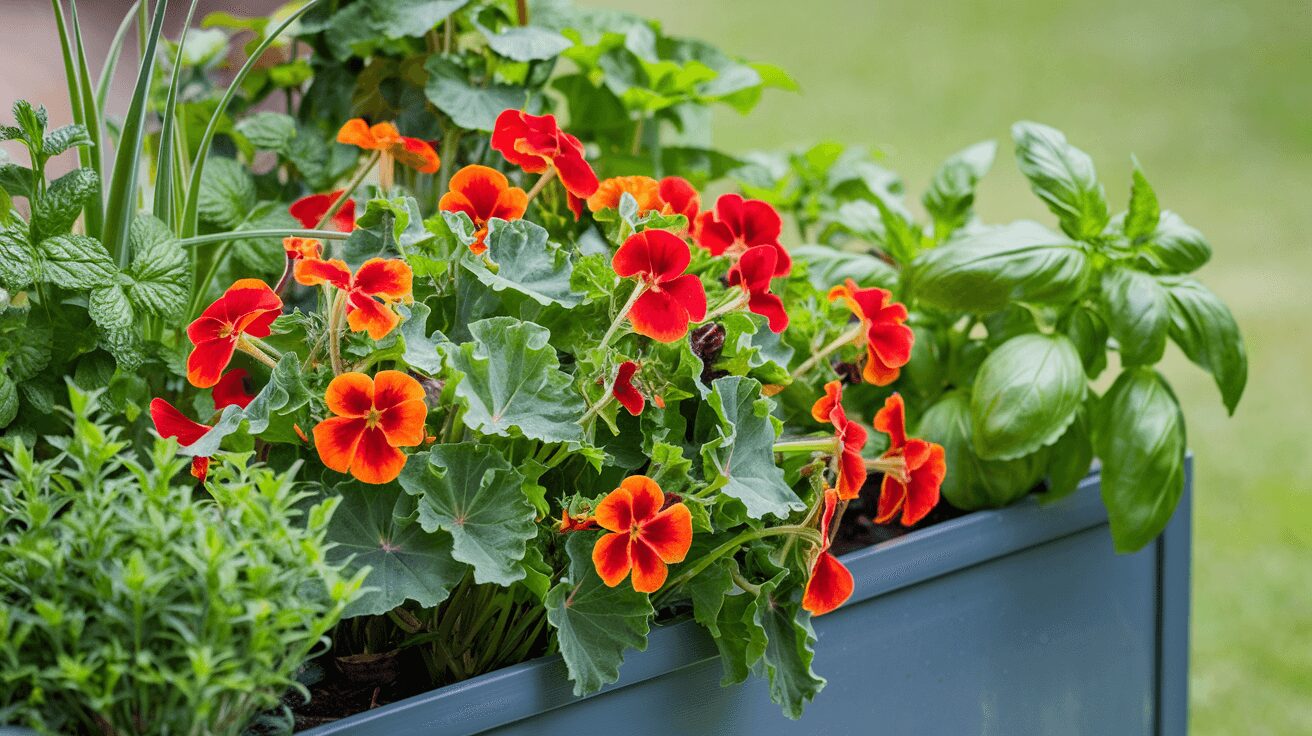
This is my favorite thing about nasturtiums. They are not just pretty. They are also the best trap crop for aphids.
Using Nasturtiums as a Trap Crop for Aphids
A trap crop is a plant that lures pests away from your vegetables. Aphids love nasturtiums. They prefer them over tomatoes, cucumbers, and peppers. This is how it works:
- Plant nasturtiums around the edge of your vegetable garden. The aphids will find the nasturtiums first. They will gather on the nasturtium leaves and stems. Meanwhile, your vegetables stay clean.
- Check your nasturtiums regularly for aphids. If you see a heavy infestation, cut off the affected leaves and throw them away. Do not compost them. This removes the aphids without using pesticides.
- You can also spray aphids off with water. A strong stream from a hose knocks them off. Do this in the morning. The plants will dry quickly.
Nasturtiums are sacrificial plants. They may look ugly by the end of the season. That is okay. They did their job. Your vegetables are healthy.
For more on using trap crops, see my guides on companion plants for tomatoes, cucumber companion plants, and arugula companion plants.
Protecting Young Nasturtium Seedlings from Slugs
Slugs love young nasturtium shoots. A single slug can destroy a seedling overnight. Protect your plants early. In spring, when seedlings first emerge, act immediately.
For more on slug control, see cabbage worms – the same methods work.
Common Pests on Nasturtiums and How to Treat Them
Nasturtiums are generally pest-resistant. However, they can face a few problems.
- Aphids are the most common pest. They cluster on the stems and undersides of leaves. Spray them off with water. Use insecticidal soap for severe infestations.
- Caterpillars may eat the leaves. Handpick them off the plants. For severe infestations, use Bacillus thuringiensis (Bt), a natural bacterial pesticide.
- Whiteflies are small white insects that fly up when disturbed. Use yellow sticky traps. Spray with insecticidal soap.
- Spider mites are tiny red or brown dots. They leave fine webbing on the undersides of leaves. Increase humidity around the plant. Spray with neem oil.
Prevention is the best cure. Inspect your plants every few days. Quarantine any new plants before adding them to your garden.
For more on identifying pests, see white fuzzy bugs on plants and squash bugs.
Nasturtiums are also delicious. The flowers, leaves, and even seed pods are edible. You can harvest them for salads, garnishes, and pickles.
In the final section, I will show you how to grow trailing nasturtiums in hanging baskets. I will also explain how to harvest edible flowers and leaves, how to save seeds for next year, and how to troubleshoot yellow leaves. Keep reading to learn how to turn your nasturtiums into a edible garden.
Harvesting and Seed Saving
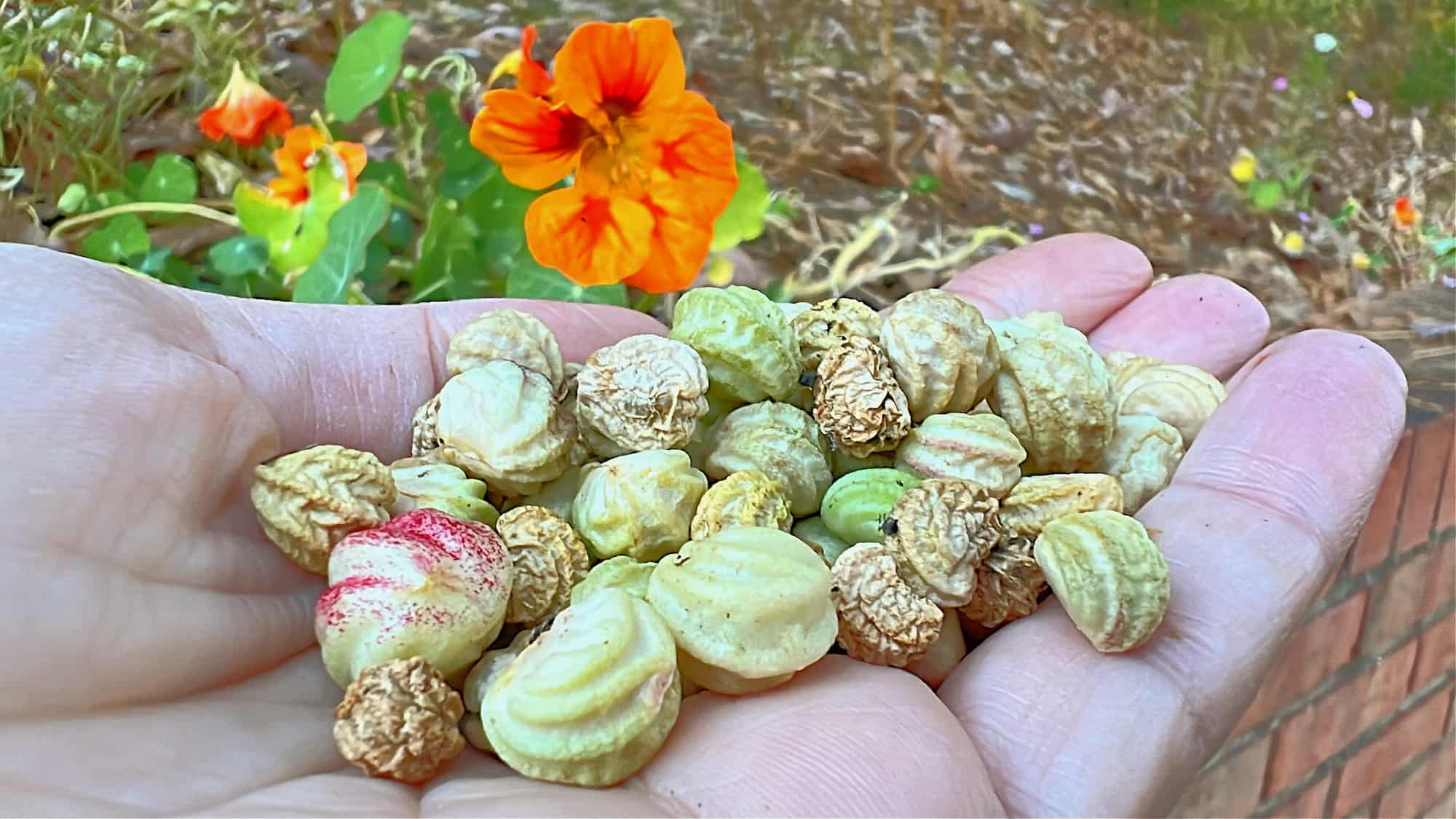
Source: Photo by Single Girl's DIY
Nasturtiums are not just pretty. They are also delicious. Every part of the plant is edible.
How to Harvest Edible Nasturtium Leaves and Flowers
Nasturtiums add a peppery kick to salads. The flavor is similar to arugula.
- Harvest leaves and flowers anytime. The best time is in the morning after the dew has dried. The leaves are crispest then.
- Pick young, tender leaves. Older leaves are tougher and more peppery. Use scissors to snip the leaves at the stem.
- Pick flowers when they are fully open. The whole flower is edible. Snip the stem just behind the flower head. Use them as a garnish or toss them in salads.
- Do not harvest more than one-third of the plant at once. Taking too many leaves stresses the plant. It may stop flowering.
- Wash the leaves and flowers gently. Pat them dry with a paper towel. Use them immediately for the best flavor.
The seed pods are also edible. Pick them when they are young and green. Pickle them like capers. They are called "poor man's capers." See the bonus section below.
How to Save Nasturtium Seeds for Next Year
Saving seeds is easy. It also gives you free plants for next season.
- Wait for the seed pods to dry on the plant. After flowering, green pods will form. Let them turn brown and crispy. This takes several weeks.
- Harvest on a dry day. Pick the brown pods. Put them in a paper bag. Do not use plastic. Plastic traps moisture and causes mold.
- Let the pods dry further. Leave the bag open in a dry, warm room for another week. The pods will crack open on their own.
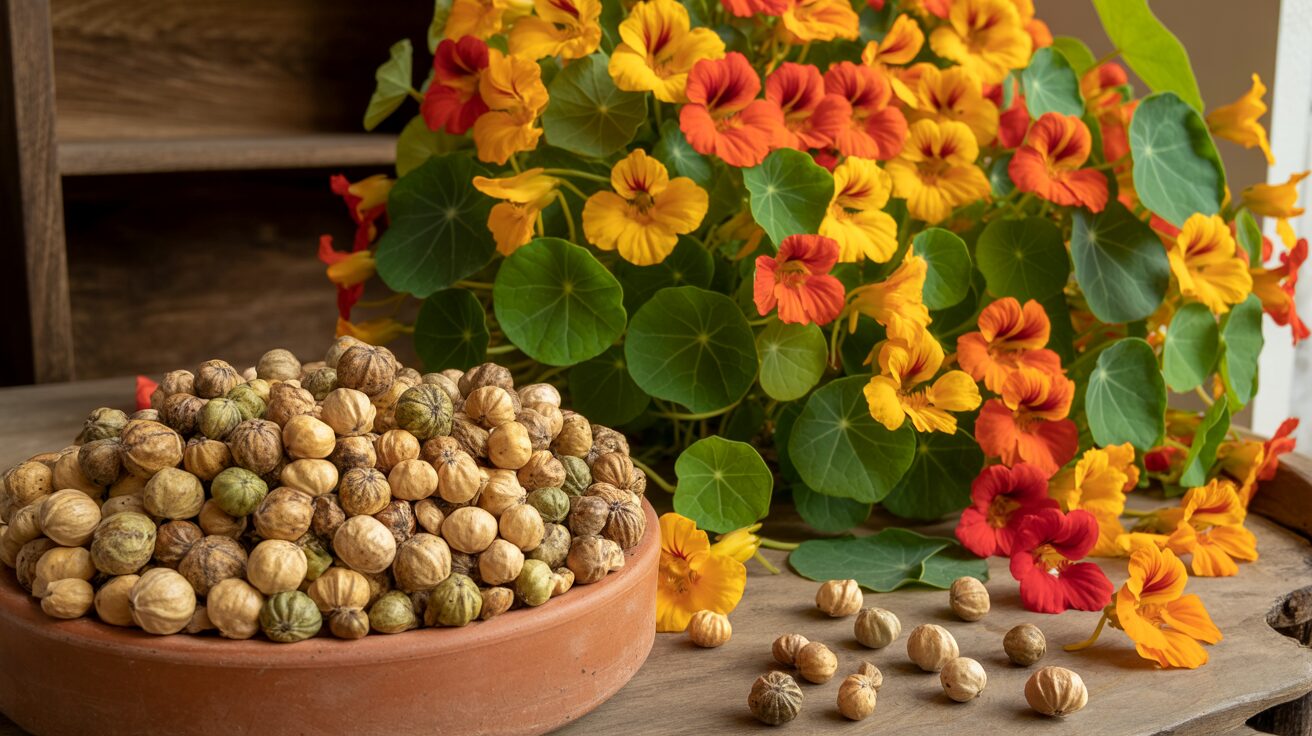
- Separate the seeds from the pod pieces. Nasturtium seeds are large and round. They look like small wrinkled peas. Discard any seeds that are shriveled or discolored.
- Store seeds in a paper envelope. Label it with "Nasturtium" and the year. Keep the envelope in a cool, dark, dry place. A drawer works well.
Sow seeds the following spring. Soak them in warm water for 24 hours before planting. This speeds up germination. For more on seed saving, see house plants from seeds.
Growing Trailing Nasturtiums in Hanging Baskets
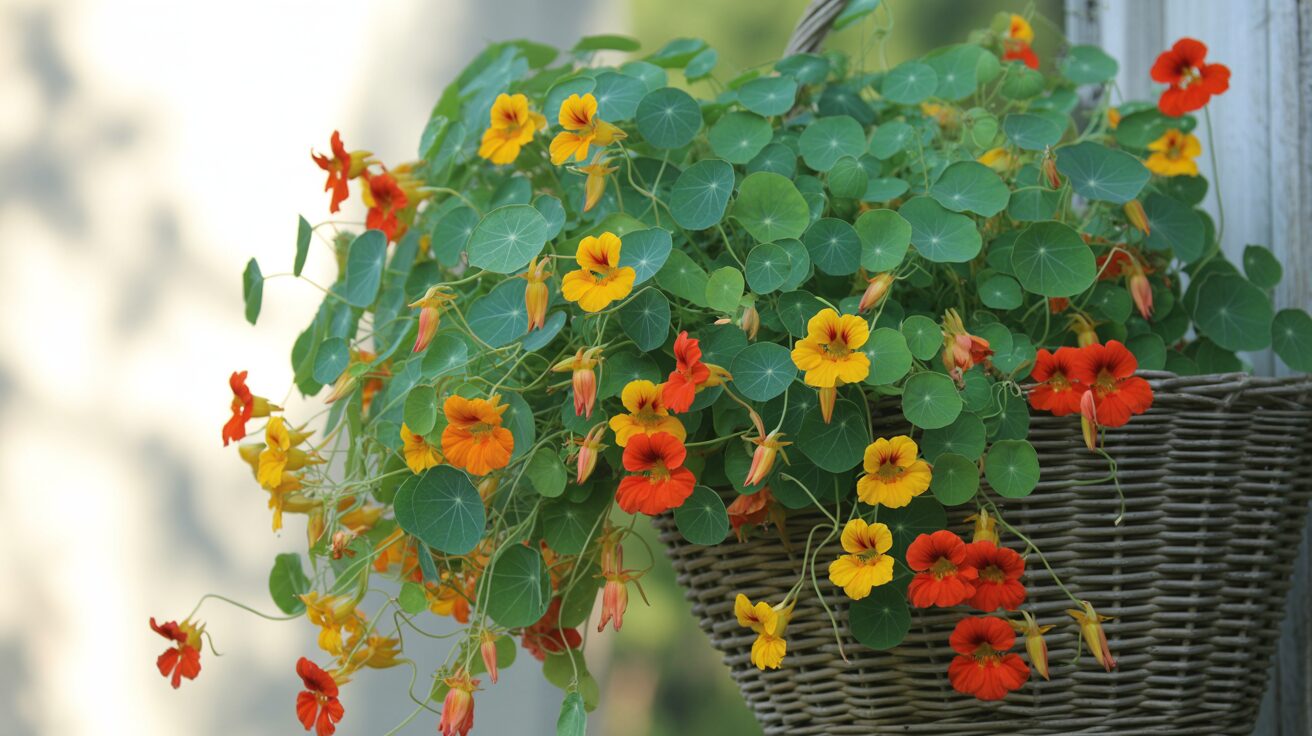
Trailing nasturtiums are perfect for hanging baskets. Their vines spill over the sides. The bright flowers hang down like little lanterns.
- Choose a trailing variety. Look for seeds labeled "trailing" or "climbing." Popular varieties include 'Jewel Mix' and 'Spitfire.'
- Use a basket with good drainage. Line it with coconut coir or a basket liner. Fill with lightweight potting mix. Do not use garden soil.
- Plant 2 to 3 seeds per 12-inch basket. Sow them 1/2 inch deep. Water gently. Keep the soil moist until germination.
- Place the basket in full sun. Trailing nasturtiums need at least 6 hours of sunlight daily. Rotate the basket every few days so all sides get light.
- Water more frequently than in-ground plants. Hanging baskets dry out faster. Check the soil every day in summer. Water when the top inch feels dry.
Can You Eat Nasturtium Seed Pods? (Poor Man's Capers)
Yes, you can eat young nasturtium seed pods. They taste similar to capers.
- Harvest the pods when they are young and green. They should be soft and about the size of a small pea. Do not wait until they turn brown.
- Rinse the pods in cold water. Pat them dry.
- Place them in a small jar. Cover them with a mixture of equal parts vinegar, water, and salt. Add a clove of garlic and a sprig of fresh dill for extra flavor.
- Refrigerate for at least one week. The longer they sit, the better the flavor.
Use them like capers. Add to salads, pasta, or pizza. They are delicious.
Troubleshooting Common Issues
Source: Photo by Scot Nelson
Even with good care, problems can arise.
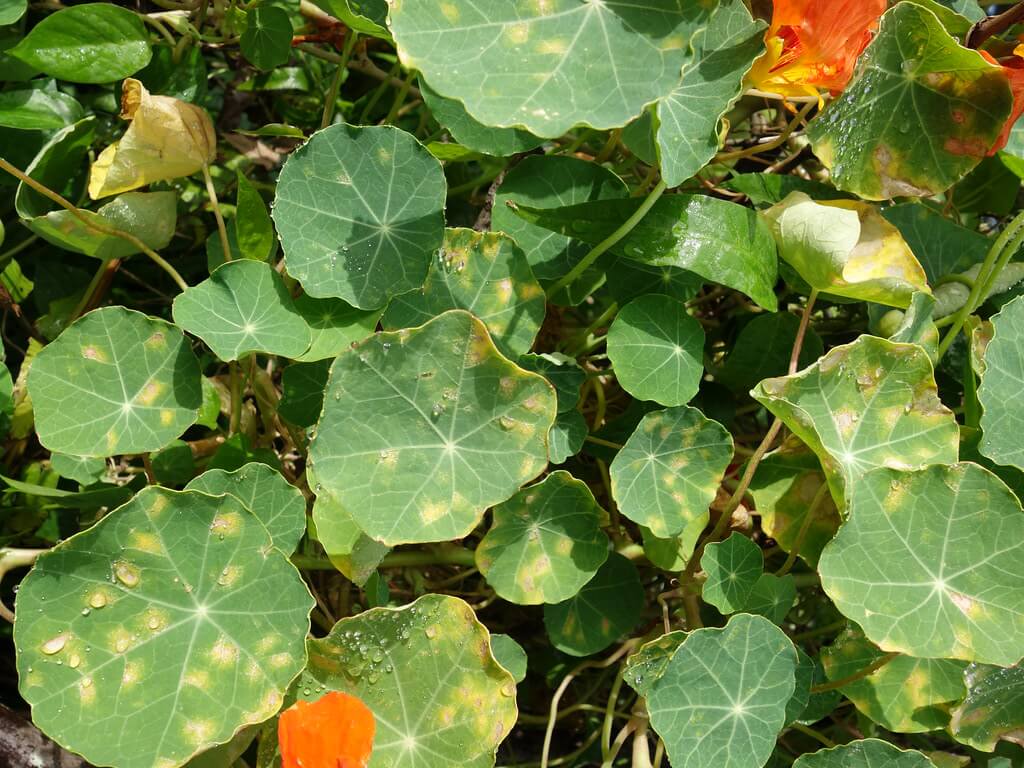
Why Are My Nasturtium Leaves Turning Yellow?
Yellow leaves are the most common complaint. Here are the possible causes.
FAQs About Nasturtium Care
Where do nasturtiums grow best?
Nasturtiums grow best in full sun and poor, well-draining soil. They thrive in garden beds, containers, and hanging baskets. They prefer cooler weather and may decline in intense summer heat.
Do nasturtiums grow well in pots?
Yes, nasturtiums grow very well in pots. Choose a container with drainage holes. Use basic potting mix without added fertilizer. Water when the top inch of soil feels dry. Trailing varieties are perfect for hanging baskets.
Do nasturtiums need direct sunlight?
Yes, nasturtiums need at least 6 hours of direct sunlight daily. In partial shade, they will grow but produce fewer flowers. In deep shade, they will not bloom well.
Can you grow rosemary from seed indoors year-round?
Yes, you can. However, rosemary needs strong light. In winter, natural sunlight may not be enough. Use grow lights for 12 to 14 hours daily. Keep the temperature warm. Rosemary will grow slowly in winter, but it will survive.
How do you keep nasturtiums healthy?
Plant them in poor, well-draining soil. Do not over-fertilize. Water when the top inch of soil feels dry. Deadhead spent blooms regularly. Provide full sun. Watch for aphids and treat them early.
Do nasturtiums come back every year?
Nasturtiums are annuals in most climates. They die with the first frost. However, they self-seed easily. New plants may appear the following spring from dropped seeds. In frost-free climates (zones 9-11), they can grow as perennials.
My Final Tips for Nasturtium Care
- Plant in poor soil. This is the most important rule. Do not add compost. Do not fertilize. Poor soil equals more flowers. Rich soil equals more leaves.
- Use them as a trap crop. Plant nasturtiums around your vegetables. Aphids will attack the nasturtiums first. Your tomatoes, cucumbers, and peppers will stay clean. It is organic pest control.
- Eat them. The flowers, leaves, and young seed pods are all edible. Toss them in salads. Pickle the seed pods. They are delicious and beautiful.
If you are just starting your flower gardening journey, read my full guide on how to start urban gardening . It covers soil, containers, watering, and everything else a beginner needs.
And if you love edible flowers, try caring for marigolds or nasturtium care next.
Share Your Nasturtium Questions & Tips Below!
I have two small asks for you before you head out to the garden:
- First, drop a comment below. How are you planning to use nasturtiums in your yard this year? Are you growing them to eat in summer salads, or are you sacrificing them to keep aphids off your vegetable beds? Tell me about your current garden setup—I personally reply to every single comment within 48 hours to help you troubleshoot.
- Second, save this guide for later. Pin our organic trap-cropping guide to your favorite gardening Pinterest board, or text a link to this post to a friend who wants an easy, high-yield flower for their patio pots.
Now, grab your seeds and get planting. Nasturtiums are ready to protect your garden and reward you with stunning, continuous color!
Happy gardening, friend!
Read Next:
External Link: Check out Farmer's Almanac and The Spruce for nasturtium care tips and tricks.
Last Updated on May 16, 2026 by Austine