
Let me guess, you saw a Pilea on Instagram and thought, “I need that cute pancake plant in my life!” I’ve been there! They look so simple, yet keeping one happy can be a real trip.
Here’s something wild: Did you know Pilea is known as the Chinese Money Plant because it's considered lucky? (If only it actually made us rich... ). When I first got mine, I assumed it would thrive with the usual “water it once a week and stick it by a window” approach.
Well, after a couple of months, I noticed the leaves curling, and it looked… depressed. Yep, I almost killed my first Pilea, and it was brutal. But don’t worry—I’ve learned a lot since then, and I’m here to help you avoid my mistakes.
In this guide, I’ll spill everything you need to know about Pilea care, from sunlight to soil and everything in between. So, grab a coffee (or tea), and let’s chat about keeping your little green buddy happy.
About Pilea: What Makes This Plant So Special?
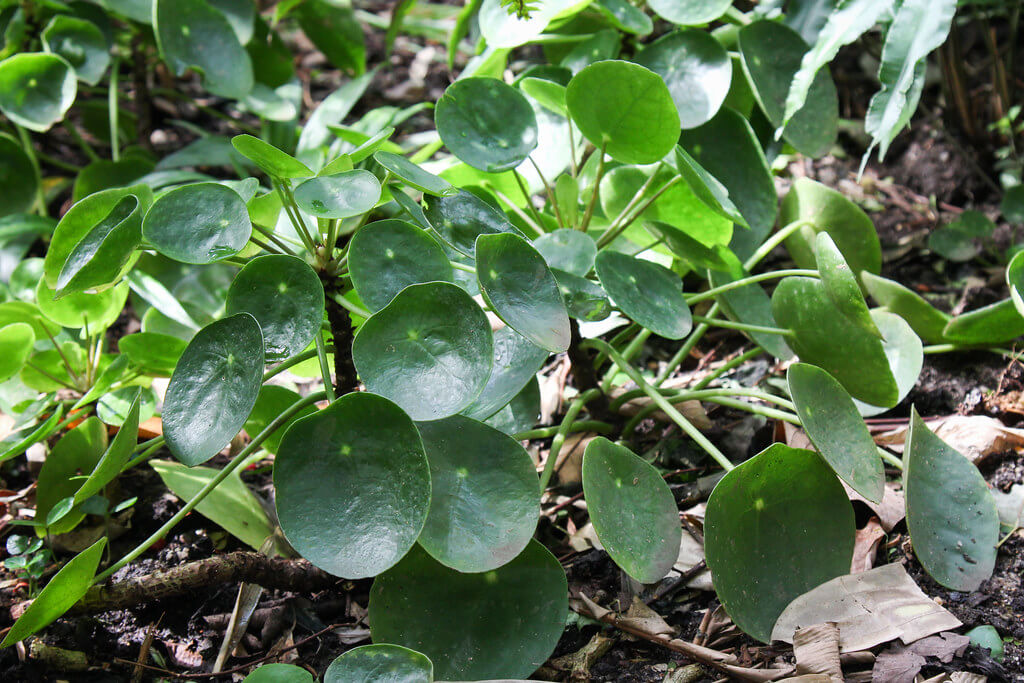
Source: Photo by Maja Dumat
Alright, first things first. If you’re unfamiliar with Pilea or still debating whether to add one to your plant family, let me tell you—Pilea peperomioides is a joy to have around. Its round, coin-like leaves make it one of the most aesthetic plants out there, plus it has this quirky, almost alien vibe.
Fun fact: Pilea hails from China (hence the nickname “Chinese Money Plant”) and has been passed around by plant lovers for ages.
It’s like the hipster of houseplants—super trendy but with roots in tradition. But here’s the kicker: despite its fame, Pilea can be fussy if you don’t give it the right care.
That’s why this guide exists! I’ve been down the Pilea rabbit hole and am here to make your journey a little smoother.
Pilea Plant Information:
- Botanical Name: Pilea peperomioides
- Family: Urticaceae
- Plant Type: Perennial, herbaceous
- Sun Exposure: Bright, indirect light
- Soil Type: Well-draining, loamy soil
- Soil pH: Slightly acidic to neutral (6.0–7.0)
- Hardiness Zones: 10-12 (USDA)
- Water Needs: Moderate; allow soil to dry between waterings
- Height: 12–15 inches (30–38 cm)
- Spread: 12–15 inches (30–38 cm)
- Sowing: Can be propagated via stem or leaf cuttings
- Native Area: Southern China
Pilea Indoor Plant Benefits: More Than Just a Pretty Face
I’m not going to lie, the aesthetic alone sold me on getting a Pilea, but after having one for a while, I realized there’s way more to it.
First, this plant is super low-maintenance compared to others in my collection (looking at you, fiddle leaf fig!). It’s also an air purifier, which is great if you’re like me and constantly worried about air quality in your apartment.
And hey, if you’re into feng shui, Pilea is supposedly great for attracting good fortune and positive energy. Am I rolling in cash yet? Not quite, but I’m telling you, having this guy around feels lucky!
Related:
Pilea Care Instructions
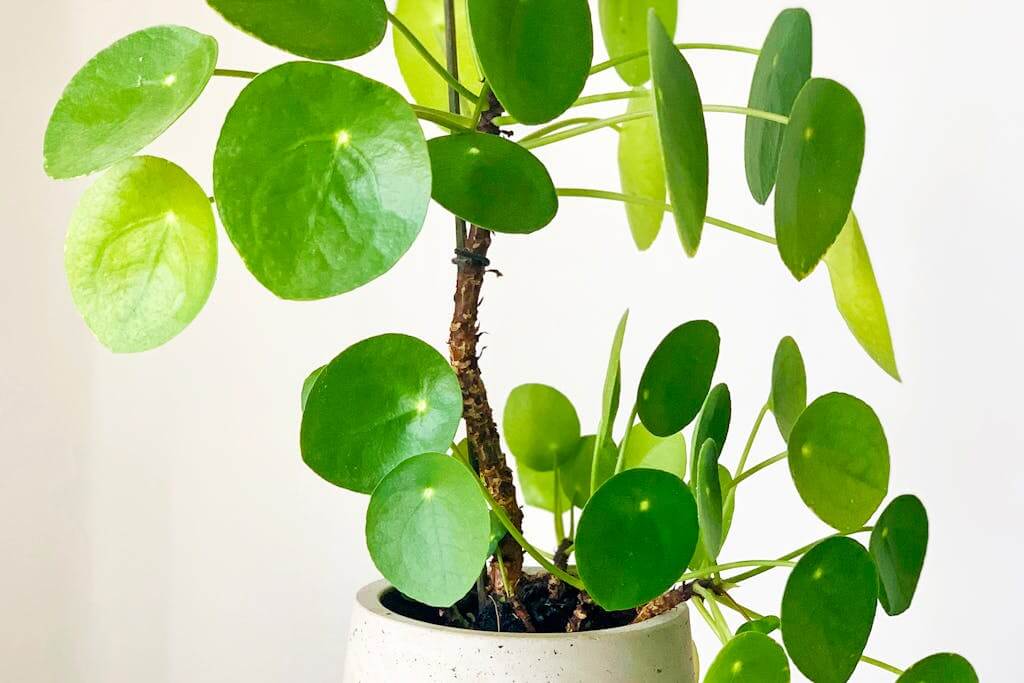
Photo by Kulbir
When it comes to Pilea care, there are a few key factors to get right—light, water, soil, humidity, temperature, and fertilizer. Let’s break each one down so you can easily follow along and give your Pilea the best care possible.
Light: Finding the Perfect Spot
As I mentioned earlier, your Pilea loves bright, indirect light. But here’s a trick I learned the hard way: your plant won’t forgive you if you let it sit in direct sunlight for too long. I had mine too close to a sunny window, and it wasn’t long before those perfect round leaves started getting crispy around the edges. 
- Place your Pilea a few feet from a window where it can get plenty of bright, indirect light. A north-facing window is ideal if you’re in the northern hemisphere.
- If you notice your plant leaning toward the light, rotate it a quarter turn every week. This keeps it growing evenly and avoids the dreaded “leggy” look.
- Avoid placing it in direct sunlight, especially in the afternoon when the sun is hottest. If you must, use a sheer curtain to filter the light.
Water: The Fine Line Between Overwatering and Underwatering
Watering is where most people (myself included) mess up. When I first got my Pilea, I was too eager to water it, thinking the more, the merrier. Well, I ended up with soggy soil and some sad, yellowing leaves. Here’s what I’ve learned: Pilea prefers slightly dry soil, so it’s always better to underwater than overwater.
- Wait until the top inch of soil feels dry before watering. Stick your finger in the soil, and if it feels dry up to the first knuckle, it’s time to water.
- Water thoroughly until it starts draining out of the bottom of the pot. If your pot doesn’t have drainage (seriously, get one that does), you risk root rot.
- Let the soil dry out again before the next watering—around once a week, depending on the season.
- Reduce watering in winter when the plant’s growth slows down.
Soil: The Importance of Drainage
Pilea is not a fan of wet feet. By that, I mean it hates sitting in soggy soil. You’ll want to make sure your soil drains well to avoid the roots from sitting in water, which can cause rot.
- Use a well-draining potting mix. I like to mix my regular indoor potting soil with perlite or coarse sand. A 50/50 ratio usually works well.
- Avoid heavy soils that retain too much water. If you notice the soil stays wet for days, you might need to repot with a lighter mix.
- Always use a pot with drainage holes to prevent water from pooling at the bottom.
Humidity: Keeping It Comfy
Here’s where I went wrong at first. I thought since my Pilea was easygoing, I didn’t need to worry about humidity. Boy, was I wrong! While Pilea can handle regular household humidity levels, it thrives in a slightly humid environment. Dry air can cause the edges of the leaves to brown.
- Keep humidity around 50-60%. If you live in a dry climate or use a lot of indoor heating (especially in winter), you’ll need to boost the humidity.
- Place a humidifier near your plant, or group it with other plants to create a humid microclimate.
- If you don’t have a humidifier, you can mist your plant lightly a few times a week—but don’t overdo it, as constantly wet leaves can attract pests.
Temperature: The Goldilocks Zone
The sweet spot for Pilea is around 60-75°F (15-24°C). They’re tropical plants, so they don’t appreciate cold drafts or sudden temperature changes.
- Keep your Pilea in a room where the temperature is steady. Avoid placing it near windowsills that get cold drafts or air conditioning vents.
- If your house gets chilly in winter, move the plant away from windows and to a warmer spot.
- Don’t let it drop below 50°F (10°C), or you risk shocking the plant.
Fertilizer: Feeding Time
Pilea isn’t a heavy feeder, but it does appreciate a little extra food during the growing season (spring and summer). I made the mistake of going too hard with the fertilizer once, and the result was burnt leaf tips. Less is more here!
- Use a balanced liquid fertilizer (like 10-10-10 or 20-20-20) once a month during spring and summer.
- Dilute the fertilizer to half strength to avoid overfeeding. Too much fertilizer can cause leaf burn.
- Stop fertilizing in fall and winter, as the plant’s growth slows down.
How to Make Pilea Bushy: Keeping Your Plant Full and Happy

Source: Photo by Anneli Salo
Want a thick, bushy Pilea? The secret is pruning! I used to be scared of cutting my plant back, but after a couple of brave snips, I realized how much it helps. You’ll also want to rotate the plant regularly so it doesn’t start growing lopsided.
Pilea Types: Which One Should You Get?
There’s a common misconception that Pilea just comes in one form—the classic Pilea peperomioides with its coin-shaped leaves. But did you know there are different types of Pileas? Yep, you’ve got options!
Here are a few types you might encounter:
- Pilea Peperomioides (The OG, aka Chinese Money Plant)
- Pilea Involucrata (Friendship Plant with textured, quilted leaves)
- Pilea Cadierei (Aluminum Plant with its shiny, silver markings)
- Pilea Depressa (A charming trailing type, great for hanging baskets)
Personally, I’m a sucker for the Pilea Peperomioides—it’s iconic, easy to propagate, and adds a nice minimalistic vibe to any room.
Pilea Care in Winter
Winter is tough on Pileas—these plants are tropical at heart, so cold drafts and low light can send them into a tailspin. During the colder months, I always make sure to move my Pilea away from drafty windows and heat vents. If you’ve got a south-facing window, winter might actually be the one time you can let your plant soak up more direct sunlight.
Pro tip: Consider getting a small grow light if your home gets really dark in winter. And whatever you do, avoid overwatering during this time—Pileas tend to go semi-dormant in winter, so they don’t need as much water.
Related:
Pilea Plant Care in Pots

Source: Photo by Quackor
Your Pilea may be low-maintenance, but it still needs some TLC when it comes to its potting situation.
Pruning: Keeping It Compact
Don’t be afraid to prune your Pilea. I used to hesitate, thinking I might hurt the plant, but trust me—it’ll help keep your plant bushy and full.
- Remove any yellowing, damaged, or leggy leaves with a pair of clean scissors. This encourages new growth.
- Prune lightly around the base of the plant to prevent it from getting too tall and spindly.
- Regular pruning helps the plant focus its energy on growing new, healthy leaves.
Potting: Choosing the Right Pot
When it comes to Pilea, the right pot is essential. A pot that’s too large can hold excess water, leading to root rot. A pot that’s too small, and your Pilea will become root-bound.
- Choose a small to medium-sized pot with good drainage. A pot that’s about an inch or two wider than the current one should be fine.
- Make sure the pot has drainage holes. If not, you can place small stones or pebbles at the bottom of the pot to help with drainage.
- Use a light, well-draining potting mix as mentioned earlier, with added perlite or sand for drainage.
Repotting: When and How to Repot
You don’t need to repot your Pilea too often—once every couple of years should do the trick. But if you notice roots growing out of the drainage holes, or the soil is drying out too quickly, it might be time.
- Gently lift the plant from its pot, being careful not to damage the roots.
- Place it in a new pot that’s about 1-2 inches larger than the old one. Add fresh soil around the edges, making sure not to bury the plant too deep.
- Water lightly and let the plant settle into its new home.
Pilea Propagation
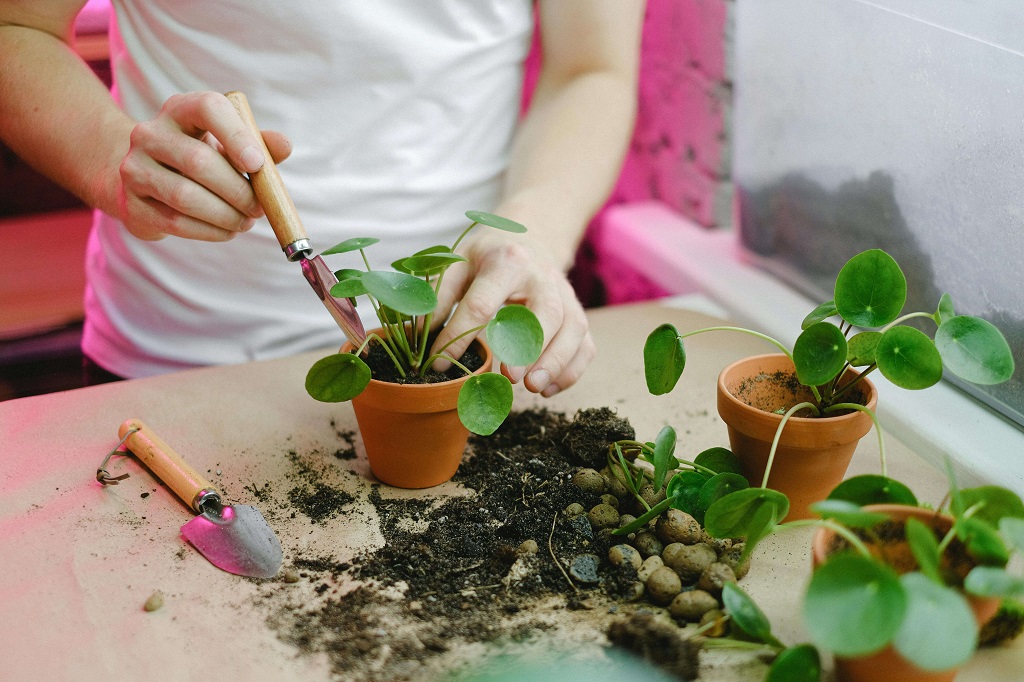
Photo by Anna Shvets
Propagating Pilea is one of the easiest and most rewarding parts of plant parenthood. This plant naturally produces “pups,” or baby plants, that grow from the base. Propagation is simple, and you’ll have plenty of new Pileas to share with friends or expand your plant collection.
Step-by-step Propagation Guide:
- Wait for the Pups: Look for small baby plants, or “pups,” sprouting from the base of the main plant. Let them grow until they’re at least 2-3 inches tall before removing them.
- Cut the Pup: Using a clean pair of scissors, gently cut the pup away from the mother plant, making sure to include some of its own roots.
- Root in Water or Soil: You can propagate in either water or soil.
- For water: Place the pup in a small glass of water. Change the water every few days, and within 2-4 weeks, you should see roots develop.
- For soil: Plant the pup directly into moist potting soil. Keep the soil lightly watered and place the pot in a bright, indirect light.
- Pot It Up: Once the pup has developed a healthy root system (if propagated in water), pot it up in a small pot with well-draining soil.
Related:
Pilea peperomioides problems
Pilea is generally pretty hardy, but it’s not immune to problems. Whether it’s curling leaves, yellowing, or drooping, there’s usually a reason behind these issues. Don’t panic—most problems are easily fixed once you know what to look for.
Leaf Curling:
Curling leaves are one of the most common problems with Pilea plants, and they can be frustrating. I remember my first Pilea had its leaves curl up so bad, and I couldn’t figure out what was wrong. Turns out, it was a combination of low humidity and too much direct sunlight.
To fix leaf curling in Pilea follow this step-by-step guide:
- Check light exposure: If your Pilea is getting direct sunlight, move it to a spot with bright, indirect light. Curling leaves are often a sign of sunburn.
- Check humidity levels: Dry air can cause the leaves to curl inward to conserve moisture. Increase humidity by misting the plant, using a humidifier, or placing it near other plants.
- Water correctly: Overwatering or underwatering can also lead to leaf curling. Ensure the soil isn’t too dry or soggy and stick to the watering instructions mentioned earlier.
- Temperature stress: Make sure your plant isn’t exposed to sudden temperature changes or drafts. Keep it in a stable environment around 60-75°F (15-24°C).
Yellowing Leaves:
Yellowing leaves usually mean one of two things: overwatering or nutrient deficiency. This happened to me when I overwatered my Pilea for a few weeks, and the leaves started turning yellow. To fix yellowing leaves follow this step-by-step guide:
- Check watering schedule: If the soil feels consistently damp, you might be overwatering. Let the soil dry out between waterings and adjust your routine.
- Nutrient deficiency: If the plant isn’t getting enough fertilizer, it may need more nutrients. A balanced liquid fertilizer once a month during the growing season should help.
- Remove yellow leaves: Once leaves turn yellow, they won’t recover, so gently remove them to encourage new growth.
Drooping Leaves:
Drooping leaves can be alarming, but it’s usually an easy fix. Underwatering is often the culprit. To fix drooping leaves in Pilea follow this step-by-step guide:
- Check soil moisture: If the soil feels dry, water your plant thoroughly and let the excess drain out. Pilea bounces back quickly after a good drink.
- Adjust humidity: Low humidity can also cause leaves to droop. Boost the humidity around your plant with a humidifier or misting.
- Repot if root-bound: Sometimes drooping happens because the plant is root-bound. If the roots are growing out of the drainage holes, consider repotting it into a slightly larger pot.
Pests and Diseases: How to Tackle Them
No one wants to deal with pests, but even the best plant parents face them. Pileas are relatively pest-resistant, but they’re not immune to a few troublemakers. Here’s what to look for and how to deal with them.
Spider Mites:
These tiny pests are hard to spot but can cause serious damage if left unchecked. They thrive in dry conditions and leave behind small web-like structures on the plant. I dealt with these once, and it was a battle, but I won!  . Here’s a fix solution:
- Increase humidity: Spider mites hate moisture. Boost the humidity around your plant by misting it regularly or placing it near a humidifier.
- Wipe down the leaves: Use a damp cloth to gently wipe the leaves and remove the mites. Pay attention to the undersides where they like to hide.
- Neem oil or insecticidal soap: For severe infestations, spray your plant with neem oil or insecticidal soap every few days until the mites are gone.
Mealybugs:
These pests look like tiny white cotton balls and love to hide in the nooks and crannies of your Pilea. They suck the sap from the plant, causing weak growth and leaf drop. I once let a mealybug problem go unchecked, and they took over. Don’t be like me—catch them early!
- Isolate the plant: If you spot mealybugs, move your Pilea away from other plants to prevent the infestation from spreading.
- Use rubbing alcohol: Dip a cotton swab in rubbing alcohol and dab it directly on the mealybugs to kill them instantly.
- Neem oil or insecticidal soap: Follow up with a spray of neem oil or insecticidal soap to ensure all bugs are eliminated.
Root Rot:
Root rot is usually caused by overwatering or poorly draining soil, and it can be deadly for your Pilea. I lost a plant to root rot once because I didn’t notice the signs early enough. To fix root rot, do the following:
- Check the roots: If you suspect root rot, remove the plant from its pot and check the roots. Healthy roots should be white or light tan, while rotten roots are dark and mushy.
- Trim affected roots: Use sterile scissors to cut away any rotting roots. Be sure to remove all affected areas to prevent the rot from spreading.
- Repot the plant: Repot the Pilea in fresh, well-draining soil, and be more mindful of your watering habits. Only water when the top inch of soil is dry.
Fungus Gnats:
These tiny black flies aren’t as damaging as some pests, but they can be annoying. They’re usually a sign that the soil is too moist, as they lay their eggs in damp conditions. Here’s the way out:
- Let the soil dry out: Fungus gnats thrive in damp soil, so allow the top few inches of soil to dry out before watering again.
- Use sticky traps: Place yellow sticky traps near your plant to catch adult gnats.
- Treat with hydrogen peroxide: Mix 1 part hydrogen peroxide with 4 parts water and pour it into the soil. This will kill the larvae without harming your plant.
Mastering Pilea Care with Confidence
Caring for your Pilea might seem like a bit of a juggling act at first, but once you get the hang of it, it's smooth sailing. The key is to find that sweet spot between light, water, humidity, and a bit of patience. Every plant is different, so take time to observe yours and tweak your care routine as needed.
And hey, if you’re like me and kill a few leaves or deal with a pest infestation along the way, don’t sweat it. Every plant parent has been there! Just keep experimenting and learning—it’s part of the fun.
Feel free to share your Pilea care tips, questions, or personal plant stories in the comments below! I'd love to hear about your plant adventures, and we can troubleshoot together.
External resources: For more gardening tips on pilea plant care, check out Greenery Unlimited and The Spruce.
FAQ
How do you care for Pilea indoors?
To care for Pilea indoors, place it in bright, indirect light and water it when the top inch of soil is dry. Keep humidity levels moderate and avoid cold drafts to ensure the plant stays healthy.
How much sun does Pilea need?
Pilea prefers bright, indirect light but can tolerate some morning sun. Too much direct sunlight can burn its leaves, so be sure to keep it out of harsh afternoon rays.
How often should you water Pilea?
Water your Pilea every 1-2 weeks, depending on the environment. Allow the top inch of soil to dry out between waterings to avoid root rot.
How do I know if my Pilea is happy?
A happy Pilea will have upright, vibrant green leaves that grow evenly and may produce baby plants, or "pups," at its base. If the plant is thriving, it will show continuous growth during its active season.