

You ever notice how pansies seem like they could survive a nuclear winter? That’s what I love about them. These little guys bring color to the garden when everything else is barely hanging on. Pansies care may seem simple, but there’s a lot more to it than just sticking them in the dirt and hoping for the best (trust me, I’ve been there, done that, and got the wilted flowers to prove it).
About Pansies
Pansies are one of those classic garden staples. Whether you’re a seasoned gardener or just starting out, they’re an absolute must-have.
Known for their vibrant colors and little “faces,” they bloom so well when cared for the right way. And since they can survive a light frost, they’re perfect for extending the blooming season.
I remember one year thinking I had pansy care all figured out. I skipped some steps—didn’t really water them much and definitely didn’t bother deadheading.
They looked fine for a few weeks, but soon enough, I had a garden full of sad, droopy blooms. Lesson learned.

Fun fact: Pansies are edible and can be used to decorate salads, desserts, and drinks, adding a splash of color to your culinary creations!
Pansy Profile
- Botanical Name: Viola tricolor var. hortensis
- Family: Violaceae
- Plant Type: Annual or Biennial
- Sun Exposure: Full sun to partial shade
- Soil Type: Well-draining, rich soil
- Soil pH: 6.0 to 7.0 (slightly acidic to neutral)
- Bloom Time: Spring to early summer, and again in fall
- Flower Color: Wide range, including purple, yellow, blue, white, and orange
- Hardiness Zones: 6 to 10
- Water Needs: Moderate; keep soil consistently moist but not soggy
- Height: 6 to 12 inches
- Spread: 6 to 12 inches
- Sowing: Seeds can be sown indoors 8-10 weeks before the last frost or directly in the garden after the frost.
- Native Area: Europe and Asia
Pansies Benefits
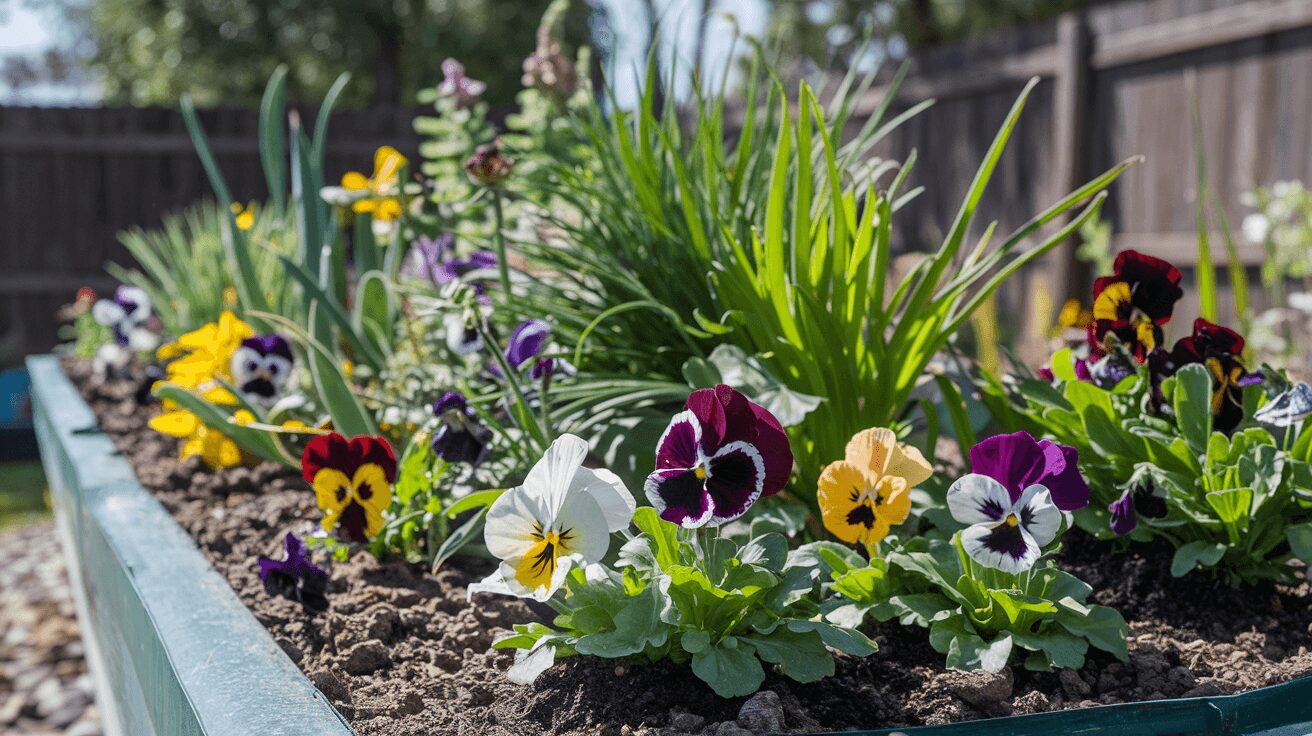
These little dudes aren’t just pretty faces (though that’s a huge part of their charm). Pansies are versatile. Whether you want a pop of color in pots, borders, or even hanging baskets, they’ve got you covered. Plus, they’re edible! Yep, you heard me right. Ever tossed pansy petals on a salad? It’s like being fancy without even trying.
More importantly, pansies help bring pollinators to your garden. Bees, butterflies, and other beneficial insects can’t resist them, which is good news for the rest of your plants. And they smell great too!
Read Next:
Types of Pansies
If you thought all pansies were the same, oh man, you're in for a surprise. There are a ton of different varieties out there. Some are large-flowered, like the Swiss Giant, and then there are smaller ones like Violas.
Honestly, I’ve tried a bunch, and I can never decide which I love more. Larger varieties give you a big splash of color, but the smaller ones tend to be tougher and last longer.
A quick tip: If you live in a colder climate, go for the smaller varieties. They’re more likely to survive frost and keep blooming like champs.
Pansies Care Tips
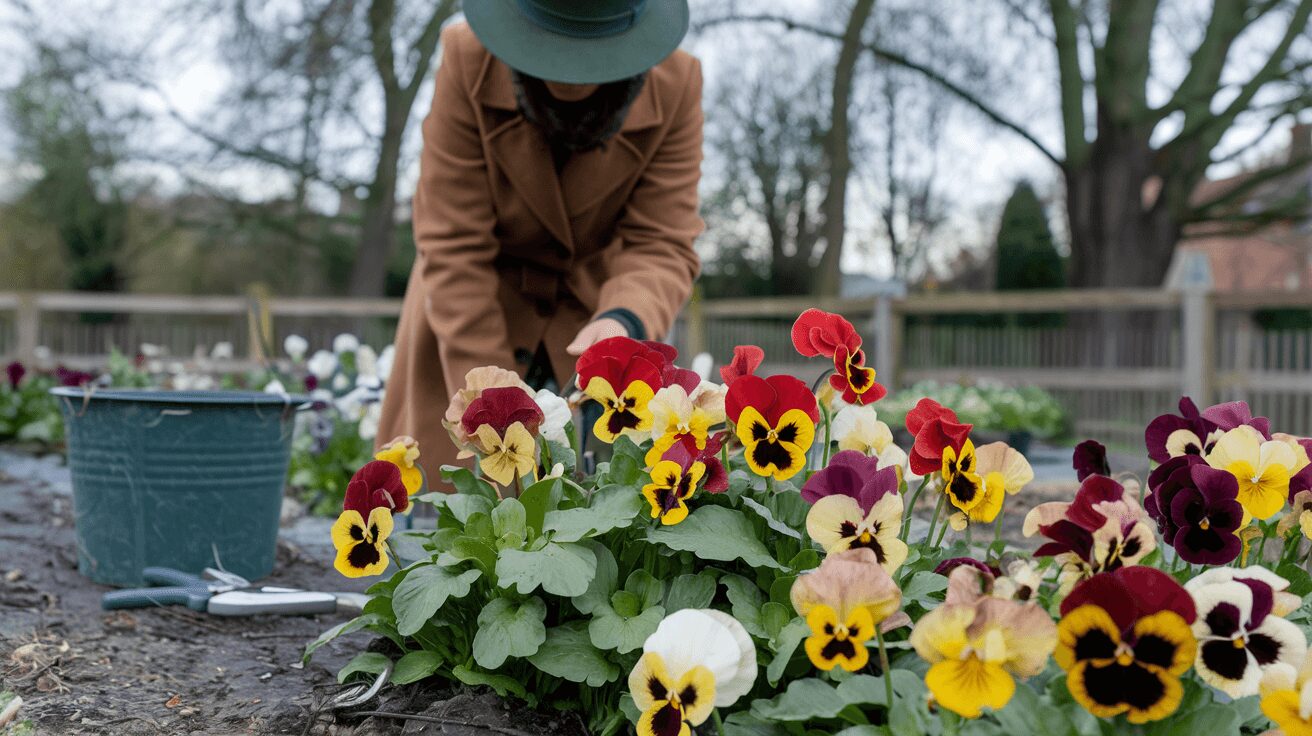
So, how do you keep your pansies looking their best? I’ve put together a simple guide that’s based on years of trial and error. Here’s what you need to do:
- Light: Pansies love sunlight. Give them at least 6 hours of direct sunlight each day, but if you’re in a super hot area, some afternoon shade helps too. I learned this the hard way when my pansies in full sun got crispy. Whoops.
- Soil: Well-draining soil is key. Pansies hate soggy roots (who doesn’t, right?). Add compost or organic matter if you need to loosen it up a bit.
- Watering: Keep the soil consistently moist but not waterlogged. I’ve made the mistake of letting them dry out, and pansies don’t bounce back from that easily. Water early in the morning so the leaves dry out during the day, preventing diseases.
- Fertilizer: Give them a balanced, slow-release fertilizer. I usually fertilize them every couple of weeks during the growing season, but don't go overboard. Too much fertilizer, and you’ll get lots of leaves but fewer blooms.
- Deadheading: This one’s huge—always deadhead pansies! Removing spent blooms encourages more flowers to grow. Plus, your pansies will look neater. I used to skip this step, and guess what? Fewer flowers and a messier garden.
Pansies Care in Winter
Pansies are tough cookies, but winter can be brutal. Here’s the thing: if you live in a region where winters are mild, your pansies might survive and even bloom during those colder months. However, in harsh climates, you’ve got to protect them.
Mulch around the plants to help insulate their roots and consider covering them with frost cloth if a cold snap is on its way. One winter, I didn’t bother with mulch, and well, let's just say my pansies didn’t make it to spring.
Pansies Care in Summer
Now, summer—pansies’ least favorite time of the year. They’re more of a cool-weather plant, so the heat of summer can really stress them out. In fact, if you live somewhere where summers get scorching, you might want to plan on replacing your pansies with something more heat-tolerant around mid-June.
That said, you can extend their life a bit with a little TLC. Provide afternoon shade and make sure they’re getting plenty of water (but not too much, remember?). I’ve tried growing pansies through the summer a few times, and while it’s possible, it’s a bit of a fight. Still, if you love the flowers, it’s worth it.
Pansies Care Indoors
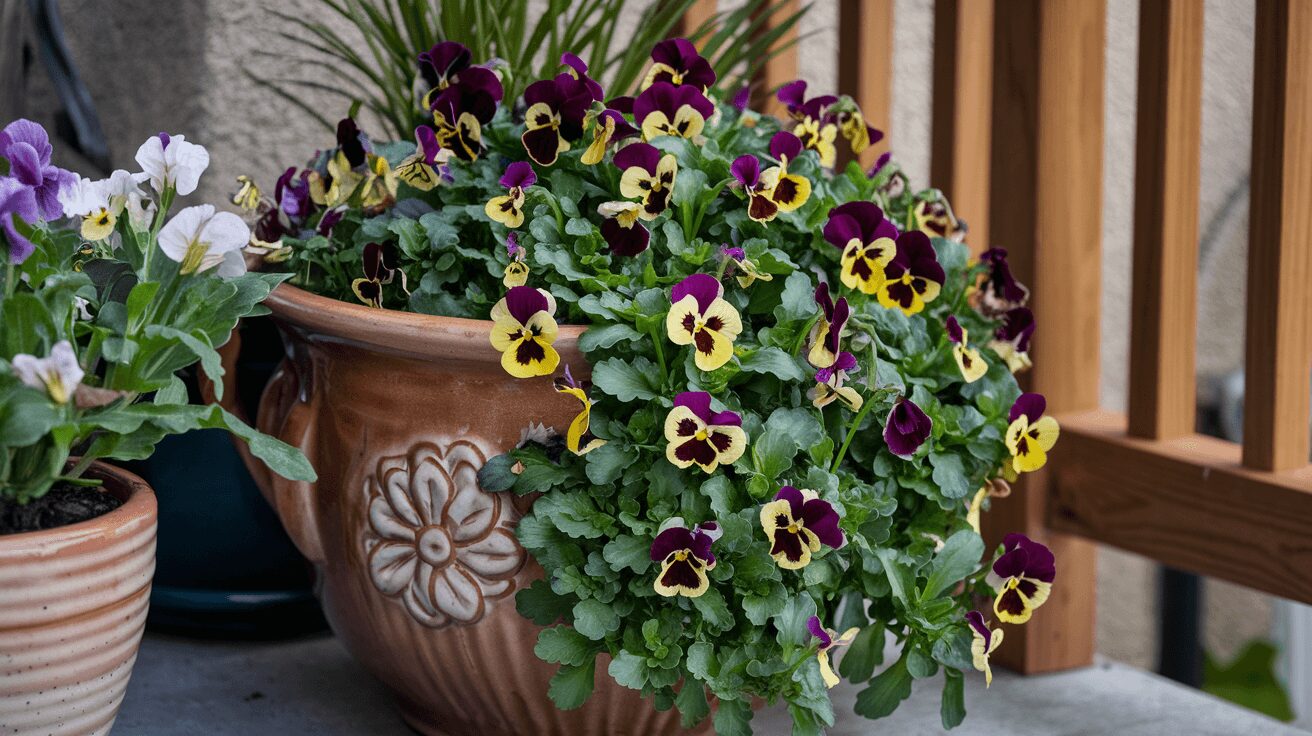
Indoor pansies? Yeah, you can totally do that. They won’t last forever, but they’ll give you a nice burst of color for a few months.
When growing pansies indoors, place them in a bright spot where they get plenty of indirect light, and make sure their pot drains well. Overwatering is a common mistake indoors, so go easy on the watering can.
Once, I overdid the watering on my indoor pansies, and, well, let’s just say they didn’t make it past a few weeks. Lesson learned: treat indoor plants differently from outdoor ones!
Related:
How to Care for Pansies in Pots
Pansies in pots are my go-to for adding a splash of color to the patio. They’re super easy to manage, but a few things make all the difference:
- Choose a pot with drainage: Pansies need well-draining soil, and that goes double for pots.
- Keep the soil moist: Pots dry out quicker than garden beds, so you’ll need to water them more often. I check mine every day, especially in warmer weather.
- Fertilize every couple of weeks: Container plants need a little extra nutrition since they can’t pull nutrients from the ground. Just don’t overdo it.
- Deadhead regularly: Yes, I’m bringing this up again because it’s that important!
I once tried growing pansies in a pot with no drainage (I thought I was being clever). Surprise, surprise—waterlogged pansies. They were done for in just a week.
How Do You Keep Pansies Blooming?
Keeping pansies blooming comes down to a few simple things: water, fertilizer, and deadheading. Pansies will keep giving you blooms as long as you take care of them. Be consistent, and they’ll reward you.
One of my proudest moments was when I managed to keep my pansies blooming well into June. It wasn’t easy, but seeing those colorful flowers when all the neighbors' pansies had faded was a sweet little victory.
Pansies Care After Flowering
Once your pansies stop blooming, don’t toss them out just yet. Give them a little TLC, and they might bloom again. Trim back any leggy stems and keep the soil moist. Sometimes, if the weather cools off again, they’ll start blooming once more. I’ve revived pansies that looked totally spent, and it’s always satisfying.
How to Make Pansies Bushy
You want full, bushy pansies? The secret is regular pruning and pinching back stems. Pinch off the top sets of leaves to encourage more side shoots. It feels counterintuitive at first (like, why am I cutting away perfectly good growth?), but trust me—it works. Your pansies will grow thicker and give you more blooms.
When I first started, I thought more stems = better plants. I let everything grow unchecked, but I ended up with a leggy, messy plant that wasn’t producing nearly as many flowers. After learning to prune early and often, my pansies became those full, vibrant plants you see in garden catalogs.
Overwintering Pansies Indoors
If you’re super attached to your pansies, you can actually bring them indoors for winter. Just pop them into a pot and give them a sunny windowsill. The change in environment might cause some initial shock (a few yellow leaves, maybe), but they’ll adjust. Keep watering light and make sure they get good air circulation.
I’ve overwintered pansies this way once or twice, mostly when I’ve been too attached to let them go. It’s fun, but they don’t always bloom as prolifically indoors, so just be prepared for a more low-key version of your outdoor beauties.
Propagating Pansies
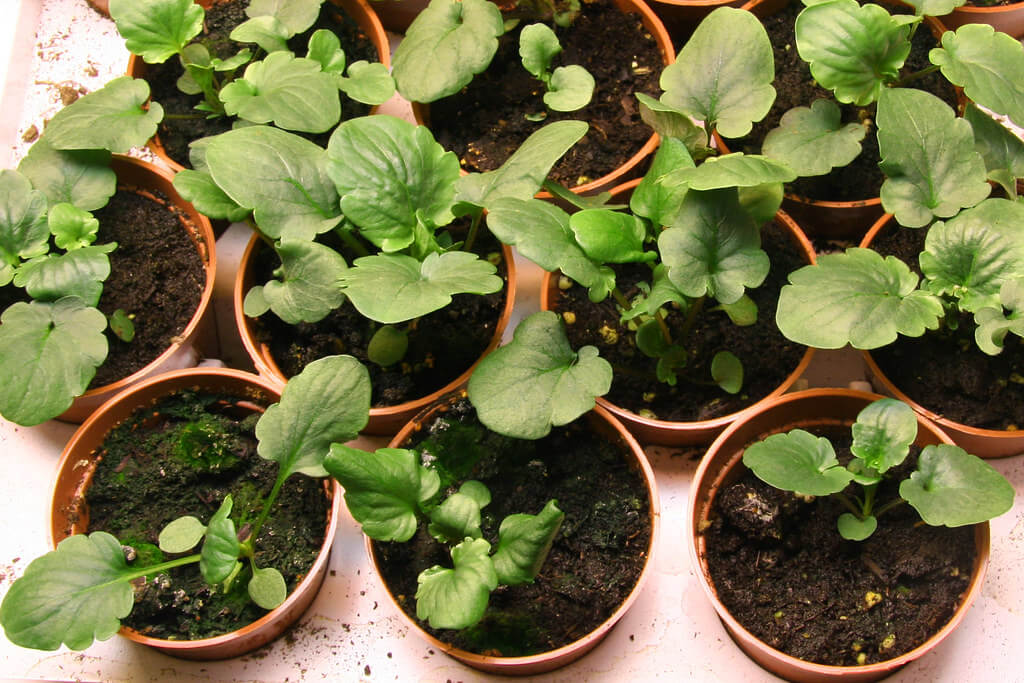
Source: Photo by Meighan
Propagating pansies can be a rewarding way to multiply your plants for free. Whether you’re growing them from seeds or trying cuttings, pansies are fairly straightforward to propagate. I’ve done both methods, and each has its own benefits. Let’s break down both approaches:
1. Propagating Pansies from Seeds
This is the most common way to grow pansies. It’s simple, and you get to choose from a wide variety of colors and patterns. However, pansies from seeds take a bit of patience, as they can be slow to germinate.
Step-by-Step Guide for Seed Propagation:
- Pick Your Seeds: Start with high-quality pansy seeds. You can grab a mix or focus on specific colors or patterns that you love.
- Prepare the Soil: Use a seed-starting mix, which is lighter and drains better than regular potting soil. I like to use small seed trays or peat pots.
- Sow the Seeds: Scatter the seeds on top of the soil and lightly press them down. Pansy seeds need darkness to germinate, so cover them with a thin layer of soil (about 1/8 inch). Don’t bury them too deep!
- Water Lightly: Mist the surface with water to moisten it. Keep the soil consistently damp but not waterlogged.
- Create a Warm Environment: Place the seed trays somewhere warm (around 65-70°F). Pansy seeds are slow to sprout, taking around 10-14 days. A heat mat can help speed up the process if you’re in a colder climate.
- Provide Light: Once seedlings appear, move them to a well-lit area. A south-facing window or grow light works best. Pansies need around 12-14 hours of light daily.
- Transplant: Once your seedlings have at least two sets of true leaves, move them to individual pots or a well-prepared garden bed. Be gentle when handling them—those baby plants are fragile!
- Harden Off: Before planting outdoors, harden off your seedlings by gradually exposing them to the outside elements. Start with an hour of outdoor exposure and gradually increase over 7-10 days.
2. Propagating Pansies from Cuttings
Pansies can also be propagated through stem cuttings, though it's less common. This method can be quicker than growing from seeds, as you’re working with an established plant. I’ve found this to be particularly useful when I want to preserve a specific variety that I love.
Step-by-Step Guide for Cutting Propagation:
- Choose a Healthy Parent Plant: Select a healthy, established pansy plant with no signs of disease or stress. The stronger the plant, the better your cuttings will do.
- Take the Cuttings: Use clean, sharp scissors or pruners to cut 4-5 inch sections of non-flowering stems. Make your cut just below a leaf node.
- Remove the Lower Leaves: Snip off the lower leaves, leaving about 2-3 at the top. This reduces water loss and focuses the plant’s energy on root growth.
- Prepare the Soil: Use a well-draining, sterile potting mix. I like to use small pots or seed trays for my cuttings.
- Plant the Cuttings: Dip the cut end in rooting hormone (optional but helpful), and plant the cutting into the soil. Press the soil gently around it to ensure it's snug.
- Water and Cover: Water lightly, and cover the pot with a plastic bag or a mini greenhouse lid to retain humidity. Keep the cutting out of direct sunlight but in a bright, warm spot.
- Wait for Roots: It will take about 2-3 weeks for the cuttings to develop roots. Check by gently tugging on the cutting; if you feel resistance, roots have formed.
- Transplant: Once your cuttings are rooted, they’re ready to be transplanted into larger pots or directly into the garden.
Related:
Pruning, Potting, and Repotting
Pansies thrive when regularly pruned and occasionally repotted. This keeps them looking fresh and encourages more blooms. Let's walk through each process.
1. Pruning Pansies
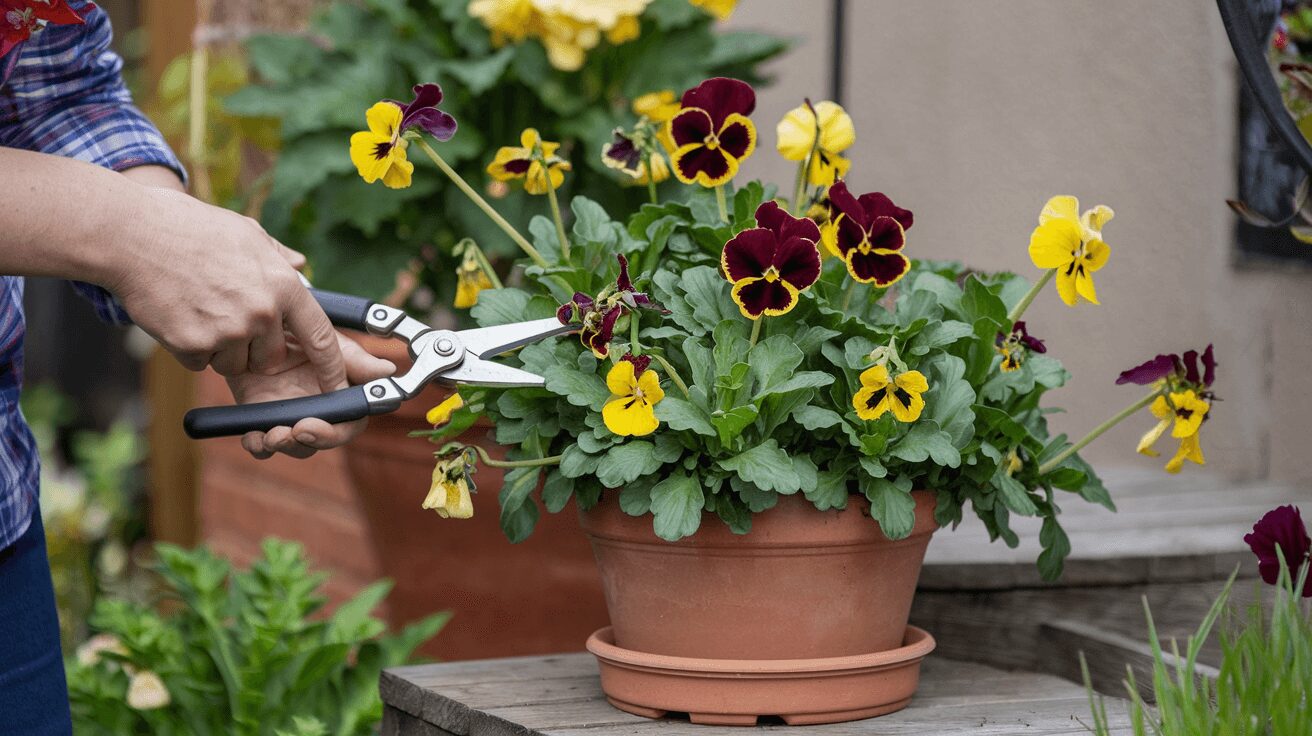
Pruning is essential to keep pansies bushy and blooming. I used to be nervous about cutting back my plants, thinking I’d damage them, but over time I realized how much they benefit from regular pruning.
- Pinch Off Dead Blooms: Deadheading (removing spent flowers) is the key to continuous blooming. Use your fingers or small scissors to pinch off blooms just above the next set of leaves.
- Cut Back Leggy Growth: If your pansies get leggy, don’t hesitate to trim them back. Cut stems back by about a third to encourage fuller growth.
- Remove Dead or Damaged Leaves: Any yellowing or damaged leaves should be removed promptly to prevent diseases and keep the plant looking healthy.
- Prune Before Winter: In colder climates, pruning pansies back in the fall can help prepare them for dormancy. Just be gentle—not too harsh of a cut at once!
2. Potting Pansies
Pansies are great container plants. Whether you’re planting from seed or buying transplants, potting pansies is pretty simple.
- Choose the Right Pot: Select a pot with good drainage. I prefer pots with multiple drainage holes to prevent waterlogging.
- Prepare the Soil: Use a well-draining potting mix. You can add a bit of compost for extra nutrients.
- Plant the Pansies: Place the plant into the pot, leaving a bit of room at the top for water. Firm the soil gently around the roots.
- Water Well: After potting, give the pansies a good drink of water. But be careful—don’t let them sit in soggy soil.
- Place in a Sunny Spot: Pansies like lots of light, so place your potted pansies in a sunny spot. If indoors, a south-facing window works best.
3. Repotting Pansies
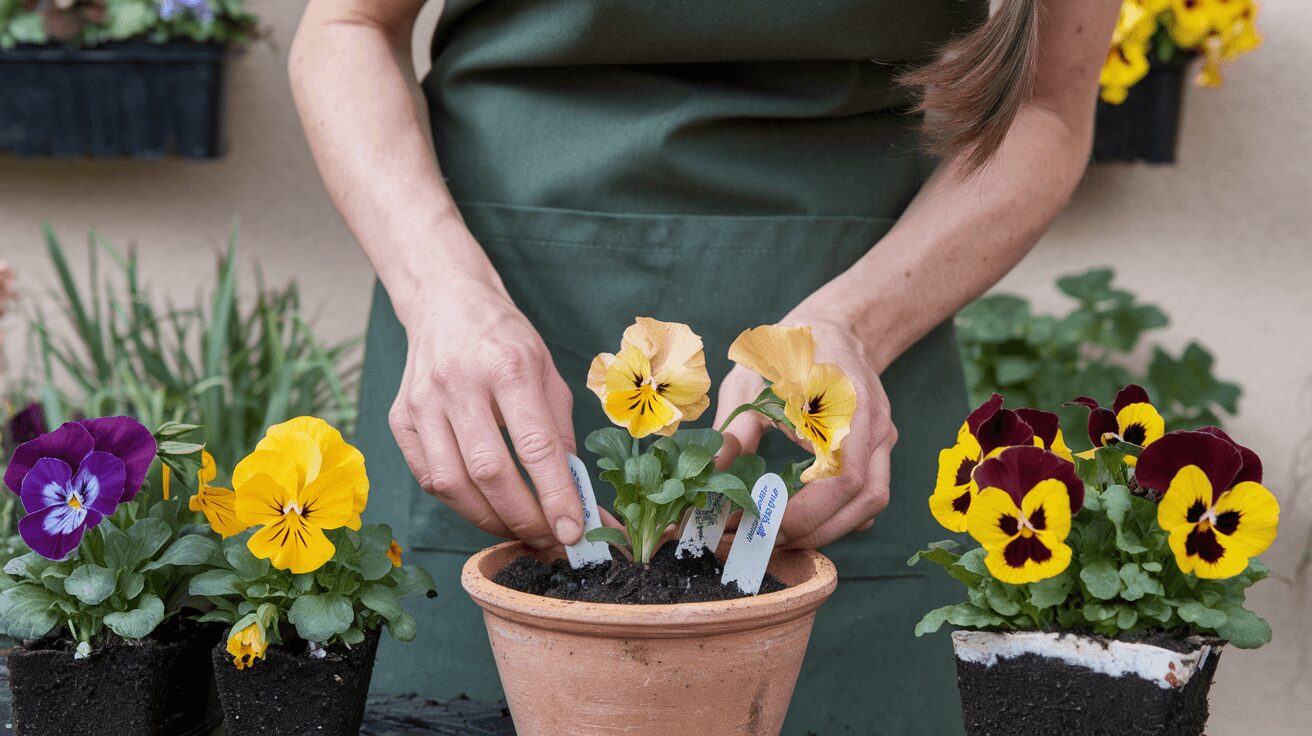
Repotting can give pansies a new lease on life if they’ve outgrown their containers or if the soil has become compacted. I usually repot my pansies every spring to give them fresh soil.
- Choose a Larger Pot: If the roots are bound, select a pot that’s about 2-3 inches larger in diameter than the current one.
- Prepare the New Pot: Fill the bottom of the new pot with fresh potting mix, ensuring it’s well-draining.
- Gently Remove the Plant: Tip the old pot on its side and gently slide the pansy out, being careful not to disturb the roots too much.
- Replant and Fill: Place the plant in the new pot and fill around it with fresh soil. Firm the soil gently but don’t compact it too much.
- Water Thoroughly: Water the plant well after repotting, ensuring the water drains through.
When to Plant Pansies
Timing is everything. For most regions, planting pansies in early spring or late fall is best. They thrive in cool weather, so getting them in the ground before the summer heat or the winter freeze hits is key. If you’re in a mild climate, you can plant pansies almost any time of year.
What Not to Plant with Pansies
Not all plants play nice with pansies. They can get along with many spring and fall flowers, but some plants compete for nutrients or crowd out your pansies. Here are a few plants to avoid:
- Cabbage (and other brassicas): Cabbage and pansies don’t get along well because cabbage is a heavy feeder. Pansies need a nutrient-rich environment, and cabbage will hog all the available nutrients. You’ll end up with weak, nutrient-starved pansies if you plant them together.
- Tomatoes: Tomatoes are another heavy feeder and can outcompete pansies for nutrients. Plus, tomatoes grow quite tall and can block the sunlight that pansies need to thrive.
- Pumpkins and Squash: These vining plants take up a lot of space and shade pansies out. They also require more nutrients than pansies can handle in the same soil.
- Potatoes: Potatoes grow underground and can disturb the root systems of nearby pansies. The two don’t make a good team in a shared garden bed.
- Beans: While beans are known to fix nitrogen in the soil, they can crowd out smaller plants like pansies. Plus, their tall vines can create too much shade for pansies to grow properly.
Common Pansy Problems
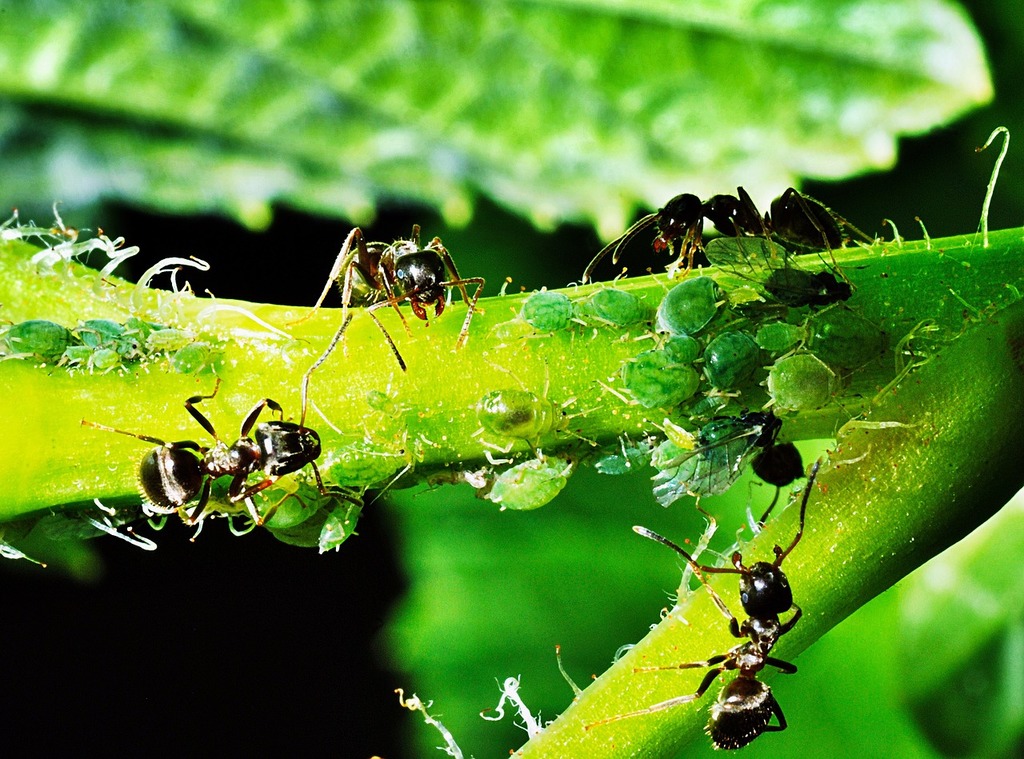
Even though pansies are tough little flowers, they do run into a few problems. Here’s how to tackle the most common ones:
1. Aphids
Aphids love pansies, and once they show up, they can cause yellowing leaves and stunted growth. The first time I saw aphids, I panicked—but now I know how to deal with them. A good spray of water or insecticidal soap usually does the trick. Neem oil works well too, and it’s more natural.
2. Slugs and Snails
These slimy pests can devour your pansies overnight. I’ve tried everything from copper tape to beer traps to keep them away. Beer traps work best for me—just pour a beer trap into a shallow dish and leave it near your pansies overnight.
The slugs and snails will be drawn to the yeast in the beer and, well, meet their end. Another trick is to sprinkle crushed eggshells or diatomaceous earth around the base of your plants to deter them.
3. Powdery Mildew
This fungal disease shows up as a white, powdery coating on the leaves, and it can spread quickly. It's usually caused by poor air circulation or overwatering. I remember battling this one season when I crowded my pansies too closely.
The best way to prevent powdery mildew is to space your plants out and avoid watering them in the late afternoon or evening. If mildew shows up, you can treat it with a homemade spray made from a tablespoon of baking soda mixed with a gallon of water.
4. Root Rot
Root rot can be a real heartbreaker, especially if you’ve been pampering your pansies. It’s caused by overwatering or poorly draining soil. The leaves will start to wilt, turn yellow, and the plant eventually collapses.
The only way to avoid root rot is to ensure your pansies are planted in well-draining soil and that you don't water them too much. When I first started growing pansies, I was so afraid they’d dry out that I overwatered them—and lost a few to root rot. Lesson learned!
5. Yellow Leaves
Yellowing leaves can be caused by several factors: nutrient deficiencies, overwatering, or pests. I’ve noticed that when pansies lack nitrogen, their leaves turn yellow, especially on older leaves.
You can fix this by adding a balanced fertilizer to the soil or using a liquid feed. If you suspect overwatering, let the soil dry out a bit before watering again.
6. Leggy Growth
Pansies can get leggy when they don’t get enough sunlight or if they’re reaching for light. If you see this happening, move them to a sunnier spot and trim back the leggy stems to encourage bushier growth. It’s frustrating to watch them stretch out like that, but pruning usually brings them back into shape.
7. Drooping
Sometimes pansies start drooping, especially in the heat of summer. Pansies are cool-weather plants and can struggle when temperatures rise above 75°F. When mine start to droop, I usually move the pots to a shadier spot or water them in the morning to help them cool off. Don’t worry too much—pansies will perk back up as temperatures drop.
Related:
Final Thought
Pansies might seem like delicate flowers, but they’re surprisingly resilient when you give them a little TLC. Propagating, pruning, and potting them is a straightforward process that brings color and cheer to your garden or pots.
However, like every plant, they come with their own set of challenges—whether it’s pests, diseases, or environmental stressors. I’ve had my fair share of trial and error with pansies, but once you understand their needs, they’re pretty easy to care for.
Whether you’re growing them from seeds, experimenting with cuttings, or simply want to keep your pansies looking bushy and vibrant, the key is regular care and paying attention to their environment. Oh, and avoid planting them with heavy feeders like tomatoes or pumpkins—trust me, it’s a disaster waiting to happen!
So, are you ready to dive into growing pansies? Share your own experiences or tips in the comments below—I’d love to hear how you’re doing with your pansies!
External Resources: For further inspiration daffodil care, check out Horticulture Magazine and Epic Gardening.
FAQ
Do pansies grow best in sun or shade?
Pansies thrive in partial to full sun, with about six hours of sunlight a day being ideal. However, they can also tolerate some shade, especially in hotter climates, where afternoon shade can help prevent wilting.
Do you need to deadhead pansies?
Yes, deadheading pansies encourages new blooms and keeps the plants looking tidy. By removing spent flowers, you help redirect the plant's energy into producing fresh blossoms instead of forming seeds.
Do pansies come back every year?
Pansies are generally considered cool-season annuals, meaning they complete their life cycle within a year. However, in milder climates (zones 6 and higher), they can act as perennials and may return the following year.
Do pansies spread?
Pansies do not spread aggressively; they typically maintain a compact form. They can self-seed in favorable conditions, but they won’t take over your garden.
What temperature will kill pansies?
Pansies can tolerate light frosts but may suffer in temperatures below 25°F (-4°C). Extended exposure to freezing temperatures can cause significant damage, so it’s best to protect them during harsh cold spells.
What month do you plant pansies?
The best time to plant pansies is in early spring, usually around March or April, depending on your local climate. You can also plant them in the fall for a winter bloom in milder areas.