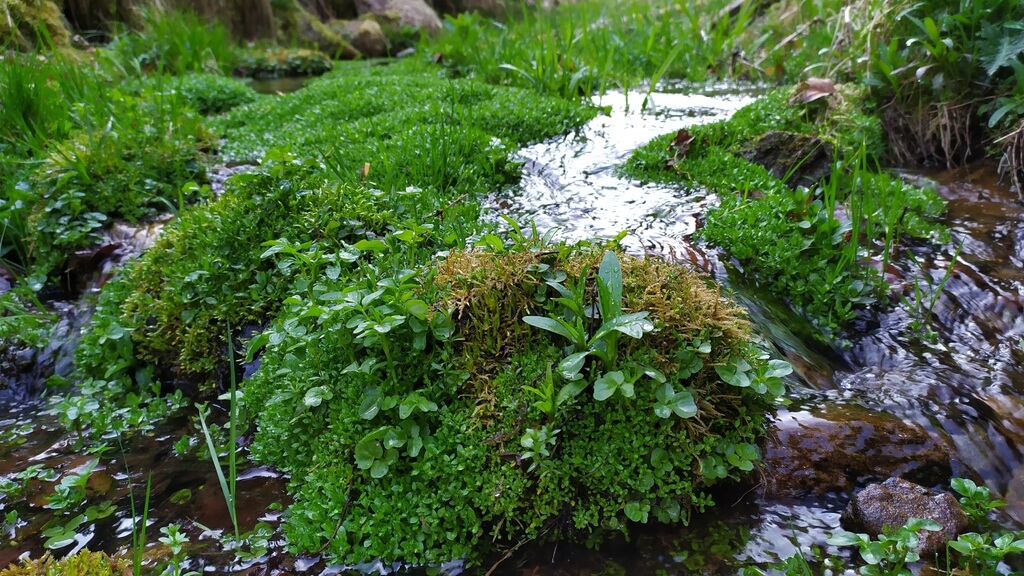
Liverwort Plant: Ancient Green Wonder or Garden Nuisance?
Have you ever noticed a weird, leathery green mat spreading across your flower pots and wondered, "Is this a moss, or is my garden being invaded by aliens?" Meet the Liverwort. This plant is a total badass of the botanical world.
Scientific Name: Marchantiophyta Plant Type: Non-vascular (Bryophyte) Species: Over 9,000
It thrives in high moisture, shade, and compacted soil with no roots, no seeds, and it was hanging out on Earth long before the first dinosaur ever took a breath. For some of us, they are fascinating "living fossils" that look incredible in a damp terrarium. For others? They’re a stubborn, slippery nightmare that won't stop taking over the backyard.
Fun Facts:
The Vibe: Looks like a leathery moss; feels like a prehistoric relic. The Superpower: It uses "splash cups" to catapult its babies when it rains. Favorite Spots: They love "the three Ds": Damp, Dark, and Dense (compacted) soil. Age: 400+ million years old. (It’s older than your house, your city, and your great-great-great-grandma).
Whether you want to grow a prehistoric masterpiece or you're ready to declare war on a "weed" that just won't quit, I've got you covered.
What is Your Liverwort Goal?
Since Liverworts can be either a prized specimen or a stubborn weed, select the tab below that matches your needs:
Control & Remove
Grow & Admire
Why is Liverwort Taking Over My Garden?
Before you grab the shovel, you have to understand why it's there. Liverwort doesn't just show up; it’s an indicator plant. If you have it, your soil is likely telling you three things: it’s too wet, it’s too shady, or it’s packed down too tight (compacted)—what I call the Liverwort Trifecta:
Compacted Soil: Because they don't have deep roots, they love hard, packed surfaces where other plants can't grow.
High Moisture: They are basically land-dwelling sponges. If your soil stays soggy, they’ll stay happy.
Low Nitrogen: Liverworts thrive in "hungry" soil where nitrogen levels are low, giving them a competitive edge over your grass and flowers.
3 Ways to Get Rid of Liverwort Permanently
Method 1 - The "Scrape and Aerate"
Since Liverwort doesn't have true roots (it uses tiny hairs called rhizoids), it’s actually pretty easy to peel up.
The Trick: Use a flat garden trowel or even an old kitchen spatula to slide under the "mat" and lift it in one piece.
Pro Tip: Do this before it rains. If those little "splash cups" are full of water, you’ll accidentally launch thousands of spores back into your soil while you’re trying to clean it up.
Method 2 - The Organic "Kitchen" Spray
For liverwort growing on gravel paths or in empty pots, a simple DIY spray can work wonders.
The Recipe: Mix 1 part white vinegar with 4 parts water and a drop of dish soap.
The Result: Spray it directly on the Liverwort on a sunny day. The vinegar dries out the "leathery" body (the thallus), and because the plant has no deep roots to hide in, it usually shrivels up within 24 to 48 hours. Just be careful—vinegar doesn't know the difference between a weed and your favorite flower!
Warning: Be careful! Vinegar kills almost any plant it touches, so keep it away from your prize roses.
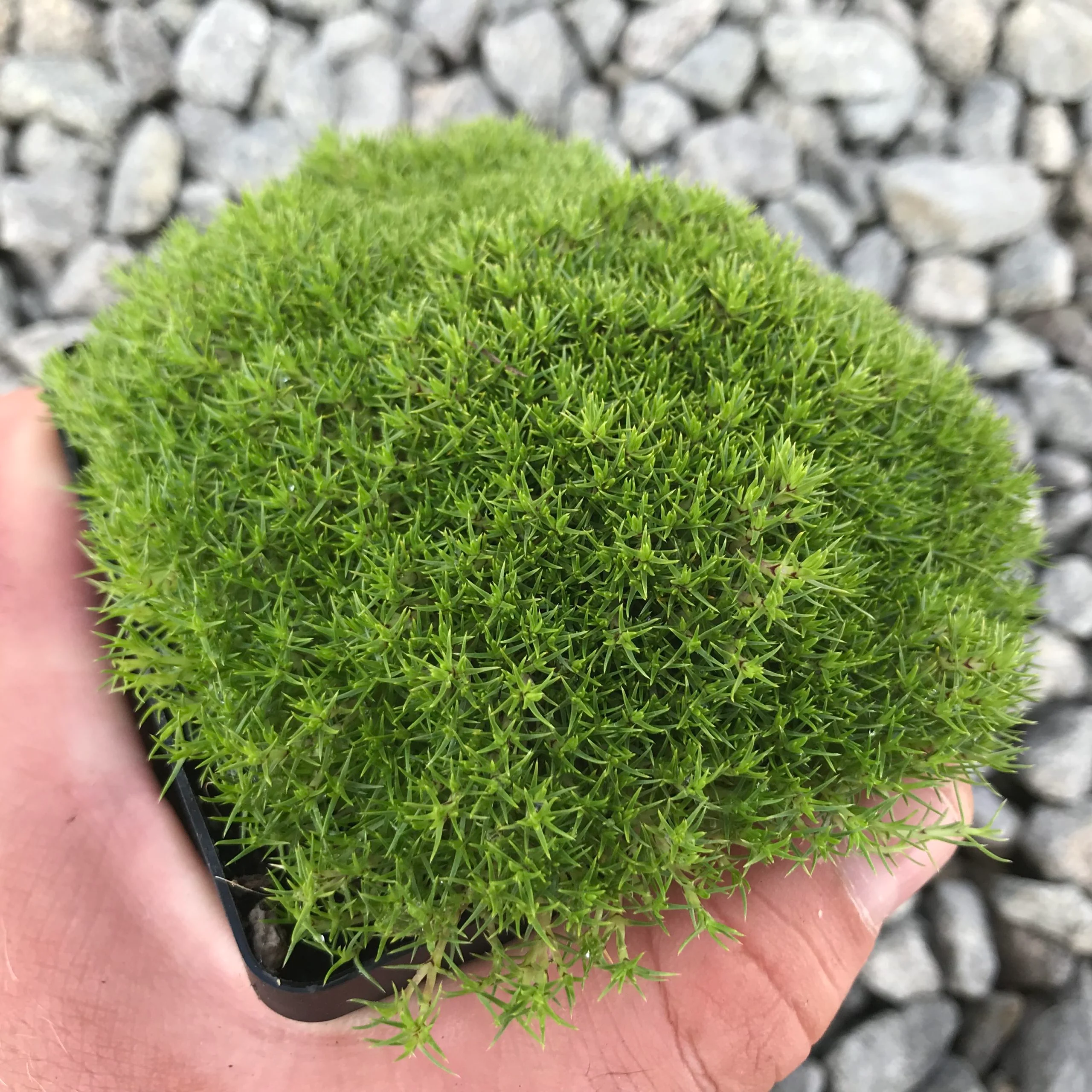
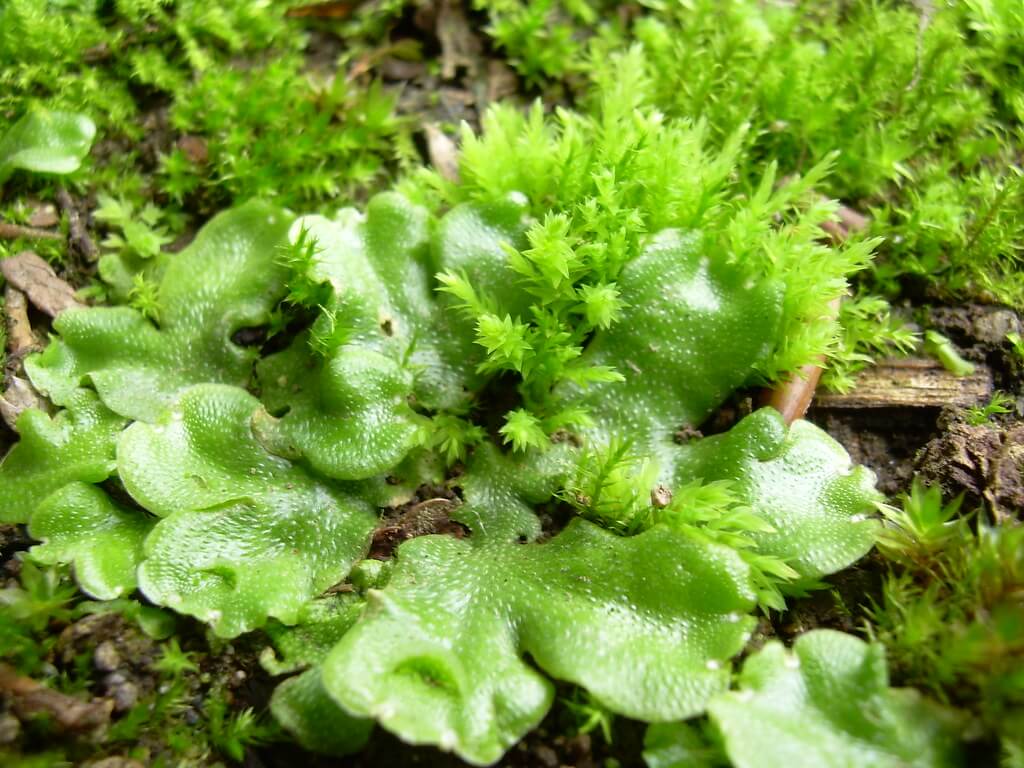
But wait—before you grab the vinegar, are you sure you're actually looking at liverwort? It’s incredibly easy to mistake common garden moss for its prehistoric cousin, and they require very different treatments. Here is how to tell the difference in seconds:
Source: Little Princess
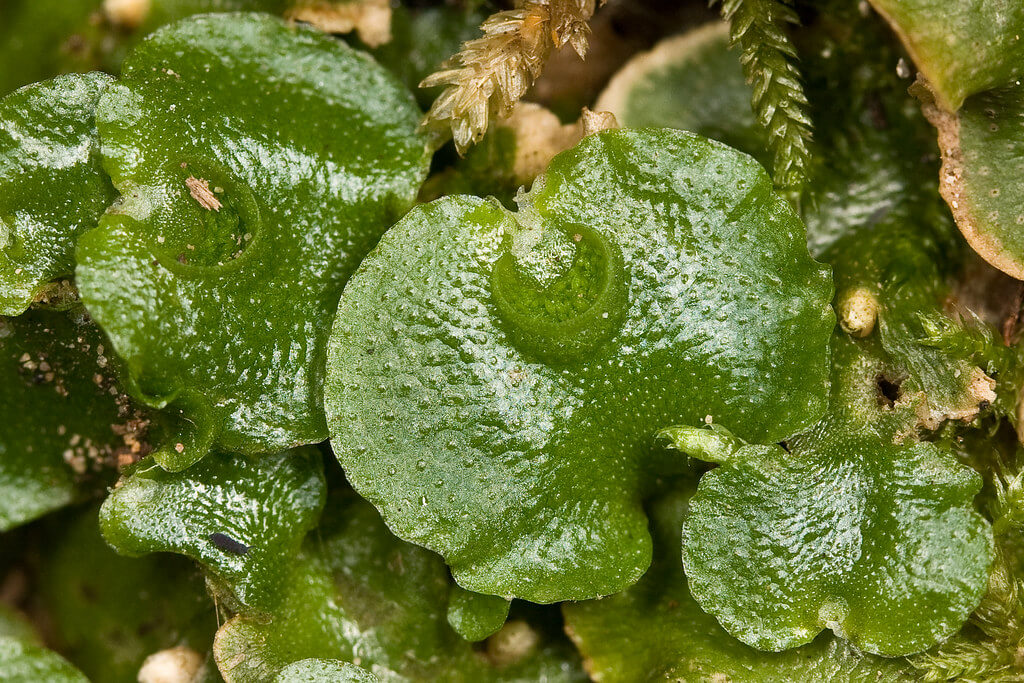
Liverwort: Look for flat, leathery green plates (called thalli) that hug the ground. During "breeding season," they grow tiny structures that look like miniature green umbrellas.
Moss: Think "fuzzy and soft." Moss has tiny stem-like structures and a delicate, carpet-like feel. It’s the "velvet" of the garden, while liverwort is more like "green leather."
Method 3 - Change the Environment
If you don't change the environment, the liverwort will come back. You need to break the "Trifecta":
Aerate: Use a garden fork to poke holes in compacted soil.
Drainage: Add grit or perlite to your potting mix so water doesn't sit on the surface.
Sunlight: Prune back overhanging branches to let in more light. Liverwort hates a "tan."
Preventing Future Growth
Once you’ve cleared the area, keep it clear with these two habits:
Mulching: Cover bare soil with wood chips or bark. Liverwort needs direct contact with damp soil to "grab" on.
Smart Watering: Switch to "deep but infrequent" watering. Letting the top inch of soil dry out between waterings is the fastest way to make your garden "liverwort-proof."
Liverwort 101: An Ancient Green Wonder
Most plants we love today—roses, oak trees, even grass—are newcomers to Earth. Liverworts, on the other hand, are the true "dinosaurs" of the plant world. They’ve been hanging around for over 400 million years, surviving multiple mass extinctions and drastic climate shifts.
What makes them so legendary?
1
They Pre-date Roots: While other plants were evolving complex root systems to suck up water, liverworts stayed simple. They use tiny, hair-like structures called rhizoids to anchor themselves, absorbing moisture directly through their bodies.
2
The Original Land-Dwellers: Scientists believe liverworts were among the very first plants to crawl out of the ocean and survive on dry land.
3
Ancient Architecture: When you look at a Liverwort, you aren't just looking at a "weed"—you’re looking at a living blueprint of how life on Earth began.
Popular Varieties for Your Garden & Aquarium
Thalloid: Flat, ribbon-like body.
Leafy: Moss-like structure.
Aquatic: Found in freshwater habitats.
Epiphytic: Grows on other plants, especially in rainforests.
Thalloid vs. Leafy Liverworts
Liverworts primarily exist in two forms: thalloid and leafy. Thalloid liverworts have a flat, ribbon-like body called a thallus. This thallus is typically one to a few cells thick and spreads out over the substrate, absorbing water and nutrients directly through its surface.
Thalloid Liverworts - Source: Photo by Ken-ichi Ueda
The thallus often has a simple or branched structure and may feature specialized structures for reproduction, such as gemma cups or sporophytes.
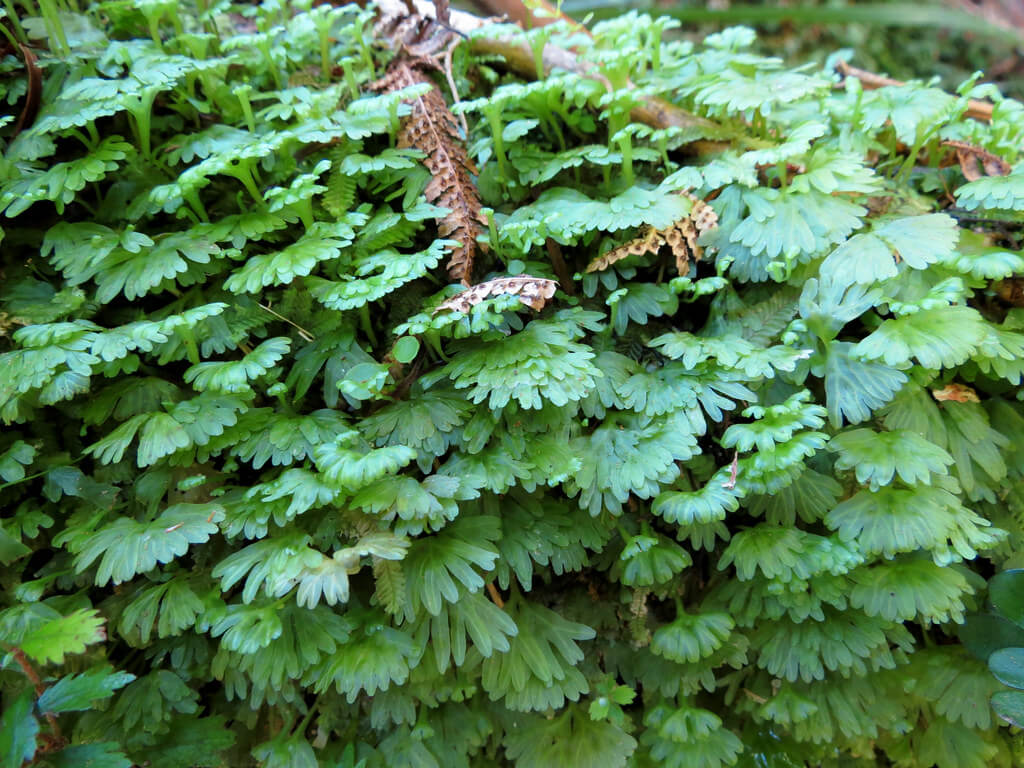
Leafy liverworts, on the other hand, resemble mosses due to their more complex body structure. They have a stem-like axis with small, leaf-like appendages arranged in rows.
Leafy Liverworts - Source: Photo by Katja Schulz
These "leaves" are typically just one cell thick and lack the cuticle found in many vascular plants, making them highly reliant on their surrounding environment for moisture. Leafy liverworts are generally more common in humid, tropical environments, where their delicate structures are less likely to dry out.
Aquatic Species (Riccia fluitans)
Aquatic Liverworts - Source: Photo by Christian Fischer
High value for aquarium hobbyists. While most liverworts prefer moist terrestrial environments, some species are adapted to aquatic habitats. Aquatic liverworts can be found in freshwater environments, such as ponds, streams, and wetlands.
These liverworts often form dense mats that float on the water's surface or grow submerged. Riccia fluitans is a popular aquatic liverwort often used in aquariums for its aesthetic appeal and ability to provide habitat for aquatic life.
Epiphytic Liverworts
Epiphytic Liverworts - Source: Photo by Gabriele Kothe-Heinrich
They grow on the surface of other plants, particularly trees, without parasitizing them. These liverworts are commonly found in tropical rainforests, where the high humidity and stable temperatures provide ideal conditions for their growth.
Epiphytic liverworts play a crucial role in the rainforest ecosystem, contributing to nutrient cycling and providing habitat for a range of other organisms.
Essential Liverwort Care Guide
If you’re thinking about cultivating liverworts, you’re in for a treat. These plants may be ancient, but they’re relatively low-maintenance and can be a unique addition to your garden or terrarium.
Moisture: Requires constant moisture.
Light: Prefers shaded environments.
Temperature: Thrives in cool, stable temperatures.
Substrate: Grows well on moist soil, rocks, or wood.
The key to liverwort plant care is mimicking their natural environment—think damp, shady, and cool.
Light and Temperature
Liverworts prefer low to moderate light, similar to what they would experience under a forest canopy. Direct sunlight can be too harsh and may cause them to dry out or scorch. Aim for filtered light or a shaded spot in your garden.
Temperature-wise, liverworts thrive in cool to moderate conditions, typically between 50°F to 70°F (10°C to 21°C). They can tolerate slightly warmer temperatures if the humidity is high, but they struggle in hot, dry conditions.
Watering and Humidity
Water is crucial for liverworts. Since they lack a vascular system, they rely on external moisture to survive. Keep the soil or substrate consistently moist, but not waterlogged. Liverworts also benefit from high humidity, so consider misting them regularly or placing them in a terrarium where humidity levels are naturally higher.
Soil and Substrate
Liverworts aren’t too picky about soil, but they do best in substrates that retain moisture. A mix of peat moss and perlite or sand can work well, providing both drainage and moisture retention.
If you’re growing liverworts in a terrarium, you can use a layer of sphagnum moss as a base, which helps maintain humidity and provides a natural environment for the plants.
Fertilization and Maintenance
Liverworts don’t require much in the way of fertilization. In fact, too much fertilizer can harm these delicate plants. If you feel the need to feed them, use a very diluted, balanced fertilizer sparingly, perhaps once a month during the growing season.
As for maintenance, keep an eye on the liverworts for any signs of drying out or pests. Regularly misting and removing any dead or decaying material will keep your liverworts healthy and vibrant.
The Fascinating Life Cycle (No Seeds!)
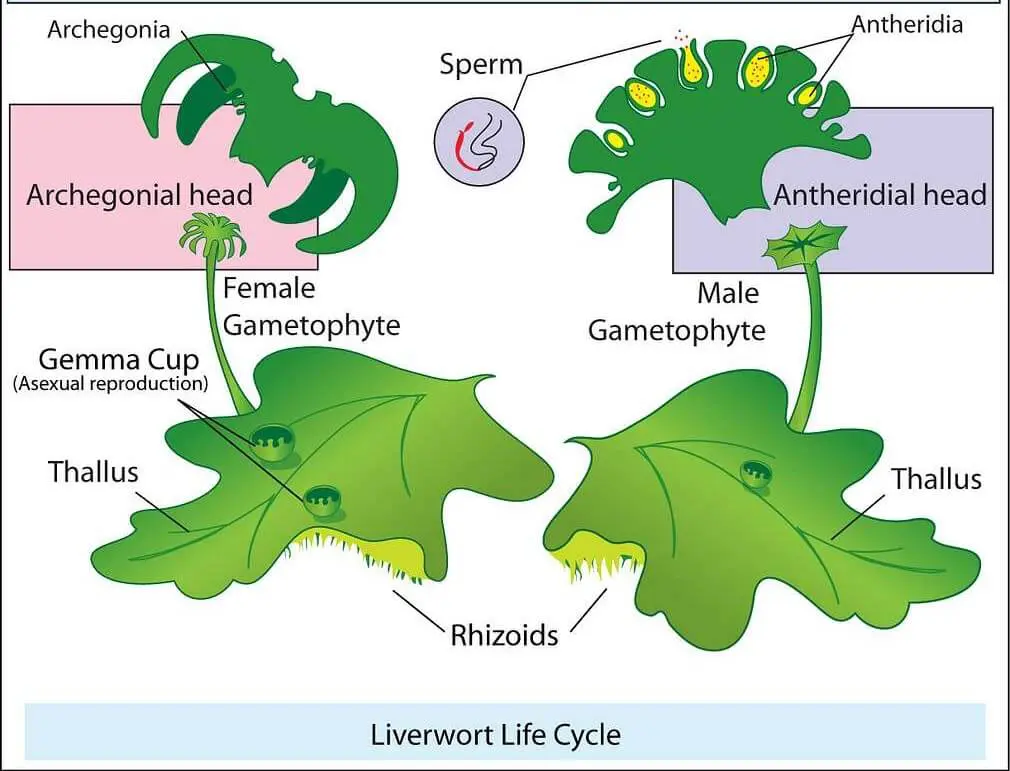
Source: Photo by Plants and Pipettes
Liverworts have a two-stage reproduction cycle: the gametophyte, the dominant photosynthetic stage, and the sporophyte, a small stalk that releases spores for reproduction. These spores spread via wind or water, enabling colonization of new areas.
They reproduce sexually with specialized organs: antheridia (male) and archegonia (female). Sperm from the antheridia swim to the archegonia for fertilization, leading to sporophyte development.
The Liverwort Gametophyte
The gametophyte is the dominant stage of the liverwort lifecycle, making up the majority of the visible plant body.
This phase is haploid, meaning it contains a single set of chromosomes, unlike the diploid sporophyte stage. The gametophyte carries out photosynthesis, provides support for the sporophyte, and is responsible for sexual reproduction.
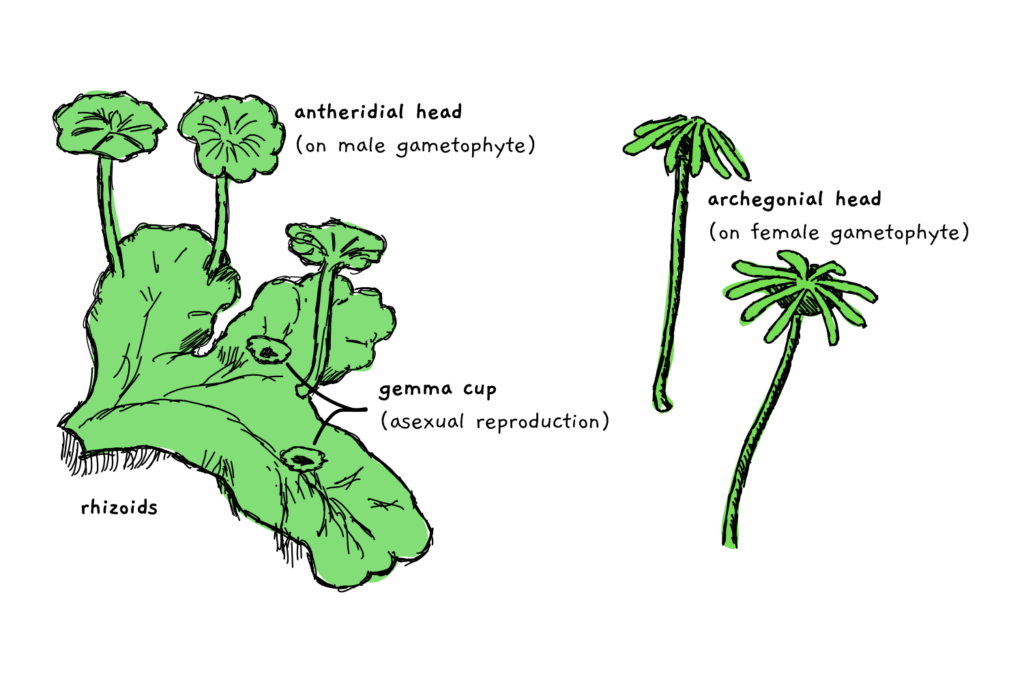
In many liverworts, the gametophyte body includes specialized structures for reproduction. For example, in thalloid liverworts like Marchantia, the gametophyte produces archegoniophores and antheridiophores—umbrella-like structures that house the reproductive organs, archegonia (female) and antheridia (male).
These structures elevate the reproductive organs above the main body of the plant, which helps in the distribution of sperm and the fertilization process.
The Liverwort Sporophyte
Although the sporophyte is less prominent than the gametophyte, it plays a crucial role in the liverwort's lifecycle. After fertilization occurs within the archegonium, the zygote develops into the sporophyte, which remains attached to and dependent on the gametophyte for its entire life.
The sporophyte consists of a foot, a seta (stalk), and a spore-producing capsule. Once mature, the capsule releases spores into the environment, which can grow into new gametophytes under the right conditions.
The liverwort sporophyte is unique in that it doesn’t perform photosynthesis and relies entirely on the gametophyte for nutrition. This close relationship between the two stages of the liverwort lifecycle underscores the simplicity and efficiency of these ancient plants.
The "Splash Cup" (Gemmae) Trick
In addition to spores, liverworts can also reproduce asexually using gemmae. These are small, multicellular bodies that are produced in specialized structures called gemma cups, found on the surface of the liverwort gametophyte.
When raindrops hit these gemma cups, the gemmae are splashed out and can land in new locations, where they will grow into new plants. This form of reproduction allows liverworts to rapidly expand their presence in favorable environments.
How Liverwort Spores Work?
Liverworts don’t produce seeds, which is one of the key differences between them and many other types of plants. Instead, they reproduce via spores, which are produced by the sporophyte generation. These spores are incredibly small and are dispersed by wind, water, or even animals.
Spore Dispersal Mechanisms
The spores of liverworts are often released from capsule-like structures that burst open when they mature. In some species, these capsules have specialized mechanisms to help with spore dispersal.
For example, in the genus Marchantia, the sporophyte contains structures known as elaters, which are spring-like cells that help propel the spores into the air when the capsule opens.
This method of spore dispersal ensures that the spores can travel some distance from the parent plant, increasing the likelihood of colonizing new areas.
Why Grow Liverwort?
Liverworts may not be as widely known as some other plants, but they have been used by humans for centuries, both medicinally and in traditional practices. Despite their small size, these plants pack a punch in terms of utility, particularly in natural remedies and environmental contributions.
Medicinal Uses
Historically, liverworts were believed to have healing properties, particularly for liver ailments, which is how they got their name.
In medieval times, the "Doctrine of Signatures" suggested that plants resembling body parts could be used to treat ailments of those parts. Because liverworts have a lobed, liver-like appearance, they were often used in herbal medicine to treat liver conditions.
In modern times, some species of liverworts are still used in traditional medicine, particularly in Asia. For instance, extracts from certain liverwort species are believed to have antimicrobial and anti-inflammatory properties.
However, it's important to note that while there’s ongoing research into the potential medicinal uses of liverworts, most applications are based on traditional knowledge rather than scientific validation.
Beyond their potential medicinal uses, liverworts play a significant role in their ecosystems. They are pioneers in harsh environments, often among the first plants to colonize bare soil or rock. By breaking down these substrates, liverworts help create conditions that allow other plants to establish and thrive.
Quick Reference:
Traditional Medicine: Used for liver ailments, skin conditions.
Gardening: Grown in terrariums, as ground cover.
Environmental Indicators: Bioindicators of air quality and ecosystem health.
Liverworts also contribute to soil formation and stabilization. Their root-like structures, called rhizoids, help bind soil particles together, reducing erosion. In addition, liverworts provide habitat for various microorganisms and small invertebrates, contributing to biodiversity in their ecosystems.
Aesthetic and Educational Uses
For those interested in botany or natural history, liverworts can be an excellent subject of study. Their simple structure and fascinating life cycle make them a great teaching tool for understanding plant biology, particularly the concepts of alternation of generations and non-vascular plant reproduction.
Liverworts also have an aesthetic appeal, particularly in terrariums or as ground cover in shaded gardens. Their delicate, moss-like appearance adds a lush, green element to indoor plant displays.
They can be used to create miniature landscapes that mimic forest floors or wetland environments, providing a naturalistic touch to garden design.
Livelihood Uses
In some parts of the world, liverworts are harvested and used in various traditional practices. For example, in Japan, certain liverwort species are used in the creation of miniature gardens known as bonkei. These small-scale landscapes are designed to reflect natural scenes and often include liverworts as a representation of mosses or other ground cover plants.
While liverworts are not typically cultivated on a large scale, their ability to thrive in low-light, high-humidity environments makes them a potential candidate for indoor horticulture.
They can be propagated relatively easily, and their low-maintenance requirements make them an attractive option for plant enthusiasts looking to expand their collection.
My Favorite Tools for Liverwort Care & Control
For Growers: A high-quality Mister Bottle and Terrarium Tweezers.
For Controllers: A sturdy Hand Aerator to break up that compacted soil.
Your Move (Team Grow or Team Remove?)
Whether you’ve decided to embrace the prehistoric charm of liverwort in a terrarium or you're currently hunting for a spatula to scrape it off your driveway, one thing is certain: this plant is a survivor.
The secret to "winning" with liverwort isn't about expensive chemicals; it’s about understanding your soil. If you change the moisture and the airflow, you change the game.
Your Action Plan:
If you're a Grower: Check your humidity levels today. If they're below 60%, it's time to give a good misting—Read More
If you're a Remover: Go poke a few holes in that compacted soil with a garden fork. Let your dirt breathe—Read More
What’s the verdict in your garden? Are you fascinated by this living fossil, or is it your #1 garden enemy? Drop a comment below and let’s talk!
Frequently Asked Questions
Q: Is liverwort harmful to my other plants?
A: No, liverwort isn't a parasite. It won't "steal" nutrients from your flowers, but it can create a thick, leathery mat that prevents water and air from reaching the roots of your other plants. If it’s covering your entire pot, it’s best to thin it out.
Q: Why does liverwort keep coming back even after I pull it up?
A: You’re likely leaving behind microscopic spores or the environment hasn't changed. If your soil remains damp, shaded, and compacted, liverwort will always find its way back. Focus on improving drainage and increasing sunlight to stop the cycle.
Q: Can I use vinegar to kill liverwort in my lawn?
A: Use caution! While a 10% vinegar solution is great for killing liverwort on gravel or in empty pots, it is a non-selective herbicide. This means it will kill your grass and flowers just as quickly as the liverwort. Only use it as a "spot treatment" or in areas without desired plants.
Q: How do liverworts reproduce without seeds?
A: They use two clever methods: Spores (which are launched into the wind) and Gemmae (tiny clones sitting in "splash cups"). When a raindrop hits a splash cup, it catapults the clones up to 3 feet away to start a new colony.
Q: What is liverwort plant good for?
A: Liverworts are beneficial in traditional medicine for treating liver ailments and skin conditions. They also play a vital role in ecosystems by stabilizing soil and providing habitat for small organisms.