
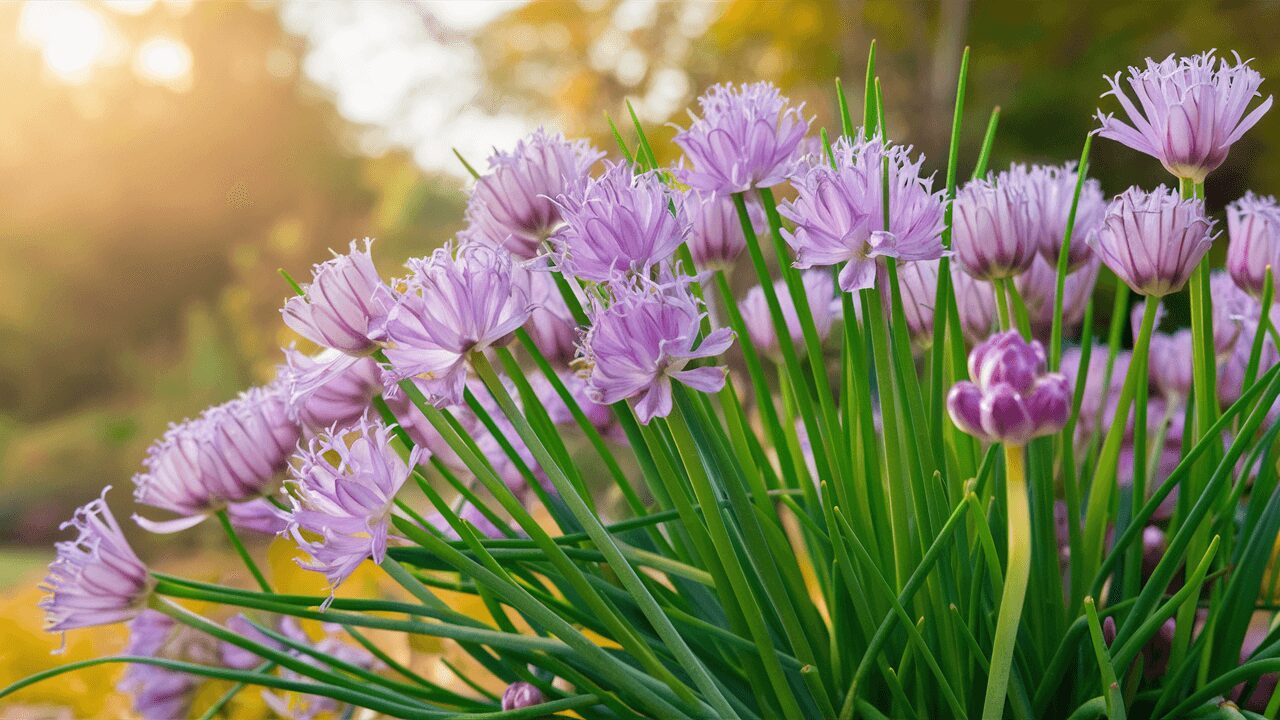
Love the idea of fresh herbs but tired of watching your windowsill plants slowly turn into yellow, floppy 'spaghetti' stalks? You aren’t alone.
Growing chives indoors should be the ultimate kitchen win—not a weekly struggle with wilting leaves and stunted growth.
In this 2026 Indoor Chive Guide, we’re cutting through the noise. Whether you’re a total beginner or a seasoned gardener looking for a never-ending harvest, I’m sharing the three simple secrets to lush, upright chives that actually regrow after you snip them.
From the 'Haircut Hack' to the perfect drainage trick, let's turn your kitchen into a year-round herb haven!"
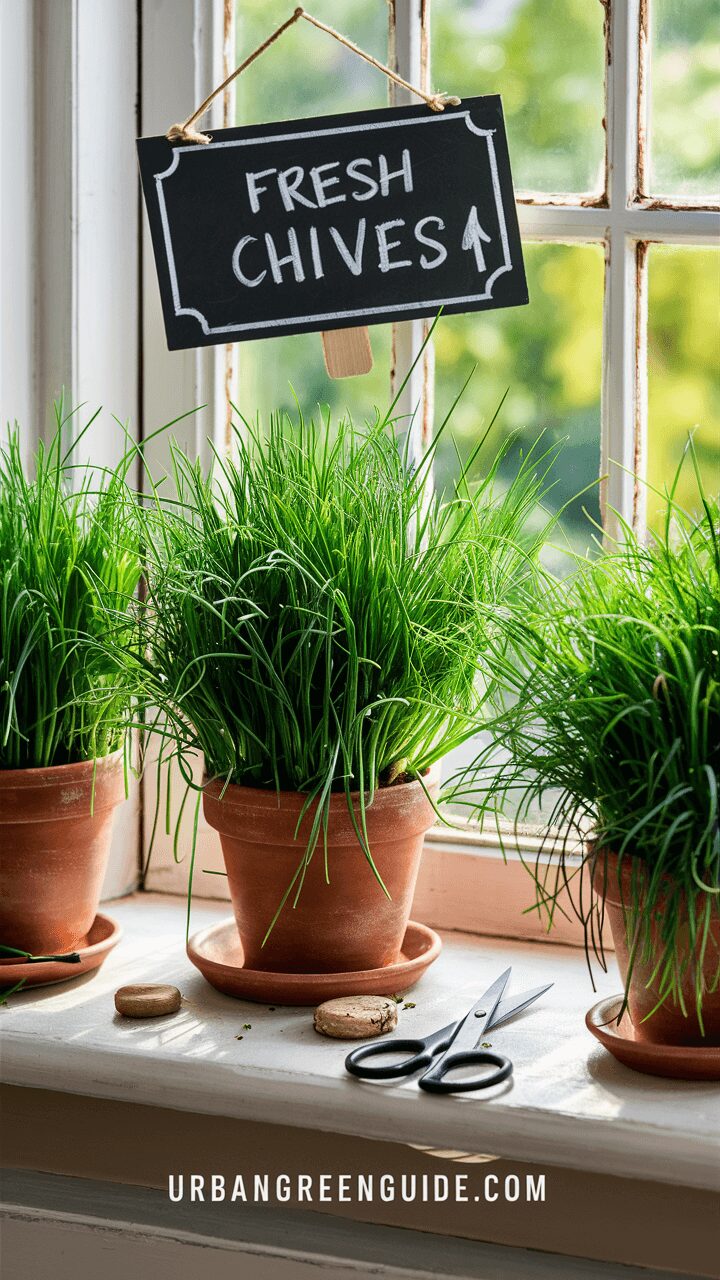
Very Busy? Quick Care Tips to Grow Chives Indoors
- Botanical Name: Allium schoenoprasum
- Family: Amaryllidaceae
- Plant Type: Herbaceous perennial
- Mature Size: 10-12 inches tall
- Sun Exposure: Full sun to partial shade (6-8 hours of light daily)
- Soil Type: Well-draining, loamy soil
- Soil pH: 6.0-7.0 (slightly acidic to neutral)
- Bloom Time: Late spring to early summer
- Flower Color: Purple or pink
- Hardiness Zones: 3-9 (USDA)
- Water Needs: Moderate; water when the top inch of soil is dry
- Height: 10-12 inches
- Spread: 8-12 inches
- Harvesting: Harvest by cutting leaves about 2 inches above the soil level; can harvest multiple times per season
- Storage: Fresh chives can be stored in the refrigerator for up to a week; can also be frozen or dried for longer storage
- Native Area: Europe, Asia, and North America
Why Your Kitchen Needs a Windowsill Chive Pot
Why Grow Chives Indoors?
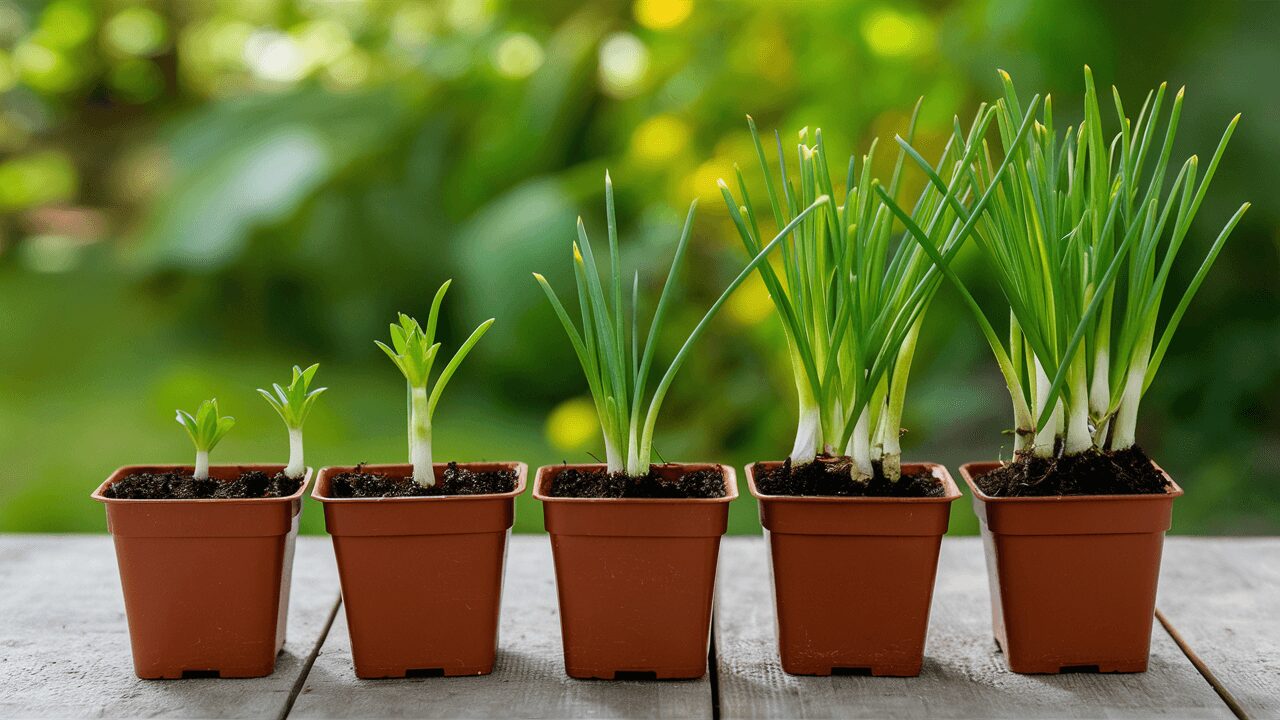
Before we get into the nitty-gritty of planting and caring for chives, let's talk about why you might want to grow them indoors in the first place. There are several advantages:
- Year-Round Harvest: Growing chives indoors allows you to enjoy fresh herbs all year round, regardless of the season.
- Space-Saving: Chives don’t require much room. A small pot on your windowsill is enough to keep your kitchen stocked with fresh herbs.
- Aesthetic Appeal: Chives add a touch of green to your indoor space, brightening up your kitchen or living area.
- Health Benefits: Chives are rich in vitamins A and C, and they also contain antioxidants that support overall health. If you're interested in growing other herbs from seeds, our post on how to grow Spinach or Thyme indoors might interest you.
Choosing Your Variety: Common vs. Garlic Chives
When it comes to growing chives indoors, you have two main varieties to choose from: common chives (Allium schoenoprasum) and garlic chives (Allium tuberosum).
- Common Chives: These have a mild onion flavor and are the most common variety. They produce beautiful purple flowers that are also edible.
- Garlic Chives: As the name suggests, garlic chives have a slight garlic flavor. They have flat, broader leaves and produce white flowers.
Both varieties can be grown indoors, so the choice depends on your taste preference and what you plan to use them for in the kitchen.
Okay, you’ve picked your flavor. Now, how do we get these little guys into the soil? Whether you're a 'start from scratch' seed person or a 'give me a shortcut' cutting fan, I’ve got you covered. Let's get our hands dirty (or just a little wet if you're going soil-free)
3 Simple Ways to Start Your Chive Journey
Method A: How to Grow Chives From Seed
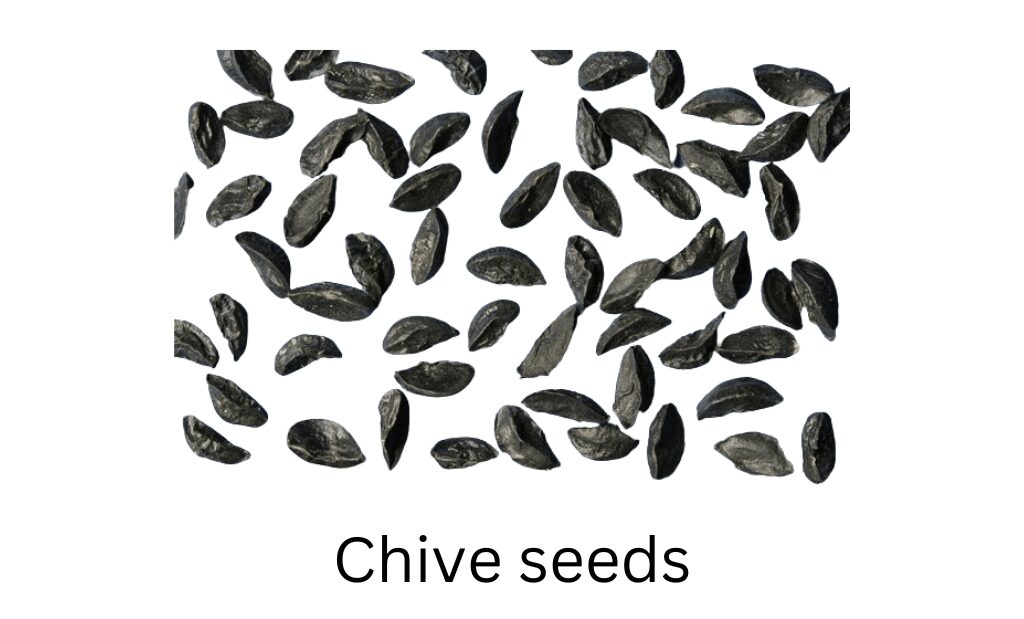
Growing chives from seed is a cost-effective way to start your indoor herb garden. Here’s how you can do it:
- Choose the Right Container: Chives have shallow roots, so they don’t require a deep pot. A container that is 6-8 inches deep and has good drainage is ideal. If you're not sure which pots are best, we have a guide on choosing the right containers for indoor gardening.
- Prepare the Soil: Chives prefer well-draining soil that is rich in organic matter. You can use a standard potting mix and add compost or well-rotted manure to enrich it.
- Sow the Seeds: Sprinkle the chive seeds over the soil surface and cover them lightly with a thin layer of soil. Chive seeds are small, so you don’t need to plant them deep.
- Watering: After planting, water the soil gently to moisten it. Keep the soil consistently moist but not waterlogged.
- Provide Light: Chives need plenty of light to grow well. Place the pot in a sunny spot where it can get at least 6-8 hours of sunlight each day. If natural light is insufficient, consider using a grow light.
- Germination: Chive seeds typically germinate within 14-21 days. Be patient and keep the soil moist during this period.
Short on time? Watch this quick video to see the 3-step seed sowing process in action. It’s the fastest way to master the 'Pencil-Tip' depth trick and ensure 100% germination every single time.
If you're curious about other easy-to-grow herbs to grow in your home, check out our guide to beginner-friendly herbs that thrive indoors.
Method B: The "Free Plant" Hack—Growing from Cuttings
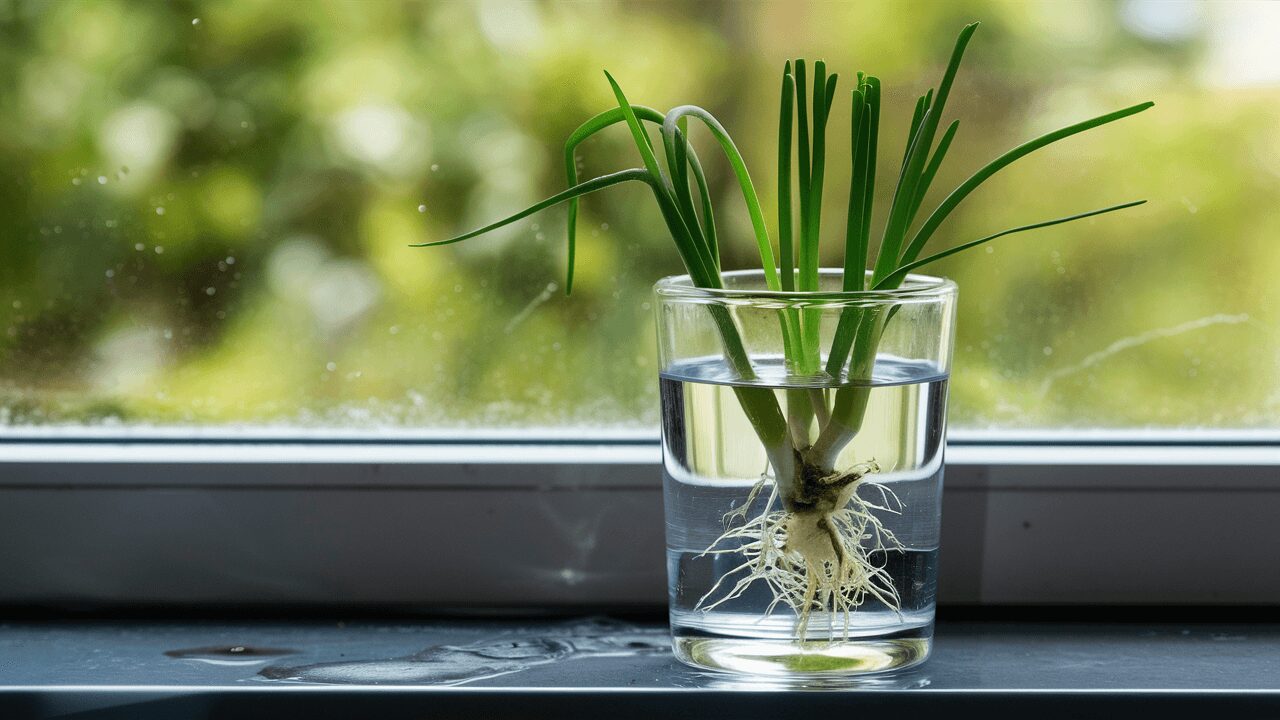
If you already have a mature chive plant, you can propagate it by taking cuttings. This method is quicker than growing from seeds and ensures you get an exact clone of the parent plant.
- Choose Healthy Stalks: Select a healthy, mature chive plant and cut a few stalks that are at least 4-6 inches long.
- Prepare the Cuttings: Trim the stalks and remove any flowers or buds. You want to focus the plant’s energy on rooting, not flowering.
- Place in Water: Put the cuttings in a glass of water, making sure the cut ends are submerged. Place the glass in a bright spot but out of direct sunlight.
- Change the Water Regularly: To prevent the cuttings from rotting, change the water every few days. You should see roots forming within a week or two.
- Planting the Cuttings: Once the roots are a few inches long, you can transfer the cuttings to a pot filled with soil. Plant them at the same depth they were in the water and water them well. For more on propagating herbs, see our guide on how to grow Parsely and Basil herbs from cuttings.
Method C: The Soil-Free Way—Hydroponics & Water Growing
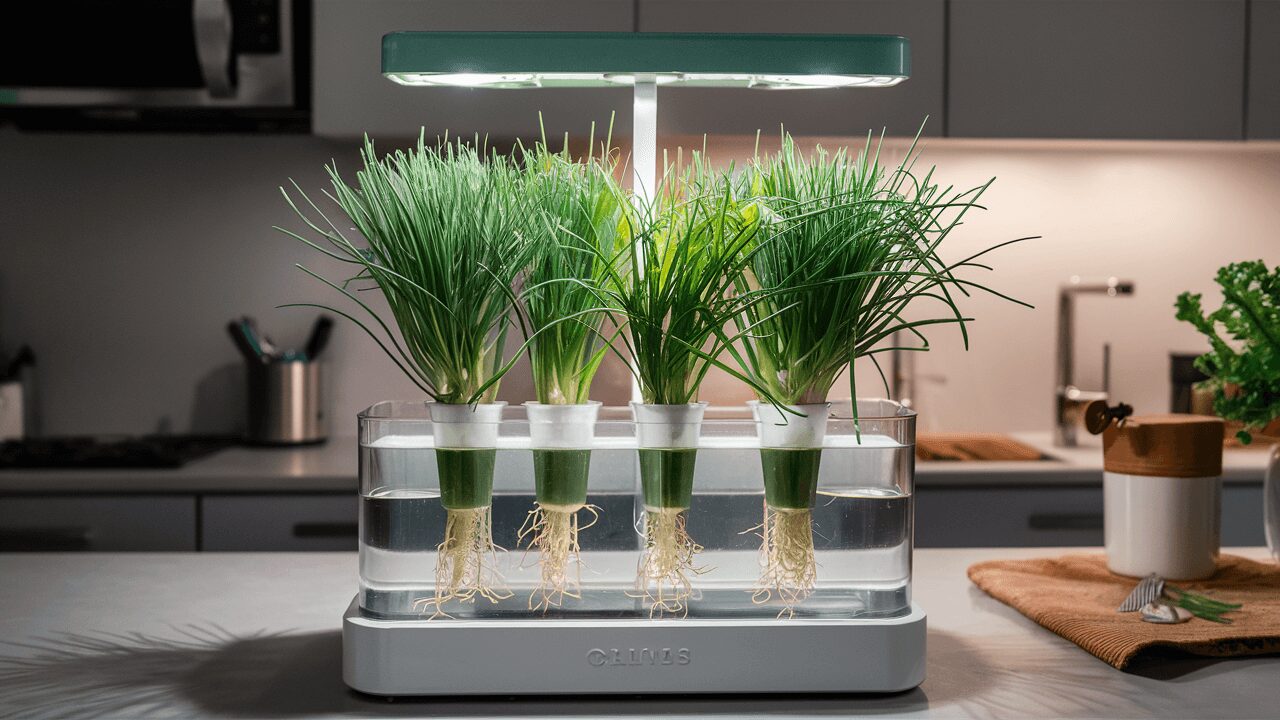
If you’re looking for a soil-free method to grow chives indoors, hydroponics is a great option. Hydroponics involves growing plants in water, using a nutrient solution to provide the necessary minerals.
- Set Up Your Hydroponic System: You can purchase a hydroponic kit or make your own using a container, a water pump, and a nutrient solution.
- Prepare the Chive Cuttings: As mentioned earlier, take cuttings from a mature chive plant and allow them to root in water.
- Transplant to Hydroponic System: Once the roots are established, transfer the chive cuttings to your hydroponic system. The roots should be submerged in the nutrient solution. Check out our hydroponics for beginners article for more details on getting started.
- Light Requirements: Chives grown hydroponically still need plenty of light. Ensure they receive 12-16 hours of light each day. Grow lights are particularly useful for this purpose.
- Maintain the System: Regularly check the water levels and nutrient concentration in your hydroponic system. Keep the environment clean to prevent algae growth and other issues.
Congrats—your chives have officially moved in! But don't just set them on the windowsill and walk away. To keep them from turning into yellow, wilting drama queens, you need to master the indoor 'Big Three': Light, Water, and Drainage. Here’s the secret to keeping them happy in a pot.


The Secret to Professional Indoor Care
Pots, Soil, and the "Drainage" Rule
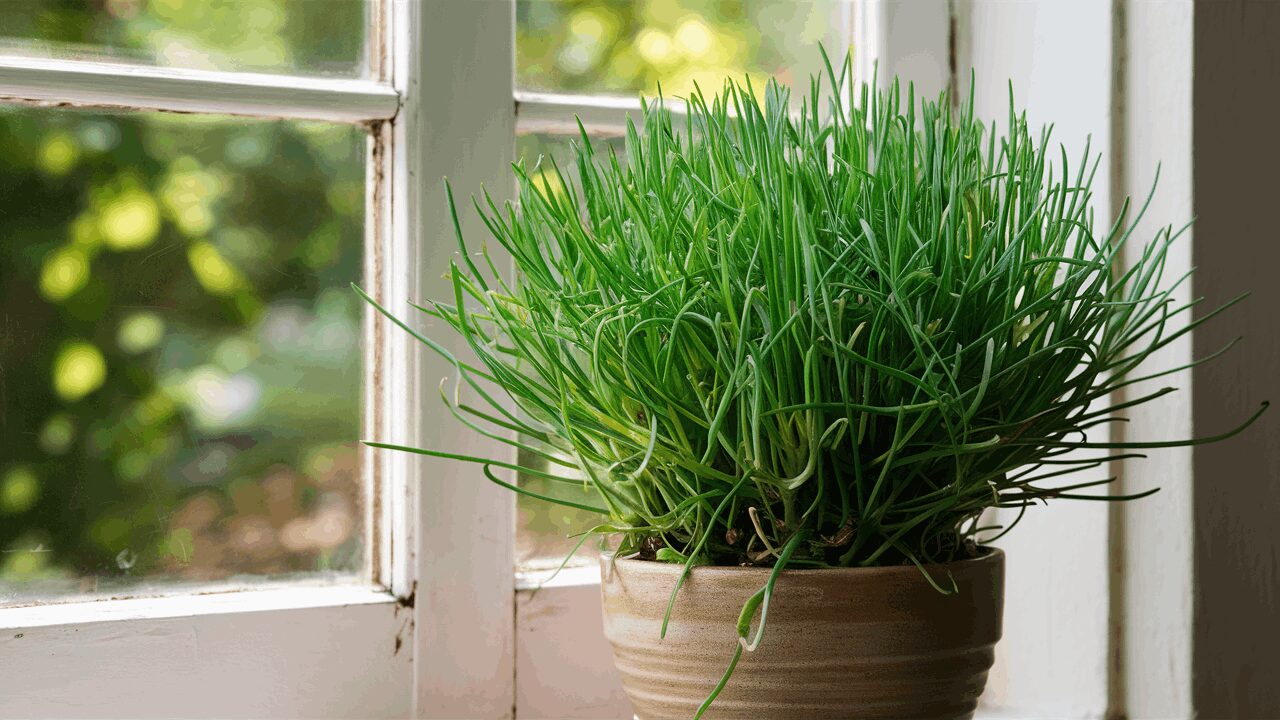
Chives thrive in pots and containers, making them perfect for indoor growing. Here are some tips for success:
- Choose the Right Pot: A pot that is 6-8 inches deep with good drainage holes is ideal. Terracotta pots are a good choice because they allow excess moisture to evaporate, preventing root rot. You might also be interested in our guide to the best pots for indoor herbs.
- Use Quality Potting Mix: A well-draining potting mix enriched with organic matter will give your chives the nutrients they need.
- Watering: Water your chives regularly, but avoid overwatering. The soil should be moist but not soggy.
- Fertilizing: Feed your chives with a balanced liquid fertilizer every 4-6 weeks to encourage healthy growth.
- Light: Place the pots in a location where they can receive plenty of sunlight. A south-facing window is ideal.
Advanced Care: Pruning and Seasonal Shifts
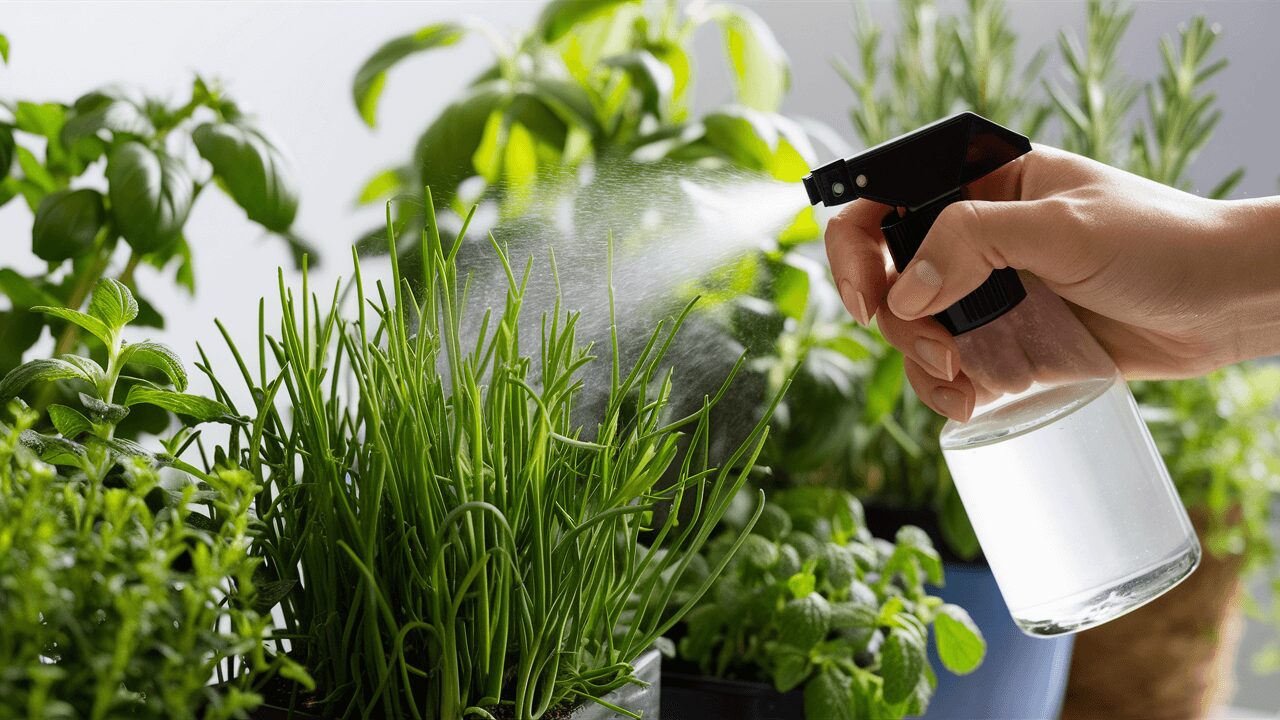
Once your chives are established, caring for them is relatively simple. Here’s what you need to keep in mind:
- Pruning: Regularly trim your chives to promote bushier growth. Harvest by cutting the leaves about 2 inches from the base. This encourages new growth and prevents the plant from becoming too leggy.
- Pest Control: While chives are relatively pest-resistant, they can occasionally attract aphids or spider mites. If you notice any pests, treat the plants with a mild insecticidal soap or neem oil.
- Rotate Pots: If you’re growing chives in several pots, rotate them regularly to ensure even light distribution and prevent the plants from leaning towards the light.
- Winter Care: Chives are hardy, but they can benefit from some extra care in the winter. If your indoor space is particularly cold, consider moving the plants to a warmer spot or providing additional light.
Your kitchen is starting to smell amazing, isn't it? But here’s the thing: if you harvest chives the wrong way, you can actually kill the plant. Don't just hack at the tops! Let’s walk through the 'Base-Cut' method so your chives keep regrowing forever.
Harvesting & Enjoying Your Kitchen Bounty
The "6-Inch" Rule: When and How to Harvest
Chives are ready to harvest when they reach about 6 inches in height. Here’s how to do it:
- Use Sharp Scissors: Use clean, sharp scissors to cut the leaves. This prevents damage to the plant.
- Cut from the Base: Cut the leaves about 2 inches from the base of the plant. Avoid cutting more than one-third of the plant at a time to ensure it continues to grow.
- Store Fresh Chives: Freshly harvested chives can be stored in the refrigerator for up to a week. Wrap them in a damp paper towel and place them in a plastic bag.
- Preserve for Later Use: If you have an abundance of chives, you can dry or freeze them for later use. Dried chives retain their flavor well and are a handy addition to your spice cabinet.
Beyond Potatoes: Creative Culinary Uses
Now that you have a healthy supply of chives, it’s time to put them to good use! Chives are incredibly versatile and can be used in a variety of dishes:
- Salads: Fresh chives add a mild onion flavor to salads. Sprinkle them over greens, potato salads, or pasta salads for a burst of freshness.
- Soups: Stir chopped chives into soups just before serving to retain their flavor and vibrant color. They pair well with creamy soups like potato or tomato bisque.
- Baked Potatoes: A classic use for chives is as a garnish on baked potatoes. Mix them with sour cream or butter for a simple yet delicious topping.
- Egg Dishes: Chives are a perfect match for eggs. Add them to scrambled eggs, omelets, or quiches for a pop of flavor.
- Herb Butters: Create herb-infused butter by mixing chopped chives with softened butter. This makes a great spread for bread or a topping for grilled meats and vegetables.
The "Herb Roommates": Companion Planting Indoors
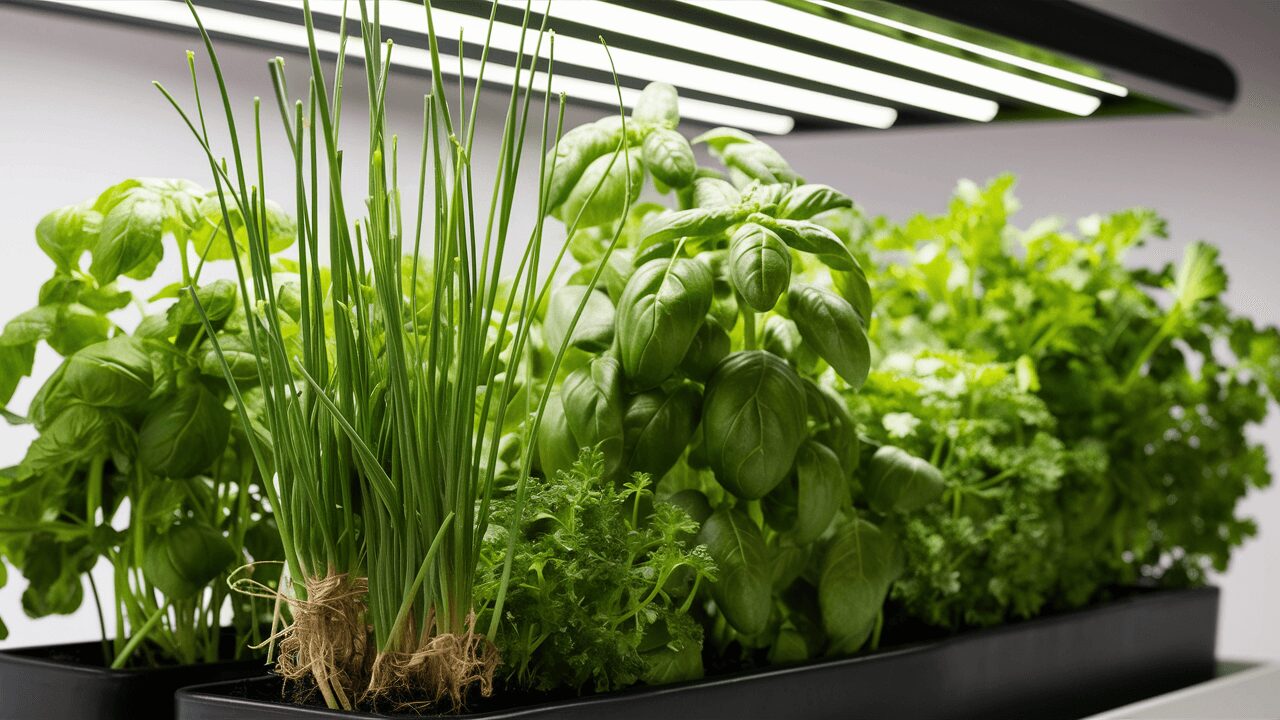
If you’ve enjoyed growing chives indoors, you might want to expand your indoor herb garden. Here are a few herbs that pair well with chives and are also easy to grow indoors:
- Basil: Basil thrives in warm, sunny spots and pairs beautifully with chives in many dishes. For tips on growing basil, see our basil growing guide.
- Parsley: Another versatile herb, parsley grows well indoors and complements the mild flavor of chives.
- Mint: Mint is a hardy herb that can be grown indoors in containers. Its fresh, cool flavor contrasts nicely with chives. Explore more about growing mint in our guide to growing mint indoors.
- Thyme: This low-maintenance herb is perfect for indoor gardening and can be used in a variety of culinary applications. Learn more about thyme in our herb spotlight on thyme.
"Is your plant acting like a bit of a drama queen? Don’t panic. Whether you’re staring at yellow tips or stalks that just won't grow, 90% of indoor chive issues come down to three simple things: light, water, or 'feet' that are too wet. Think of this section as your Chive Doctor Checklist—we’re going to diagnose the problem and get your windowsill garden back to its lush, green self in under five minutes."
Common Chives Problems and Easy Fix:
Even though Chives are relatively low-maintenance, but like any plant, they can encounter a few issues when grown indoors. Here’s how to identify and address common problems:
Why are my indoor chive leaves turning yellow?
The "Finger-Dip" Test: Yellow tips are usually a cry for help from drowning roots. Before you grab the watering can, poke your finger two inches into the soil. If it feels like a wrung-out sponge, you’re golden; if it feels muddy, stop. Let the soil dry out until the top inch is crusty, then trim the yellow bits away—chives are incredibly resilient and will push out fresh, emerald-green growth once their "feet" aren't soaking wet anymore.
How to fix "floppy" or leggy chive stalks
The "Haircut" Hack: If your chives look like thin, floppy spaghetti instead of strong upright stalks, they’re begging for light! Move them to your brightest south-facing window, then give them a bold "renewal haircut" by clipping the top two inches off. This forces the plant to stop stretching for the sun and start strengthening its base—you’ll see thicker, sturdier regrowth in less than a week.
Why are pests attacking my chives?
- Problem: While chives are generally pest-resistant, they can sometimes attract aphids, spider mites, or fungus gnats.
- Solution: Inspect your plants regularly and treat any infestations early with insecticidal soap or neem oil.
My chives aren't growing—what am I doing wrong?
- Problem: If your chives aren’t growing as quickly as expected, it could be due to low light, inadequate nutrients, or improper watering.
- Solution: Ensure your plants are receiving enough light and nutrients, and check your watering routine.
Final Thoughts
Growing chives indoors is the ultimate 'low-effort, high-reward' garden win. Once you taste that first snip of fresh herb on your morning eggs, you'll never go back to the store-bought stuff. With the right conditions and care, you can enjoy fresh chives year-round, adding a touch of green to your space and a burst of flavor to your meals.
Which variety are you starting with—Common or Garlic? Let me know in the comments!”
Still a little nervous about propagating those cuttings? Don't be! Check out this video on how to divide and propagate chives with ease.
And if you got some energy, consider adding more herbs to your collection or exploring other indoor gardening tips.
Happy gardening!
Common Questions About Growing Chives Indoors
Do chives regrow after cutting?
Yes, chives are known for their ability to regrow after cutting. When you harvest chives, make sure to cut the leaves about 2 inches above the soil. This will allow the plant to continue producing new leaves. Regular harvesting actually encourages the plant to grow more, making chives a great perennial herb for indoor gardening.
Can chives be grown indoors year-round?
Yes, chives can be grown indoors all year-round. As long as they receive enough light—whether natural or supplemented with grow lights—chives will continue to thrive indoors. Maintaining proper watering and ensuring they have a well-draining soil will also contribute to their year-round growth.
How to keep potted chives alive?
To keep potted chives alive, ensure they get plenty of sunlight—ideally 6-8 hours a day. Use a well-draining potting mix and avoid overwatering by letting the soil dry slightly between waterings. Regularly trim the leaves to promote new growth and prevent the plant from becoming too leggy. Feeding with a balanced liquid fertilizer every 4-6 weeks will also help maintain the plant's health.
How often should I water indoor chives?
Indoor chives should be watered when the top inch of the soil feels dry to the touch. On average, this might be once or twice a week, depending on the humidity and temperature of your indoor environment. Be careful not to overwater, as chives prefer slightly moist soil but can suffer from root rot if the soil is too wet.
Can you grow chives indoors all year-round?
Yes, you can grow chives indoors all year-round. With consistent care, including proper lighting and watering, chives will continue to produce fresh leaves throughout the year, even in winter months.
Last Updated on March 20, 2026 by Austine