
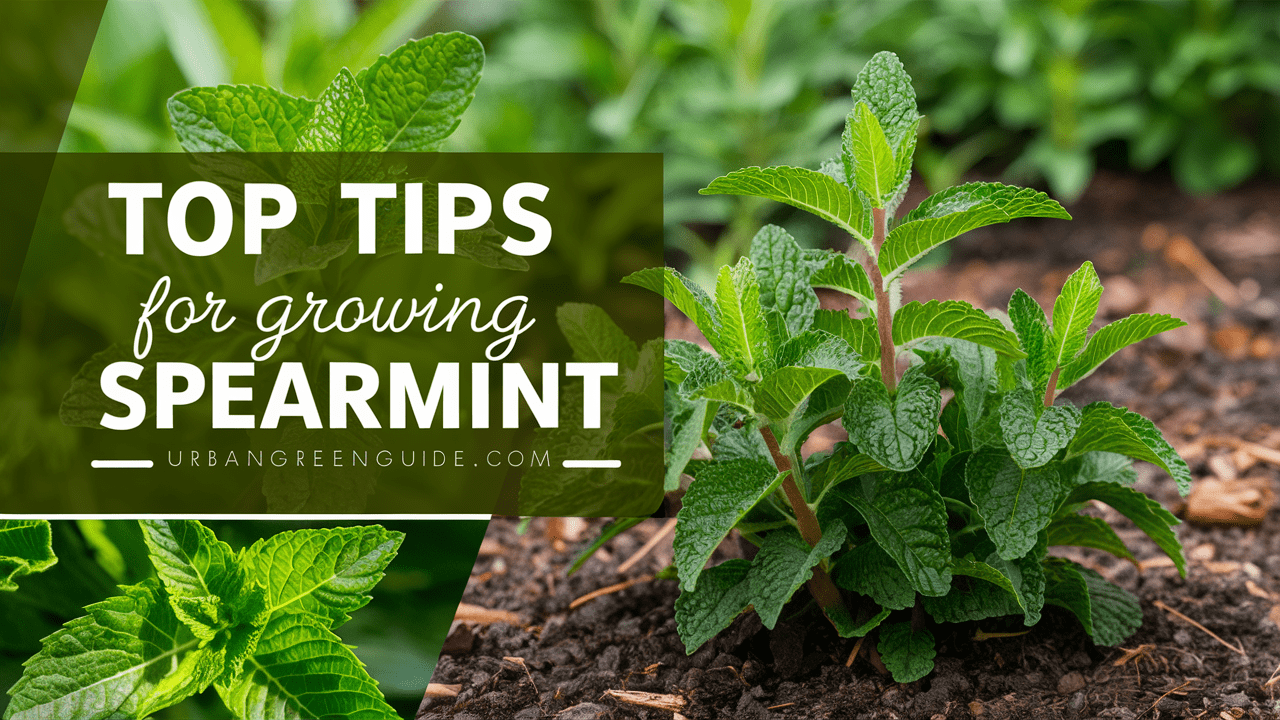
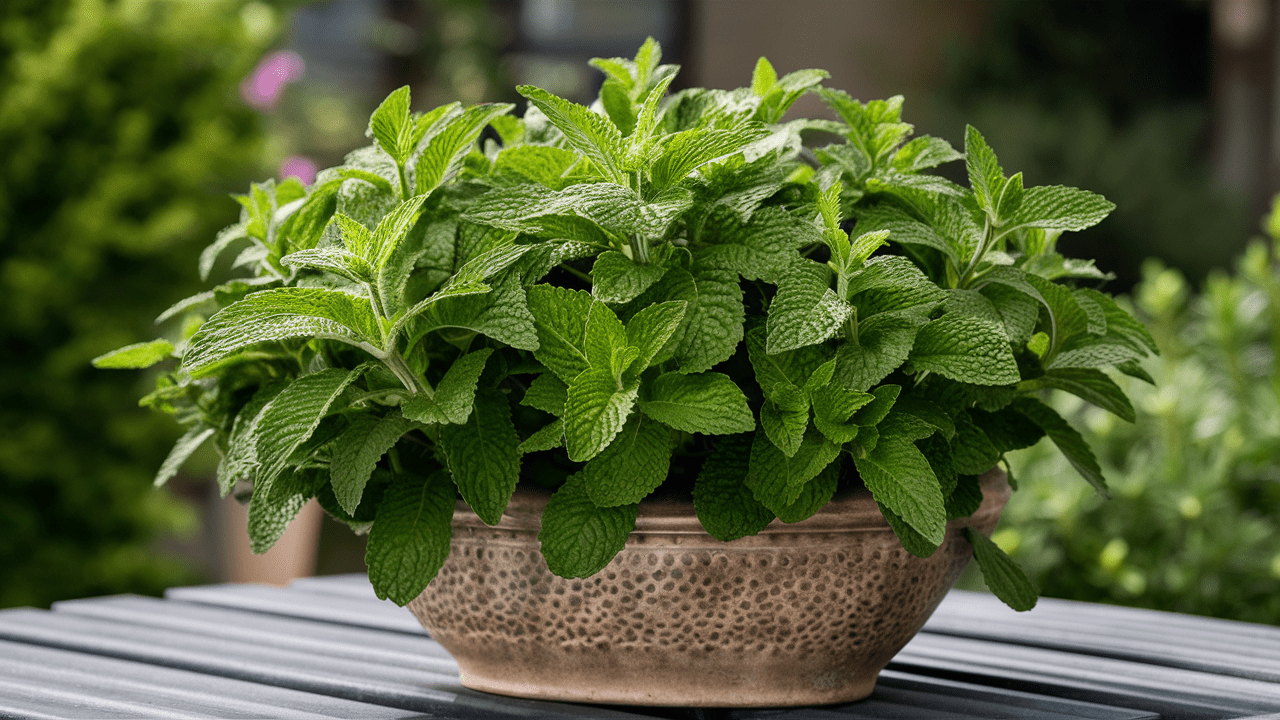
Spearmint plant is like the cool, easy-going friend of the herb garden. It's super low-maintenance and pretty forgiving, which makes it perfect for both beginners and seasoned gardeners. Plus, it smells amazing and can add a fresh kick to your drinks and dishes.
One of the best things about Spearmint is its versatility. You can grow it in the ground, in pots, or even in hanging baskets.
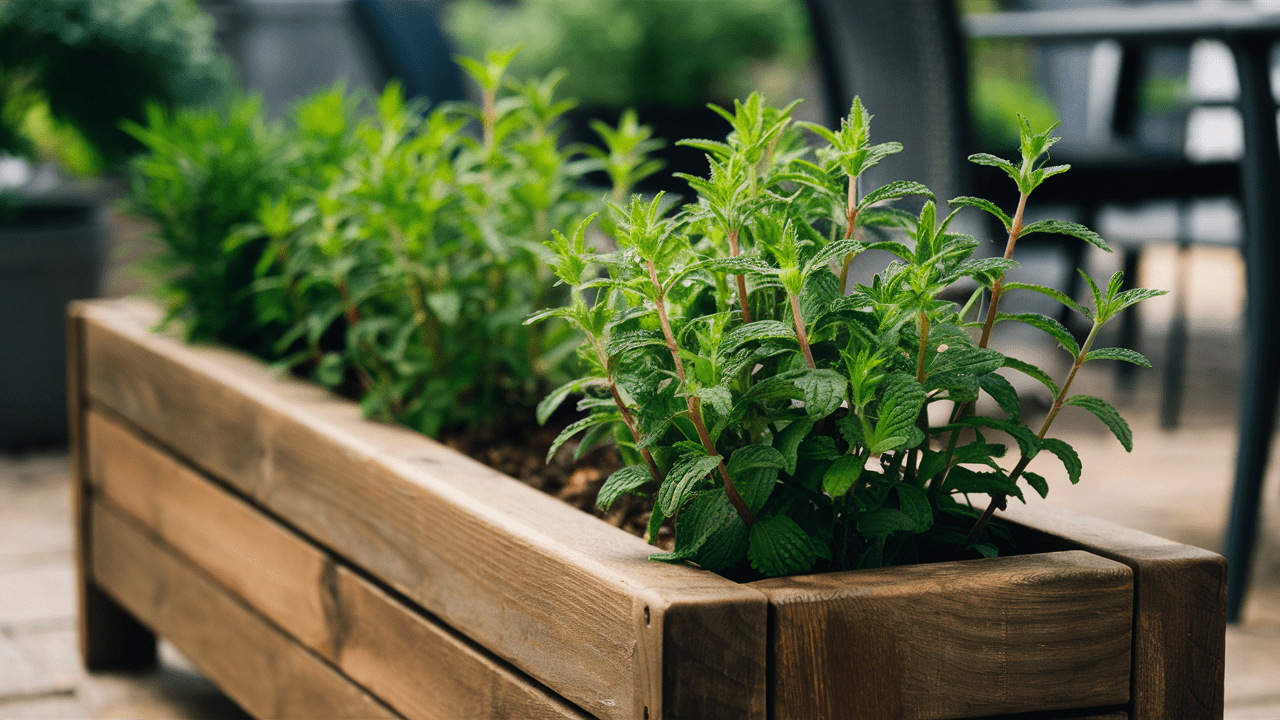
Just remember, it's a bit of a wanderer, so if you're planting it in the garden, consider using a container to keep it from taking over your space.
Spearmint, with its bright green leaves and invigorating fragrance, is more than just a plant—it's an experience.
What is Spearmint?
Spearmint (Mentha spicata) is a perennial herb known for its aromatic leaves and versatility in culinary and medicinal uses.
It's a member of the mint family, Lamiaceae, and is related to peppermint, though they have distinct differences. Spearmint is widely used in teas, desserts, and even some savory dishes, making it a popular choice for herb gardens around the world.
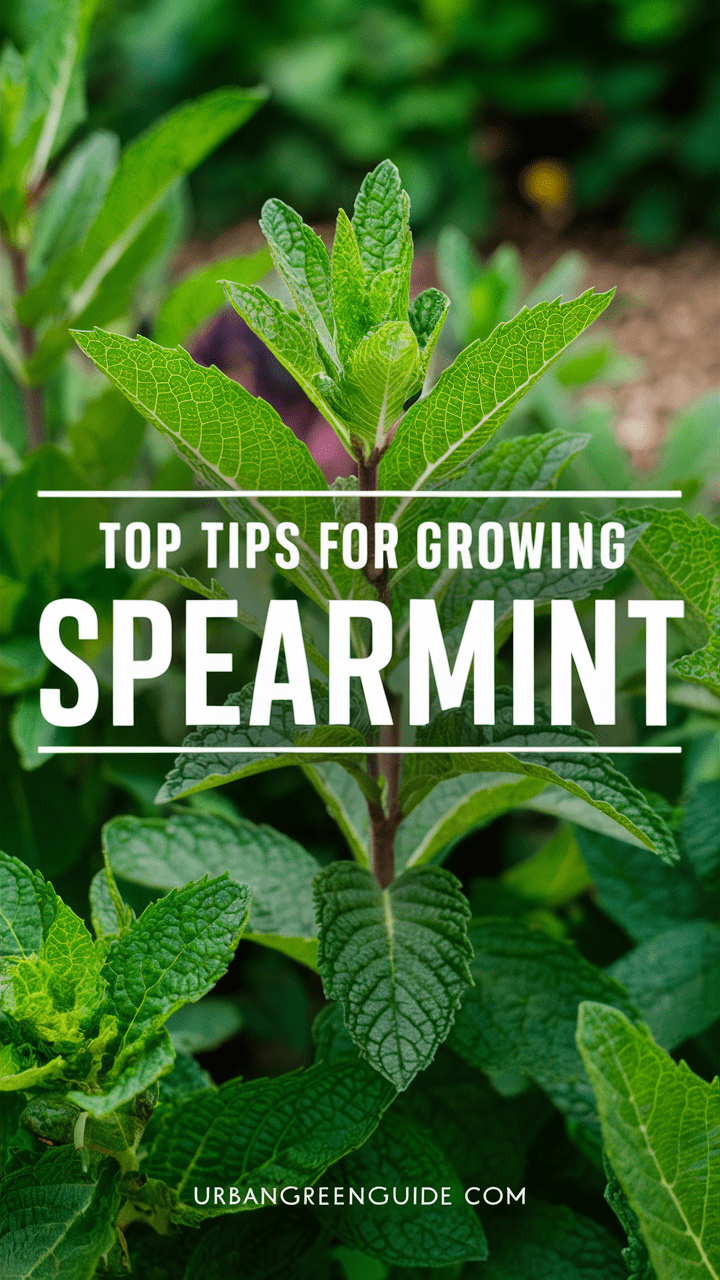
Botanical Name: Mentha spicata |
Common Name: Spearmint |
Climate Zone: 3-11 |
Plant Type: Herbaceous perennial |
Plant Family: Lamiaceae (Mint family) |
USDA Hardiness Zone: 4-9 |
Season of Interest: Summer (that's when it blooms!) |
Sun Exposure: Full sun to partial shade (it's pretty flexible!) |
Soil Type: Rich, well-drained soil |
Soil pH: Slightly acidic to neutral (6.0 to 7.0) |
Soil Drainage: Moist but well-drained (nobody likes soggy feet!) |
Height: 1-2 feet |
Spacing: 1-2 feet apart (give them some elbow room!) |
Spread: Can spread up to 3 feet or more (it loves to wander) |
Water Needs: Moderate (keep it damp but not drowning) |
Maintenance: Low (easy peasy!) |
Why Grow Spearmint?
Growing spearmint can be incredibly rewarding. Not only does it add a delightful fragrance to your garden, but it's also relatively easy to care for. Whether you're a seasoned gardener or just starting, spearmint is a great addition to any garden. Plus, the leaves can be used in various ways, from freshening your breath to adding flavor to your favorite recipes.
Spearmint Plant Care
Caring for spearmint plants can be easy and rewarding, but sometimes seeing is believing. That's why I've found an excellent video that walks you through every step of the process.
Click below to watch this must-see guide and enjoy the process!
Click to play
Timing
When it comes to growing spearmint, timing is crucial. The best time to plant spearmint is in the spring after the last frost. This gives the plant plenty of time to establish itself before the summer heat kicks in. If you're starting from seeds, you can plant them indoors a few weeks before the last expected frost date and then transplant the seedlings outside.
Starting Your Spearmint Plant
Starting spearmint can be done in two main ways: from seeds or cuttings.
From Seeds
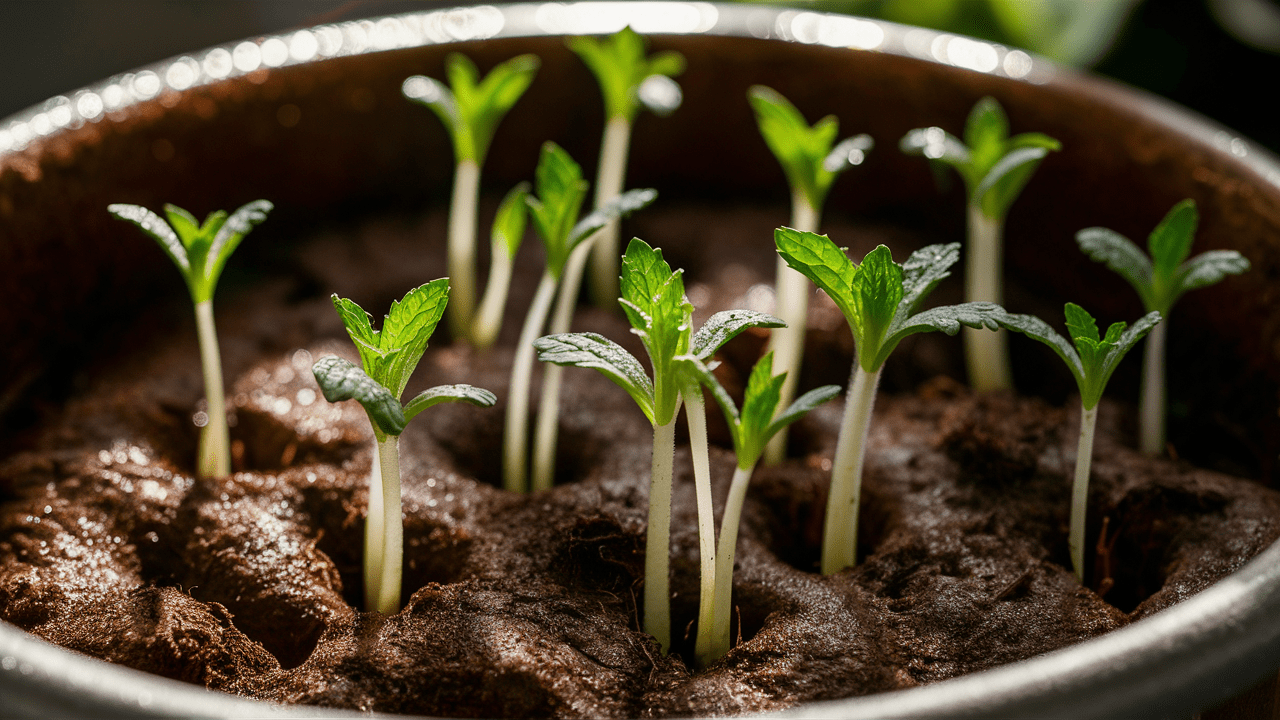
Starting spearmint from seeds is straightforward. Plant the seeds about 1/4 inch deep in moist soil. Keep the soil consistently moist until the seeds germinate, which usually takes about 10-15 days. Once the seedlings are big enough to handle, thin them out or transplant them to their final location.
From Cuttings
Growing mint from cuttings can be easy and rewarding, but sometimes seeing is believing. That's why I've found an excellent video that walks you through every step of the process.
Click below to watch this must-see guide and enjoy the process!
Click to play
Starting spearmint from cuttings is even easier. Simply take a cutting from a healthy spearmint plant, remove the lower leaves, and place it in water or directly in soil. If using water, wait for roots to develop before transplanting. This method is faster and ensures you get an identical clone of the parent plant.
Growing Spearmint
Spearmint prefers full sun to partial shade and thrives in well-drained soil. It can grow in various soil types, but rich, moist soil will yield the best results. Water your spearmint regularly, but be careful not to overwater as this can lead to root rot. Adding mulch around the base of the plant can help retain moisture and keep the roots cool.
Harvesting Spearmint
Harvesting spearmint is one of the most enjoyable parts of growing this plant. You can start harvesting once the plant has enough mature leaves. Simply pinch off the top leaves and stems to encourage bushier growth. Regular harvesting not only provides you with fresh spearmint but also helps keep the plant healthy.
Pro Tip: Spearmint loves water, but it's not a fan of being waterlogged. Think of it as a happy medium – keep the soil damp, but make sure it drains well. Nobody wants root rot, right?
Additional Care
Toxicity
Good news! Spearmint is not toxic to humans or pets, making it a safe addition to your home or garden. However, it's always a good idea to use any plant in moderation, especially with pets.
Repotting
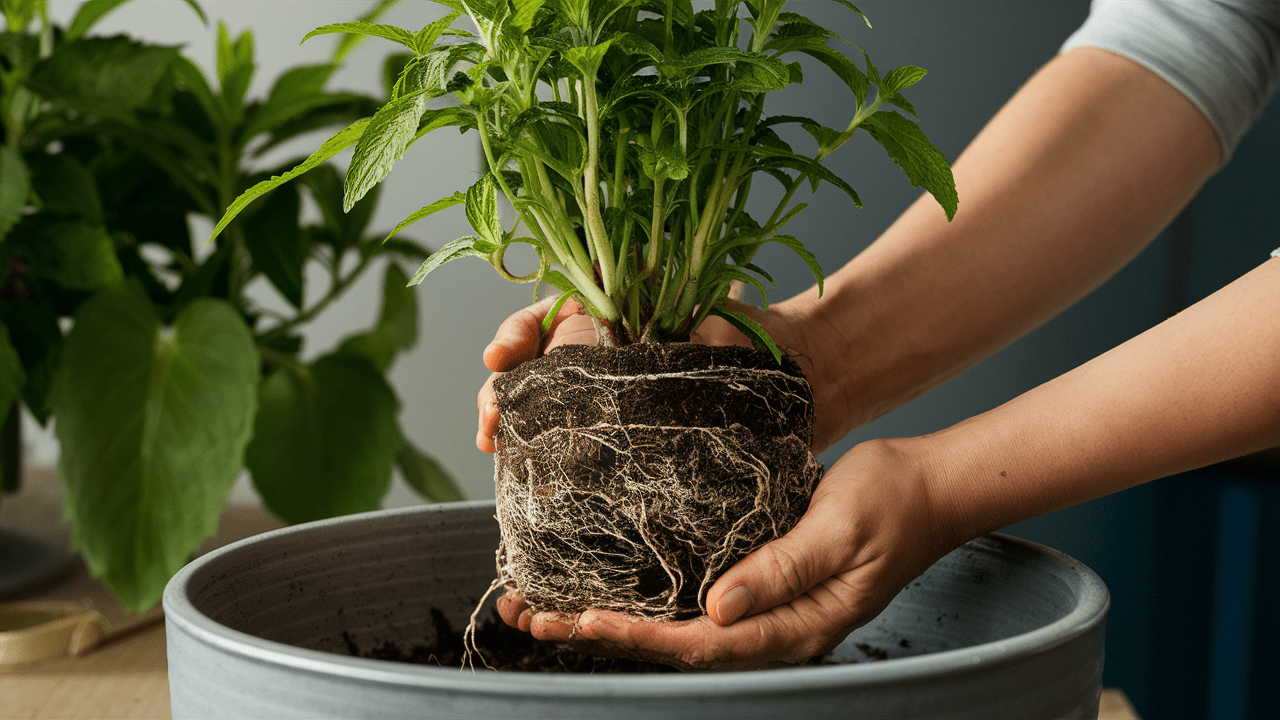
If you're growing spearmint in a container, you'll need to repot it every couple of years. Spearmint can become root-bound, and repotting gives it more space to grow. Choose a slightly larger pot and fresh soil to give your plant a new lease on life.
Seeding
Spearmint can spread rapidly by seeds, so if you want to control its growth, it's best to remove the flowers before they go to seed. Alternatively, you can allow some flowers to seed if you want more plants.
Pruning
Pruning is essential to keep your spearmint plant healthy and productive. Regularly trim back the stems to promote bushier growth and prevent the plant from becoming leggy. Pruning also helps control the plant's size and shape.
Feeding
While spearmint isn't a heavy feeder, it benefits from occasional feeding. Use a balanced, water-soluble fertilizer once a month during the growing season to provide essential nutrients.
Soil
Spearmint thrives in well-drained soil rich in organic matter. Adding compost to the soil before planting can improve its fertility and structure, ensuring your spearmint plant has everything it needs to grow robustly.
Spearmint Pest Control
Spearmint, like many herbs, can be susceptible to a variety of pests. The most common pests include aphids, spider mites, whiteflies, and mint rust. Knowing how to identify and treat these pests is crucial to maintaining healthy spearmint plants.
Identifying Pest Problems
- Aphids: Small, soft-bodied insects that cluster on new growth. They can cause yellowing and curling of leaves.
- Spider Mites: Tiny, spider-like pests that leave fine webbing on the underside of leaves. They cause speckled discoloration.
- Whiteflies: Small, white insects that fly up when the plant is disturbed. They cause yellowing and wilting.
- Mint Rust: Fungal disease causing orange or yellow spots on the leaves.
Organic Control Methods
Neem Oil
Neem oil is an effective, organic pesticide that can help control a variety of pests.
- How to Use: Mix 1-2 tablespoons of neem oil with a gallon of water and a few drops of dish soap. Spray the mixture on the affected plants, ensuring to cover the undersides of the leaves.
- Frequency: Apply every 7-10 days until the pest problem is under control.
Insecticidal Soap
Insecticidal soap is another organic option that targets soft-bodied insects like aphids and spider mites.
- How to Use: Follow the instructions on the product label to mix the soap solution. Spray it directly on the pests and affected areas.
- Frequency: Reapply every 5-7 days as needed.
Companion Planting
Certain plants can help deter pests when planted near spearmint. Examples: Planting garlic, onions, or chives near your spearmint can repel aphids and spider mites.
Physical Control Methods
Manual Removal
For small infestations, manually removing pests can be effective.
- How to Do It: Use a strong stream of water to knock off aphids and whiteflies. You can also use a cotton swab dipped in rubbing alcohol to remove pests from the leaves.
Pruning
Pruning affected areas can help stop the spread of pests.
- How to Do It: Cut off heavily infested or diseased leaves and stems. Dispose of them away from your garden to prevent the pests from spreading.
Preventive Measures
- Regular Inspection: Regularly inspect your spearmint plants for early signs of pest problems. Early detection can prevent a minor issue from becoming a major infestation.
- Healthy Soil: Healthy plants are less susceptible to pests. Ensure your spearmint is planted in well-drained, nutrient-rich soil.
- Proper Watering: Avoid overwatering, as excessive moisture can attract pests and lead to fungal diseases. Water the plants at the base to keep the leaves dry.
By using these strategies, you can keep your spearmint plants healthy and pest-free, ensuring a bountiful harvest of fresh, aromatic leaves.
Spearmint vs. Peppermint
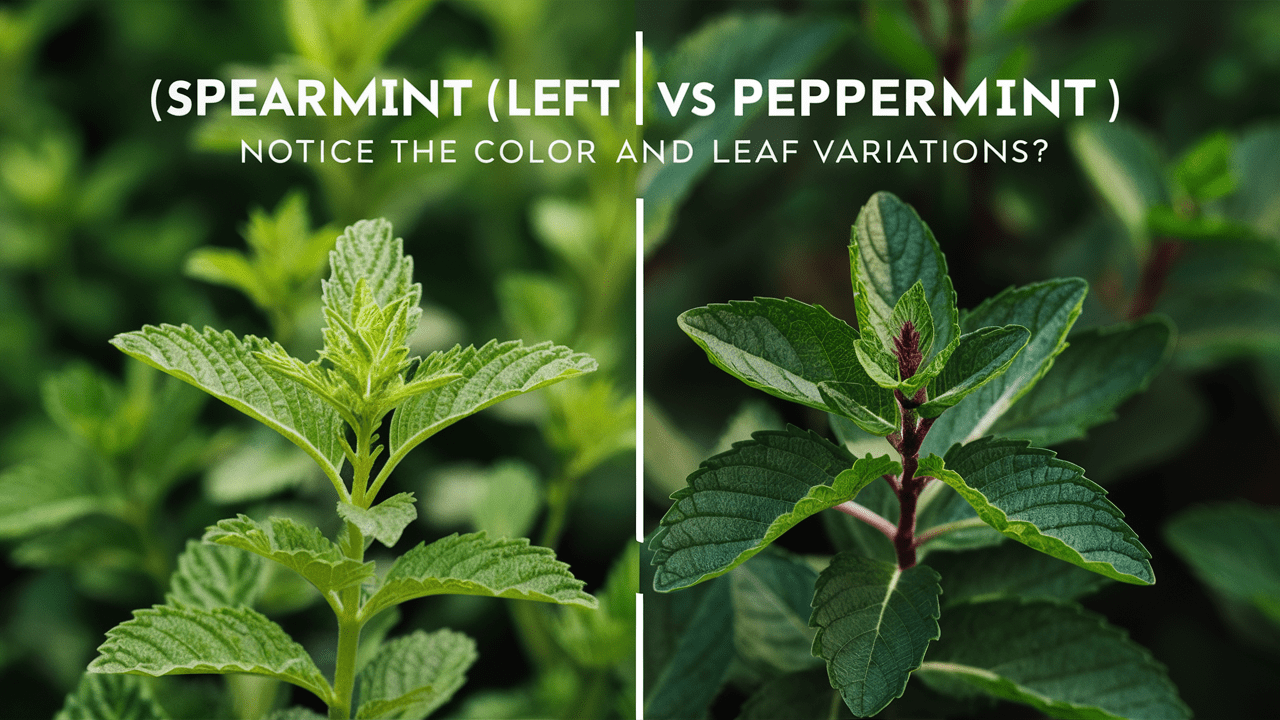
You might be wondering, "Is mint and spearmint the same thing?" While they are related, spearmint and peppermint have distinct differences.
Spearmint has a milder, sweeter flavor, while peppermint contains higher menthol levels, giving it a stronger, more intense taste. These differences make spearmint better suited for dishes where a subtle mint flavor is desired.
Spearmint Companion Plants
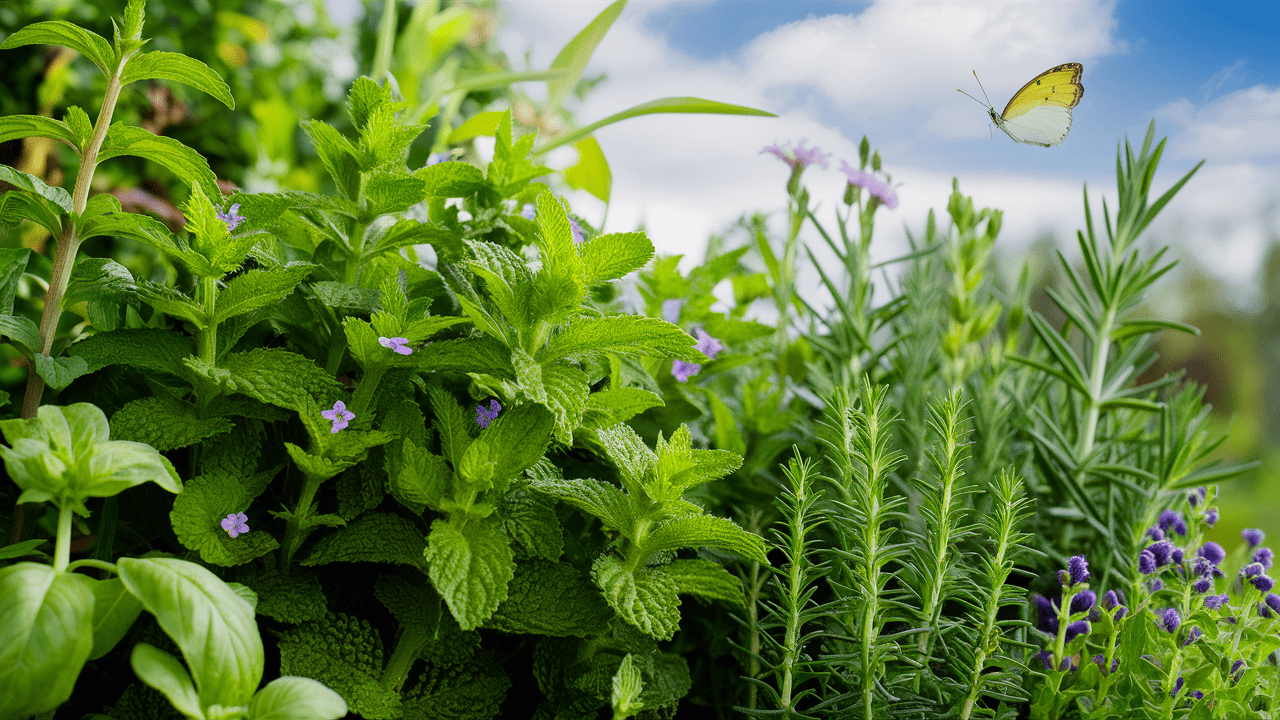
Spearmint isn't just a solo star – it plays well with others too. Here are some great companion plants to pair with your Spearmint:
- Tomatoes – They make a great team! Spearmint helps deter pests like aphids and flea beetles from your tomatoes. Plus, you'll have fresh mint for tomato salads. Yum!
- Cabbage – Spearmint helps keep cabbage moths at bay. Your cabbages will thank you!
- Carrots – Spearmint can improve the flavor of your carrots. Who knew, right?
- Peas – Planting Spearmint near peas can help repel pests that bother peas. It's a win-win!
- Broccoli – Spearmint's strong scent confuses pests that are after your broccoli.
- Kale – Just like with broccoli, Spearmint helps protect kale from pests.
- Marigolds – These flowers add color and help repel a variety of pests, making them great companions for Spearmint.
What Are Spearmint Plants Good For?
Spearmint plants have a wide range of uses. Here are a few ways you can use spearmint:
Culinary Uses
- Teas: Spearmint tea is refreshing and soothing, perfect for a relaxing evening.
- Desserts: Add spearmint to ice creams, sorbets, and baked goods for a fresh twist.
- Savory Dishes: Use spearmint in salads, sauces, and marinades for an unexpected flavor boost.
Medicinal Uses
- Digestive Aid: Spearmint is known for its ability to soothe an upset stomach and improve digestion.
- Breath Freshener: Chewing on spearmint leaves can freshen your breath naturally.
- Headache Relief: The aroma of spearmint can help relieve headaches and migraines.
Household Uses
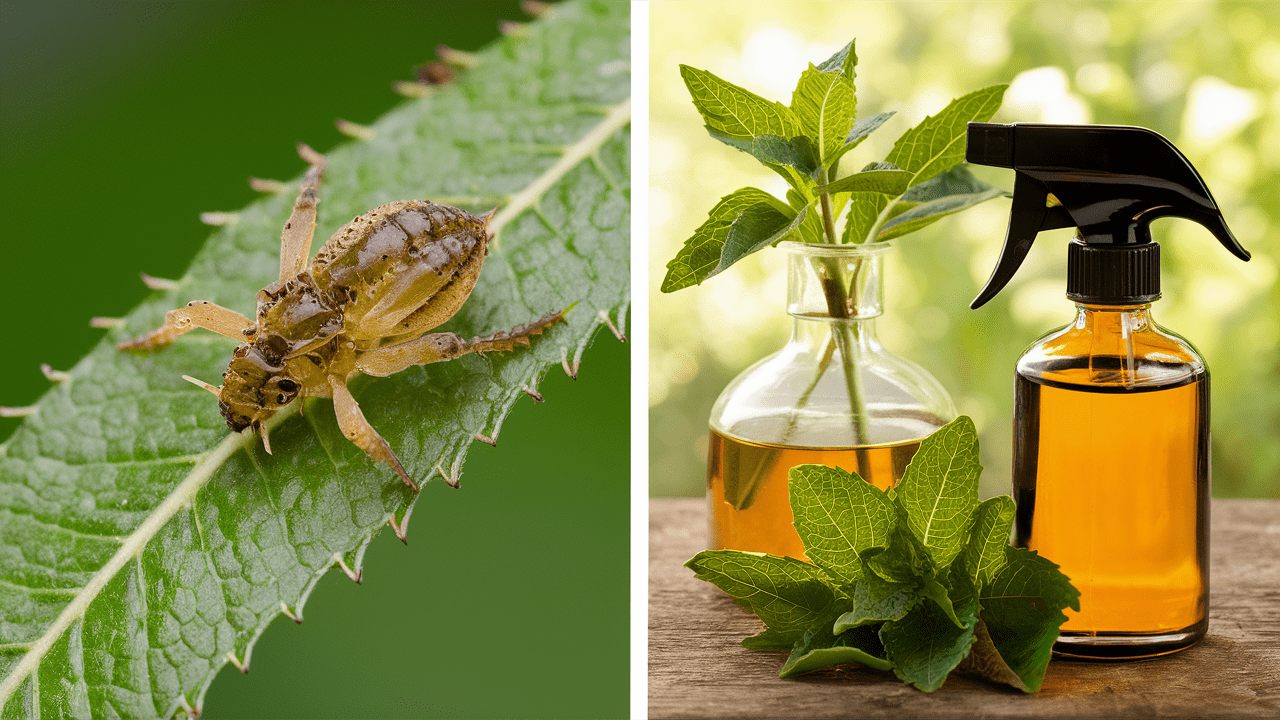
- Natural Pest Repellent: Spearmint can help keep pests like ants and mosquitoes at bay.
- Aromatherapy: Use spearmint in diffusers or make your own essential oil for a refreshing scent.
Spearmint Plant Benefits
Spearmint has numerous health benefits. It's rich in vitamins and antioxidants, which can help boost your immune system and improve overall health.
The menthol in spearmint also has a soothing effect on the digestive system, making it a popular remedy for indigestion and nausea. Further reading on spearmint benefits, please check Healthline – 11 surprising Spearmint Benefits
Spearmint Plant Perennial Nature
As a perennial, spearmint offers the advantage of coming back year after year with minimal effort. Once established, it requires little maintenance and can provide a continuous supply of fresh leaves for many years.
Spearmint Plant Size
Spearmint plants typically grow to about 12-24 inches tall, but they can spread widely if not controlled. Regular pruning can help manage their size and encourage bushier growth.
FAQs
Does Spearmint Like Sun or Shade?
Spearmint prefers full sun to partial shade. While it can tolerate some shade, it will grow best with at least 4-6 hours of sunlight each day. If you're growing spearmint indoors, place it near a sunny window.
Does Spearmint Come Back Every Year?
Yes, spearmint is a perennial plant, meaning it will come back year after year. In colder climates, it may die back in winter, but it will regrow from its roots in the spring.
Is Mint and Spearmint the Same Thing?
Mint is a general term that includes various species of the Mentha genus, including spearmint and peppermint. While they share some similarities, each has its unique flavor and characteristics.
Is Spearmint an Indoor or Outdoor Plant?
Spearmint can be grown both indoors and outdoors. When growing indoors, ensure it gets enough light and water. Outdoors, it can thrive in gardens, pots, or even as a ground cover.
Is Spearmint Plant Invasive?
One thing to note about spearmint is its tendency to spread. Spearmint can be invasive if not properly managed. To prevent it from taking over your garden, consider planting it in a container or using barriers to contain its roots.
Final Thoughts
Growing Spearmint is almost like having a magical plant in your garden. It's easy to care for, smells amazing, and can help out its plant buddies. Plus, having fresh mint on hand for teas, mojitos, and desserts is always a bonus. So, give Spearmint a try and let it work its magic in your garden!
Remember, the key to a happy Spearmint plant is to keep it in check. If you let it roam free, it might take over your garden like a tiny green monster. But with a bit of attention and some friendly companions, your Spearmint will thrive and bring joy to your gardening adventures.
Happy gardening, and may your Spearmint be ever fresh and bountiful!
Read Next:
External Links for Further Reading:
The Spruce: How to Grow and Care for Mint
Gardening Know How: Mint Plant Care