
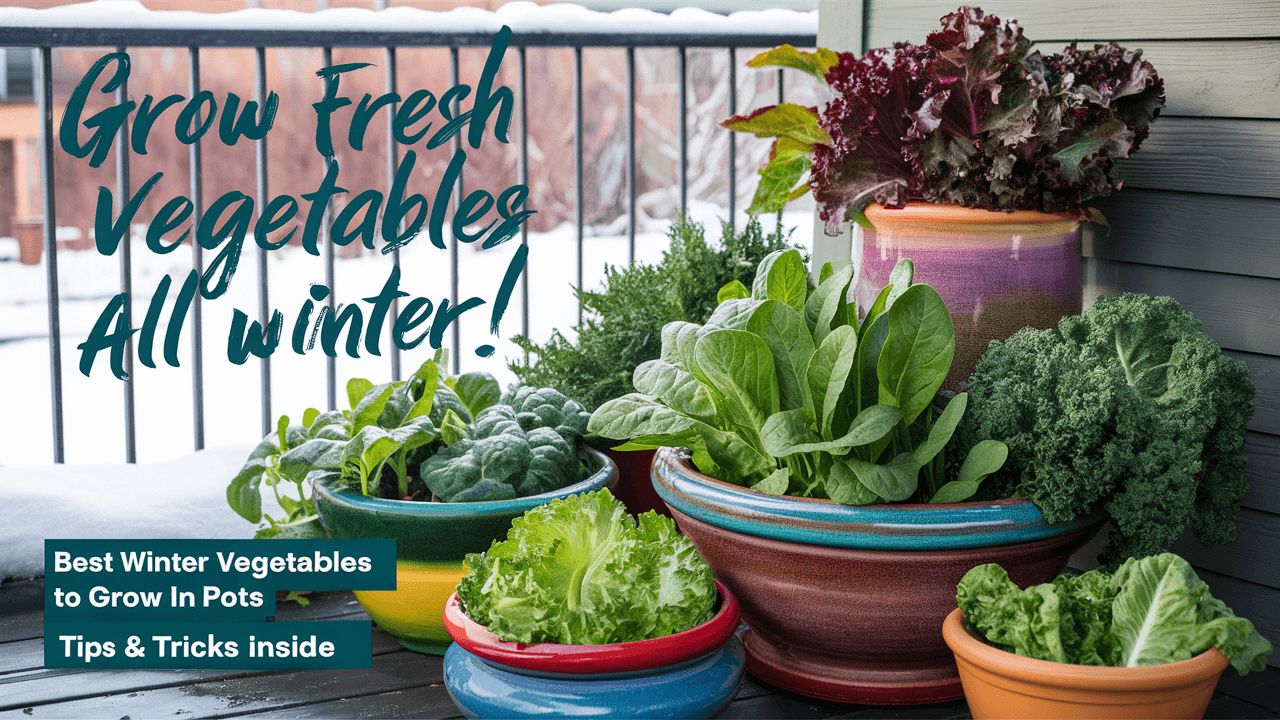
Hey there, welcome to the world of winter vegetables to grow in pots!
Ever thought your green thumb had to take a break during the chilly winter months? Think again! Winter is not just for snowmen and hot cocoa; it's also a fantastic time to grow some delicious veggies right in the cozy comfort of your home. Yes, you heard that right – no need to brave the cold. We’re talking about growing winter vegetables in pots!
Imagine harvesting fresh, crunchy carrots or vibrant, leafy kale without stepping out into the freezing weather.
Sounds awesome, right? Whether you have a sunny windowsill, a small balcony, or even a corner in your living room, you can grow a mini veggie garden. And guess what? It’s easier than you think!
In this post, we’ll dive into the wonderful world of winter container gardening.
We'll cover everything from spinach to Brussels sprouts – all in a way that’s simple, fun, and perfect for beginners.
Ready to turn your home into a winter wonderland of greens? Let’s get planting and make Jack Frost jealous of your fresh veggies!
Why Grow Winter Vegetables in Pots?
Before we get started, let's talk about why growing winter vegetables in containers is a fantastic idea. First off, pots give you the flexibility to move your plants around to catch the best sunlight or protect them from harsh weather.
Plus, it's perfect for those of us with limited space. No garden? No problem! Even a small balcony can become a thriving vegetable oasis.
Benefits of Container Gardening
Container gardening has many perks. It’s great for beginners because you have more control over the growing conditions. You can easily adjust the soil mix, watering schedule, and light exposure. Plus, it reduces the risk of pests and diseases compared to traditional gardens.
Getting Started with Winter Vegetables in Pots
Alright, let’s get down to the nitty-gritty. Here’s everything you need to know to kickstart your winter container garden.
Choosing the Right Containers
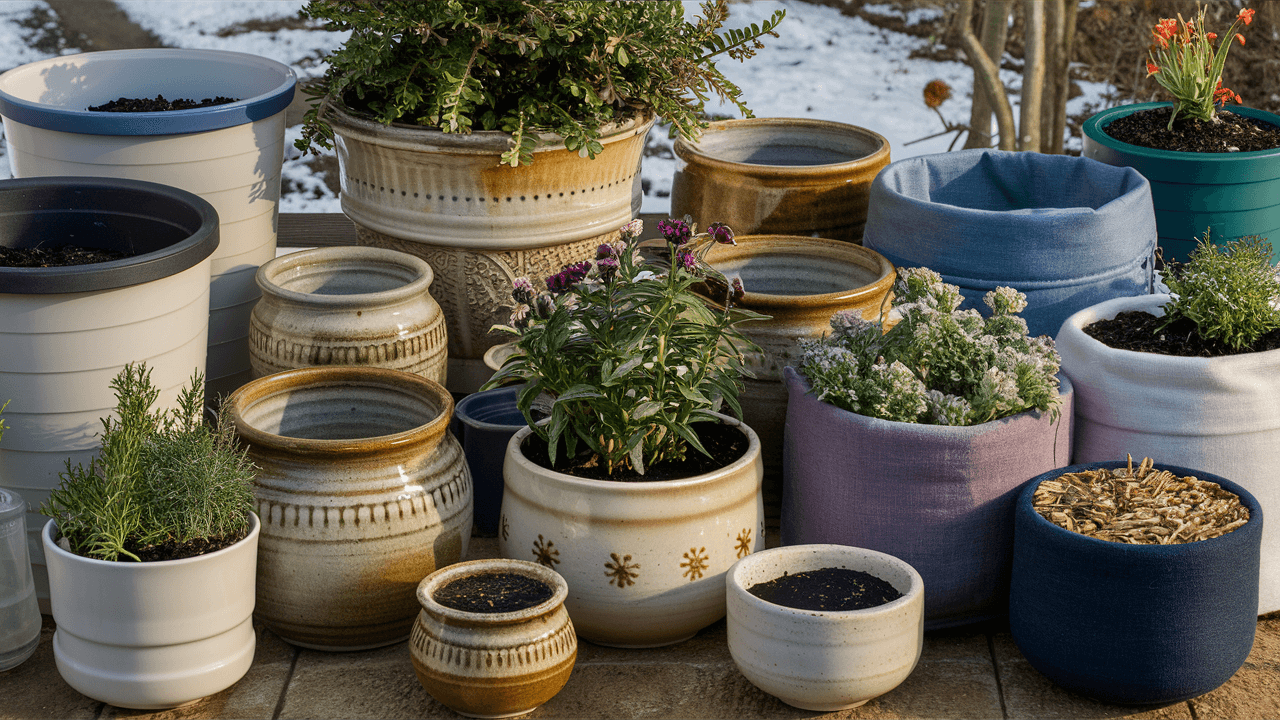
Not all pots are created equal. When picking containers, think about the size and material. For winter vegetables, you'll need pots that are at least 12 inches deep to accommodate root growth. Materials like plastic, ceramic, and fabric work well because they provide good insulation against the cold.
Picking the Perfect Plants
Not all vegetables are suited for winter growing. Let’s take a look at some of the best winter vegetables to grow in pots:
Leafy Greens
- Spinach: Spinach loves the cold and grows quickly. Plus, it’s super healthy!
- Kale: Another cold-hardy green, kale is packed with nutrients and can survive frost.
- Lettuce: There are many varieties of lettuce that thrive in cooler weather.
Root Vegetables
- Carrots: Carrots are easy to grow in deep pots and taste even sweeter after a frost.
- Beets: Beets grow well in containers and their greens are edible too.
- Radishes: Radishes are one of the fastest-growing vegetables and perfect for beginners.
Brassicas
- Broccoli: Broccoli can handle the cold and is great for containers.
- Cauliflower: Cauliflower needs a bit more care but does well in pots if protected from extreme cold.
- Brussels Sprouts: These tiny cabbages love the cold and grow vertically, making them ideal for small spaces.
Soil Mix
A good soil mix is crucial for container gardening. Use a high-quality potting mix that drains well but retains moisture. Adding organic matter like compost can improve soil fertility and structure.
How to Plant Your Containers
Planting in containers is straightforward. Fill your pots with the soil mix, leaving a couple of inches at the top. Sow seeds according to the package instructions or transplant seedlings. Water thoroughly and place your pots in a sunny spot.
Now, let's get into the specifics for each vegetable.
Spinach
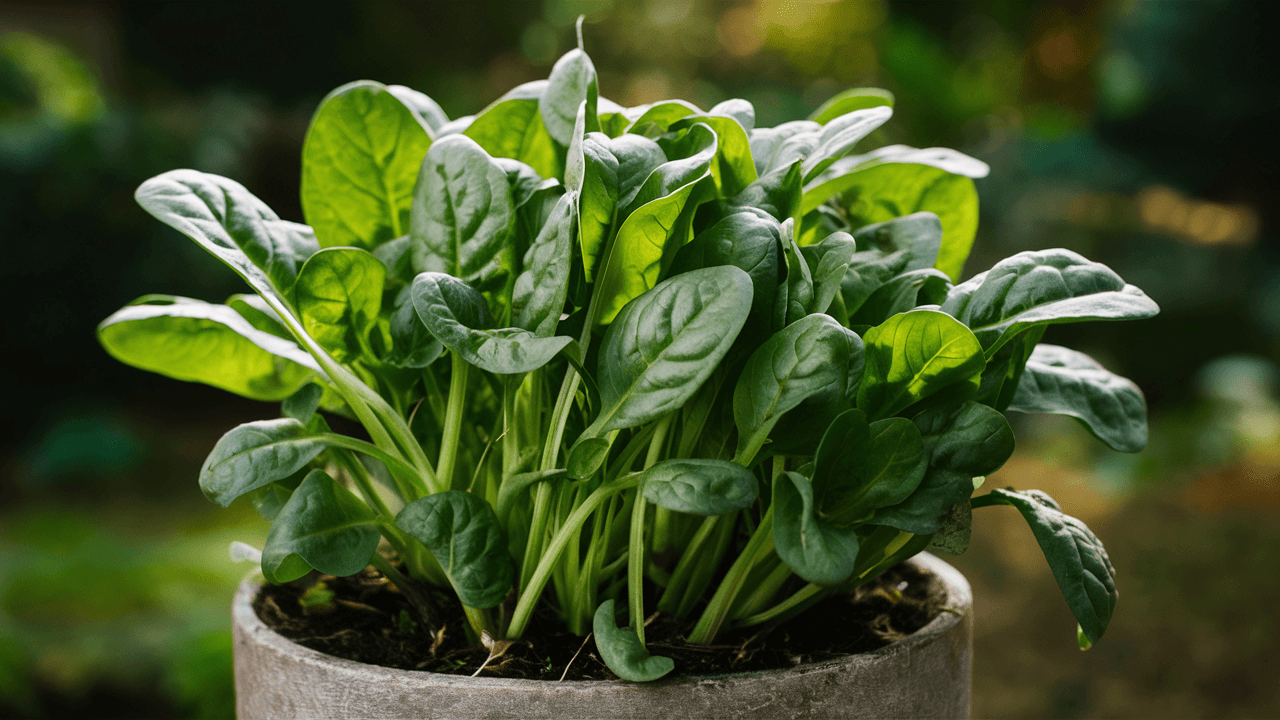
- Scientific Name: Spinacia oleracea
- Growth Time: 6-8 weeks
- Leaf Type: Broad, smooth or slightly crinkled
- Flavor: Mild, slightly sweet
- Water Needs: Moderate
- Soil pH: 6.0-7.0
- Soil Type: Well-draining, rich in organic matter
- USDA Hardiness: Zones 2-9
Spinach (Spinacia oleracea) is a leafy green that thrives in cooler weather, making it ideal for winter growing. It’s packed with vitamins and minerals, and its mild flavor makes it a versatile ingredient in many dishes.
Care Tips
- Planting: Sow spinach seeds directly into the pot about ½ inch deep and 2 inches apart. Thin seedlings to about 4 inches apart once they sprout.
- Light: Spinach requires at least 6 hours of sunlight daily. If growing indoors, use grow lights to ensure adequate light.
- Watering: Keep the soil consistently moist but not waterlogged. Water when the top inch of soil feels dry.
- Fertilizing: Spinach benefits from regular feeding. Use a balanced, water-soluble fertilizer every 2-3 weeks.
- Temperature: Spinach can tolerate light frost and grows best in temperatures between 35-75°F.
Why You’ll Love It: Spinach is fast-growing and doesn’t require much space, making it perfect for small pots or containers. Its nutritional benefits and versatility in cooking make it a valuable addition to your winter garden.
Kale
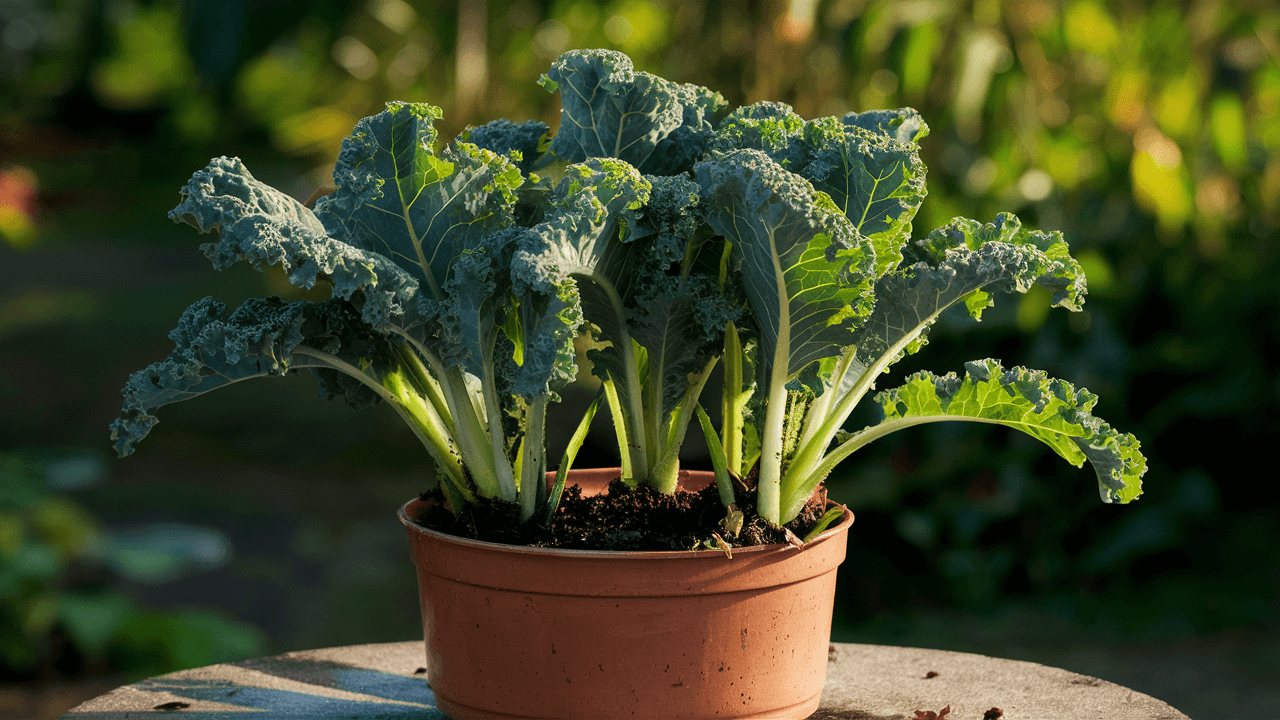
- Scientific Name: Brassica oleracea (Acephala Group)
- Growth Time: 55-75 days
- Leaf Type: Curly, wrinkled, or flat
- Flavor: Slightly bitter, earthy
- Water Needs: Moderate to high
- Soil pH: 6.0-7.5
- Soil Type: Well-draining, rich in organic matter
- USDA Hardiness: Zones 7-9
Kale (Brassica oleracea Acephala Group) is a robust and nutrient-rich green that flourishes in cooler climates. Its leaves can be curly, wrinkled, or flat, and it has a slightly bitter, earthy taste.
Care Tips
- Planting: Sow kale seeds about ¼ inch deep and 1 inch apart. Thin seedlings to 12 inches apart.
- Light: Kale needs at least 6 hours of sunlight per day. Grow lights can be used to supplement natural light.
- Watering: Maintain consistently moist soil, avoiding complete dryness. Water deeply to encourage strong root development.
- Fertilizing: Feed kale with a balanced fertilizer every 4-6 weeks to support its growth.
- Temperature: Kale can withstand temperatures as low as 20°F, but it benefits from protection like row covers during extreme cold.
Why You’ll Love It: Kale is incredibly hardy and can continue producing leaves even through frost, making it a reliable winter crop. Its high nutritional value and ability to be used in a variety of dishes from salads to soups make it a favorite among gardeners.
Lettuce
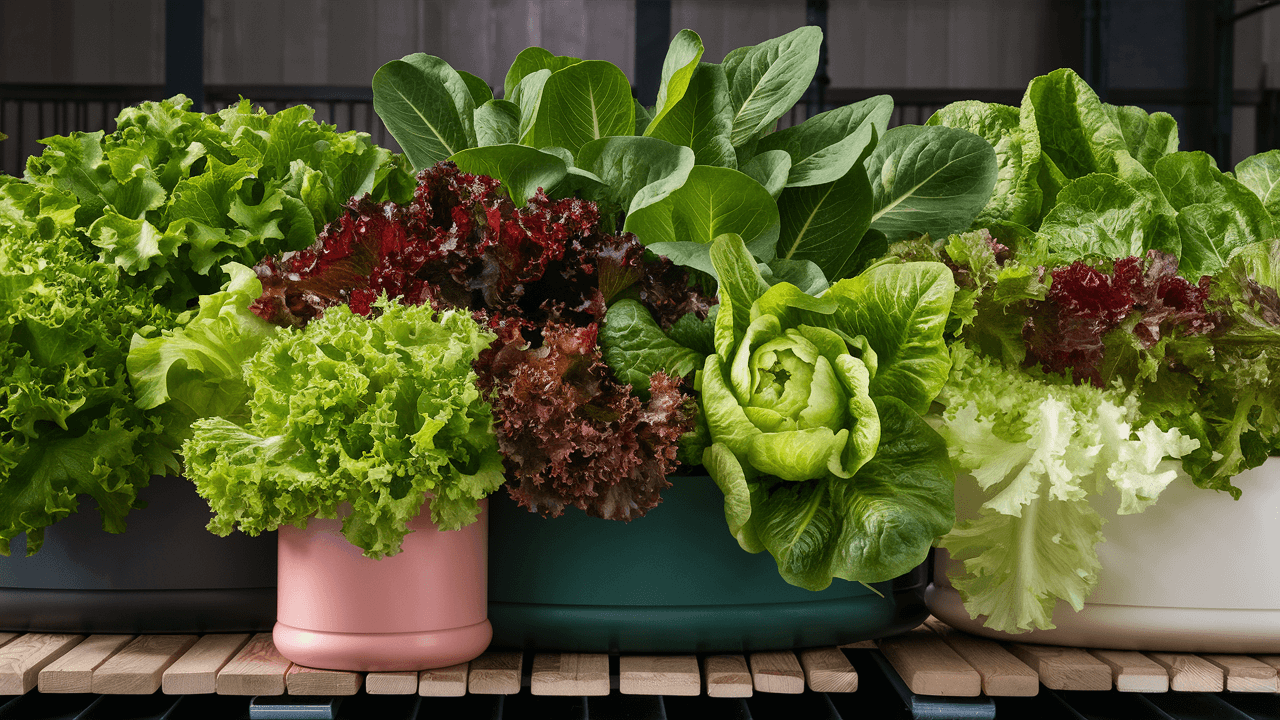
- Scientific Name: Lactuca sativa
- Growth Time: 45-55 days
- Leaf Type: Smooth or ruffled, loose or head-forming
- Flavor: Mild, slightly sweet or bitter
- Water Needs: Moderate
- Soil pH: 6.0-7.0
- Soil Type: Well-draining, fertile
- USDA Hardiness: Zones 4-9
Lettuce (Lactuca sativa) is a fast-growing, leafy green that comes in various types, from loose-leaf to head-forming varieties. Its mild flavor makes it a staple in salads and sandwiches.
Care Tips
- Planting: Sow lettuce seeds about ¼ inch deep and thinly spaced. Thin seedlings to 6-8 inches apart.
- Light: Lettuce requires at least 6 hours of sunlight per day. Indoors, use grow lights to ensure sufficient light.
- Watering: Keep the soil evenly moist. Lettuce prefers consistent moisture, so water when the top inch of soil is dry.
- Fertilizing: Apply a balanced, water-soluble fertilizer every 2-3 weeks to promote healthy growth.
- Temperature: Lettuce thrives in cooler temperatures and can tolerate light frost, making it perfect for winter growing.
Why You’ll Love It: Lettuce is quick to mature and easy to grow in pots, providing a continuous supply of fresh greens. Its variety in leaf types and flavors makes it a versatile addition to your winter garden.
Carrots
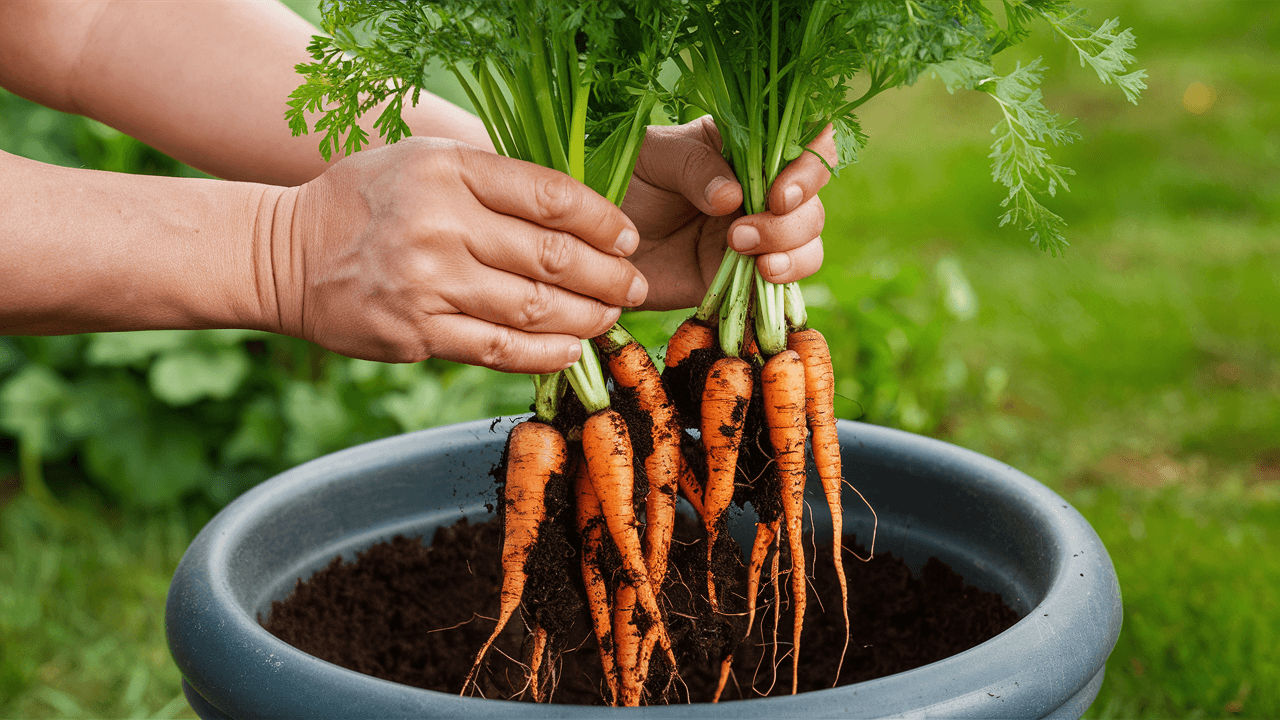
- Scientific Name: Daucus carota subsp. sativus
- Growth Time: 70-80 days
- Leaf Type: Finely divided, fern-like
- Flavor: Sweet, earthy
- Water Needs: Moderate to high
- Soil pH: 6.0-6.8
- Soil Type: Loose, sandy loam
- USDA Hardiness: Zones 3-10
Carrots (Daucus carota subsp. sativus) are root vegetables known for their sweet, earthy flavor and vibrant orange color, though they come in a variety of hues. They require deep pots and patience but are very rewarding to grow.
Care Tips
- Planting: Sow carrot seeds about ¼ inch deep and thinly spaced. Thin seedlings to 2-3 inches apart.
- Light: Carrots need at least 6 hours of sunlight daily. Use grow lights if natural light is insufficient.
- Watering: Keep the soil consistently moist and water deeply to promote root growth.
- Fertilizing: Use a low-nitrogen fertilizer every 4-6 weeks to avoid excessive foliage growth.
- Temperature: Carrots can tolerate light frost and grow best in temperatures between 55-75°F.
Why You’ll Love It: Carrots are fun to grow and can be stored in the ground, allowing you to harvest them as needed. Their sweet flavor and crunchy texture make them a favorite for snacking and cooking.
Beets
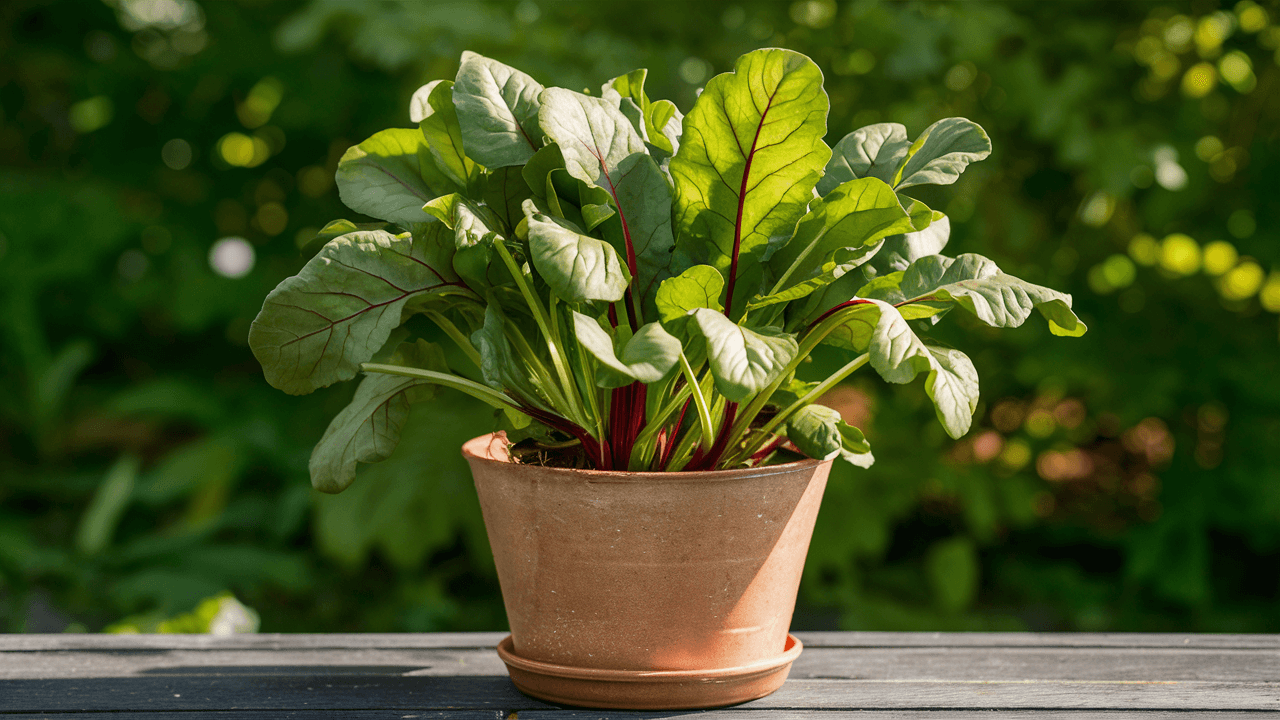
- Scientific Name: Beta vulgaris
- Growth Time: 50-70 days
- Leaf Type: Broad, heart-shaped
- Flavor: Sweet, earthy
- Water Needs: Moderate
- Soil pH: 6.0-7.0
- Soil Type: Well-draining, fertile
- USDA Hardiness: Zones 2-10
Beets (Beta vulgaris) are versatile root vegetables with edible leaves and roots. They are known for their sweet, earthy flavor and vibrant colors ranging from red to golden.
Care Tips
- Planting: Sow beet seeds about ½ inch deep and 1 inch apart. Thin seedlings to 3-4 inches apart.
- Light: Beets require at least 6 hours of sunlight daily. Supplement with grow lights if necessary.
- Watering: Keep the soil consistently moist, watering when the top inch of soil feels dry.
- Fertilizing: Apply a balanced, water-soluble fertilizer every 3-4 weeks to support growth.
- Temperature: Beets can tolerate light frost and grow best in temperatures between 50-70°F.
Why You’ll Love It: Beets are easy to grow and offer dual benefits with both their roots and greens being edible. Their vibrant color and sweet, earthy flavor make them a great addition to salads, soups, and roasts.
Radishes
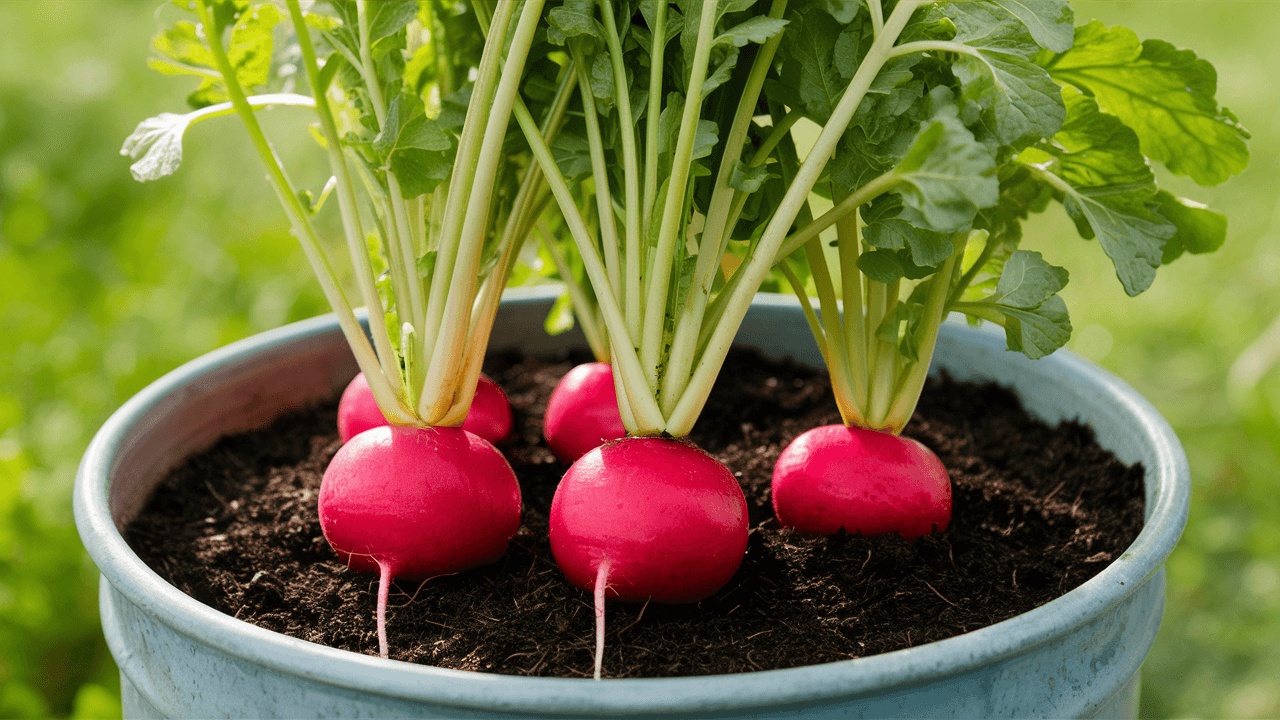
- Scientific Name: Raphanus sativus
- Growth Time: 3-4 weeks
- Leaf Type: Broad, lobed
- Flavor: Peppery, crisp
- Water Needs: Moderate
- Soil pH: 6.0-7.0
- Soil Type: Well-draining, loamy
- USDA Hardiness: Zones 2-10
Radishes (Raphanus sativus) are fast-growing root vegetables known for their crisp texture and peppery flavor. They come in a variety of shapes, sizes, and colors, making them a vibrant addition to any winter garden.
Care Tips
- Planting: Sow radish seeds directly into the pot about ½ inch deep and 1 inch apart. Thin seedlings to 2 inches apart.
- Light: Radishes need at least 6 hours of sunlight per day. Use grow lights if natural light is limited.
- Watering: Keep the soil consistently moist but not waterlogged. Water when the top inch of soil feels dry.
- Fertilizing: Radishes are not heavy feeders. A light application of balanced fertilizer every 3-4 weeks is sufficient.
- Temperature: Radishes grow best in cool weather, with optimal temperatures between 50-70°F.
Why You’ll Love It: Radishes are incredibly fast-growing, often ready for harvest in just 3-4 weeks. Their spicy flavor and crunchy texture make them perfect for salads and garnishes, and their colorful varieties can brighten up your winter garden.
Broccoli
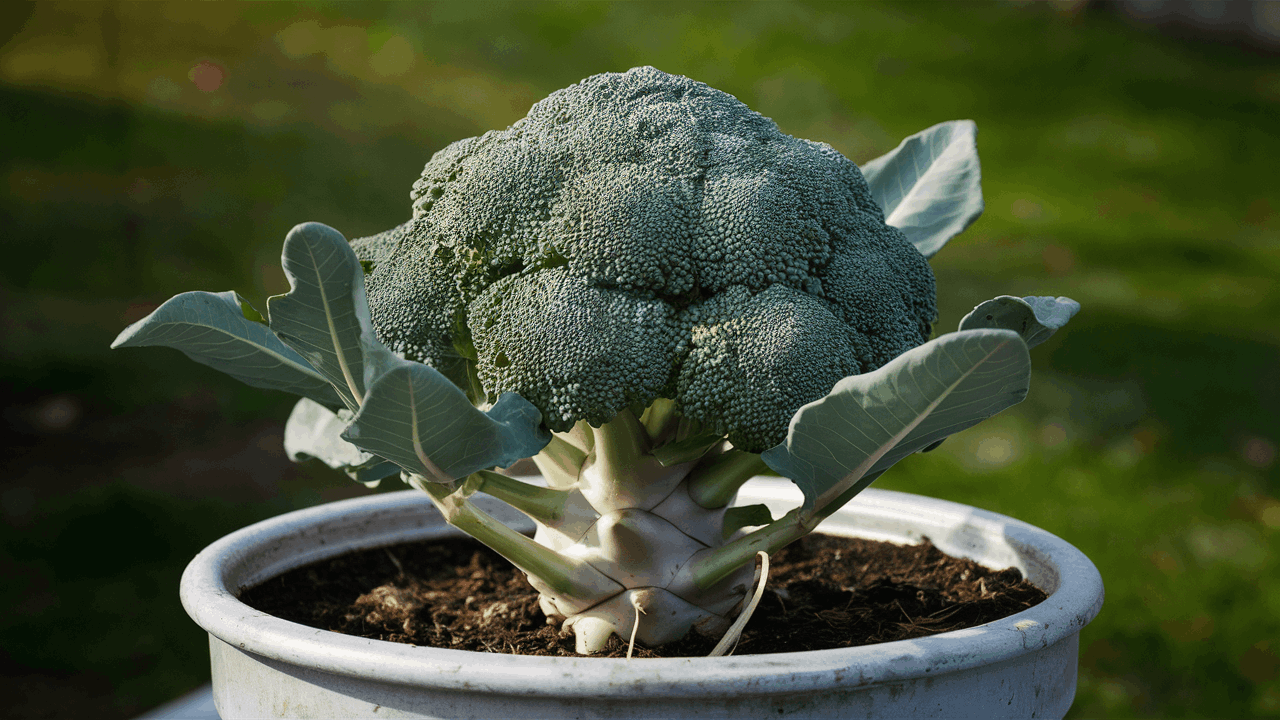
- Scientific Name: Brassica oleracea (Italica Group)
- Growth Time: 70-100 days
- Leaf Type: Broad, thick, lobed
- Flavor: Mild, slightly bitter
- Water Needs: Moderate
- Soil pH: 6.0-7.0
- Soil Type: Well-draining, rich in organic matter
- USDA Hardiness: Zones 3-10
Broccoli (Brassica oleracea Italica Group) is a nutrient-dense vegetable that thrives in cooler weather. It produces large, green flowering heads that are rich in vitamins and minerals.
Care Tips
- Planting: Start broccoli seeds indoors and transplant seedlings into pots once they have a few true leaves. Space seedlings about 18 inches apart.
- Light: Broccoli needs at least 6-8 hours of sunlight daily. Use grow lights to supplement natural light if necessary.
- Watering: Keep the soil consistently moist, watering deeply when the top inch of soil is dry.
- Fertilizing: Feed broccoli with a balanced fertilizer every 3-4 weeks to support its growth.
- Temperature: Broccoli grows best in temperatures between 40-75°F and can tolerate light frost.
Why You’ll Love It: Broccoli is not only nutritious but also versatile in the kitchen. It can be steamed, roasted, or used in soups and casseroles. Growing broccoli in pots allows you to enjoy fresh, home-grown heads throughout the winter.
Cauliflower
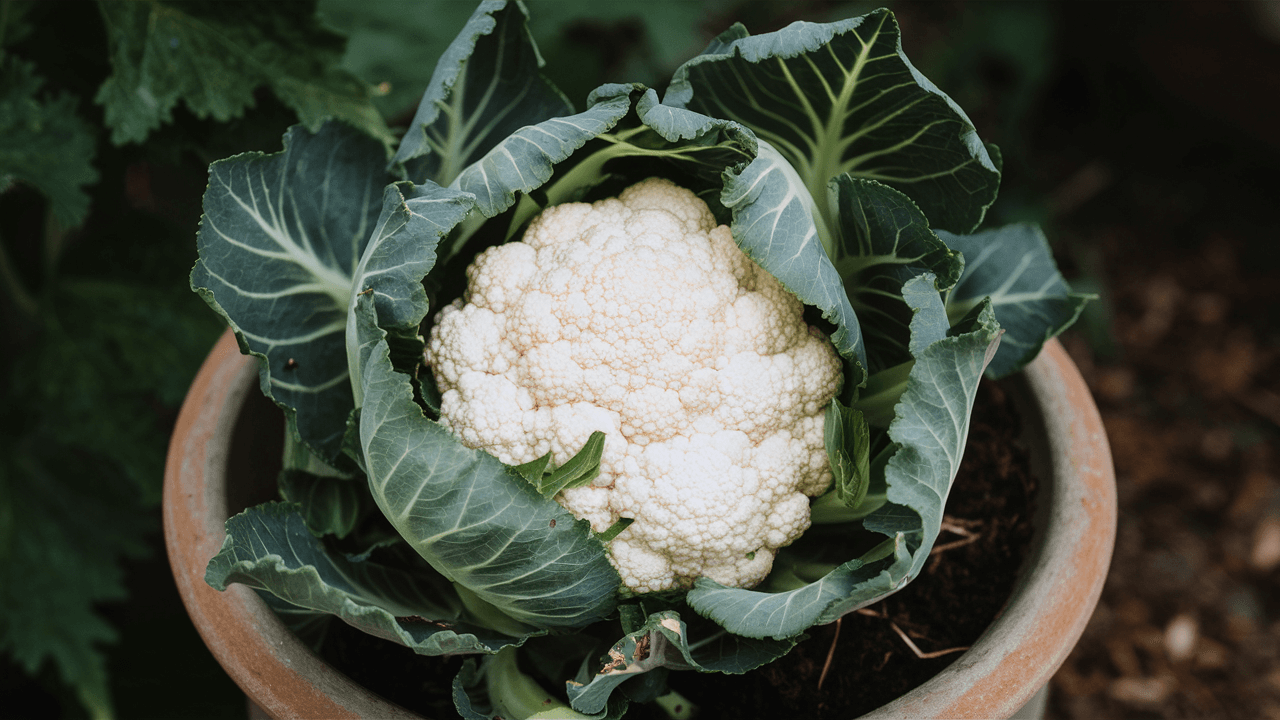
- Scientific Name: Brassica oleracea (Botrytis Group)
- Growth Time: 55-100 days
- Leaf Type: Broad, thick, lobed
- Flavor: Mild, slightly nutty
- Water Needs: Moderate
- Soil pH: 6.0-7.5
- Soil Type: Well-draining, fertile
- USDA Hardiness: Zones 3-9
Cauliflower (Brassica oleracea Botrytis Group) is a cool-season crop that forms a dense head of undeveloped flower buds. It's a versatile vegetable that can be used in a variety of dishes, from roasting to mashing.
Care Tips
- Planting: Start cauliflower seeds indoors and transplant seedlings into pots once they have several true leaves. Space seedlings about 18 inches apart.
- Light: Cauliflower needs at least 6-8 hours of sunlight daily. Grow lights can be used to supplement natural light.
- Watering: Maintain consistent soil moisture, watering when the top inch of soil feels dry.
- Fertilizing: Apply a balanced fertilizer every 3-4 weeks to ensure steady growth.
- Temperature: Cauliflower grows best in temperatures between 50-70°F and can tolerate light frost.
Why You’ll Love It: Cauliflower is highly versatile and can be transformed into a variety of dishes, including cauliflower rice, mashed cauliflower, and roasted florets. Growing it in pots allows for easy management and protection from pests.
Brussels Sprouts
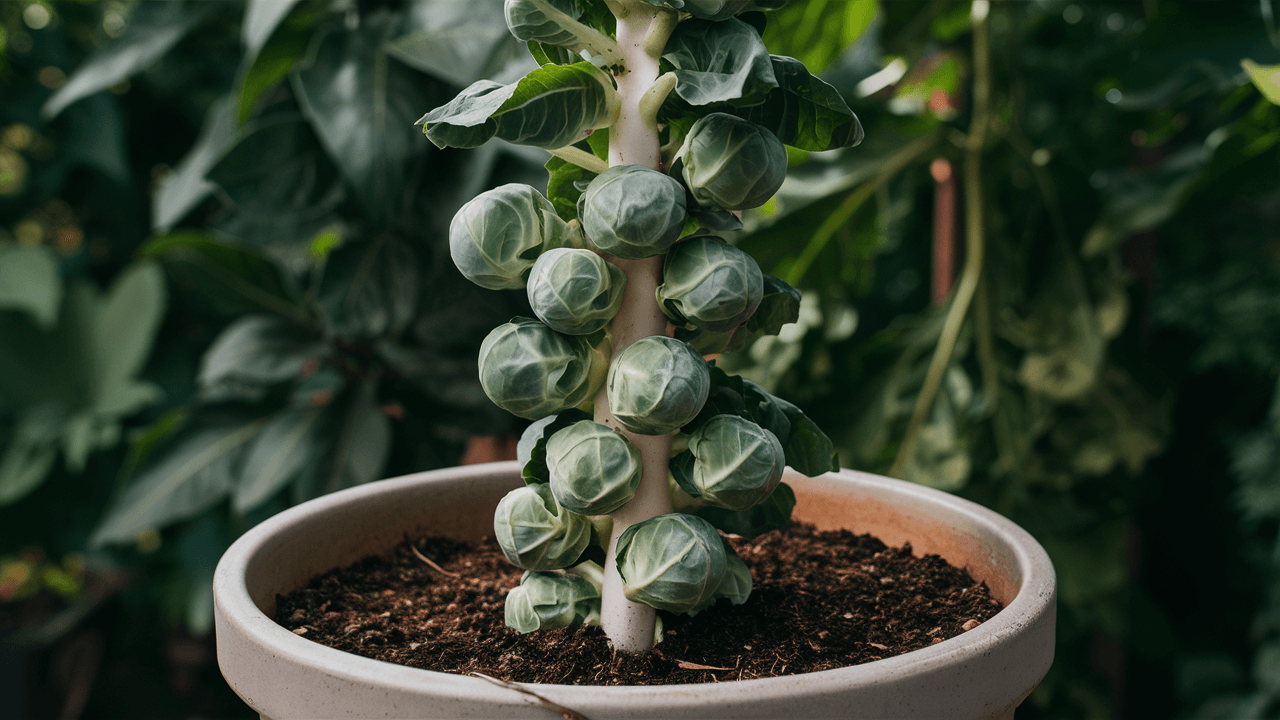
- Scientific Name: Brassica oleracea (Gemmifera Group)
- Growth Time: 85-110 days
- Leaf Type: Broad, thick, lobed
- Flavor: Mild, slightly nutty, sweet after frost
- Water Needs: Moderate
- Soil pH: 6.0-7.5
- Soil Type: Well-draining, rich in organic matter
- USDA Hardiness: Zones 3-9
Brussels sprouts (Brassica oleracea Gemmifera Group) are miniature cabbage-like buds that grow along a tall stem. They have a slightly nutty flavor and become sweeter after a frost.
Care Tips
- Planting: Start Brussels sprouts seeds indoors and transplant seedlings into pots once they have several true leaves. Space seedlings about 18-24 inches apart.
- Light: Brussels sprouts need at least 6-8 hours of sunlight daily. Supplement with grow lights if needed.
- Watering: Keep the soil consistently moist, watering deeply when the top inch of soil feels dry.
- Fertilizing: Feed with a balanced fertilizer every 3-4 weeks to support their long growing season.
- Temperature: Brussels sprouts grow best in temperatures between 45-75°F and can tolerate frost, improving their flavor.
Why You’ll Love It: Brussels sprouts are a rewarding winter crop that sweetens after frost, making them a delicious addition to your winter meals.
They are perfect for roasting, sautéing, or adding to casseroles, and growing them in pots makes them easier to manage and protect from pests.
How To Care For Winter Vegetables In Pots
Growing winter vegetables in pots is a fun and rewarding experience, but like all gardens, they need some TLC to thrive. Let’s dig into the essentials for keeping your winter veggies happy and healthy.
Light Requirements
Light is like the magic potion for plants. Most winter vegetables need at least 6 hours of sunlight each day. If you're growing indoors or your outdoor space doesn't get much sun, consider using grow lights.
These handy gadgets mimic natural sunlight and keep your plants growing strong. Place the lights about 6-12 inches above the plants and leave them on for 12-16 hours a day. Your veggies will think they’re sunbathing in the Bahamas!
Watering
Watering your plants is a bit like giving them a refreshing drink. Most winter vegetables prefer consistently moist soil, but not soggy.
A good rule of thumb is to water when the top inch of soil feels dry. Over-watering can drown the roots, so make sure your pots have drainage holes. During colder months, plants might need less water, so keep an eye on the soil and adjust accordingly.
Feeding
Feeding your plants is like serving them a nutritious meal. Use a balanced, water-soluble fertilizer every 3-4 weeks to keep your veggies growing strong.
For leafy greens like spinach and kale, look for a fertilizer with more nitrogen. Root veggies like carrots and beets benefit from one with more phosphorus. Just follow the instructions on the fertilizer package – no one wants to overfeed their plants!
Maintenance
Maintaining your container garden is all about regular check-ins and a little bit of care. Remove any yellowing or dead leaves to keep the plants healthy and prevent diseases.
Check for pests like aphids and mites, and use natural remedies or insecticidal soap if needed. Regularly rotating the pots can ensure even growth, especially if sunlight comes from one direction.
Trellises and Support
Some winter veggies, like peas or even certain types of kale, might need a little extra support. Trellises and stakes help keep them upright and ensure they get enough air circulation.
Use bamboo stakes, wire cages, or even DIY trellises from old materials. Secure the plants gently with soft ties to avoid damaging the stems. This not only supports the plants but also makes your garden look neat and organized.
Beyond Vegetables
Winter gardening isn’t just about veggies – let’s add some flair with flowers, companions, and herbs!
Winter Flowers
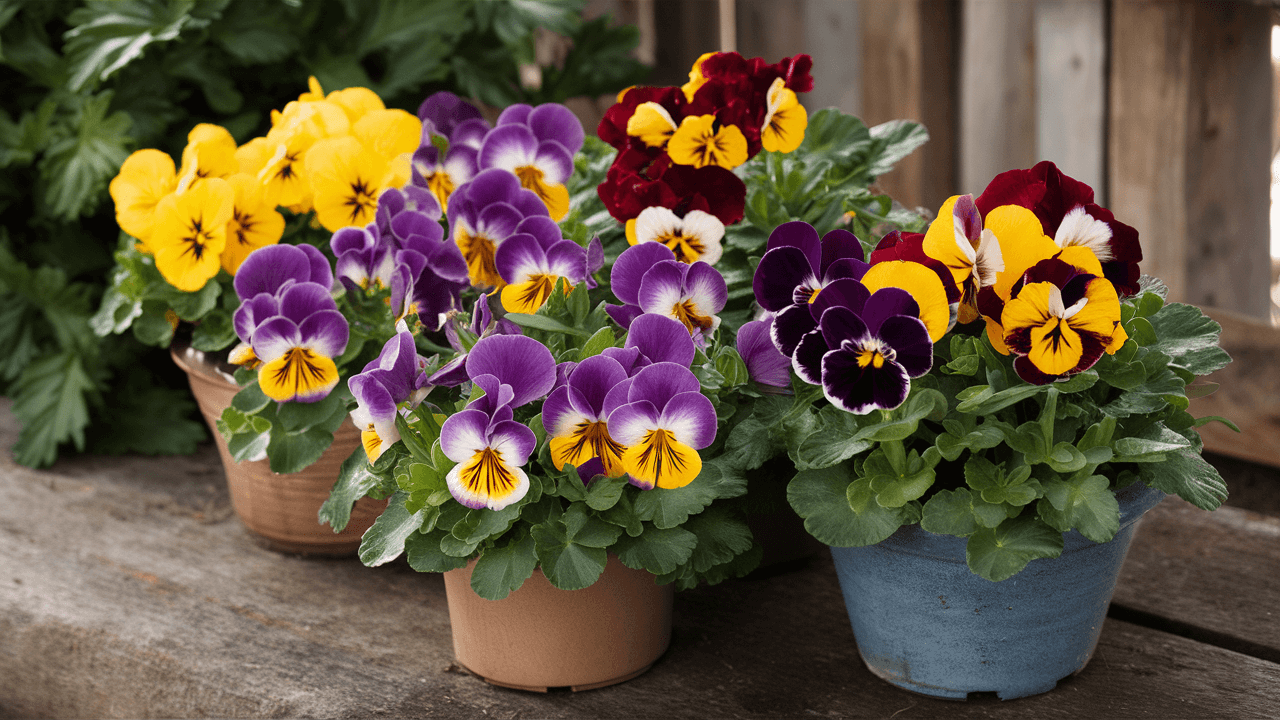
Brighten up your winter garden with some hardy flowers. Pansies, violas, and cyclamens can withstand the cold and add a pop of color.
They’re not just pretty faces; they can attract beneficial insects and even deter pests. Place them in pots near your veggies, and you’ll have a garden that’s both beautiful and functional.
Companion Planting
Companion planting is like having best buddies for your veggies. Some plants grow better together, helping each other out.
For example, plant radishes with spinach – radishes grow quickly and can be harvested early, leaving space for the spinach to spread out.
Garlic and onions can repel pests, making them great companions for a variety of winter vegetables. Mix and match to find the perfect plant pals!
Indoor Herb Garden
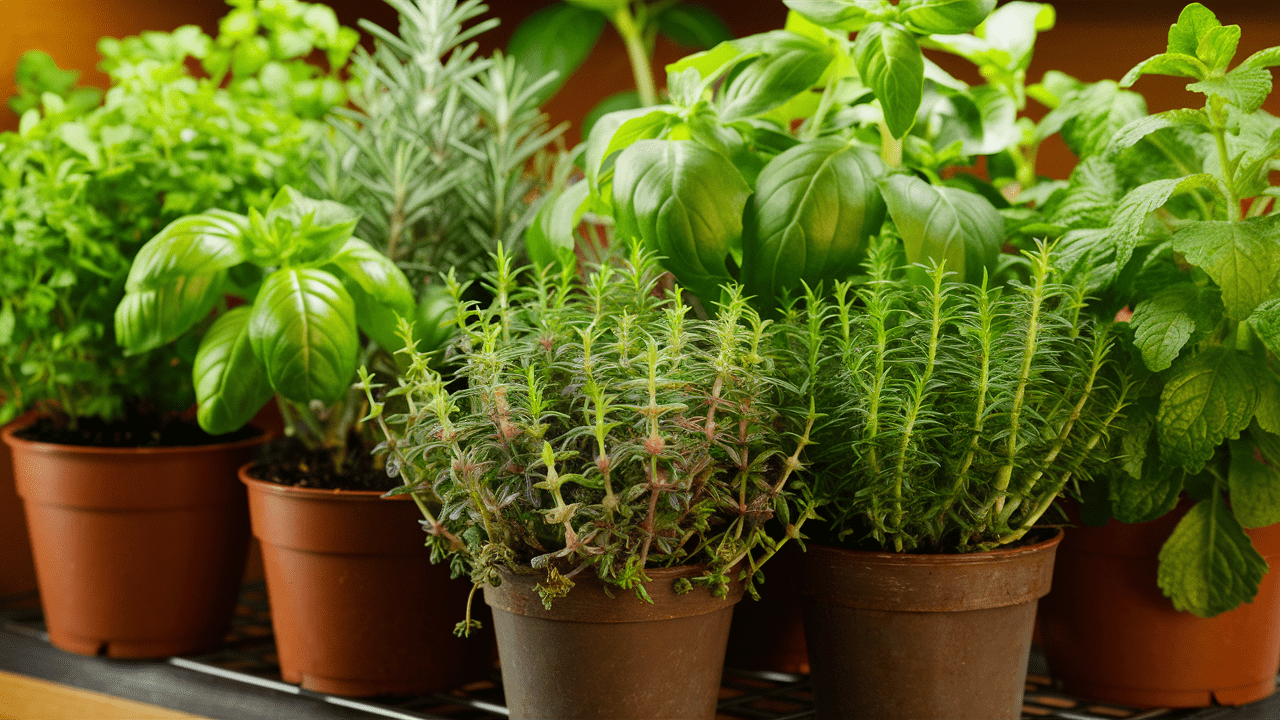
Why stop at veggies and flowers? Grow a mini herb garden indoors for fresh flavors all winter long. Herbs like basil, parsley, thyme, and mint do well in pots and add a fresh touch to your meals.
Place them on a sunny windowsill or under grow lights, and snip as needed for cooking. The aroma alone will make your kitchen feel like a gourmet paradise.
List of Winter Vegetables to Grow
Let’s do a quick recap of the best winter vegetables to grow in pots:
- Spinach
- Kale
- Lettuce
- Carrots
- Beets
- Radishes
- Broccoli
- Cauliflower
- Brussels Sprouts
These crops are hardy, easy to grow, and perfect for beginners.
Winter Vegetables Chart
Need a quick reference? This handy Winter Vegetables Chart is your go-to guide for selecting the best winter crops to grow in pots.
It breaks down everything from pot depth to light and watering needs, so you can ensure your plants thrive all season long. Keep this chart handy as you plan and tend to your winter garden!
Vegetable | Ideal Pot Depth | Light Requirements | Watering Needs |
Spinach | 12 inches | 6 hours | Moderate |
Kale | 12 inches | 6 hours | Moderate |
Lettuce | 8-12 inches | 6 hours | Moderate |
Carrots | 12-18 inches | 6 hours | Moderate |
Beets | 12 inches | 6 hours | Moderate |
Radishes | 6-12 inches | 6 hours | Moderate |
Broccoli | 12-18 inches | 6 hours | Moderate |
Cauliflower | 12-18 inches | 6 hours | Moderate |
Brussels Sprouts | 12-18 inches | 6 hours | Moderate |
FAQ
What vegetables can I grow in pots during the winter?
You can grow a variety of winter vegetables in pots, including spinach, kale, lettuce, carrots, beets, radishes, broccoli, cauliflower, and Brussels sprouts. These veggies thrive in cooler temperatures and are perfect for winter gardening.
How much sunlight do winter vegetables need?
Most winter vegetables need at least 6 hours of sunlight each day. If you're growing them indoors or in a shaded area, you may need to use grow lights to provide the necessary light for healthy growth.
How often should I water my winter vegetable garden in pots?
Winter vegetables generally prefer consistently moist soil. Water when the top inch of soil feels dry, but avoid over-watering to prevent root rot. Ensure your pots have good drainage to prevent waterlogging.
What type of soil is best for growing winter vegetables in pots?
Use a well-draining, rich soil mix that retains moisture but doesn’t become waterlogged. A potting mix designed for vegetables or a blend of compost, peat moss, and perlite works well.
Do I need to fertilize winter vegetables in pots?
Yes, winter vegetables benefit from regular feeding. Use a balanced, water-soluble fertilizer every 3-4 weeks to provide essential nutrients.
Adjust the fertilizer type based on the specific needs of the vegetable you’re growing (e.g., more nitrogen for leafy greens).
Final Thoughts
Growing winter vegetables in pots is a fun and rewarding way to enjoy fresh produce year-round. With the right containers, plants, and care, you can create a thriving garden even in the coldest months. So, grab your pots, pick your favorite winter veggies, and get growing! Happy gardening!
For more tips and inspiration, check out these the 10 healthiest winter vegetables by Healthline and tips for growing vegetables in the winters