
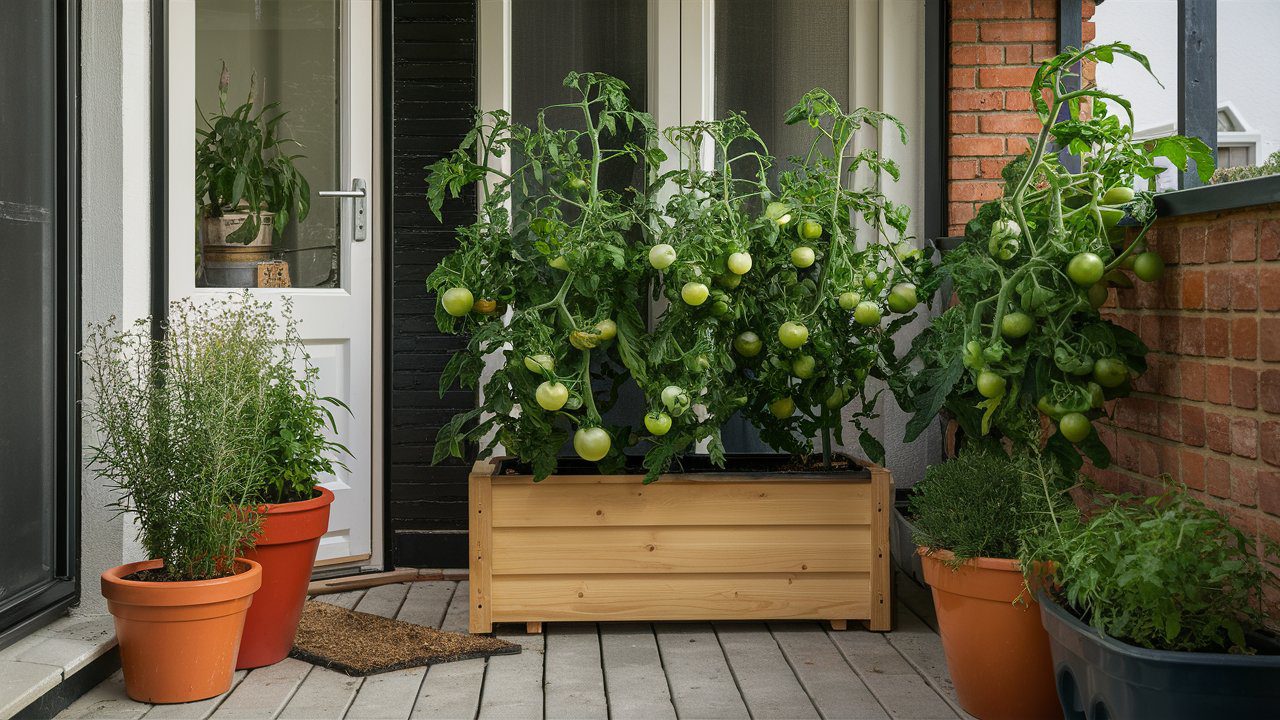
Have you ever bitten into a juicy, homegrown tomato and wondered why store-bought tomatoes never taste as good? Imagine stepping out onto your patio, plucking a ripe, red tomato off the vine, and enjoying that burst of flavor.
Growing patio tomato plants might seem like a daunting task, but with a little guidance, you can enjoy fresh tomatoes right at your doorstep.
In this article, the following topics will be covered:
- How to Grow Tomatoes in Pots
- Patio Tomato Plant Care
- Best Patio Tomato Plants
- Patio Tomato Varieties
- How to Grow Tomatoes in Pots from Seeds
- Benefits of Growing Tomatoes in Containers
- Patio Tomato Size
- Patio Tomato Height
- Do You Need a Tomato Cage for Patio Tomatoes?
- Are Patio Tomatoes Tasty?
- Are Patio Tomatoes Cherry Tomatoes?
- How to Troubleshoot Tomato Problems
- How to Harvest and Store Tomatoes
- Common Mistakes to Avoid When Growing Tomatoes In Containers
- Commonly Asked Questions (FAQ)
Now, let’s dive into the world of patio tomato plants and discover how you can grow these delicious fruits in pots and containers!
How to Grow Tomatoes in Pots
Choosing the Right Container
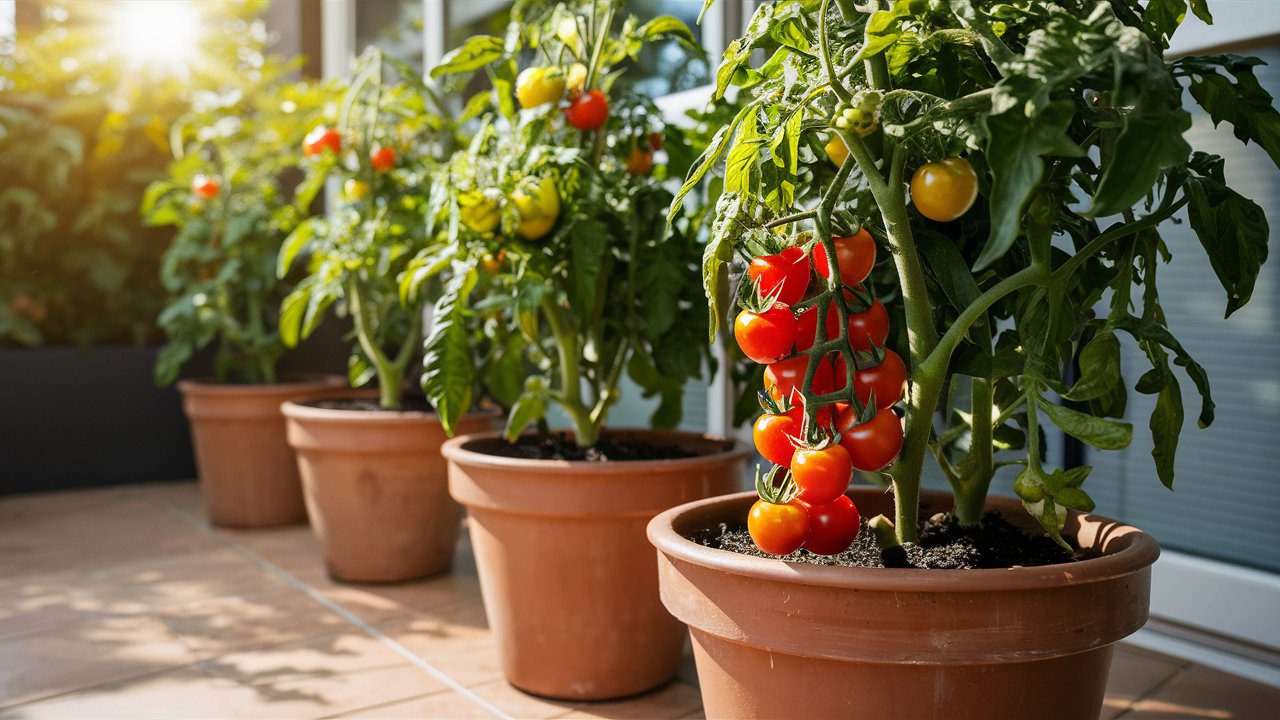
The first step to growing healthy patio tomato plants is selecting the right container. Tomatoes need plenty of room for their roots to grow, so opt for a pot that's at least 14 inches in diameter and has good drainage.
A patio tomato planter with built-in supports can be a great choice, providing stability as your plants grow taller.
Selecting the Best Soil
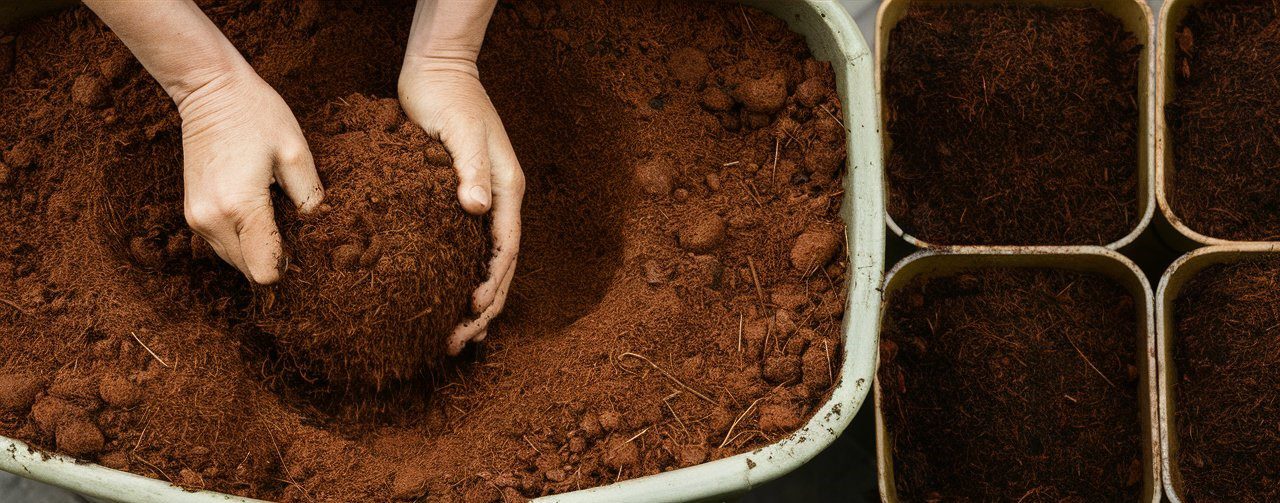
The secret to vibrant, healthy tomato plants lies in the soil. Use a high-quality potting mix that’s rich in organic matter. Adding compost or a slow-release fertilizer can give your plants a nutritious boost. Good soil ensures your patio tomato plants get the nutrients they need to thrive.
Planting Your Tomatoes
Whether you're starting from seeds or using young plants, the process is quite simple. If planting seeds, sow them about 1/4 inch deep and keep the soil moist until they sprout. For young plants, dig a hole deep enough to cover the root ball and some of the stem.
This encourages a stronger root system. Remember, patio tomato plants need full sun, so place your pots where they will get at least 6-8 hours of sunlight daily.
Patio Tomato Plant Care
Watering and Feeding
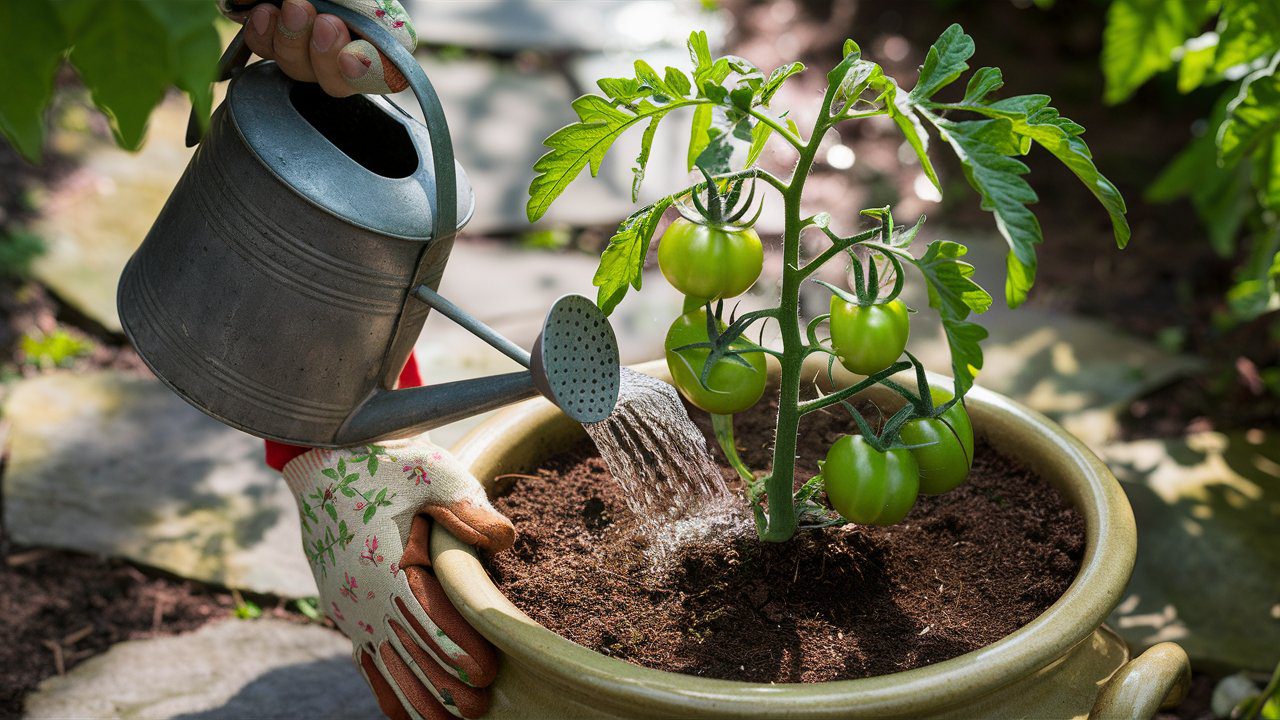
Tomatoes are thirsty plants! Water them regularly, keeping the soil consistently moist but not waterlogged. During hot weather, you might need to water them daily. Mulching the top of the soil can help retain moisture and keep the roots cool.
Feeding your patio tomato plants is equally important. Use a balanced fertilizer every two weeks, or a tomato-specific fertilizer that supports fruit development. Don’t forget to follow the instructions on the fertilizer package to avoid overfeeding.
Pruning and Supporting
As your plants grow, they will need support to keep the stems upright. A tomato cage or stakes can prevent the plants from toppling over.
Prune the lower leaves and any suckers (the small shoots that grow in the leaf axils) to improve air circulation and focus the plant’s energy on producing fruit.
Pest and Disease Management
Keeping your patio tomato plants healthy involves managing pests and diseases. Common pests include aphids, whiteflies, and tomato hornworms.
A gentle spray of water or insecticidal soap can keep these invaders at bay. Watch for signs of disease, such as yellowing leaves or spots, and remove affected foliage promptly.
Best Patio Tomato Plants
Top Varieties for Containers
Not all tomato plants are suited for container gardening. Look for dwarf or determinate varieties that are bred for compact spaces. Here are a few favorites:
- Tiny Tim: This variety is perfect for small pots, growing only about 12-18 inches tall.
- Patio Princess: As the name suggests, this variety is ideal for patios, producing small, flavorful tomatoes.
- Bush Early Girl: This early maturing variety is great for those who can’t wait to taste their first tomato.
Patio Tomato Varieties
Exploring Different Types
There’s a wide range of patio tomato varieties to choose from. Aside from the popular Tiny Tim and Patio Princess, consider:
- Balcony: This variety is specifically bred for small spaces and is highly productive.
- Tumbling Tom: Great for hanging baskets, this variety produces sweet, cherry-sized tomatoes.
- Husky Cherry Red: A bit larger, but still manageable in pots, this variety yields an abundance of small, juicy tomatoes.
How to Grow Tomatoes in Pots from Seeds
Starting from Scratch
Growing patio tomato plants from seeds is rewarding and cost-effective. Start seeds indoors about 6-8 weeks before the last frost date.
Use seed-starting trays and a light, sterile seed-starting mix. Keep the soil moist and provide plenty of light, either from a sunny window or grow lights. Once the seedlings have a couple of true leaves, transplant them into larger pots.
Transplanting Seedlings
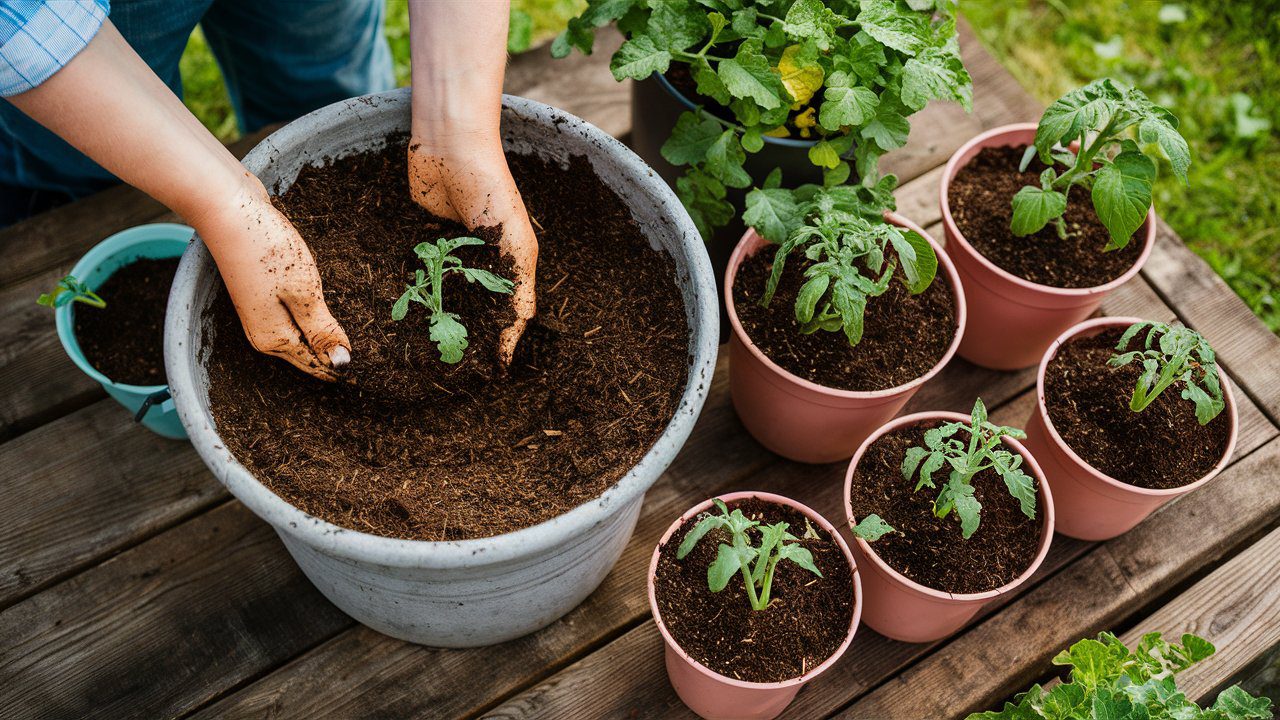
When the seedlings are about 6-8 inches tall and the outdoor temperatures are consistently warm, it’s time to move them to their final pots. Gradually acclimate them to outdoor conditions by placing them outside for a few hours each day, increasing the time over a week.
Benefits of Growing Tomatoes in Containers
Convenience and Control
Growing patio tomato plants in containers has several advantages. You can control the soil quality and manage pests more effectively. Containers also allow you to move the plants to chase the sun or protect them from bad weather.
Space Efficiency
For those with limited space, container gardening makes it possible to grow tomatoes even in the smallest areas. Patios, balconies, and even windowsills can become mini tomato farms.
Patio Tomato Size
How Big Do They Get?
Patio tomato plants are typically smaller than their garden-grown counterparts. Most varieties grow between 1-3 feet tall, making them perfect for small spaces. Despite their size, they can still produce a generous amount of fruit.
Patio Tomato Height
Managing Plant Growth
While patio tomato plants are generally compact, they still need proper support to prevent them from sprawling. Use tomato cages or stakes to keep the plants upright. Regular pruning can help manage their height and encourage bushier growth.
Common Mistakes to Avoid When Growing Tomatoes in Containers
Choosing a container that is too small restricts root growth and can lead to poor plant health and lower yields. Ensure the container is at least 5 gallons in size.
Both overwatering and underwatering can stress tomato plants. Overwatering can cause root rot, while underwatering can lead to dry, stressed plants. Aim for consistent, even moisture.
Tomatoes need plenty of sunlight to thrive. Ensure your plants receive at least 6-8 hours of direct sunlight each day for optimal growth and fruit production.
Using garden soil or low-quality potting mix can hinder plant growth. Invest in a high-quality potting mix designed for containers to ensure good drainage and nutrient availability.
Container plants have limited access to nutrients. Regular fertilization is essential to provide the necessary nutrients for healthy growth and fruiting.
Failing to support tomato plants can result in broken branches and damaged fruit. Use stakes, cages, or trellises to keep plants upright and healthy.
Container plants are not immune to pests and diseases. Regularly inspect your plants for signs of problems and take action promptly to prevent infestations and infections from spreading.
Do You Need a Tomato Cage for Patio Tomatoes?
Supporting Your Plants
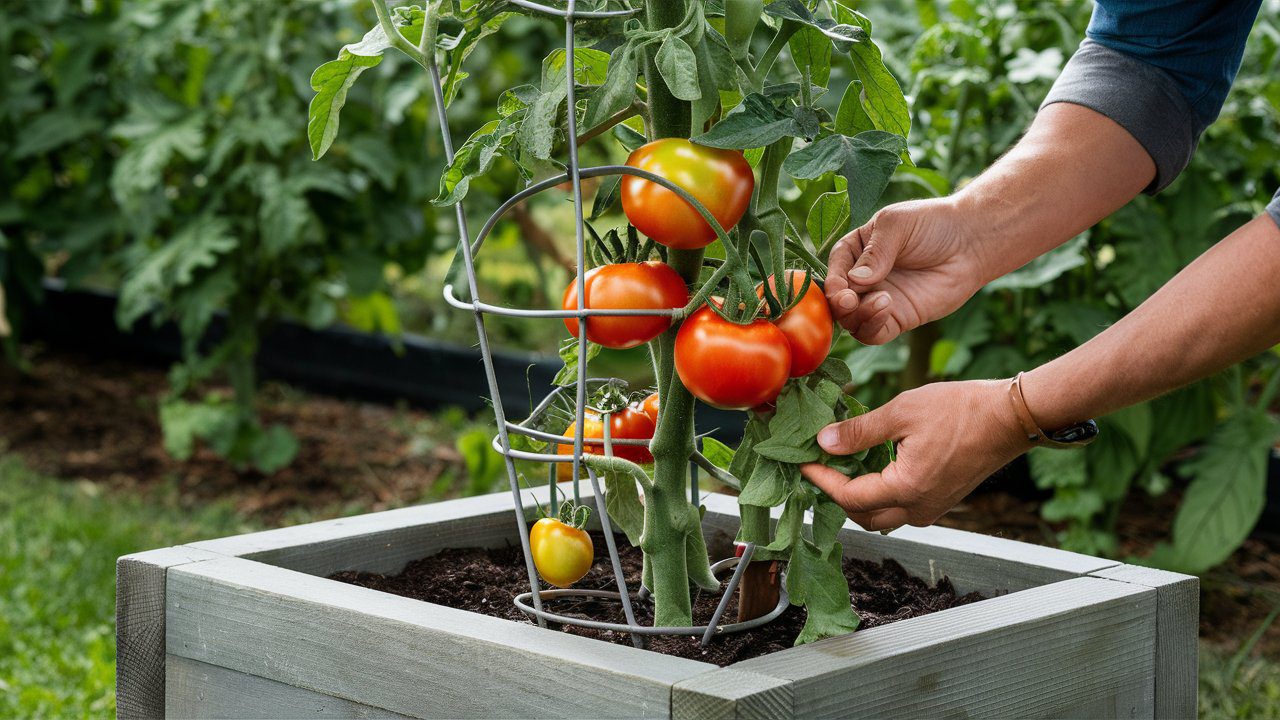
Even though patio tomato plants are smaller, they still benefit from support. Tomato cages are highly recommended as they help keep the plants upright, especially when they start bearing fruit.
The weight of the tomatoes can cause the stems to bend or break without support. Cages also improve air circulation around the plant, reducing the risk of fungal diseases.
Alternative Supports
If you don't have a tomato cage, you can use stakes or trellises. Simply tie the main stem to the stake with soft garden ties. Whichever method you choose, providing some form of support will lead to healthier plants and better yields.
Are Patio Tomatoes Tasty?
Flavor Profile
Patio tomatoes are not only convenient to grow but also delicious to eat. These tomatoes are known for their rich, sweet flavor that rivals that of larger varieties. Despite their smaller size, patio tomatoes pack a punch when it comes to taste, making them perfect for fresh eating, salads, and cooking.
Variety and Taste
The flavor can vary slightly between different patio tomato varieties. For example, Tiny Tim tomatoes have a sweet, tangy taste, while Patio Princess tomatoes are known for their classic tomato flavor. Experimenting with different varieties can help you find your favorite.
Are Patio Tomatoes Cherry Tomatoes?
Understanding the Difference
Patio tomatoes and cherry tomatoes are both small, but they are not necessarily the same. Cherry tomatoes refer to a type of tomato that is small, round, and sweet. Some patio tomato varieties are cherry tomatoes, like Tumbling Tom and Husky Cherry Red, but not all patio tomatoes fall into this category.
Types of Patio Tomatoes
While many patio tomatoes are cherry-sized, some are slightly larger and have different shapes. The term "patio tomato" generally refers to any tomato variety bred for container growth, regardless of the fruit size. Therefore, you can find both cherry-sized and larger patio tomatoes depending on the variety you choose.
How to Troubleshoot Tomato Problems
Common Issues and Solutions
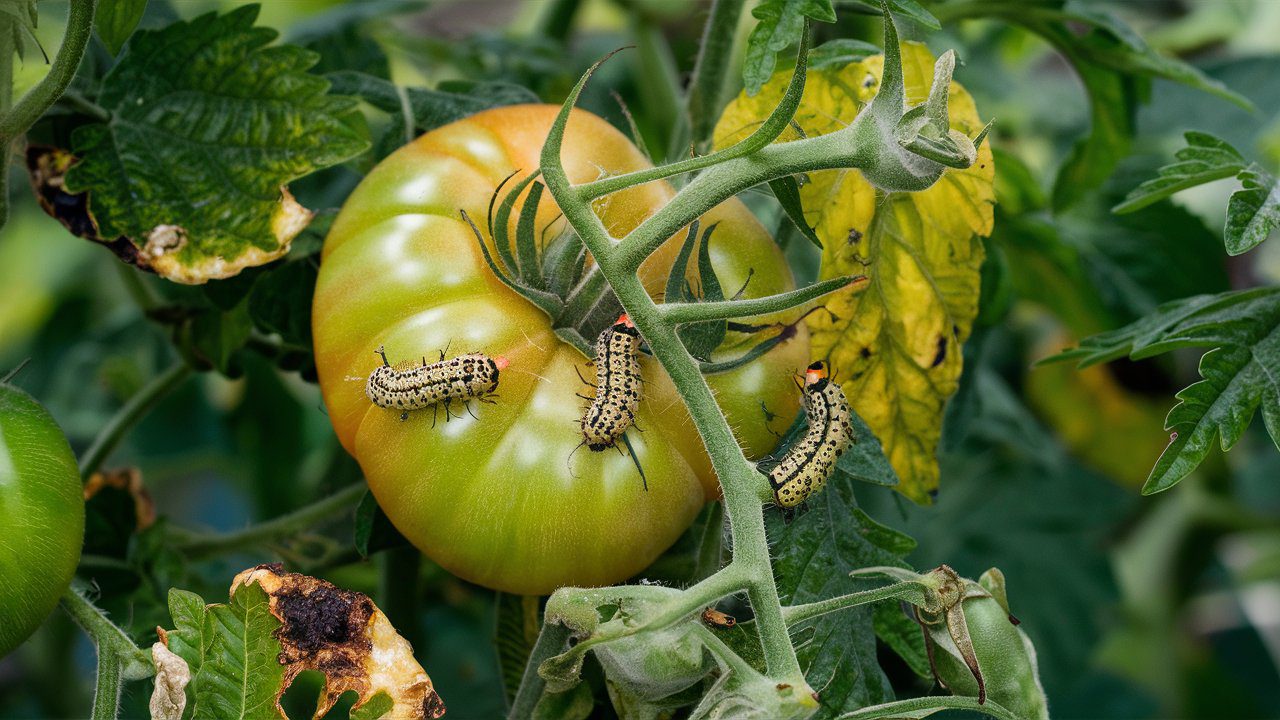
Despite your best efforts, patio tomato plants can encounter problems. Here’s how to troubleshoot some common issues:
Yellowing Leaves
If your tomato leaves are turning yellow, it could be due to overwatering, underwatering, or a lack of nutrients. Check the soil moisture and adjust your watering schedule. Ensure your plants are getting balanced nutrition by using a fertilizer rich in nitrogen.
Blossom End Rot
Blossom end rot causes the bottom of the tomatoes to turn black and rot. It’s usually due to calcium deficiency or inconsistent watering. To prevent this, keep the soil consistently moist and use a calcium-rich fertilizer.
Pest Infestations
Caterpillars, aphids, whiteflies, and hornworms can wreak havoc on tomato plants. Inspect your plants regularly and remove any pests by hand or with a gentle spray of water. Insecticidal soap can also help control infestations.
Fungal Diseases
Fungal diseases like blight and powdery mildew can affect patio tomatoes. Ensure good air circulation by spacing your plants properly and pruning excess foliage. Use fungicidal sprays if necessary.
How to Harvest and Store Tomatoes
Picking Ripe Tomatoes
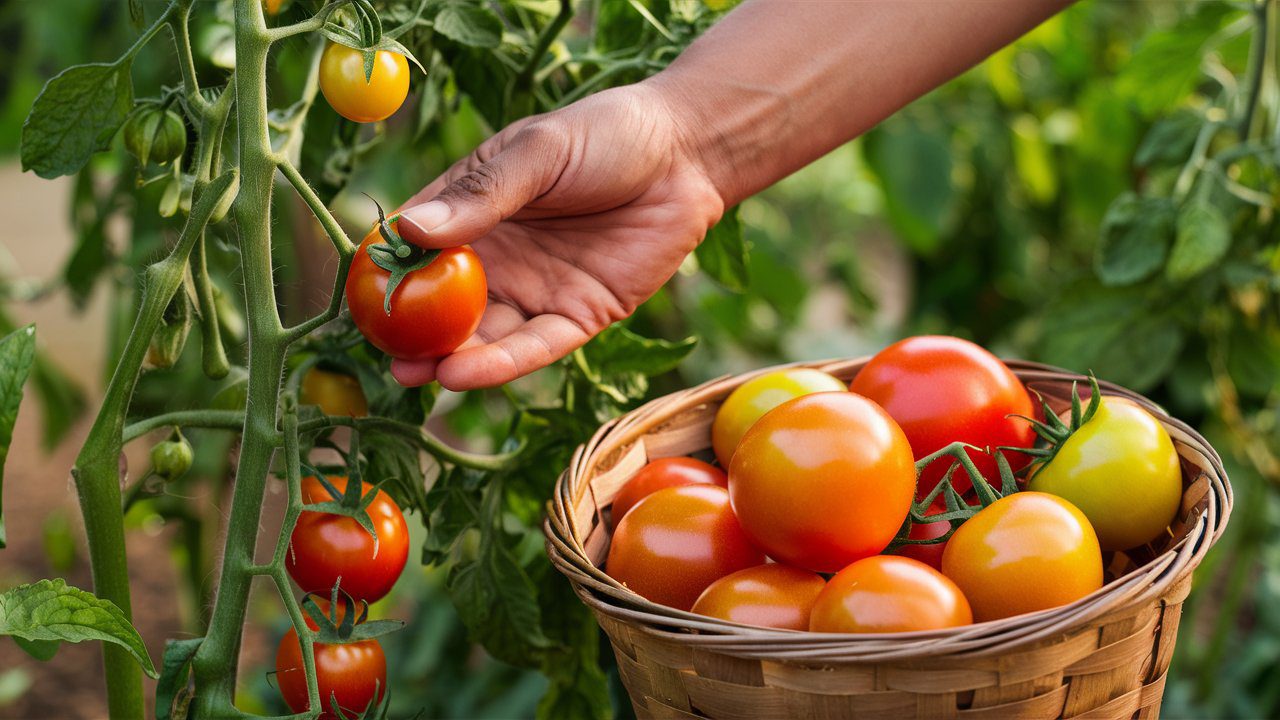
Harvesting patio tomatoes at the right time is crucial for the best flavor. Tomatoes are ready to pick when they are fully colored and slightly soft to the touch. Gently twist the fruit off the vine or use pruning shears to avoid damaging the plant.
Storing Your Harvest
Freshly picked tomatoes can be stored at room temperature, away from direct sunlight. Avoid refrigerating tomatoes as it can affect their texture and flavor. If you have a large harvest, consider preserving them by canning, drying, or making sauces.
Extending Shelf Life
To extend the shelf life of your tomatoes, keep them in a cool, dark place. If you need to ripen green tomatoes, place them in a paper bag with a banana or apple. The ethylene gas produced by the fruit will speed up the ripening process.
Extra Tips for Growing Patio Tomato Plants
Companion Planting
Consider growing herbs like basil or parsley alongside your tomatoes. These herbs can help repel pests and improve the flavor of your tomatoes.
Regular Monitoring
Keep a close eye on your patio tomato plants. Regularly check for signs of pests, diseases, and nutrient deficiencies. Early detection and intervention can save your plants from serious damage.
Certainly! Here are some frequently asked questions and common mistakes people often encounter when planting tomatoes in containers for your blog post update:
Frequently Asked Questions (FAQs)
A container that is at least 5 gallons in size is ideal for growing patio tomatoes. Larger containers are even better as they provide more room for root growth and help retain moisture.
Patio tomatoes need at least 6-8 hours of direct sunlight each day. More sunlight usually leads to healthier plants and better fruit production.
Use a high-quality, well-draining potting mix that is rich in organic matter. Avoid using garden soil as it can compact and restrict root growth.
Water your tomato plants deeply and regularly. The frequency can depend on the weather, but generally, tomatoes in containers need watering once a day or every other day. Ensure the soil remains consistently moist but not waterlogged.
Yes, patio tomatoes benefit from regular feeding. Use a balanced, slow-release fertilizer at planting time, and supplement with a liquid fertilizer every 2-4 weeks during the growing season.
Use stakes, cages, or trellises to support your tomato plants as they grow. This helps prevent the branches from breaking under the weight of the fruit and keeps the plant upright and healthy.
Yes, patio tomatoes can be grown indoors if they receive adequate light. Consider using grow lights if natural light is insufficient.
Enjoying Your Harvest
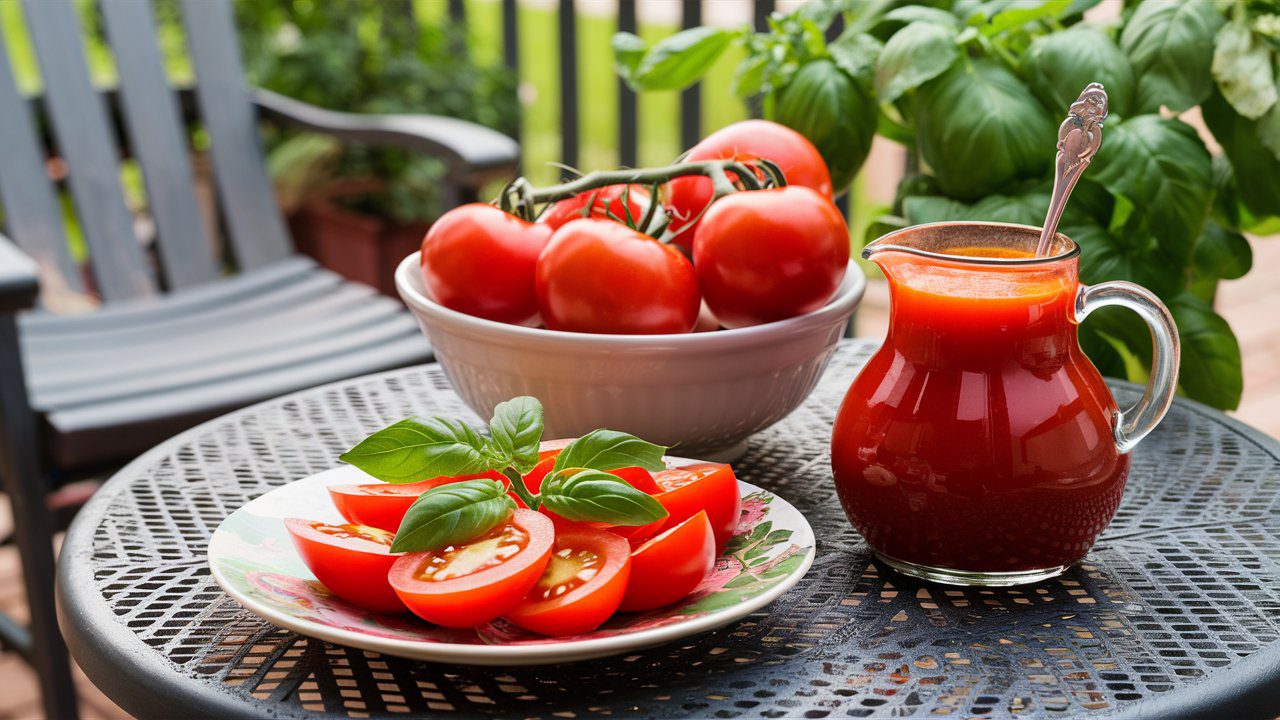
Now comes the best part – enjoying your homegrown tomatoes! Whether you eat them fresh, make salsa, or cook them into sauces, the flavor of homegrown tomatoes is unbeatable.
Growing patio tomato plants can transform your outdoor space into a mini garden of deliciousness. With the right care and attention, you’ll be rewarded with a bountiful harvest of juicy, flavorful tomatoes. So grab your pots, some good soil, and get planting – your taste buds will thank you!
Happy gardening!