

Imagine stepping out onto your patio, deck, or balcony and being greeted by a vibrant array of plants that thrive in pots all year round. Sounds like a dream, right? Well, it doesn’t have to be.
Whether you’re an experienced gardener or a novice with a green thumb, choosing the right plants for your pots can transform your outdoor space into a year-round paradise. So, which plant is best for all seasons?
Let's dive in and discover the best plants for pots all year round!
Why Choose Year-Round Plants for Pots?
Low Maintenance, High Reward
One of the greatest benefits of choosing plants that can thrive all year round in pots is the low maintenance they require.
These plants are often hardy, resilient, and capable of withstanding various weather conditions, ensuring your garden looks lush and inviting throughout the seasons.
Versatility and Flexibility
Year-round potted plants offer incredible versatility. Whether you have a sunny balcony, a shaded patio, or a spot that gets a mix of both, there are plants suited to these conditions.
Plus, you can move pots around to catch the sun or provide shelter during extreme weather.
Aesthetic Appeal
A garden full of vibrant, healthy plants is always appealing. Year-round plants ensure that you have something beautiful to look at no matter the time of year.

They can add color, texture, and even fragrance to your space, enhancing your outdoor living experience.
Choosing Your Pot
When selecting a pot for your plants, consider both functionality and aesthetics. Pots should have good drainage holes to prevent water from accumulating at the bottom, which can lead to root rot.
The size of the pot should be appropriate for the plant's growth; a pot that's too small can restrict root development, while one that's too large may retain too much water.
Material matters too—terracotta pots offer good breathability but can dry out quickly, while plastic pots retain moisture better but may heat up in the sun. Choose a pot that complements your garden's style and meets the needs of your plants.
What Pots Can Stay Out All Winter?

Terracotta Pots
Terracotta pots are classic and durable. When properly sealed, they can withstand winter conditions. They also provide good insulation for plant roots.
Fiberglass Pots
Fiberglass pots are lightweight and frost-resistant. They are perfect for larger plants that need to stay outside year-round.
Wooden Planters
Wooden planters provide good insulation and can be treated to withstand winter weather. They also add a rustic charm to your garden.
Before we dive into the plants proper, let’s briefly talk about choosing the best location for your plants.
Choosing the Right Location
The location of your pots is crucial for the health and growth of your plants. Consider the sunlight requirements of each plant—some thrive in full sun, while others prefer partial shade. Observe your garden throughout the day to identify spots with different light levels.
Also, consider factors like wind exposure, which can dry out plants, and proximity to walls or fences that can offer shelter and additional warmth. Position your pots where they can easily be accessed for watering and maintenance, and where the plants can be enjoyed from your favorite spots in your garden or home.
Ready to start exploring the best plants?
Best Plants for Pots All Year Round
English Ivy (Hedera helix)
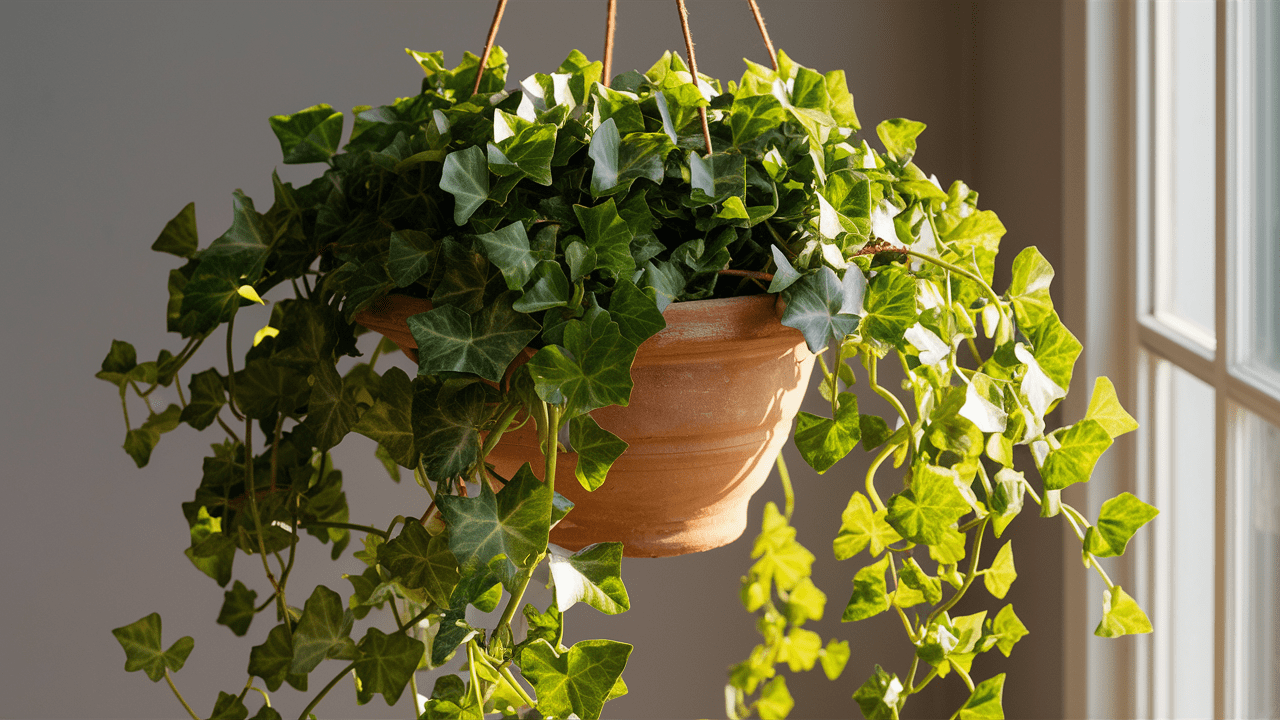
English Ivy is like the rockstar of the plant world—it just keeps on growing! You can place it in hanging pots or let it trail from containers. It’s a hardy plant that doesn’t mind a bit of shade, making it perfect for those darker corners of your patio.
But be warned! English Ivy is a bit of a wanderer. If you’re not careful, it will happily take over your garden (and maybe even your neighbor’s too!). It’s a great choice for adding some green to your space all year round, and its evergreen leaves ensure your pots look lush, even in winter.
Plus, did you know English Ivy is a natural air purifier? That's right! So, not only does it look good, but it also helps keep your air clean.
Lavender (Lavandula)

Lavender is like the cool kid in the garden—it smells amazing, looks stunning, and is low-maintenance. What's not to love? This fragrant plant thrives in full sun, so find the sunniest spot for your pot.
Lavender’s spikes of purple flowers are not only beautiful but also attract bees and butterflies. So, if you’re a fan of these little pollinators, Lavender is the plant for you. Just imagine sitting on your patio, a gentle breeze carrying the scent of Lavender while bees buzz happily around. Sounds like a dream, right?
However, be cautious with your watering can. Lavender doesn’t like wet feet. Ensure your pot has good drainage, and let the soil dry out between watering. Your Lavender will thank you with beautiful blooms and heavenly fragrance.
Pansies (Viola tricolor var. hortensis)

Pansies are the cheerful clowns of the garden. Their bright, happy faces come in a variety of colors and can brighten up any dull day. They are perfect for pots and thrive in cooler weather, making them ideal for fall and spring displays.
One of the best things about Pansies is their long blooming period. Plant them in the fall, and they’ll keep going all the way through winter and into spring. They don’t mind a bit of frost, so you’ll have color in your pots even when everything else is taking a winter nap.
Keep the soil consistently moist but not waterlogged, and deadhead the spent flowers to encourage new blooms. Before you know it, your pots will be overflowing with these charming little faces.
Japanese Maple (Acer palmatum)

Japanese Maples are like the zen masters of the plant world. They bring a touch of tranquility and elegance to any space. With their delicate, lacy leaves that change color with the seasons, they are a showstopper in any pot.
These trees are perfect for pots because they don’t grow too large, and they adapt well to container life. Place them in a spot where they get morning sun and afternoon shade for the best leaf color.
Japanese Maples do best in slightly acidic soil, so add some ericaceous compost to your potting mix. Keep the soil consistently moist, but not waterlogged, and your Maple will reward you with a stunning display of foliage.
Boxwood (Buxus)

Boxwood is the sophisticated, evergreen plant that adds structure and formality to any garden. It’s perfect for pots, especially if you like the idea of topiary. You can shape Boxwood into spheres, cones, or even whimsical shapes. Just get your pruning shears ready!
Boxwood is incredibly versatile and can tolerate both sun and shade. It’s also quite hardy, so it will keep your pots looking stylish all year round. However, be mindful of its roots. Boxwood doesn’t like to be waterlogged, so make sure your pot has excellent drainage.
To keep your Boxwood looking its best, feed it with a slow-release fertilizer in the spring and water it regularly. A little care goes a long way with this classic plant, and it will reward you with lush, green foliage for years to come.
Container Plants for Different Seasons
Spring and Summer Thrivers
Petunias (Petunia)

Petunias are like the fireworks of the garden world—bright, bold, and impossible to ignore! These vibrant flowers come in almost every color imaginable and can bloom from spring to fall. They’re perfect for pots, hanging baskets, and window boxes.
One of the best things about Petunias is their non-stop blooming. Just be sure to deadhead spent flowers to keep them looking their best. Petunias love full sun, so find a sunny spot for your pots. They thrive in well-draining, fertile soil, and with a little bit of care, they will reward you with a spectacular display of color.
Water your Petunias regularly, especially during hot weather, and feed them with a balanced fertilizer every few weeks. With Petunias, your pots will be bursting with color all season long.
Geraniums (Pelargonium)
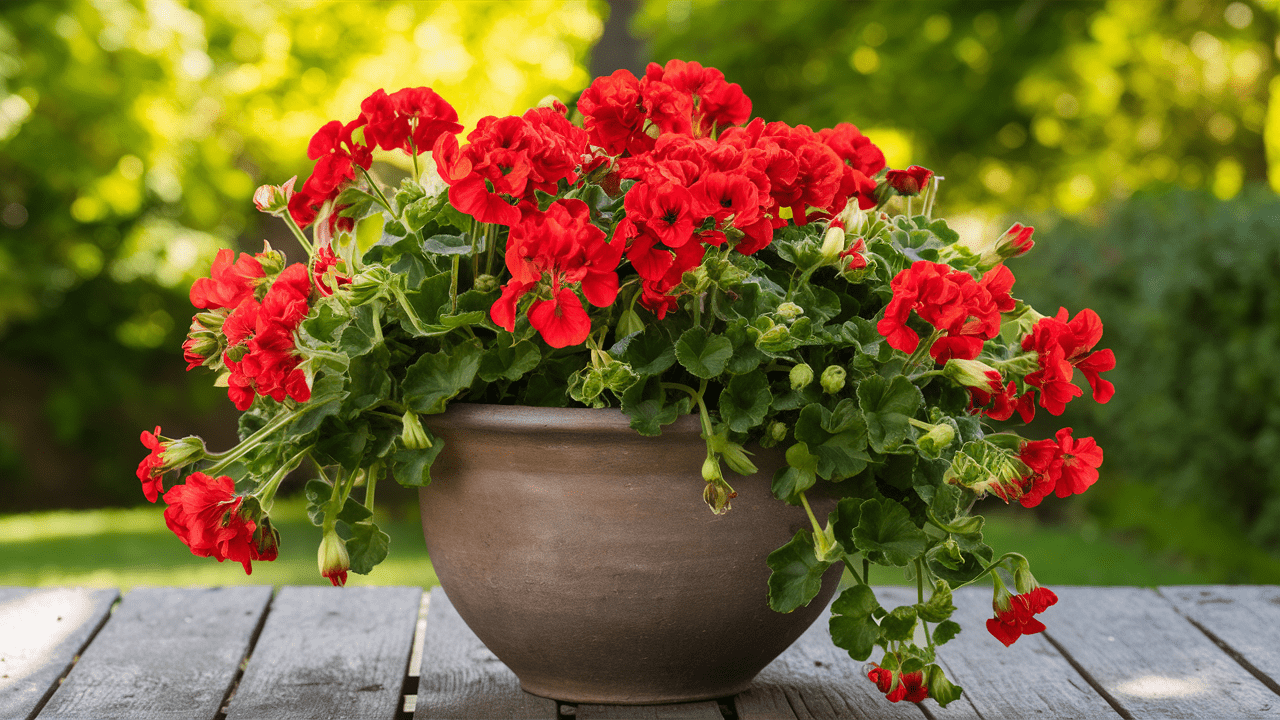
Geraniums are the reliable workhorses of the gardening world. They’re tough, versatile, and incredibly easy to care for. These classic flowers come in a range of colors and are perfect for pots, hanging baskets, and window boxes.
Geraniums thrive in full sun but can tolerate a bit of shade. They prefer well-draining, fertile soil and don’t mind if you forget to water them occasionally. In fact, they prefer their soil to dry out a bit between watering.
To keep your Geraniums blooming, pinch off spent flowers and give them a boost with a balanced fertilizer every few weeks. With minimal effort, Geraniums will reward you with a summer full of vibrant blooms.
Begonias (Begonia)

Begonias are the drama queens of the garden. With their bold foliage and bright blooms, they’re sure to steal the spotlight. They’re perfect for shady spots and thrive in pots and hanging baskets.
Begonias prefer well-draining, moist soil and don’t like to dry out completely. They come in a variety of types, including tuberous, fibrous, and rhizomatous, each with its own unique charm.
Whether you choose the delicate blooms of tuberous Begonias or the lush foliage of rex Begonias, these plants will add a touch of elegance to your pots. Just remember to water them regularly and keep them out of direct, harsh sunlight.
Fall and Winter Favorites
Heather (Calluna vulgaris)

Heather is like the rugged adventurer of the plant world. This hardy shrub can withstand cold weather and poor soil conditions, making it perfect for year-round interest in pots. Heather’s tiny, bell-shaped flowers add a touch of whimsy to your garden.
Heather prefers well-draining, acidic soil and does best in full sun to part shade. It’s drought-tolerant once established, so it’s a great low-maintenance option for busy gardeners.
Plant Heather in a pot with ericaceous compost and water it regularly until it’s established. After that, it’s pretty self-sufficient. With its evergreen foliage and charming flowers, Heather will add beauty to your pots throughout the year.
Cyclamen (Cyclamen persicum)

Cyclamen is like the delicate ballerina of the garden. Its graceful, nodding flowers and heart-shaped leaves add a touch of elegance to any pot. Cyclamen blooms in the cooler months, making it perfect for winter interest.
Cyclamen prefers part shade and well-draining, moist soil. It’s important to water Cyclamen from the bottom to avoid getting the crown wet, which can cause rot.
With a little care, Cyclamen will reward you with beautiful blooms from fall to spring. Just keep them out of direct sunlight and provide them with a cool, shaded spot.
Plants That Last All Year Round Outside
Evergreen Ferns (Dryopteris erythrosora)

Evergreen Ferns are the quiet achievers of the garden. They add a lush, green backdrop to your pots all year round. With their delicate, feathery fronds, they bring a touch of the forest floor to your patio.
Evergreen Ferns prefer part shade to full shade and well-draining, moist soil. They’re perfect for shady spots where other plants might struggle.
Water your ferns regularly and keep the soil consistently moist. With minimal effort, Evergreen Ferns will add a touch of elegance and greenery to your pots all year long.
Camellia (Camellia japonica)

Camellias are the aristocrats of the garden world. With their glossy, dark green leaves and stunning blooms, they bring a touch of class to any pot. Camellias bloom in the cooler months, providing color when you need it most.
Camellias prefer part shade and well-draining, acidic soil. They don’t like to dry out completely, so keep the soil consistently moist.
With a bit of care, Camellias will reward you with a stunning display of blooms from fall to spring. Add some ericaceous compost to your potting mix and water regularly to keep your Camellia looking its best.
Wintergreen (Gaultheria procumbens)

Wintergreen is like the hidden gem of the plant world. This low-growing shrub adds a pop of color to your pots with its bright red berries and glossy green leaves. It’s perfect for shady spots and provides year-round interest.
Wintergreen prefers part shade to full shade and well-draining, acidic soil. It’s also a low-maintenance plant, making it perfect for busy gardeners.
Plant Wintergreen in a pot with ericaceous compost and water it regularly. The berries are not only pretty but also edible, adding an extra touch of interest to your garden.
Winter Hardy Container Plants
Hellebores (Helleborus)

Hellebores, often called the “Christmas Rose” or “Lenten Rose,” are the resilient underdogs of the plant world. They bloom in late winter to early spring, bringing much-needed color to your garden when most plants are still hibernating.
These beauties prefer part shade to full shade, making them perfect for those darker corners of your patio. Plant them in well-draining, moist, and rich soil, and they’ll thrive. Hellebores are also deer-resistant, which is a bonus if you have these unwelcome garden guests.
Water regularly, but be careful not to overwater. With their nodding, cup-shaped flowers in shades of white, pink, and purple, Hellebores will add a touch of elegance to your pots when everything else is still fast asleep.
Snowdrops (Galanthus)

Snowdrops are the heralds of spring, often popping up through the snow to announce the end of winter. These delicate, white flowers are perfect for pots and containers, bringing a touch of early spring charm to your garden.
Snowdrops prefer full sun to part shade and thrive in well-draining, moist soil. Plant the bulbs in the fall for a beautiful display in late winter to early spring.
Keep the soil moist, but not waterlogged, and your Snowdrops will flourish. These tiny, bell-shaped flowers are a lovely way to brighten up your pots when the rest of the garden is still waking up.
Primroses (Primula vulgaris)

Primroses are like the confetti of the plant world. Their cheerful, bright blooms come in a rainbow of colors and can light up any garden. Perfect for pots, these flowers bloom in early spring, providing a burst of color just when you need it.
Primroses thrive in full sun to part shade and prefer well-draining, moist, and rich soil. They’re relatively low-maintenance and just need regular watering to keep the soil consistently moist.
Deadhead spent flowers to encourage more blooms, and your Primroses will keep flowering for weeks. These happy little flowers are sure to bring a smile to your face every time you see them.
Best Plants for Large Pots in Sun
Oleander (Nerium oleander)

Oleander is like the tropical vacation you can’t get enough of. This sun-loving shrub has beautiful, fragrant flowers that come in shades of pink, red, white, and yellow. Oleander is perfect for pots, especially if you want to create a Mediterranean vibe on your patio.
Oleander thrives in full sun and well-draining, sandy soil. It’s also drought-tolerant once established, making it a low-maintenance choice for busy gardeners.
Be careful, though—Oleander is toxic if ingested, so keep it away from pets and children. With regular watering and occasional feeding, your Oleander will reward you with a stunning display of blooms all summer long.
Dwarf Citrus Trees

Dwarf Citrus Trees are the gift that keeps on giving. Not only do they produce fragrant blossoms and delicious fruit, but they also add a touch of the exotic to your patio. These compact trees are perfect for pots and can be brought indoors during the winter.
Citrus trees thrive in full sun and well-draining, sandy soil. They need regular watering and feeding with a citrus-specific fertilizer to keep them healthy and productive.
Whether you choose oranges, lemons, or limes, Dwarf Citrus Trees will bring a taste of the tropics to your garden. Just imagine picking fresh fruit right from your patio!
Rosemary (Rosmarinus officinalis)
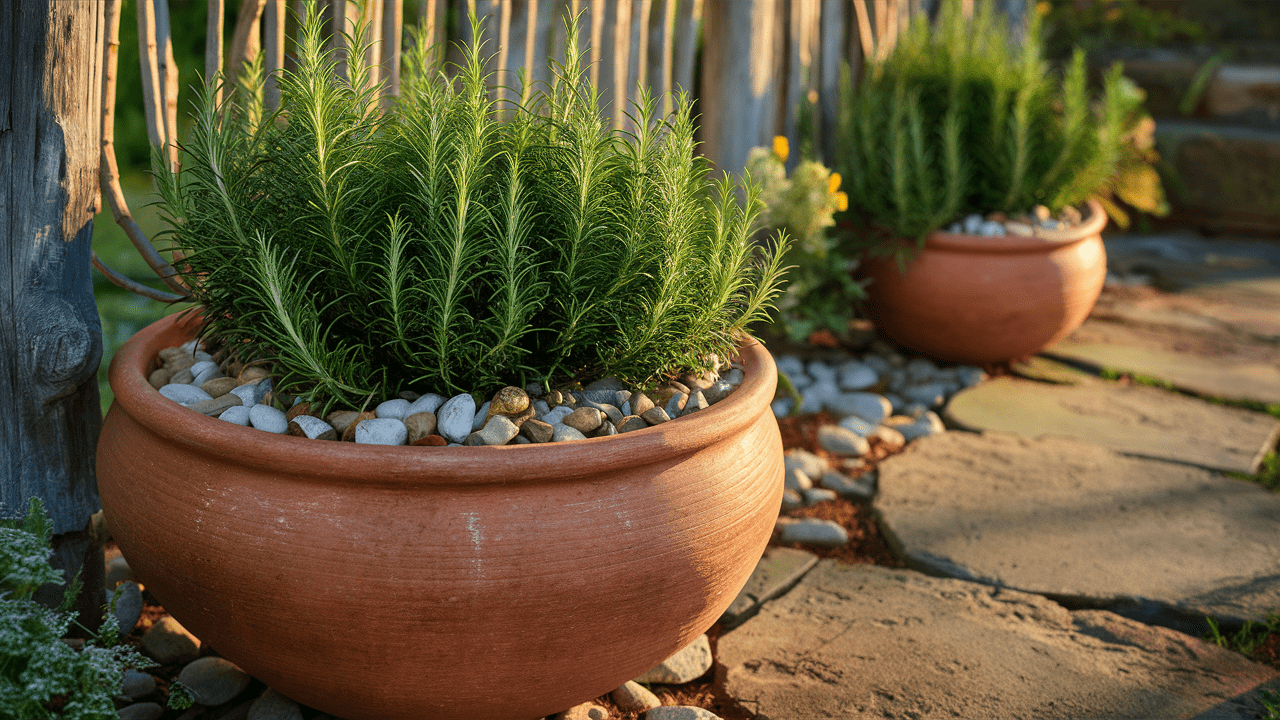
Rosemary is the culinary superstar that’s also a tough-as-nails garden performer. This aromatic herb is perfect for pots, adding both flavor and fragrance to your garden. Plus, it’s a great way to have fresh herbs right at your fingertips.
Rosemary loves full sun and well-draining, sandy soil. It’s drought-tolerant once established, making it a low-maintenance choice for busy gardeners.
Prune it regularly to keep it bushy and encourage new growth. With its needle-like leaves and blue flowers, Rosemary is not only useful in the kitchen but also a beautiful addition to your pots.
Easy to Grow Potted Plants
Spider Plant (Chlorophytum comosum)

Spider Plants are the easy-going buddies of the plant world. With their arching leaves and tiny “spiderette” offshoots, they add a touch of liveliness to any space. Perfect for pots and hanging baskets, these plants are incredibly low-maintenance.
Spider Plants thrive in bright, indirect light but can tolerate lower light conditions. They prefer well-draining, all-purpose potting mix and need to be watered moderately—let the soil dry out a bit between watering.
These plants are also known for their air-purifying qualities, making them a healthy addition to your indoor or outdoor pots. Plus, their offshoots can be easily propagated to grow even more Spider Plants!
Succulents

Succulents are like the trendy hipsters of the plant world. With their unique shapes and low-maintenance needs, they’re perfect for adding a modern touch to your garden. Succulents come in a variety of colors and forms, making them incredibly versatile for pots and containers.
These plants thrive in full sun to part shade and prefer well-draining, sandy soil. Water them sparingly—succulents store water in their leaves, so they don’t need much. Overwatering is a common mistake, so let the soil dry out completely between waterings.
Succulents are perfect for those who want a stylish, low-maintenance garden. Mix and match different varieties in a single pot for a stunning display!
Herbs (Basil, Thyme, Mint)
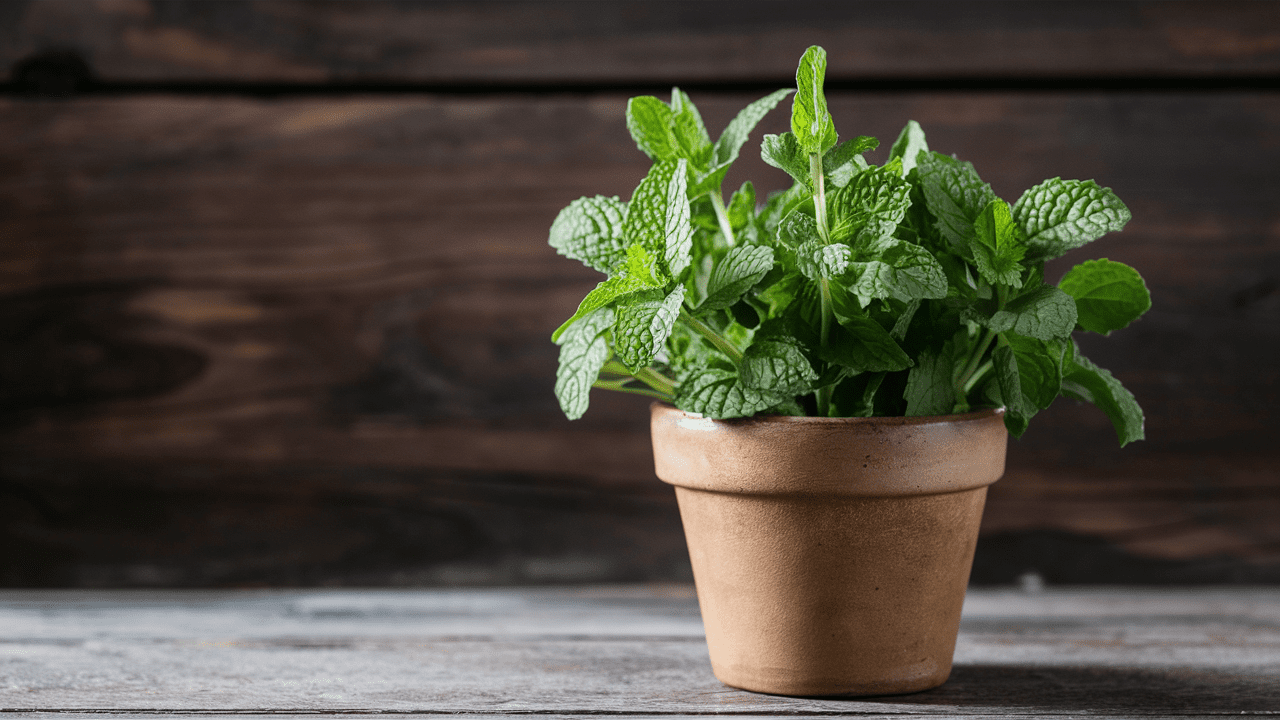
Herbs are the kitchen companions every gardener loves. Growing your own Basil, Thyme, and Mint in pots is not only practical but also incredibly rewarding. These herbs thrive in full sun and well-draining, fertile soil.
- Basil (Ocimum basilicum): Loves full sun and regular watering. Pinch off flowers to encourage more leaf growth.
- Thyme (Thymus vulgaris): Prefers full sun and well-draining soil. Water sparingly and trim regularly to keep it bushy.
- Mint (Mentha): Thrives in full sun to part shade. Keep it in a pot to prevent it from taking over your garden.
With these herbs in your garden, you’ll have fresh ingredients for your favorite recipes right at your fingertips.
Best Outdoor Winter Potted Plants
Heuchera (Heuchera spp.)
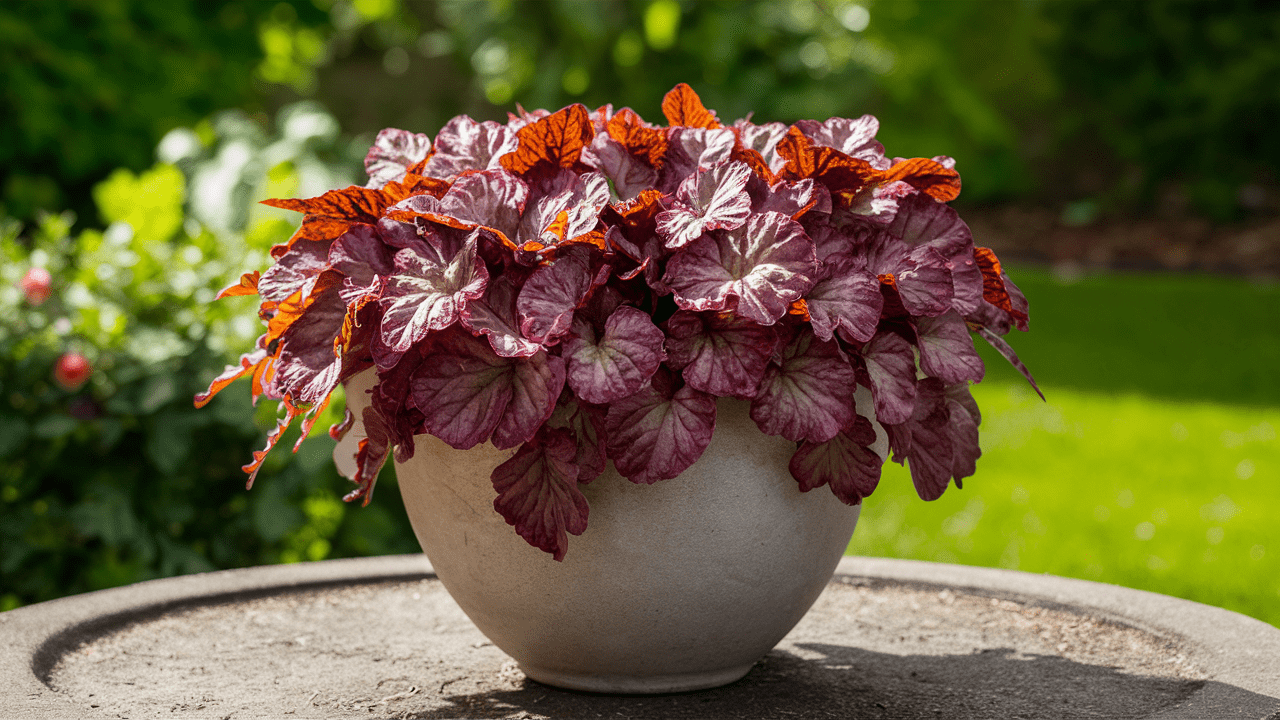
Heucheras, also known as Coral Bells, are the color chameleons of the plant world. With their vibrant foliage in shades of green, purple, and even silver, they add a splash of color to your pots all year round.
Heucheras prefer well-draining, moist soil and can tolerate full sun to part shade, depending on the variety. They’re perfect for adding interest to shady spots or for brightening up a mixed container.
Water regularly to keep the soil moist but not waterlogged, and enjoy the beautiful, year-round foliage that Heucheras offer.
Skimmia (Skimmia japonica)

Skimmia is the all-season stunner with its glossy green leaves, fragrant flowers, and bright red berries. This evergreen shrub is perfect for adding color and interest to your pots year-round.
Skimmia prefers part shade and well-draining, moist, and rich soil. It thrives in acidic to neutral soil, so adding ericaceous compost to your potting mix can help.
Water regularly, especially in dry spells, and enjoy the beautiful blooms in spring and the striking berries in fall and winter.
Plants for Pots Full Sun
Marigolds (Tagetes)

Marigolds are the sunshine in your garden pots. With their bright, cheerful flowers in shades of yellow, orange, and red, they bring a burst of color to any space. They’re also great for repelling pests, making them a functional and beautiful choice.
Marigolds thrive in full sun and well-draining, fertile soil. Water them regularly, especially during dry periods, and deadhead spent flowers to encourage continuous blooming.
These hardy annuals are perfect for adding a splash of color to your pots from spring to fall.
Sedum (Sedum spp.)

Sedums, also known as Stonecrops, are the tough guys of the plant world. These drought-tolerant succulents thrive in full sun and well-draining, sandy soil. They come in a variety of forms and colors, making them a versatile choice for pots.
Sedums require minimal watering—let the soil dry out completely between waterings. They’re perfect for those who want a low-maintenance, stylish garden.
With their unique foliage and clusters of star-shaped flowers, Sedums add a touch of beauty and resilience to any garden pot.
Plants for Pots in Shade
Fuchsia (Fuchsia spp.)
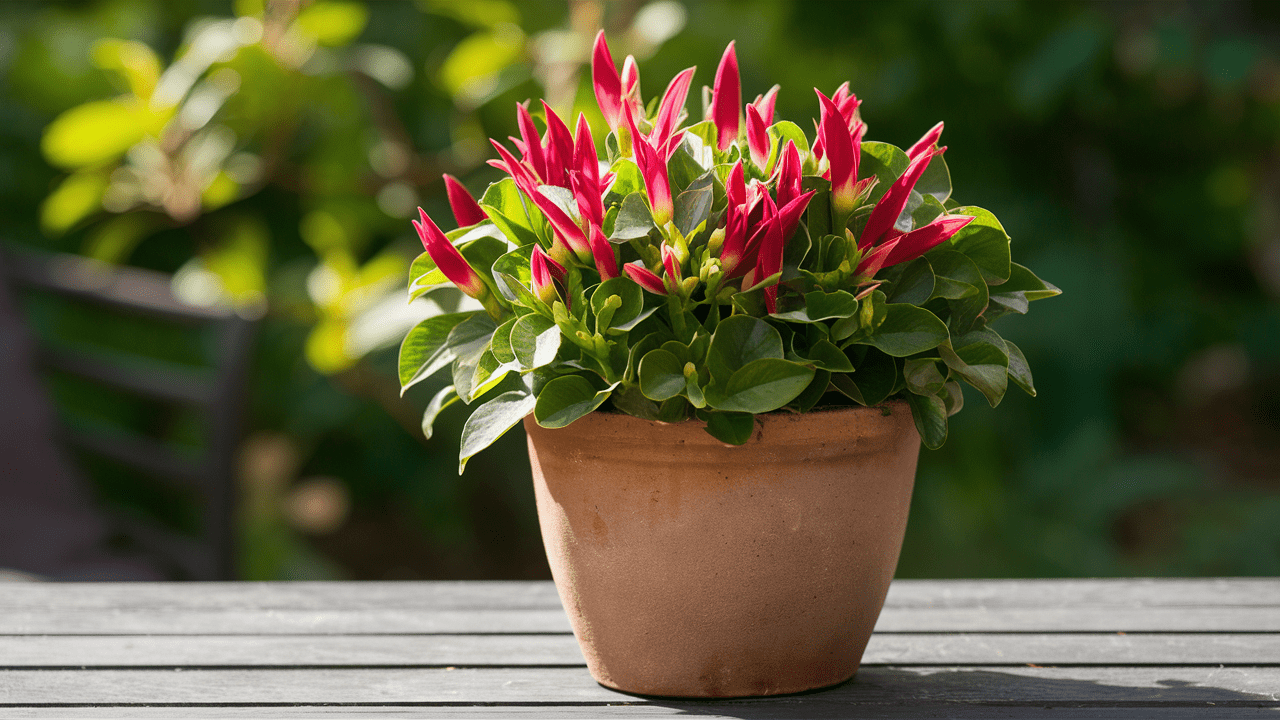
Fuchsias are the dancers of the garden with their elegant, drooping flowers that look like tiny ballerinas. These beautiful plants are perfect for hanging baskets, pots, and containers, adding a touch of grace and color to any space.
Fuchsias prefer part shade and thrive in well-draining, moist soil. They need regular watering to keep the soil consistently moist, especially during the warmer months. Feeding them with a balanced liquid fertilizer every few weeks will encourage continuous blooms.
With their vibrant, bi-colored flowers in shades of pink, purple, red, and white, Fuchsias will bring a whimsical charm to your garden pots.
Hydrangea (Hydrangea macrophylla)

Hydrangeas are the showstoppers of the plant world with their large, lush flower heads that come in a range of colors, from pink and blue to white and purple. These stunning shrubs are perfect for pots, providing a dramatic focal point in your garden.
Hydrangeas prefer part shade and well-draining, moist, rich soil. The color of their blooms can be influenced by the soil pH—acidic soil produces blue flowers, while neutral to alkaline soil produces pink flowers.
Water your Hydrangeas regularly to keep the soil moist but not waterlogged, and feed them with a balanced fertilizer in spring and summer. With their spectacular blooms, Hydrangeas will make your garden pots look like a floral wonderland.
Hosta (Hosta spp.)

Hostas are the foliage royalty of the garden, known for their beautiful, broad leaves in a variety of shapes, sizes, and colors. These shade-loving plants are perfect for pots, adding lush greenery and texture to your garden.
Hostas prefer part shade to full shade and thrive in well-draining, moist, rich soil. They need regular watering to keep the soil consistently moist, especially during dry periods.
With their stunning leaves in shades of green, blue, and variegated patterns, Hostas will create a lush, tropical feel in your garden pots. They also produce lovely, bell-shaped flowers in summer, adding an extra layer of beauty to your garden.
How to Plant Up a Pot
Start by placing a layer of gravel or broken pottery at the bottom of the pot to improve drainage. Fill the pot with a good quality potting mix, leaving enough space for the plants.
Remove the plants from their nursery pots and gently loosen the roots. Position the plants in the pot, ensuring they are at the correct depth. Fill in around the plants with more potting mix, firming it gently to remove air pockets.
Water thoroughly to settle the soil. For a fuller look, consider mixing different plants with complementary colors and textures, keeping in mind their growth habits and space requirements.
How to Feed and Water Them in Pots
Potted plants need regular feeding and watering since they rely entirely on you for their nutrients and moisture. Use a balanced, slow-release fertilizer to provide a steady supply of nutrients. You can also supplement with liquid fertilizer during the growing season.
Watering needs vary depending on the plant and the weather. Check the soil moisture regularly—water when the top inch of soil feels dry. Water thoroughly until it drains out of the bottom, ensuring the roots get enough moisture.
Avoid letting the pot sit in standing water, which can lead to root rot. During hot weather, you might need to water daily, while in cooler months, watering less frequently may suffice.
Final Thought
Choosing the best plants for pots all year round can transform your outdoor space into a lush, vibrant garden that provides beauty and enjoyment in every season. From hardy evergreens to colorful flowers, there’s a plant for every pot and every gardener.
So, get your hands dirty and enjoy the fruits (and flowers) of your labor!
Happy gardening!